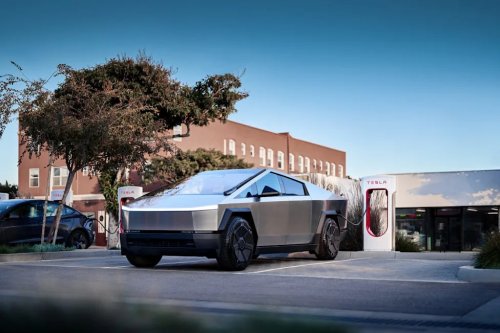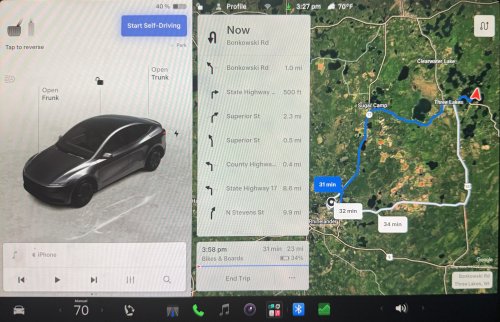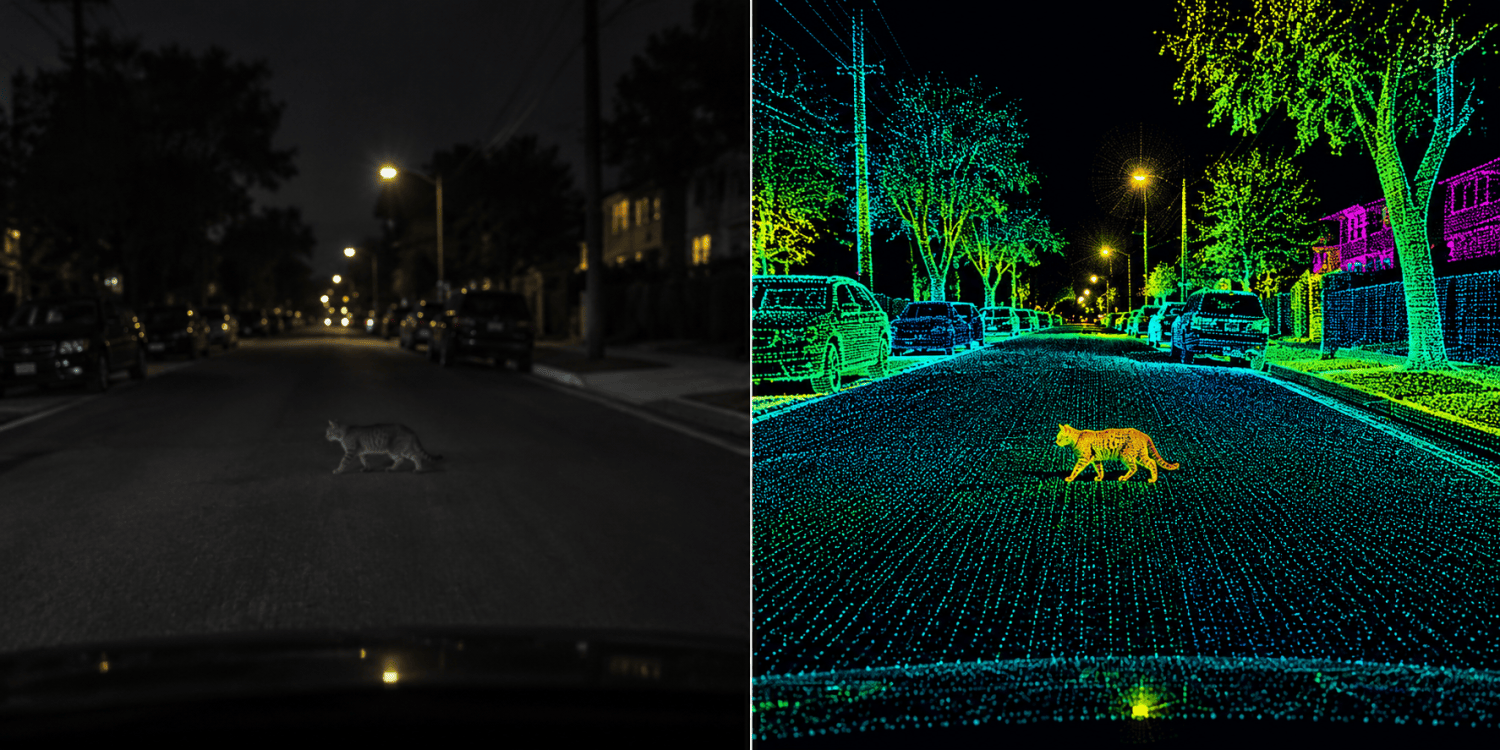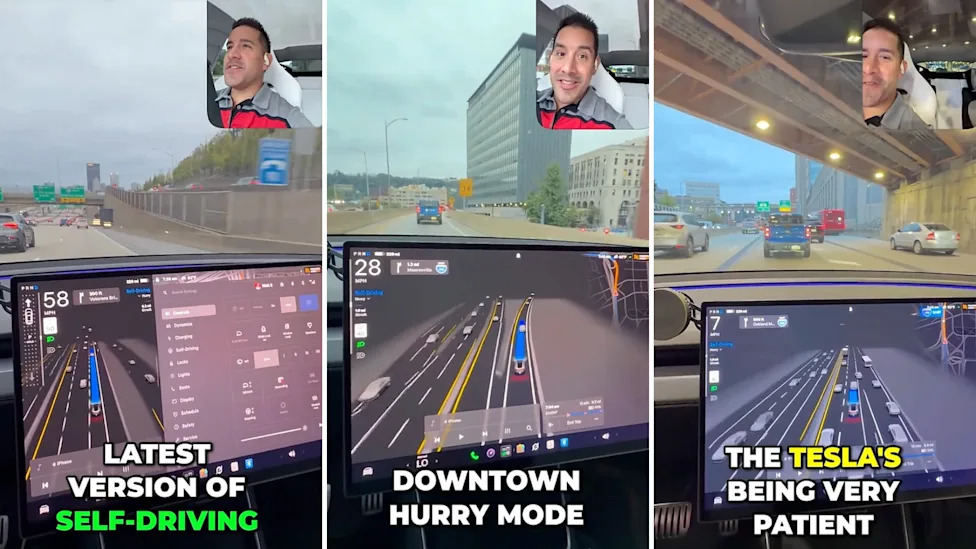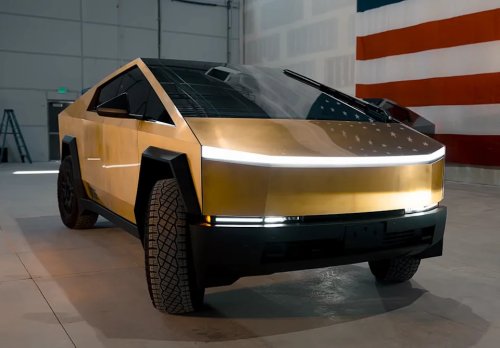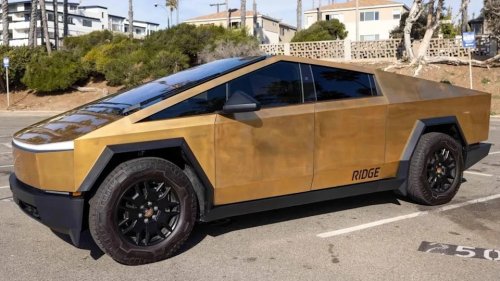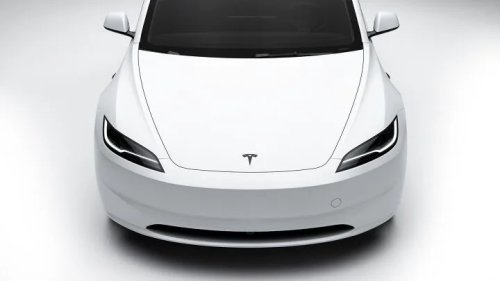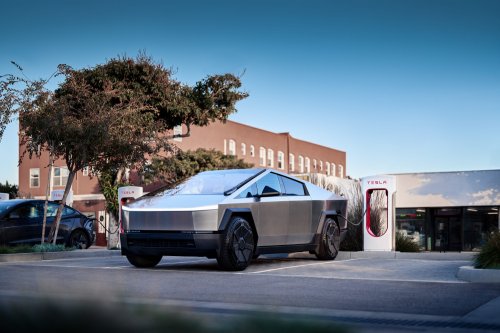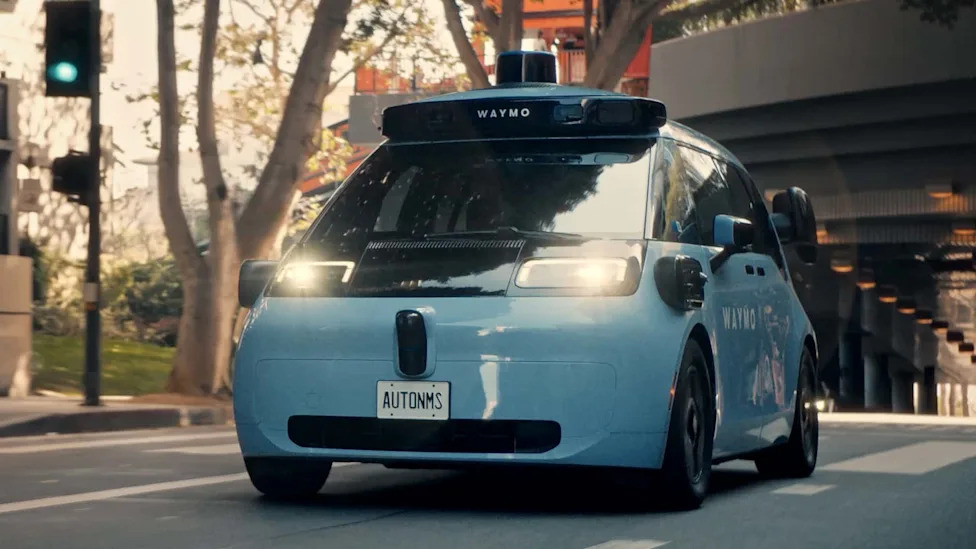








Waymo OjaiIn a blog post, one of Waymo's top engineers wrote that cameras are "not enough" for autonomous driving.In a new blog post, Waymo laid out 10 takeaways from 200 million miles of autonomous operation. It took some swipes at Tesla's approach to developing self-driving tech. Waymo casted doubt on camera-only systems, end-to-end AI, and improving a Level 2 system to full autonomy.Waymo didn't name Tesla in its latest blog post. But it didn't really have to. The two companies have spent years pursuing radically different visions of what self-driving technology should look like. And on Wednesday Waymo made it abundantly clear which it thinks will win. In the post, the company's vice president of onboard software, Srikanth Thirumalai, laid out 10 learnings from 200 million autonomous miles. Without mentioning any rivals by name, Waymo effectively picked apart the key tenets of Tesla's self-driving philosophy. AdvertisementAdvertisementFor starters, Waymo addresses the elephant in the room: the sensor question. Tesla uses only cameras, and Elon Musk has called lidar a "fools errand." Waymo's latest system in its Ojai van, by contrast, relies on 13 cameras, 4 lidar units, and 6 radars, plus microphones. Thirumalai writes that "multimodal sensors are indispensable" and takes direct aim at the vision-only approach. "Cameras are incredible, but they aren't enough," he says. "By combining inputs from cameras, lidar, and radar, the Waymo Driver creates a rich, redundant world view that no single sensor can replicate." Tesla CybercabLidar sensors, he explains, "capture 3D geometry with millimeter precision." Radar tracks velocity and detects objects in conditions that cameras can't, like in heavy fog. Cameras, he says, are good for reading street signs and traffic lights. Thirumalai also notes the importance of HD maps, which Tesla says it doesn't need. The highly detailed maps, he says, are "incredibly helpful in poor visibility and complex thoroughfares." And he casts doubt on end-to-end AI systems that take in sensor data at one end and spit out driving instructions at the other. This idea is core to Tesla's approach, and it's been adopted by others in the space too. AdvertisementAdvertisement"Pure end-to-end (E2E) neural architectures, where a model takes in raw pixels and directly outputs steering commands, run the risk of black box failures," he says. "That means, it's hard to understand how decision making happens in full E2E systems."Tesla has for years promised that Full Self-Driving (Supervised) would eventually get so good that it could take the human out of the loop. That the vast trove of FSD data collected from Tesla's customer fleet would help it get to true autonomy. But Waymo argues that to really improve an autonomous system, you need to have it operate autonomously. "Simply improving a driver-assist system (L2) for full autonomy is a false summit," Thirumalai says. "You can run billions of miles in simulation or with human supervision, but an AV system only truly matures when it is solely responsible for the driving task. Full autonomy exposes the system to the true gravity of its decisions and reveals novel situations that humans or simulations might unconsciously smooth over."It's not surprising that Waymo thinks its philosophy is the right one. Of course it does. But it's making that argument more explicitly than before, right as Tesla finally makes the inroads into autonomy that it's hyped up about for years. AdvertisementAdvertisementThe company appears to have removed the safety operators from its Robotaxi service across several markets. It has scheduled a launch event for the purpose-built Cybercab for next week, though it's not clear what exactly that will entail. Tesla maintains that its more streamlined approach is easier to scale. But Waymo has the distinct scale advantage right now, with over 500,000 driverless trips per week. The next few years will show who's really got the edge. Contact the author: [email protected] More Tech NewsI Leased A BMW iX For Three Years. Here's Why I Ended Up Buying It OutHyundai's New Santa Fe Will Go Electric And Keep The Gas TankCan Tesla FSD Take You Up The Steepest Dirt Road In America All By Itself?I Went To Toyota's Employee Electrification Training. Here's What Surprised Me