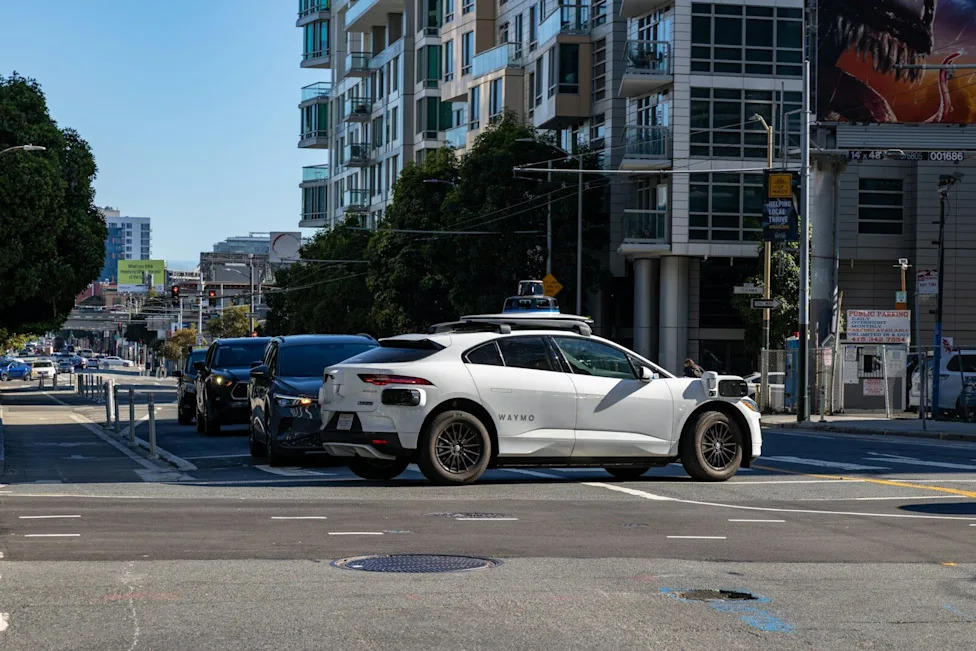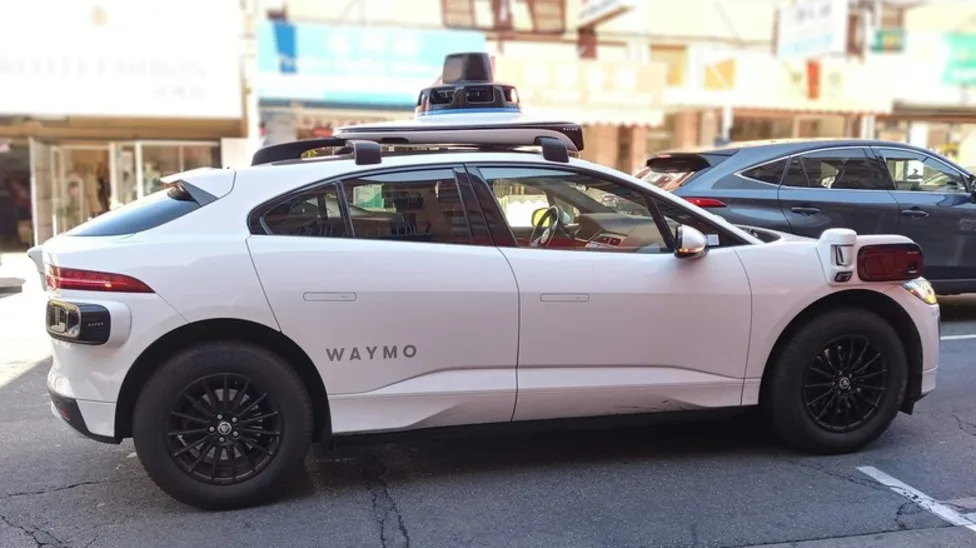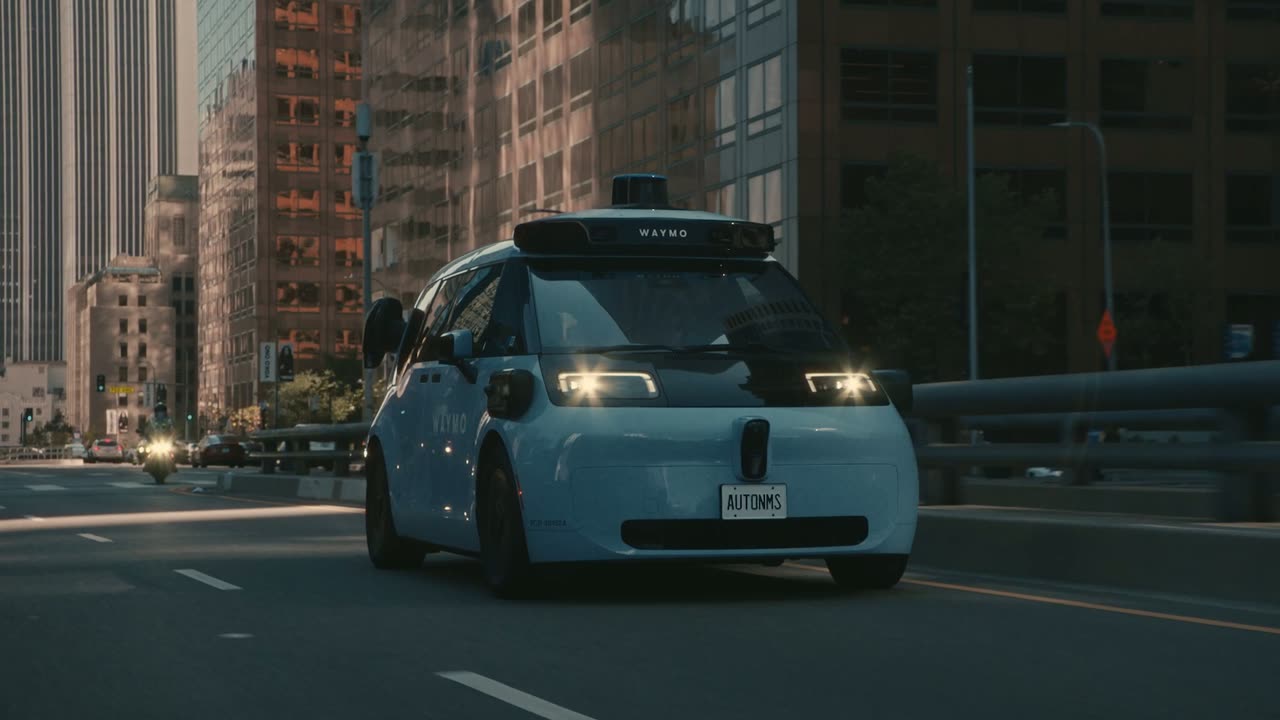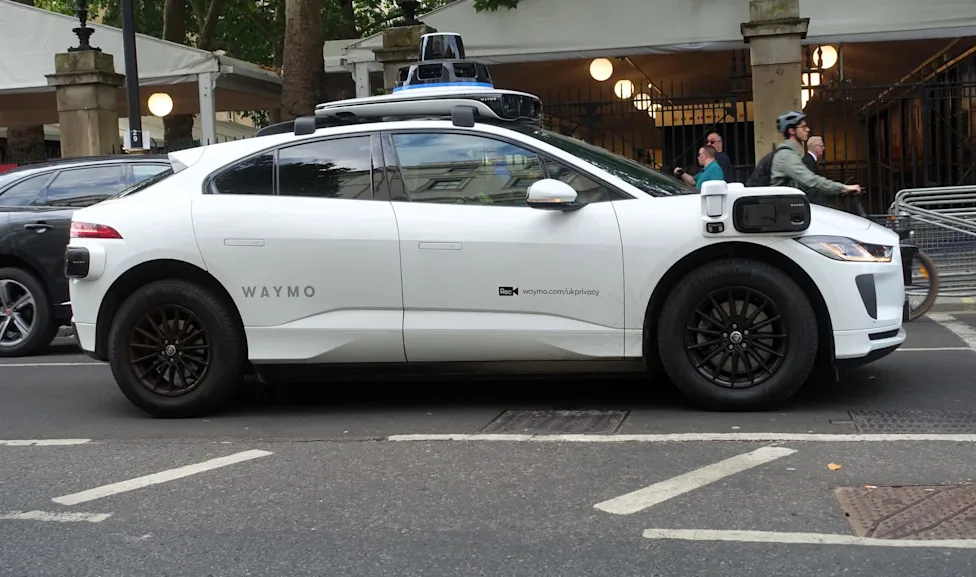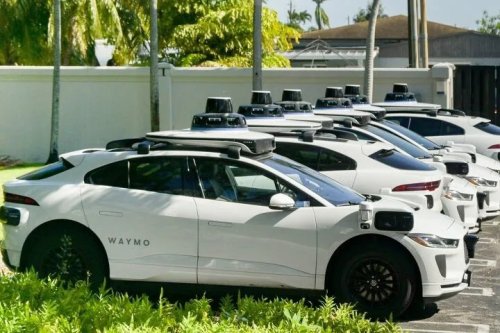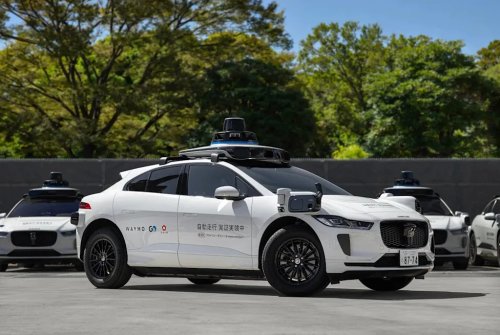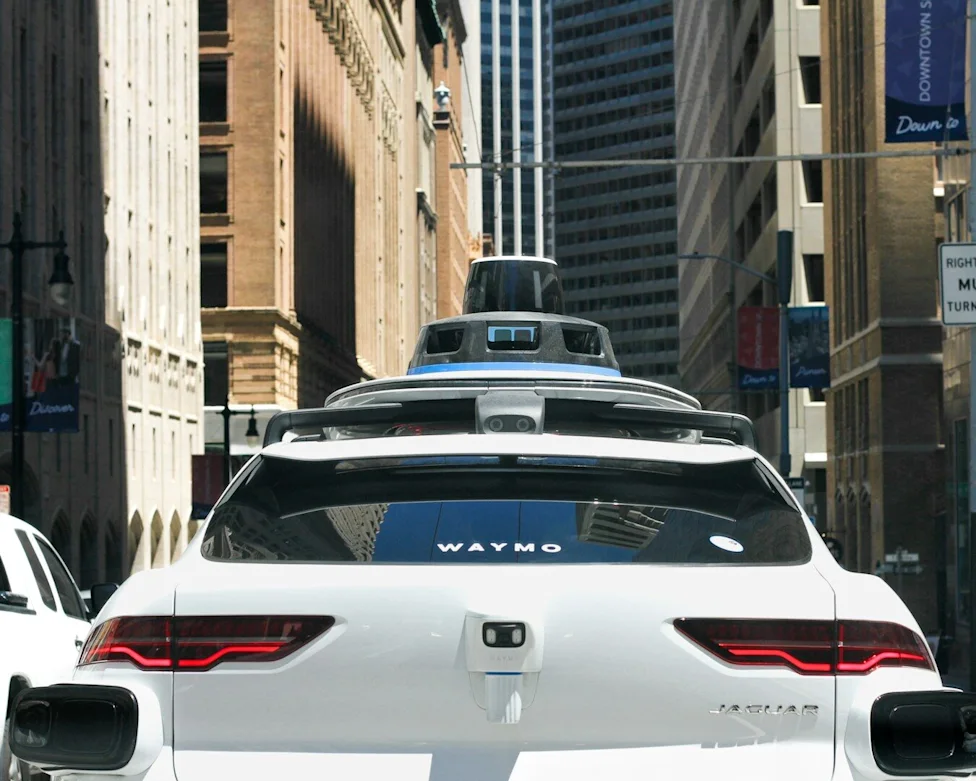


















Waymo Puts Robotaxis Back On Freeways — Here's What Actually BrokeWaymo's freeway program is back on, starting in Phoenix, after a two-month benching that the company announced with a cheerful three-word post on X: freeways are back, gradually resuming, more cities to follow, express interest in the app. Los Angeles, the Bay Area, Austin and Miami get theirs in the coming days.What that post doesn't tell you is the substantially more interesting part, which is sitting in a four-page PDF on NHTSA's server. The reason the robotaxis came off the freeway isn't that they couldn't see construction zones. It's that they saw them and decided something else mattered more.The failure mode is a priority problem, not a perception problemWaymo filed Part 573 report 26E035 on June 17, covering 3,871 units of its 5th Generation Automated Driving System built between March 2022 and May 2026. The defect language is worth reading closely, because it's unusually candid for a regulatory filing: under certain circumstances, the vehicle may enter and drive at speed in freeway construction zones due to "inappropriately prioritizing the avoidance of other freeway hazards" and/or failing to recognize the zone.AdvertisementAdvertisementParse that. The second half is a plain perception miss — the stack didn't classify the work zone. The first half is something else entirely. It means the planner did register a competing hazard, ran its internal arbitration, and concluded that avoiding that hazard outranked respecting the boundary of a closed lane.Related ArticlesRhode Island Will Send Your Home Address to Firefighters If You Drive an EVAmazon's Zoox Just Got a Government Hall Pass for Its Steering-Wheel-Free Robotaxi – And the Rulebook Is Still Being WrittenAnyone who has spent time thinking about how these systems are built will recognize the shape of the bug. A motion planner scores candidate trajectories against a weighted cost function: collision risk, comfort, progress, rule compliance. Cones and closure signage are cheap in that math. Another vehicle merging into your quarter panel is expensive. Tune it slightly wrong and the car will thread a coned gap to avoid a car it thinks is going to hit it — which is, in fairness, exactly the tradeoff a lot of human drivers make, and exactly the tradeoff that gets flaggers killed.The chronology in the filing splits into two distinct engineering problems, which makes the single recall a bit of a package deal. In Phoenix, one event on April 11 and five on April 19 involved vehicles driving past ramp closure signs into pre-planned freeway construction zones. That's semantic — the car has to read temporary signage and understand that a ramp it knows exists is currently not a ramp. In the Bay Area on May 18, seven vehicles entered freeway lanes with active construction by driving between cones marking a lane closure in the adjacent lane. That's geometric — inferring a closed corridor from a sparse line of plastic rather than from painted lane edges or map data.AdvertisementAdvertisementBoth are genuinely hard, and both are hard for the same underlying reason: temporary traffic control doesn't live in an HD map. It appears overnight, moves by the hour, and gets deployed with wildly varying fidelity to the MUTCD depending on which contractor is holding the cones. An AV that leans heavily on prior maps is structurally weakest exactly where the road stops matching the map.The recall paperwork is its own lessonLook at what Waymo could do that a conventional automaker cannot. When the Field Safety Committee met on April 20, its immediate action wasn't a fix — it was a scope restriction. Stop driving freeways. That's a remedy option available only to an operator that owns every unit and controls dispatch. Ford cannot un-sell you the freeway.The filing makes the ownership point explicit in the driest possible way: because Waymo owns all affected vehicles and will apply the remedy itself, there is no need for owner, dealer, or distributor notification under 49 CFR Part 577. The form fields read "No Dealers" and "No Owners." No letters, no service appointments, no recall-completion-rate problem — the single most persistent headache in traditional recall enforcement simply doesn't exist here. Remedy notification is listed as a phased recall.There's a flip side. Waymo's remedy history this year suggests a fix declared complete isn't always complete. The flooded-roadway recall filed in late April — 3,791 vehicles, fifth- and sixth-gen systems, after an unoccupied robotaxi went into water in San Antonio — noted that entering an untraversable flooded roadway "can result in loss of vehicle control." The interim measure was a set of weather-based operational constraints. Three weeks later, a Waymo drove into standing water in Atlanta anyway and the company suspended service in multiple cities.AdvertisementAdvertisementThat's the context in which "we shipped a software update and validated it" should be read. Not as a reason to disbelieve the fix, but as a reason to treat the first few weeks of restored freeway service as the actual test.The regulatory floor moved while the cars were parkedThe day before the freeway restart, Rep. Kevin Mullin introduced the AV Emergency Response Coordination Act at a press conference outside a San Francisco firehouse, flanked by the mayor, the fire chief, and the SFMTA director. The bill would direct NHTSA to set minimum national emergency-response standards, require standardized protocols for first responders, mandate a 24/7 hotline for public officials, and create a formal geofence-notice process so cities can order AVs out of an active incident area. Mullin's framing was blunt: "Public officials have been asked to be guinea pigs."California already got there. The DMV adopted what it calls the most comprehensive AV regulations in the nation in late April, effective July 1. Implementing AB 1777, they let law enforcement issue a Notice of AV Noncompliance to the manufacturer for moving violations — closing the long-standing loophole where a car with no driver couldn't be ticketed. They require two-way communication links with 30-second response times, and they let local emergency officials issue geofencing directives that manufacturers must clear their fleets out of within two minutes. New data reporting covers system failures, vehicle immobilizations, and hard braking events. Repeat or serious violations can bring permit restrictions or suspension.Translate that into this specific case: a Waymo threading a coned lane closure on I-880 next spring isn't just a line item in a future 573 filing. It's a citable moving violation against the operator, and enough of them puts the deployment permit itself in play. That's a considerably sharper stick than voluntary recall culture.Related ArticlesHolmes Motors Repossessed a Deploying Soldier's Car Without a Warrant. The $137,000 Fine Is the Least Interesting Part of This StoryO'Reilly Auto Parts Charged Workers Extra For Smoking. A Judge Just Said: Show Your Homework.AdvertisementAdvertisementMeanwhile NHTSA's Office of Defects Investigation still has open work. PE25013 examines the 5th Gen system's behavior around stopped school buses, opened after a documented pass of an extended stop arm in Atlanta, and produced recall 25E084 covering 3,067 units. PE26001, opened January 28, investigates whether a Waymo exercised appropriate caution when it struck a child near a Santa Monica elementary school during drop-off hours; the child ran out from behind a double-parked SUV and sustained minor injuries.What this means if you're sharing the roadPractically, freeway routes are opt-in — you express interest in the app rather than getting them by default, which also gives Waymo a throttle on how fast the population scales.If you drive near these things, the useful adjustment is spatial. The documented failure clusters were at ramp closures and adjacent-lane cone tapers, which is to say the merge zones. Assume a robotaxi in a work zone may commit to a gap you wouldn't, and give it the same berth you'd give a rental van with out-of-state plates.And if you ever do trade paint with one: that vehicle recorded the entire event across lidar, radar, and a camera ring, and the operator has the log. Get the vehicle identifier off the body, note the time to the minute, and understand you're not filing against a driver — you're filing against a corporate fleet policy with better evidence than you have. Which, depending on who was actually at fault, is either the best or the worst news you'll get that week.AdvertisementAdvertisementThe honest read on the restart is that nothing in the 573 chronology describes a collision — six Phoenix events and seven Bay Area events, all resolved without one. Freeway miles remain the safest miles in the business for humans and machines alike. But "we got away with it thirteen times" is a sentence that means something different depending on which side of the cones you're standing on.Join our Newsletter, follow our Instagram page, and connect with us on Facebook.