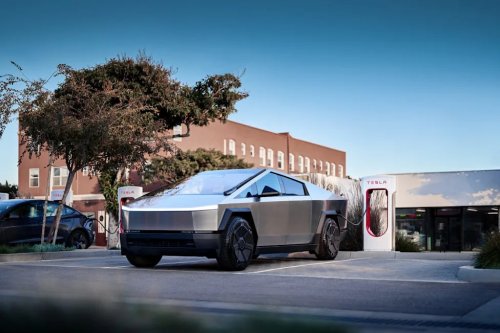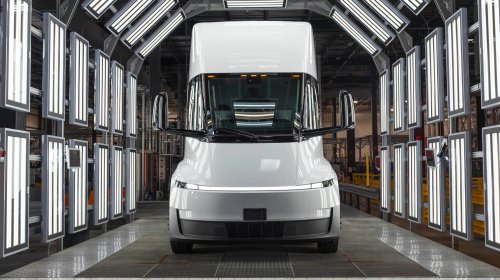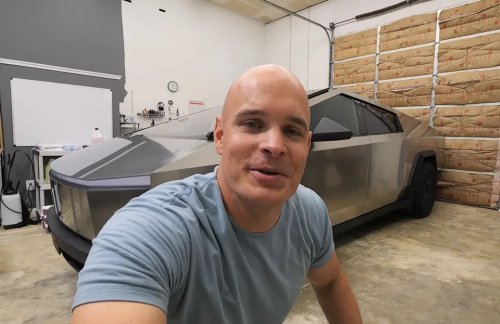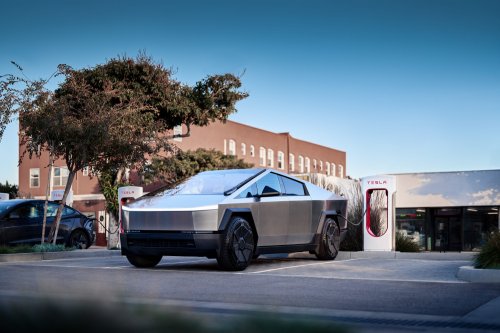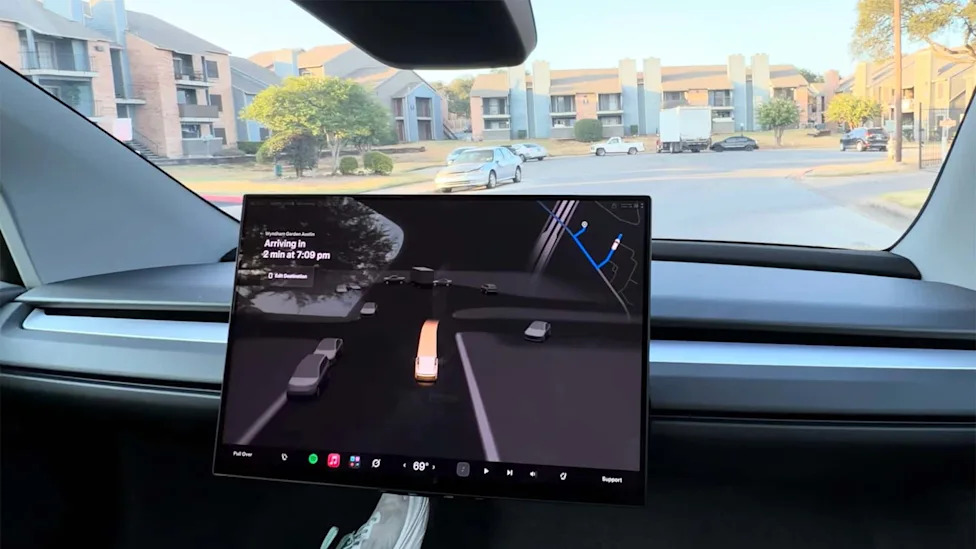
















CybercabTesla's self-driving taxi completed an uneventful trip in Austin with no steering wheel, pedals, or apparent human intervention.Tesla's steering-wheel-free Cybercab is now carrying passengers on public roads in Austin.A 14-minute video shows a smooth, quiet ride and just one stumble from the car's AI voice assistant.The trip is encouraging, but one geofenced Austin ride proves little about tougher cities or conditions.After years of promises, prototypes and demonstrations in controlled environments, Tesla's purpose-built Cybercab has finally started transporting passengers on public roads. An early video from inside suggests that the most radical Tesla yet, which has no physical controls, can deliver a remarkably ordinary-looking ride.Longtime Tesla-focused content creator Sawyer Merritt uploaded a 14-minute video of himself and his wife riding in a Cybercab as it drives them through Austin. It looks like it's a pretty simple process. Once both passengers are inside, the butterfly doors close automatically and you tap on "Start Ride" on the central screen.The Cybercab then pulled away smoothly and began making its way to the destination. The drive itself was almost eerily uneventful. The Cybercab negotiated the filmed portion of the route without hesitation, sudden braking, or abrupt maneuvers. Its suspension also seemed to absorb a speed bump smoothly, and Merritt praised its ride quality.AdvertisementAdvertisementHe describes the ride as quiet, soft, and "perfectly boring," which is exactly what you want from a driverless taxi.Most of the video focuses on the in-cabin experience. The two-seat bench slides forward and back as a whole, the backrests can be reclined, and there is a lot more legroom than the Cybercab's compact exterior might suggest. Riders control the climate, seats, doors, and entertainment through the huge central screen, which measures around 21 inches.The only stumble of the entire ride came from Grok, which mistook a request to adjust the cabin temperature for a destination change.Merritt goes on to say the Cybercab drives better than a human and that it's already so good it doesn't need further development. However, he is a known enthusiastic Tesla supporter, so this should be treated strictly as one fan's opinion, and one Cybercab ride is nowhere near enough to make such an assessment, no matter how good it was.AdvertisementAdvertisementThe Cybercab still needs to prove itself in inclement weather, avoiding roadworks, aggressive driving around it, or just the genuine unpredictability of traffic. Successfully navigating a limited, geofenced section of Austin does not prove it can handle New York City's denser traffic, heavier pedestrian activity, and constant road obstructions.More On ThisThe Tesla Cybercab Has No Brake Lines Or Brake Fluid. Here's How It StopsTesla's Cybercab Is Finally Giving Paid Robotaxi Rides. Here's What It Can And Can't DoFull Tesla Cybercab Specs: EPA Documents Confirm Battery Size, Weight, Power, And Preliminary RangeSan Francisco's Latest Robotaxi Has No Steering Wheel Or Pedals. Yes, ReallyThe start of passenger rides in the Cybercab is still a significant milestone for Tesla and the entire driverless ride-hailing scene. The first production Cybercab rolled off the line in February. By June, Tesla was testing a steering-wheel-free version on Austin roads, albeit with a safety monitor in the passenger seat. Just before this week's launch, it registered 45 Cybercabs in Texas.Merritt's footage still shows something pretty important: the Cybercab is no longer just a concept or prototype. Actual passengers are now sitting inside while it drives itself and, on this occasion, nothing particularly exciting happened, which is encouraging.