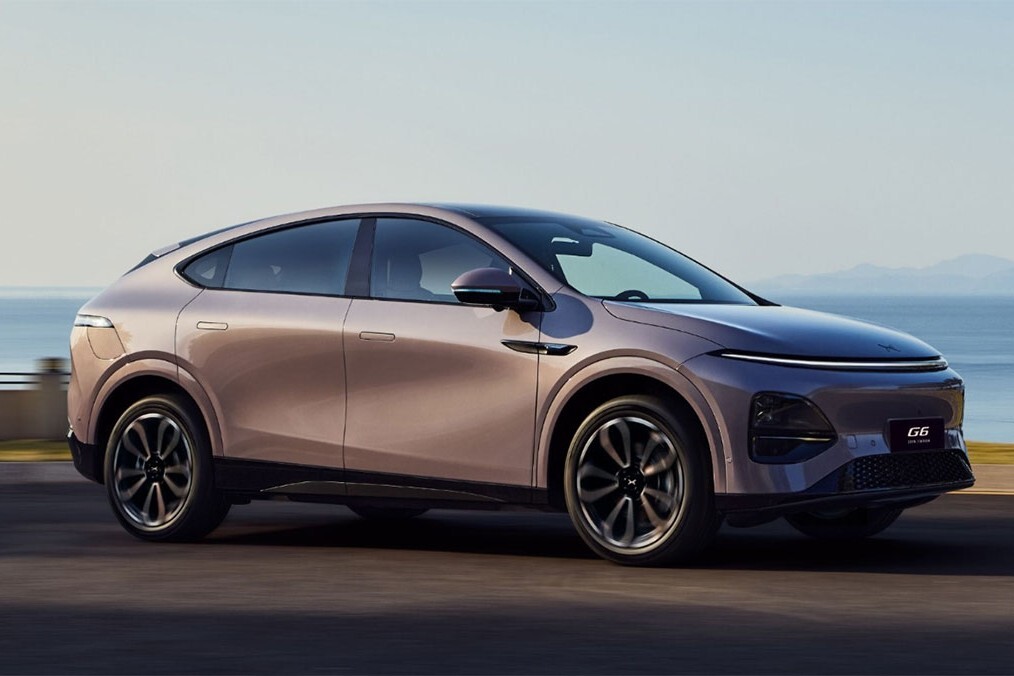
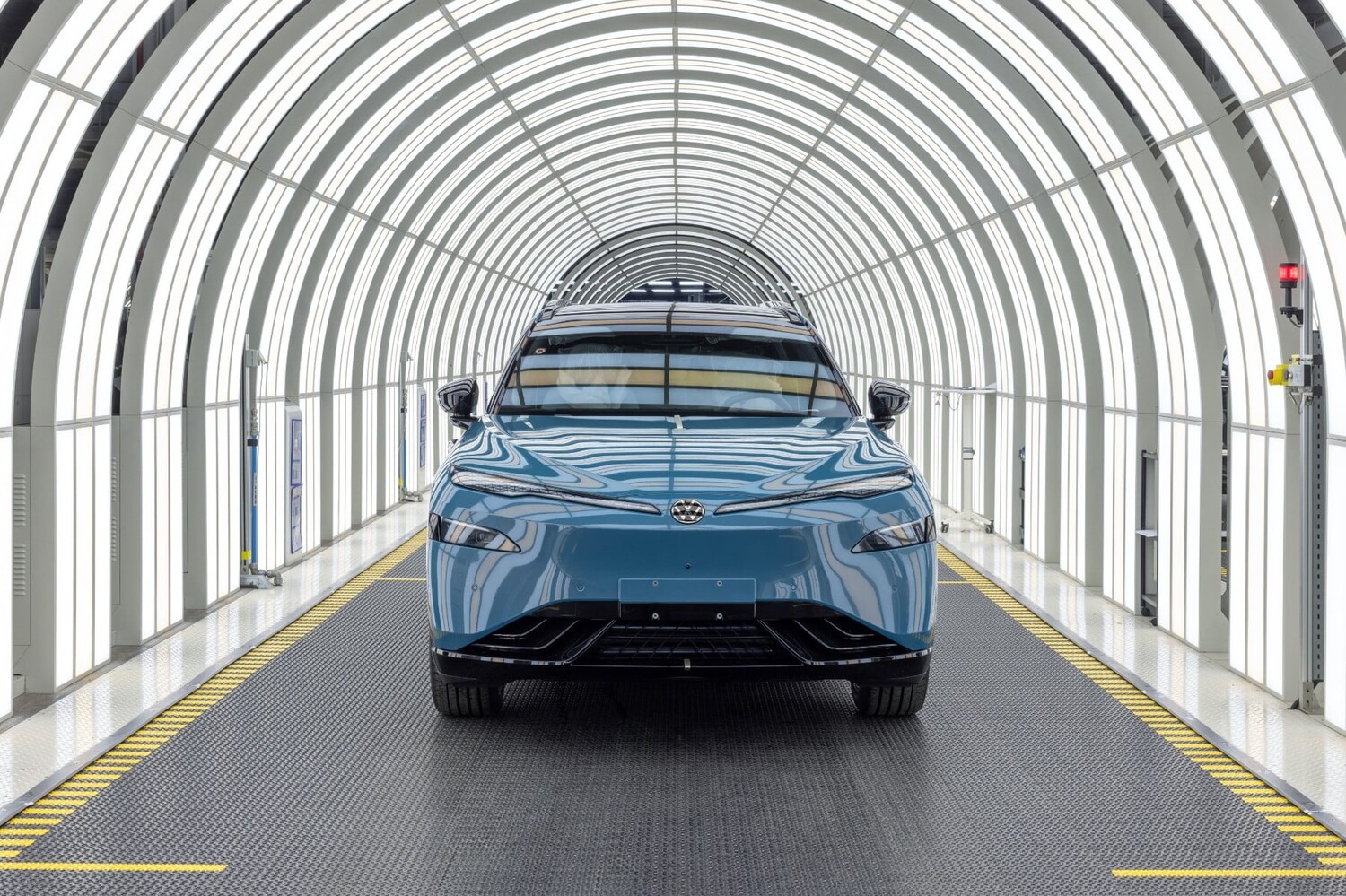
Chinese vehicles have become a serious political issue in the United States in recent months, and earlier this week, the Alliance for Automotive Innovation—a lobbying group that represents a wide range of automakers from General Motors and Toyota to Ferrari and Porsche—weighed in on the hot-button issue. The president and CEO of the Alliance for Automotive Innovation, John Bozzella, said that Chinese vehicles should be permanently banned from the U.S. market, citing factors such as security concerns and unfair business practices.
“We need to protect the U.S. market from a flood of Chinese imports that carry surveillance risk and disadvantage current manufacturers that have made generational investments in American communities,” Bozzella said, according to Reuters.
Support for banning Chinese vehicles is a surprisingly bipartisan issue, as Senators Elissa Slotkin (D-MI) and Bernie Moreno (R-OH) co-authored the Connected Vehicle Security Act of 2026 earlier this year. The bill unanimously passed the Senate Commerce Committee this summer, and is expected to be voted on next week during the short “lame duck” legislative session after the midterm elections. A version of the Connected Vehicle Security Act of 2026 in the House of Representatives has now amassed over 100 cosponsors, too.
But it isn’t just security concerns that have legacy automakers pushing for an outright ban on Chinese cars. Bozzella cited significant gains from those vehicles in the European market as further evidence that regulations are necessary, claiming that the European Union imported more than 1.1 million vehicles from China in the first eight months of 2026—more Chinese cars than the EU imported in all of 2025. The Volkswagen Group, one of the companies represented by the Alliance for Automotive Innovation, cited competition from Chinese automakers as part of its major restructuring earlier this year.
“Given the obvious national security risk and China’s pattern of unfair behavior, Congress should protect our defense and advanced manufacturing base and stop Chinese automakers from doing here what they’ve gotten away with in Europe,” Bozzella said.
The first wave of regulations on Chinese vehicles came during President Joe Biden’s administration. The original rule essentially banned Chinese automakers from selling or building passenger vehicles in America over concerns about data privacy. (Polestar will be banned from selling vehicles in the U.S. starting in 2027 as a result of these regulations.) But the Connected Vehicle Security Act of 2026 goes one step further, according to Senator Slotkin.
“I think it's an issue of economic security and national security," Slotkin told Road & Track in April. "You don't have to be a deep expert to understand that the Chinese Communist Party heavily subsidizes their industry, so they have a whole strategy of basically stealing our intellectual property—making stuff like cars and drones off of stuff that we've invented, and then heavily subsidizing them so that they undercut and kill the industry that they enter. They have a long history of doing that with drones, [and] the solar industry is ninety percent Chinese because of this very strategy."
Congressional aides and industry experts said there may not be enough time to approve the Chinese vehicle ban during this session if Democrats win control of Congress, according to Reuters. Even so, as momentum builds in both the House and Senate, legacy automakers remain hopeful. A 100-percent tariff on Chinese electric vehicles also remains in place.
A New York transplant hailing from the Pacific Northwest, Emmet White has a passion for anything that goes: cars, bicycles, planes, and motorcycles. After learning to ride at 17, Emmet worked in the motorcycle industry before joining Autoweek in 2022 and Road & Track in 2024. The woes of alternate side parking have kept his fleet moderate, with a 2014 Volkswagen Jetta GLI and a BMW 318i E30 street parked in his Queens community.