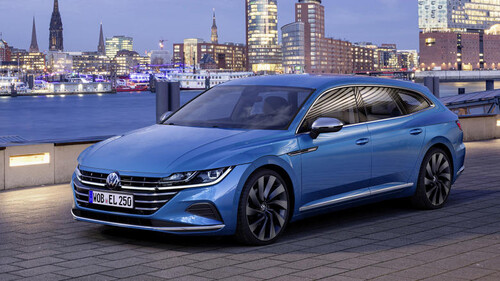
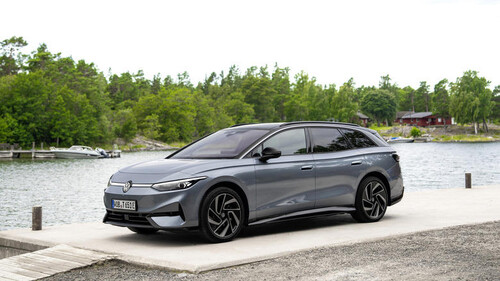
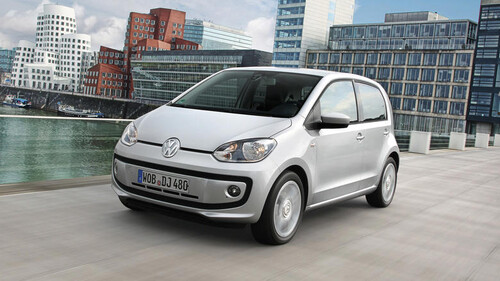
Turkish automotive distributor Doğuş Otomotiv and Volkswagen are exploring opportunities to produce Volkswagen-branded passenger cars in Türkiye. According to a Reuters report, which cites a statement from Doğuş Otomotiv, both companies have signed a letter of intent to this effect. The agreement was announced on 30 October via Türkiye’s capital market platform, KAP.
The potential collaboration aims to offer the Turkish market higher-value products aligned with new technologies, as well as support the development of the domestic automotive industry. However, the companies have not yet provided specific details regarding vehicle models, investment volumes, production capacities, or a potential timeline.
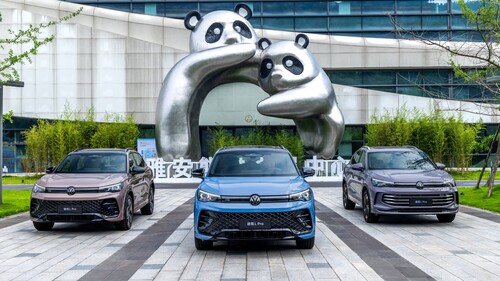
According to Auto Motor und Sport, Volkswagen may utilise vehicles originally developed for the Chinese market. Discussions reportedly include production using the CKD (Completely Knocked Down) method, where vehicle kits are imported from existing production sites and assembled at the destination.
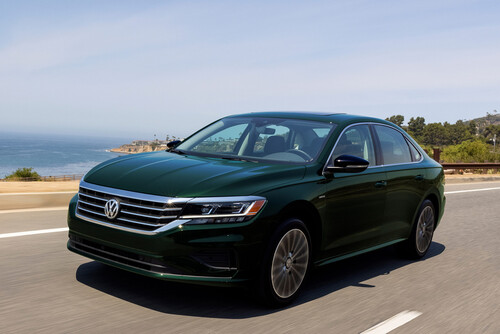
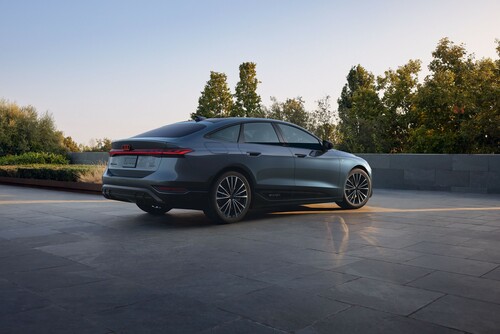
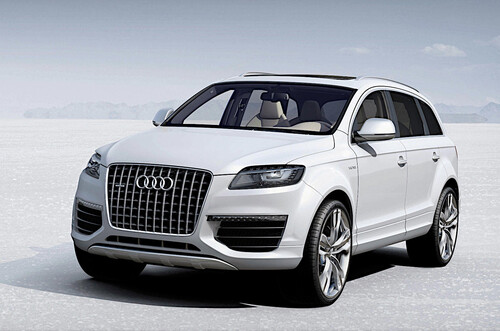
The models under consideration, as per the report, include those from the FAW-Volkswagen joint venture in China, such as the Passat variant Magotan, as well as vehicles from the Jetta and Audi brands. Volkswagen confirmed to Turkish media that, together with Doğuş Otomotiv, it is examining the export of partially assembled vehicles from non-European production sites to Türkiye for the local market. It remains unclear whether electric vehicles could be included in the future.
Volkswagen aims to utilise China-developed technologies globally
These considerations align with Volkswagen’s new strategy to increasingly deploy vehicles and technologies developed in China across international markets. At the end of October, the Group presented its direction at a technology event in Hefei under the motto In China, Beyond China. This approach aims to position China not only as a supplier for the domestic market but also as a development and export hub for other world regions.
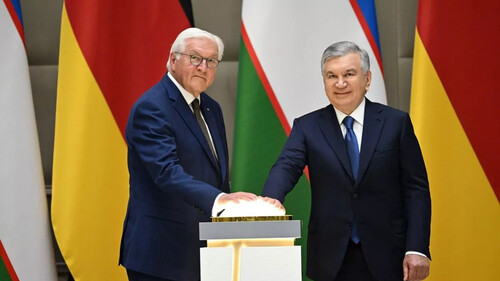
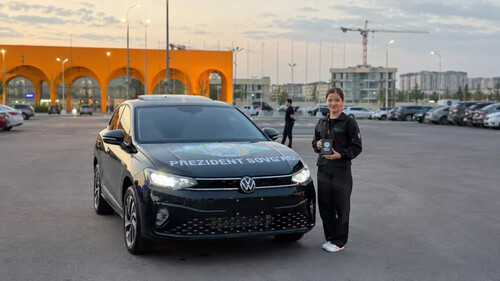
Volkswagen already exports vehicles produced in China to regions such as the Middle East, Uzbekistan, Kazakhstan, and parts of Sub-Saharan Africa. By the end of 2026, additional markets, including Mexico, Egypt, and Vietnam, are expected to be added. In the long term, the company also plans to use Chinese vehicle platforms and electronic architectures for models outside China. For example, the China Main Platform (CMP) and China Electronic Architecture (CEA) are set to serve as the technical foundation for local model ranges in South America starting in 2030.
It remains unclear whether the potential assembly in Türkiye could become part of this internationalisation strategy. However, the final assembly of imported vehicle kits would allow Volkswagen to leverage existing production structures outside Türkiye.
Cost pressure forces Volkswagen to cut investments
The renewed production considerations come at a time when Volkswagen is tightening its investment constraints. At the end of October, the Group announced that it would temporarily suspend development work on the electric ID.Golf due to high cost pressure. The net cash flow of the Brand Group Core had declined from €4.34 billion to €1.43 billion in the first nine months of 2026.
Volkswagen therefore intends to increase its investment discipline and reduce development expenditures. It is not yet known whether the considerations for vehicle assembly in Türkiye are related to these cost-saving measures.
Volkswagen abandoned Türkiye plant plans in 2020
For Volkswagen, Türkiye is not a new potential production location. In 2019, the Group had planned to build a plant in Manisa, where models such as the VW Passat and Škoda Superb were to be produced. The planned investment of around €1.3 billion was intended to create production capacities for up to 300,000 vehicles annually.
However, in 2020, Volkswagen abandoned the project, citing the COVID-19 pandemic and changed global economic conditions. Instead, the company invested further in existing European sites, including Slovakia.
Doğus Otomotiv has been Volkswagen’s distribution partner in Türkiye for over 30 years. Recently, the collaboration has expanded to additional markets, including Iraq, Azerbaijan, and Syria. A final decision on starting vehicle production in Türkiye has not yet been made. It also remains open whether the potential assembly would serve exclusively the Turkish market or could open up additional sales markets in the future.