Across all drivetrains, 15,725 new passenger cars were registered in Norway in October. This represents a 41 per cent increase compared to October 2025 and, according to the Norwegian Road Information Authority (OFV), is “the highest number for an October in over 30 years”. The Norwegian car market is therefore growing rapidly. While an impressive 15,536 of the 15,725 passenger cars registered in October had an electric drivetrain, the OFV statistics show only rudimentary registration figures for all other drivetrain types. More on this shortly.
The relative electrification rate of 98.8 per cent is significant for Norway, but it fits the pattern: in the year to date, battery-electric cars already account for 98 per cent of all registrations (compared to 95.2 per cent in the same period in 2025). This has created a consistency in Norway that marks the conclusion of a years-long drivetrain transition. “The Norwegian new car market is now almost entirely electric,” the OFV recently confirmed. “Competition is therefore increasingly focused on which brands and models perform best in terms of price, range, space, delivery time and financing.”
Before we look at the models, a brief note on the baseline statistics: in the first ten months of the year, registrations in the country are now 5.2 per cent above the level in the same period in 2025 – and this follows a relatively weak start to the year. However, with September and October registrations up by around 30 and 40 per cent respectively compared to the previous year, the market has since recovered. “The record year 2025 could be surpassed,” the OFV predicts.
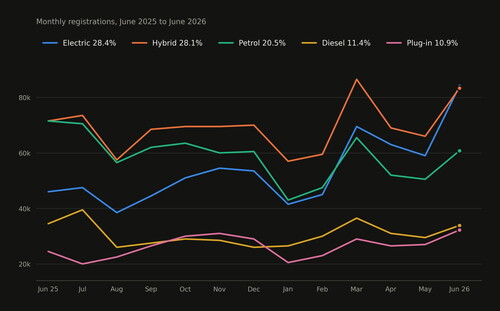
When it comes to drivetrain types, battery-electric cars dominated with 15,536 new registrations in October, leaving virtually no competition. The other drivetrains can be quickly summarised: 89 new diesel cars in October correspond to a market share of 0.6 per cent, while 14 petrol cars account for 0.1 per cent of all new registrations. For completeness, there were also 33 petrol plug-in hybrids (0.2 per cent) and 53 petrol full hybrids (0.3 per cent).
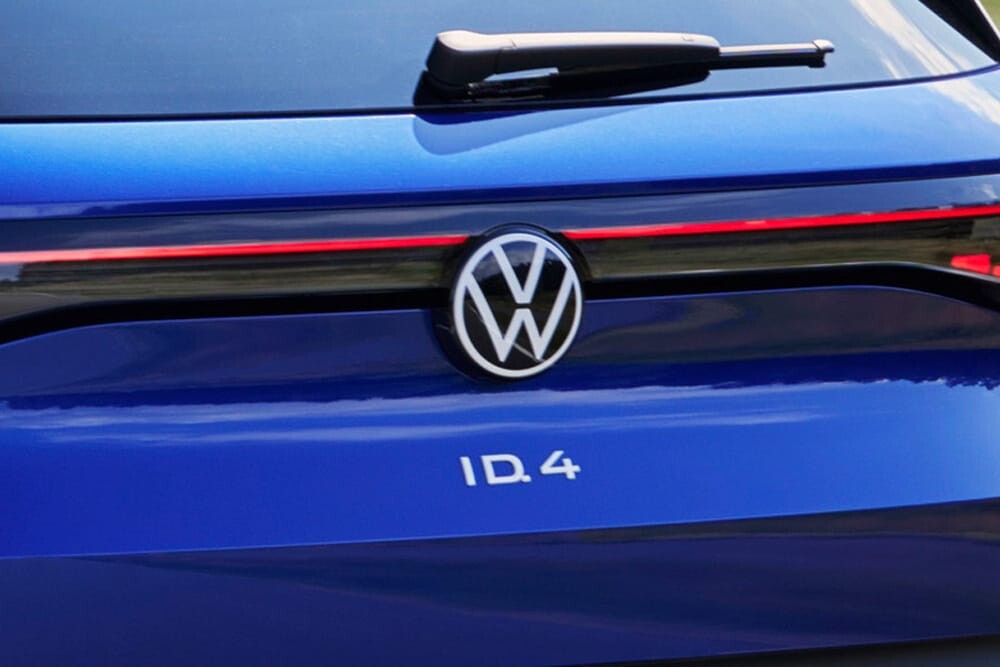
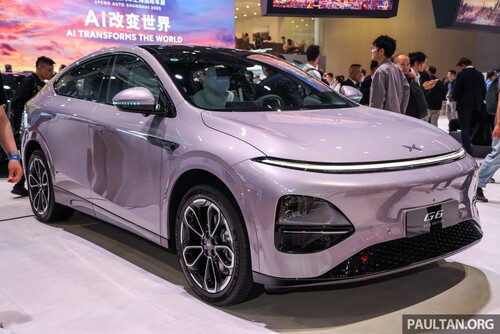
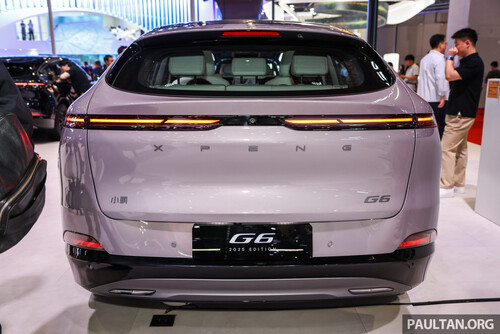
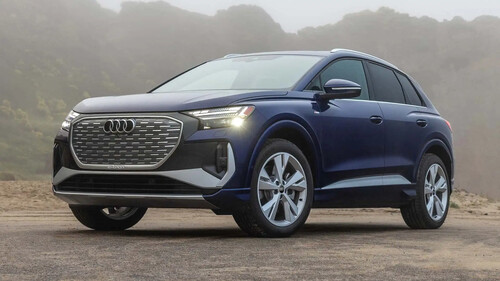
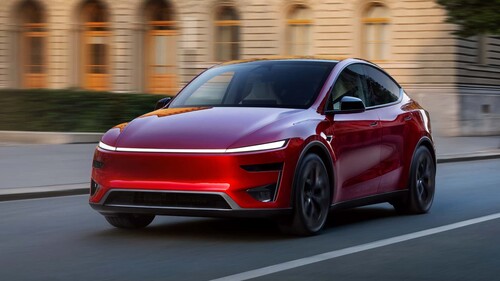
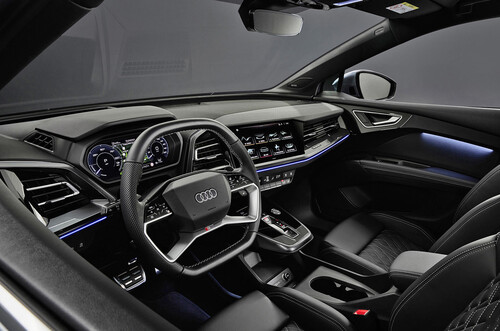
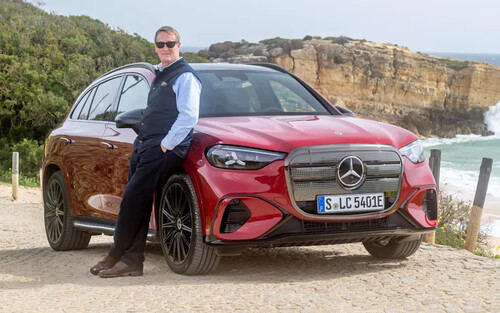
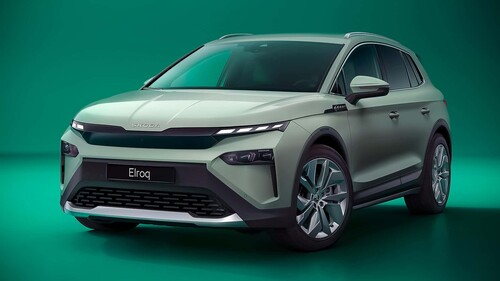
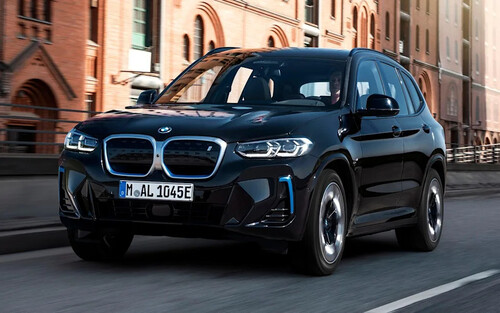
Looking at individual models, the Tesla Model Y once again leads the way – with 1,429 new registrations in October. Behind Tesla, the competitive landscape is more diverse: the Toyota bZ4X secures second place (725 units). Close behind are the VW ID.4 (553), XPeng G6 (542) and Audi Q4 e-tron (535), with the Mercedes-Benz GLC (508) in fifth place. These are followed by the BMW iX3 (446), BYD Evo 4×4 (372) and Toyota Land Cruiser (415). Rounding out the top 10 are the Volvo EX30 (340) and Changan Deepal S05 (338). The following table shows the ranking in detail:
| Place | Model | Quantity | Market share |
|---|---|---|---|
| 1 | Tesla Model Y | 1.429 | 9,09 % |
| 2 | Toyota bZ4X | 725 | 4,61 % |
| 3 | VW ID.4 | 553 | 3,52 % |
| 4 | XPeng G6 | 542 | 3,45 % |
| 5 | Audi Q4 e-tron | 535 | 3,40 % |
| 6 | Mercedes-Benz GLC | 508 | 3,23 % |
| 7 | BMW iX3 | 446 | 2,84 % |
| 8 | BYD EVO 4×4 | 437 | 2,78 % |
| 9 | Toyota Land Cruiser | 415 | 2,64 % |
| 10 | Volvo EX30 | 340 | 2,16 % |
| 11 | Changan Deepal S05 | 338 | 2,15 % |
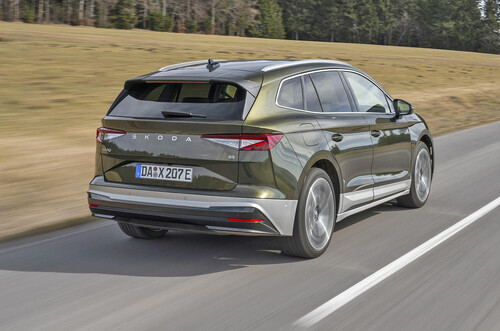
| 12 | Skoda Enyaq | 324 | 2,06 % |
| 13 | BYD Sealion 7 | 310 | 1,97 % |
| 14 | VW ID.7 | 308 | 1,96 % |
| 15 | Volvo EX40 | 308 | 1,96 % |
| 16 | BMW iX1 | 303 | 1,93 % |
| 17 | Skoda Superb | 300 | 1,91 % |
| 18 | Toyota C-HR+ | 299 | 1,90 % |
| 19 | XPeng G9 | 236 | 1,50 % |
| 20 | Suzuki Vitara | 226 | 1,44 % |
| 21 | Zeekr 7GT | 219 | 1,39 % |
| 22 | Smart #5 | 204 | 1,30 % |
| 23 | Audi Q6 | 199 | 1,27 % |
| 24 | Kia EV5 | 177 | 1,13 % |
| 25 | Hyundai Kona | 176 | 1,12 % |
| 26 | Ford Explorer | 172 | 1,09 % |
| 27 | Nissan Altima | 169 | 1,07 % |
| 28 | VW ID.3 | 169 | 1,07 % |
| 29 | VW ID.Polo | 167 | 1,06 % |
| 30 | Subaru Uncharted | 155 | 0,99 % |
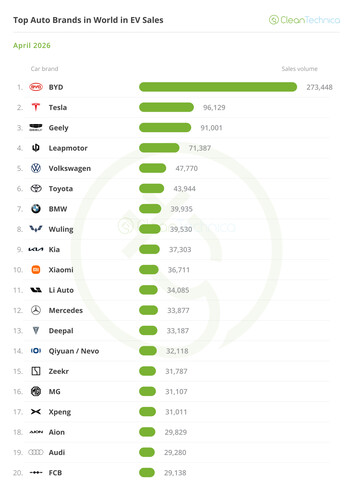
The ranking shows that demand for Chinese electric vehicles in Norway is increasing. “More than one in five new cars in October came from a Chinese brand (22.5 per cent) – the highest share ever achieved in a single month,” confirms the OFV. At the brand level, Tesla remained the most successful manufacturer in October (1,548 units), but only narrowly ahead of Toyota (1,493). Together, these two manufacturers account for nearly 20 per cent of the market share.
ofv.no (in Norwegian)