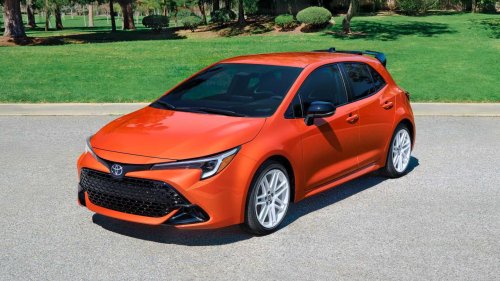
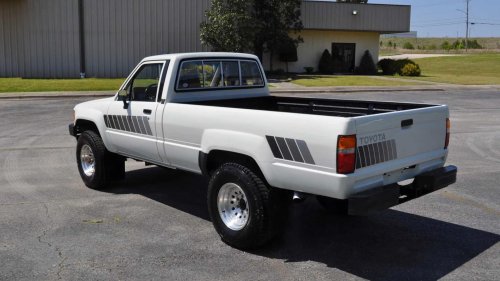
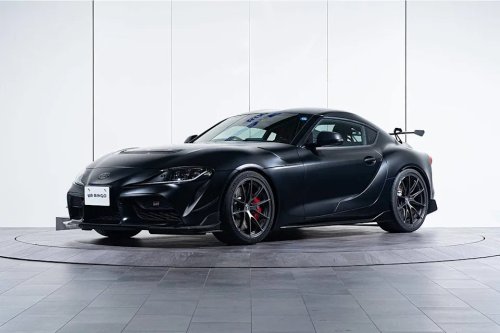
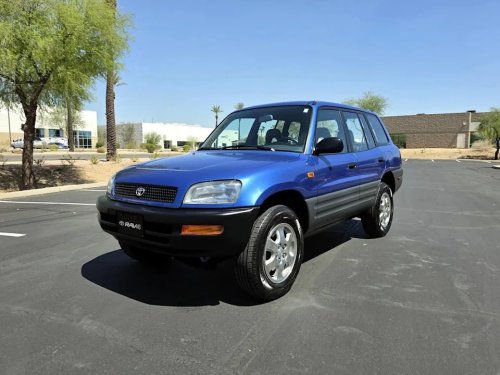
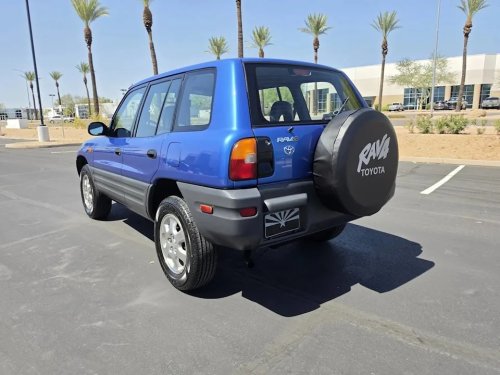
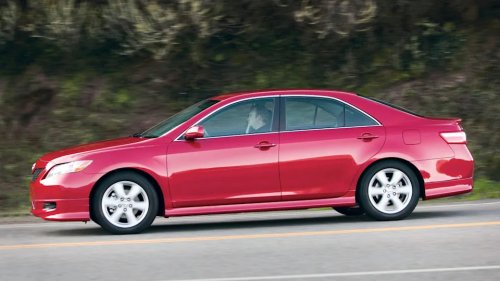
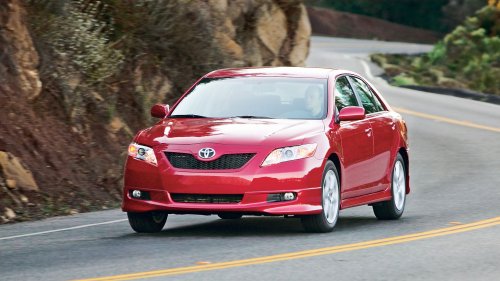
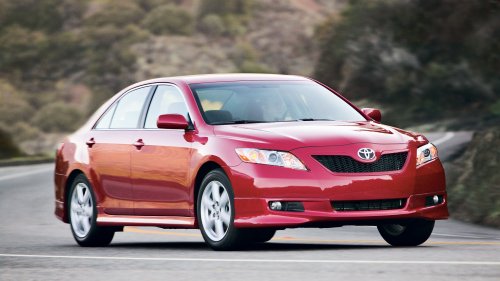
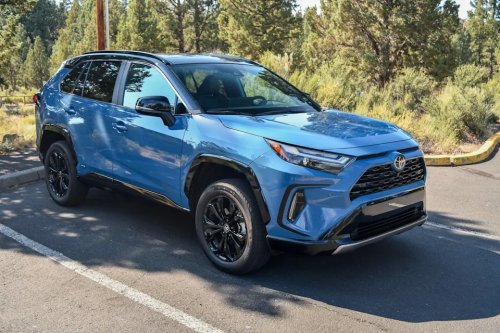
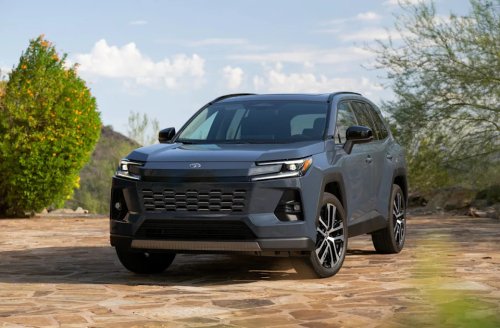
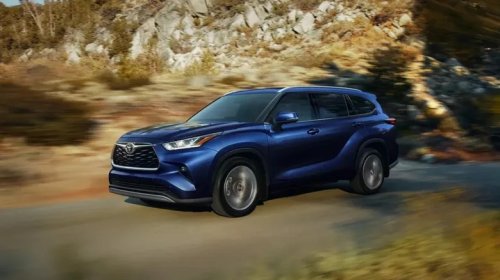
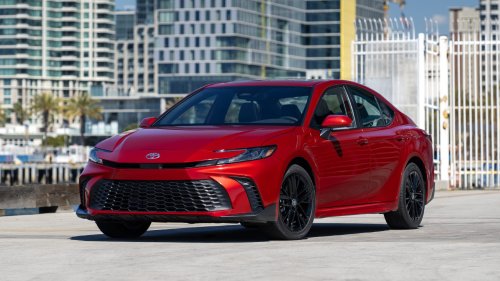
Used Cars Just Hit a Record $32,461 — and Your 'Buy a Toyota, It Holds Value' Advice Just BackfiredBuy a Toyota, the old advice goes. It holds its value. Three generations of car shoppers have heard some version of that line, usually from a parent, a mechanic, or a coworker who swears by their Corolla. It's good advice if you're the one selling. New data from Edmunds suggests it just became a trap for anyone shopping at the bottom of the used market.The Record NumberEdmunds' Q2 2026 Used Vehicle Market Report puts a hard number on something dealers have felt for years: the average price of a three-year-old used vehicle hit $32,461 last quarter, a second-quarter record and 4% higher than a year earlier. Vehicles priced under $20,000 made up just 31.8% of used sales, down from 55.2% in 2019. The sub-$15,000 segment got cut nearly in half. The share of used vehicles selling for $50,000 or more nearly quadrupled over the same stretch.None of that is shocking on its own. Used prices have been climbing for years and everyone who shops for a car already feels it. What's more revealing is what a fixed budget actually buys today versus seven years ago. In 2019, a $10,000-to-$15,000 budget got a shopper a 4.7-year-old vehicle with 58,250 miles on it. Today that same budget buys an 8.7-year-old vehicle with 98,222 miles on the odometer, four more years and nearly 40,000 more miles for identical money. The $15,000-to-$20,000 bracket tells the same story: average age up from 3.4 to 6 years, average mileage up from 41,851 to 71,192.The Twist Buried in Edmunds' Own NumbersThat's the part every outlet covering this report will lead with. Here's the part worth actually sitting with: not every brand aged the same way at the same price, and the reason exposes something the industry almost never says out loud about resale value.AdvertisementAdvertisementEdmunds broke down the 15 most frequently purchased brands in the $15,000-to-$20,000 range and found that identical money buys dramatically different cars depending on the badge. Shop that budget on a Kia and the data says you can drive off in a car that's three years old with fewer than 50,000 miles. Shop the exact same budget on a Toyota and you're looking at a seven-year-old with more than 85,000 miles. Same money. Double the age. Nearly double the mileage.Why Resale Value Cuts Both WaysThat gap isn't really about which brand makes a better car. It's math. A vehicle that depreciates slowly holds a higher price at every age, so a fixed budget can only reach further back into that vehicle's life, into older and higher-mileage examples, to land on the same number. A vehicle that depreciates quickly hits that price while it's still relatively young. Resale value, the thing every brand's marketing department brags about, is a benefit for whoever is selling the car and a penalty for whoever is trying to buy it cheap. Edmunds' own report edges toward admitting as much, noting that conventional wisdom to just buy a used Toyota comes with trade-offs in today's market.The Three-Year CliffThere's a reason Edmunds anchors this entire report to three-year-old vehicles, and it isn't arbitrary. Most mainstream factory warranties run three years or 36,000 miles. A three-year-old used car is, almost by definition, the exact car that's about to become the buyer's financial responsibility for the first time. Pricing that specific vehicle at a record $32,461 means shoppers are paying more than ever for a car at the precise moment its safety net runs out.It gets worse further down the price ladder. Many manufacturer-backed certified pre-owned programs cut off around six years old or somewhere near 80,000 to 100,000 miles, something we've broken down in detail before. The average vehicle in Edmunds' $15,000-to-$20,000 bracket is now six years old with 71,192 miles on it. That's not comfortably inside certified pre-owned territory anymore. It's sitting right on the edge of it. Buyers who can least afford a surprise repair bill are increasingly shopping for cars that are aging out of the one program built to protect them from a surprise repair bill.The Cheapest Cars Are Also the Fastest-Selling CarsHere's the detail that should worry anyone tempted to write this off as shoppers simply wanting nicer used cars. Vehicles priced between $5,000 and $10,000, the oldest and highest-mileage cars Edmunds tracks, averaging 10.7 years old and well past 120,000 miles, sold in just 25 days on average. That's the fastest turnover of any price bracket in the report. Vehicles over $50,000 sat for 44 days. The roughest, cheapest cars in the used market are moving almost twice as fast as the most expensive ones. That isn't a market with plenty of options at the bottom. That's a market with a real shortage of basic, functioning transportation, and buyers with no cushion to wait for a better deal.Who Actually Pays For ThisFor a dealer, old, cheap inventory that sells itself inside a month is close to the best trade in the building, assuming there's enough of it to stock. For lenders and insurers, it's a different problem. Auto loans are increasingly being written against collateral that's older and higher-mileage than it was even two years ago, at a moment when more than half of used-car buyers are already underwater the day they sign the paperwork. Older, higher-mileage cars cost more to insure and more to fix, right as the buyers financing them have the least room in their budget to absorb it.AdvertisementAdvertisementThere's a forward-looking piece to this too. A used car for sale today began as a new-car decision made roughly three years earlier: whether to lease it, how many to send to rental fleets, how many trims to keep in production. We've covered how automakers quietly discontinued the cheap trims that used to feed this part of the market, and how the 2021 chip shortage is still sending invoices through the used market five years later. Any policy that raises the cost or slows the pace of new-vehicle production now, tariffs included, tightens that same three-year pipeline. Whatever gets decided about new cars this year is quietly writing the receipt for 2029.None of this means Toyota, or any strong-resale brand, builds a bad car. It means the old advice needs an asterisk it never used to need. Buy a Toyota, it holds its value, made perfect sense when you were the one selling it three years later. Nobody mentioned what that advice costs the person buying it from you.That's the sentence worth remembering the next time a used-car pricing report leads the news. A strong resale value was always marketed as a reward for the owner. Right now, at the bottom of the market, it's being collected as a toll from whoever has the least money to pay it.Join our Newsletter, follow our Instagram page, and connect with us on Facebook.



















 +66 others