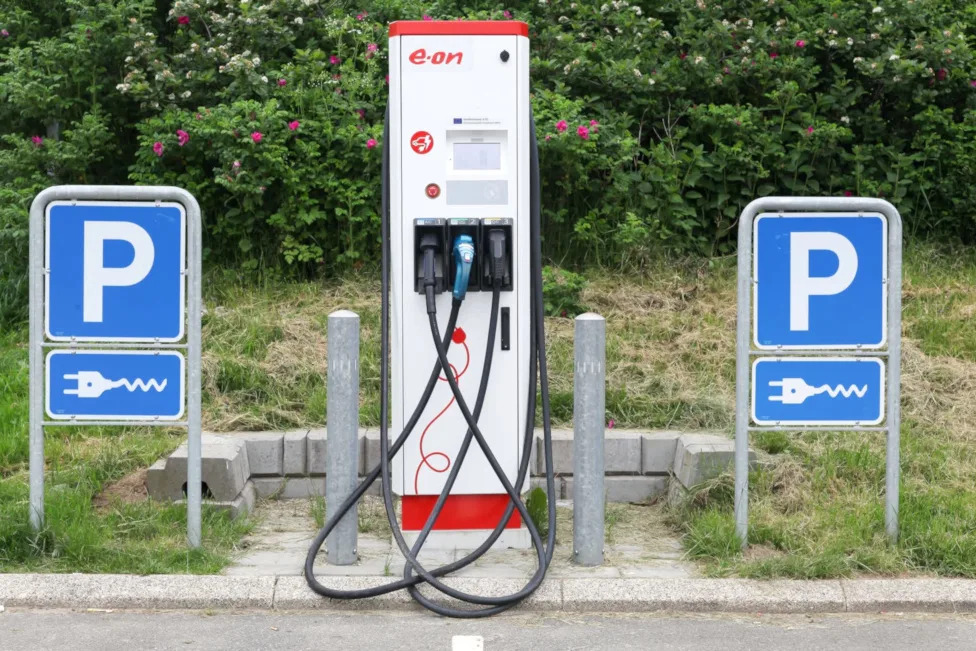
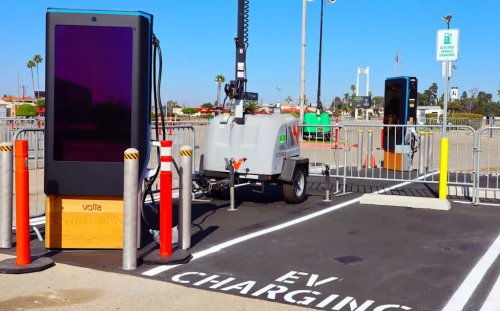
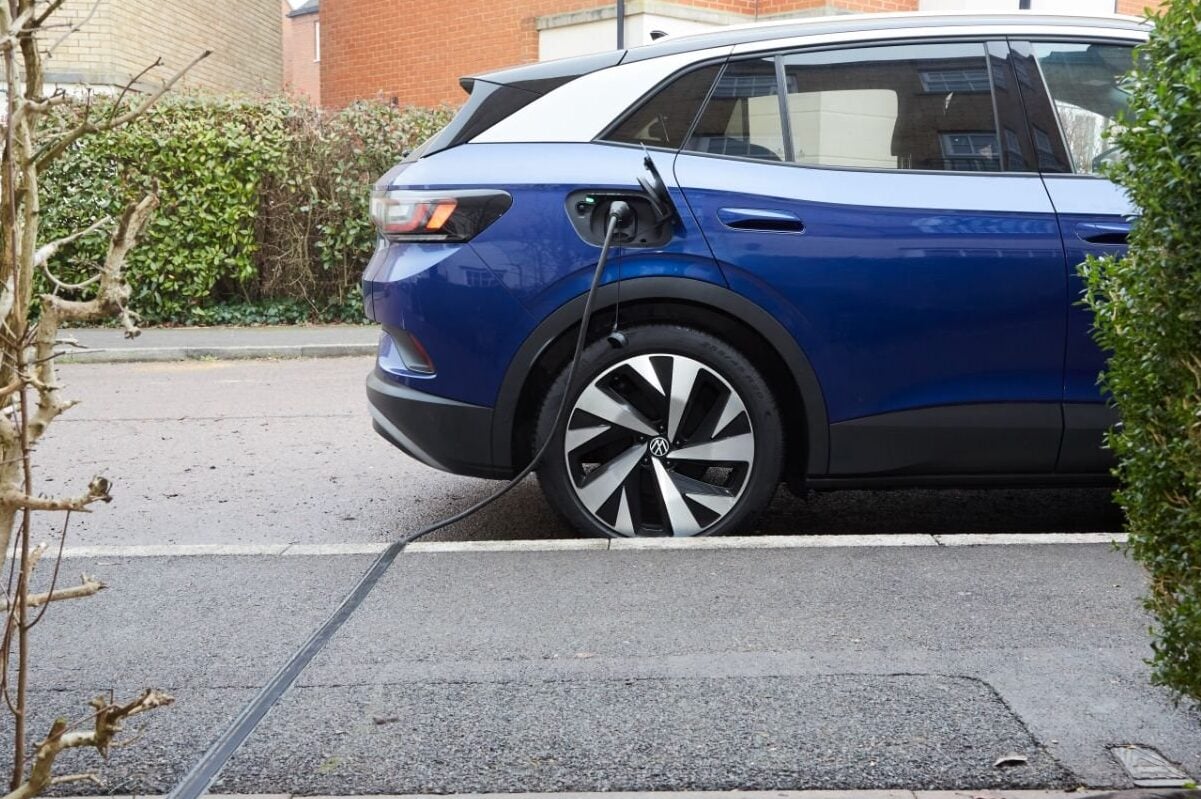
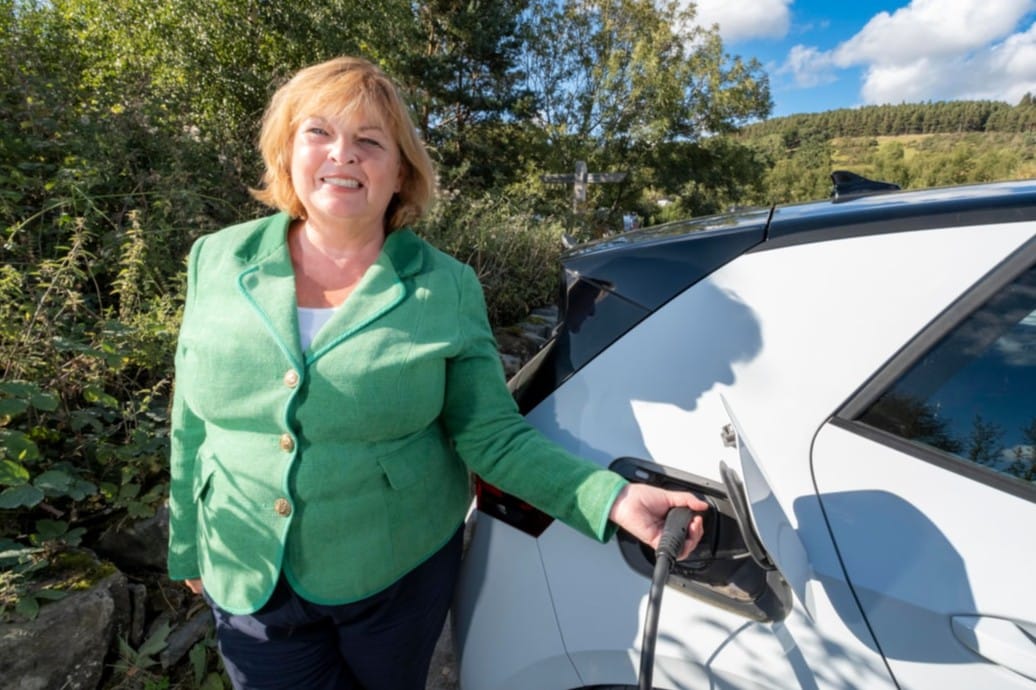
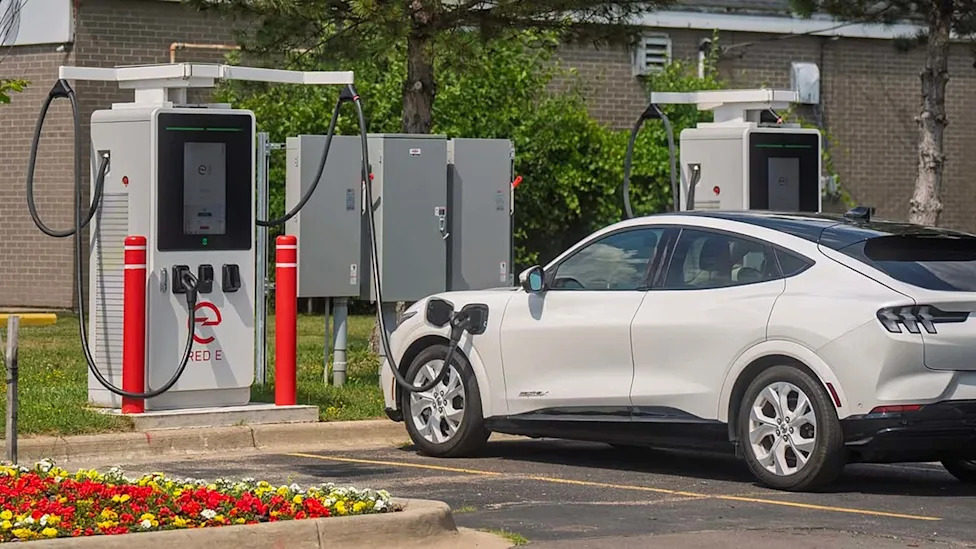
Image: Kerbo ChargeAs part of a wider plan to ‘break the influence of gas’ on UK energy prices, the Department for Transport this week announced new legislation which could make it much easier for EV drivers to install cross-pavement chargers.The proposals would effectively allow motorists to run charging cables through a ‘gully’ built into the pavement outside their home. Crucially, they would be able to do this without the need for planning permission, meaning that EV owners could install their own home chargers under permitted development laws.This follows consultations announced last year regarding planning regulations for cross-pavement charging. Current laws mean that schemes like the government’s Pavement Channels Grant, which aims to help local authorities support residents, require applicants to obtain planning permission before they are eligible for funding. Bringing cross-pavement charging gullies under permitted development would therefore streamline local authorities’ ability to distribute those grant funds.Additionally, the government said it plans to launch a consultation on ‘changes to building regulations and wider plans to improve the ability to charge’, saying: “This will look to increase EV charging provision in new buildings and those undergoing major renovations, as well as give renters and leaseholders greater access to charging by making it easier to request and install charge points.” However, details on this remain scant.All of this is linked to broader policy efforts to transition the UK away from an overreliance on imported gas which has left the UK more exposed to economic shocks from the ongoing conflicts in Iran and Ukraine than many other countries. Energy Secretary Ed Miliband said: “As we face the second fossil fuel shock in less than 5 years, the lesson for our country is clear: The era of fossil fuel security is over, and the era of clean energy security must come of age. That’s why we’re doubling down on clean power, to give our country energy security and bring down bills for good.”As a result, the government said it “plans to make it easier for people to switch to cheaper electric transport and heating, by making EV chargers, solar panels and heat pumps easier to install for renters, flat-dwellers, and households without a driveway”.Confusingly, though, this announcement arrived on the exact same day that the government tax authority, HMRC, confirmed plans to appeal a ruling which would reduce VAT on public EV charging from 20 to 5 per cent.Currently, EV drivers using a home charger pay a VAT rate of 5 per cent for the electricity they use charging, while those on public chargers are forced to pay the full 20 per cent. At a February tribunal, community charge point operator Charge My Street successfully argued against this higher rate, arguing that it unfairly penalised EV drivers who lack off-street parking. The ruling would therefore significantly cut costs for those using public chargers versus those using home chargers.However, with HMRC now set to appeal the ruling, it highlights a contradictory approach by the government to encouraging EV adoption among drivers without off-street parking. If the current government is serious about its ‘double down, not back down’ approach to EV adoption, it has a tough choice to make: between short-term tax revenues, or a comprehensive long-term charging strategy. Until that choice is made, both consumers and the industry will continue to pay a price.gov.uk





































![Auto China 2026, From 220,000 to 380,000 Sq M: Three Major Transformations at Auto China 2026 [Includes Floor Plans]](https://cdn.topcarnews.net/thumb/id/aHR0cHM6Ly9pbWFnZWNuLmdhc2dvby5j-b20vbW9ibG9nby9OZXdzL1VFZGl0b3Iv-MTY0MC1YLzIwMjYwNDE5LzYzOTEyMjAx-MjUxMjE3MjQ2MDgwMTczNTAucG5n/90b22d4e60fbb98530ae89ccb40e796a.png?t=20261004&post_id=17718)
![Auto China 2026, From 220,000 to 380,000 Sq M: Three Major Transformations at Auto China 2026 [Includes Floor Plans]](https://cdn.topcarnews.net/thumb/id/aHR0cHM6Ly9pbWFnZWNuLmdhc2dvby5j-b20vbW9ibG9nby9OZXdzL1VFZGl0b3Iv-MTY0MC1YLzIwMjYwNDE5LzYzOTEyMjAx-MzIwNjA1NDI1NjEzMjI4OTcuanBn/be17efed60ab1332ac73ccb6a6b16a6d.jpg?t=20261004&post_id=17718)
![Auto China 2026, From 220,000 to 380,000 Sq M: Three Major Transformations at Auto China 2026 [Includes Floor Plans]](https://cdn.topcarnews.net/thumb/id/aHR0cHM6Ly9pbWFnZWNuLmdhc2dvby5j-b20vbW9ibG9nby9OZXdzL1VFZGl0b3Iv-MTY0MC1YLzIwMjYwNDE5LzYzOTEyMjAx-MzIxMTk5MzMwOTQyMDg2MjcuanBn/704c9c981efac8c574843bddb5f0a1e5.jpg?t=20261004&post_id=17718)
![Auto China 2026, From 220,000 to 380,000 Sq M: Three Major Transformations at Auto China 2026 [Includes Floor Plans]](https://cdn.topcarnews.net/thumb/id/aHR0cHM6Ly9pbWFnZWNuLmdhc2dvby5j-b20vbW9ibG9nby9OZXdzL1VFZGl0b3Iv-MTY0MC1YLzIwMjYwNDE5LzYzOTEyMjAx-MzIxMTgzNjY0MzU2ODEyMDkuanBn/d3463a464319f5d82b41149db1bf4a9f.jpg?t=20261004&post_id=17718)
![Auto China 2026, From 220,000 to 380,000 Sq M: Three Major Transformations at Auto China 2026 [Includes Floor Plans]](https://cdn.topcarnews.net/thumb/id/aHR0cHM6Ly9pbWFnZWNuLmdhc2dvby5j-b20vbW9ibG9nby9OZXdzL1VFZGl0b3Iv-MTY0MC1YLzIwMjYwNDE5LzYzOTEyMjAx-MzIxMjkyODYzODUxODA0NDIuanBn/640f0b4633deb64641f7d96cd8d0ecd6.jpg?t=20261004&post_id=17718)
![Auto China 2026, From 220,000 to 380,000 Sq M: Three Major Transformations at Auto China 2026 [Includes Floor Plans]](https://cdn.topcarnews.net/thumb/id/aHR0cHM6Ly9pbWFnZWNuLmdhc2dvby5j-b20vbW9ibG9nby9OZXdzL1VFZGl0b3Iv-MTY0MC1YLzIwMjYwNDE5LzYzOTEyMjAx-MzIyNDEwMDUxOTI3MzY3NDkuanBn/c738c506ae70b3d5bc3e1dcbe66e424d.jpg?t=20261004&post_id=17718)