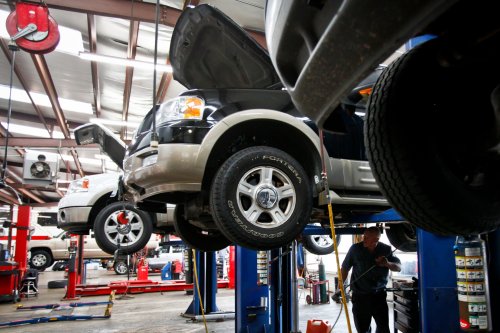
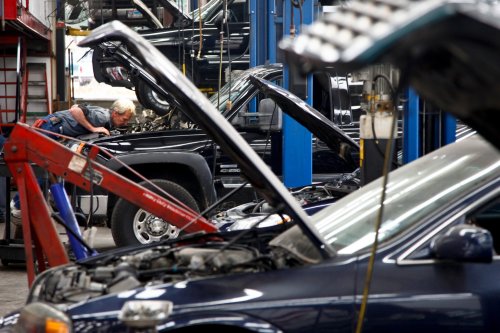
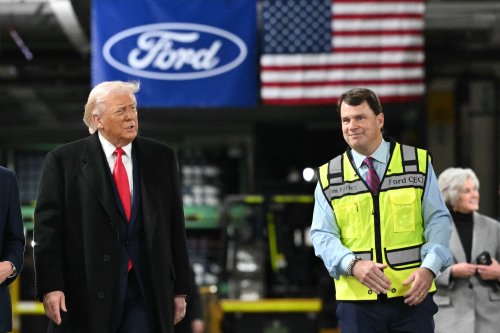
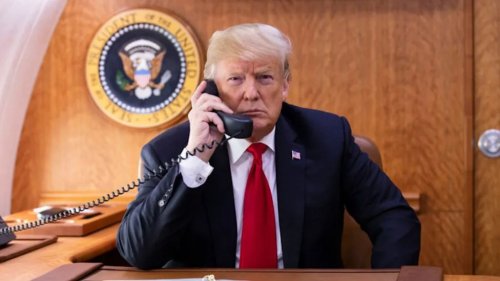
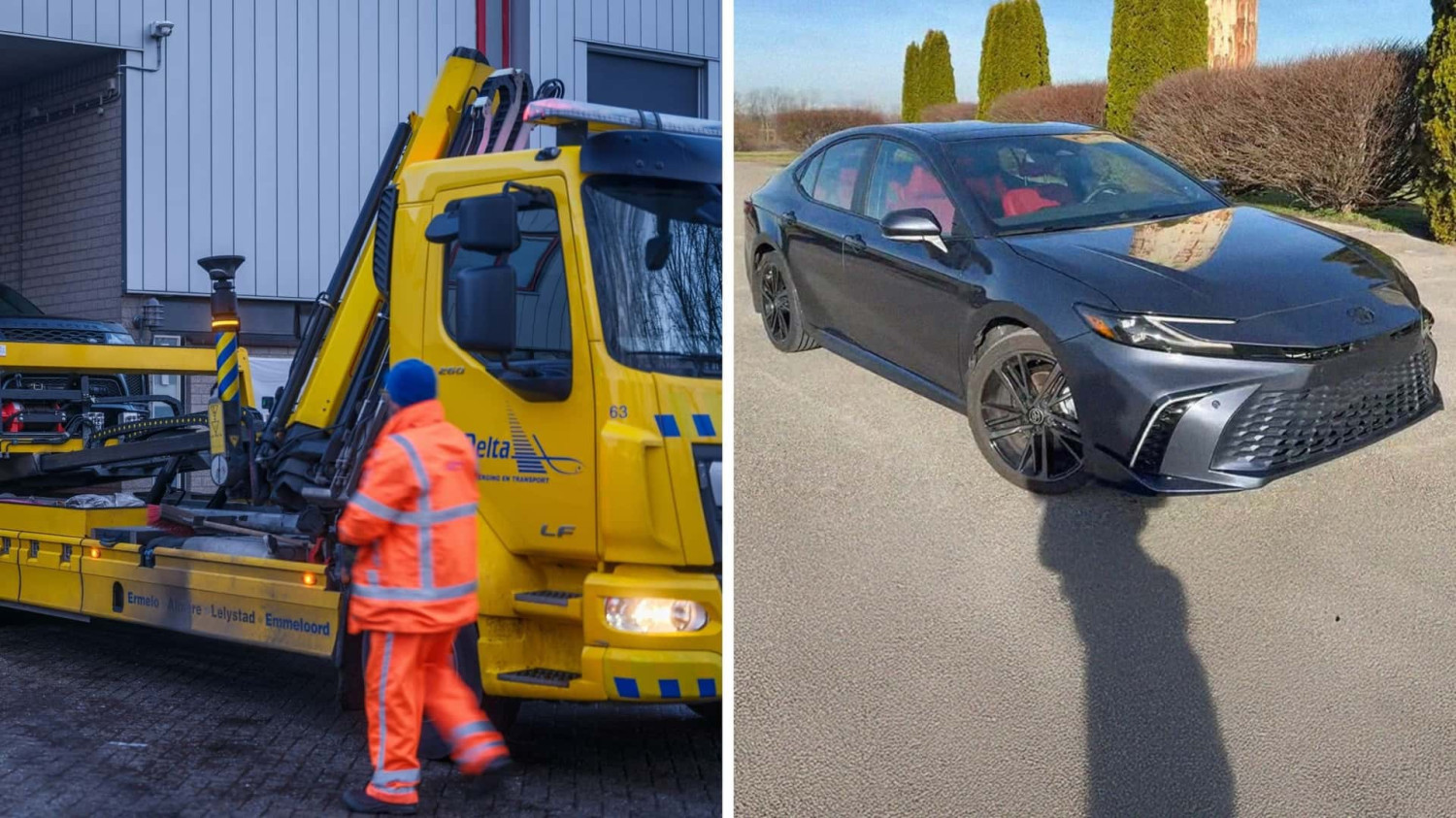
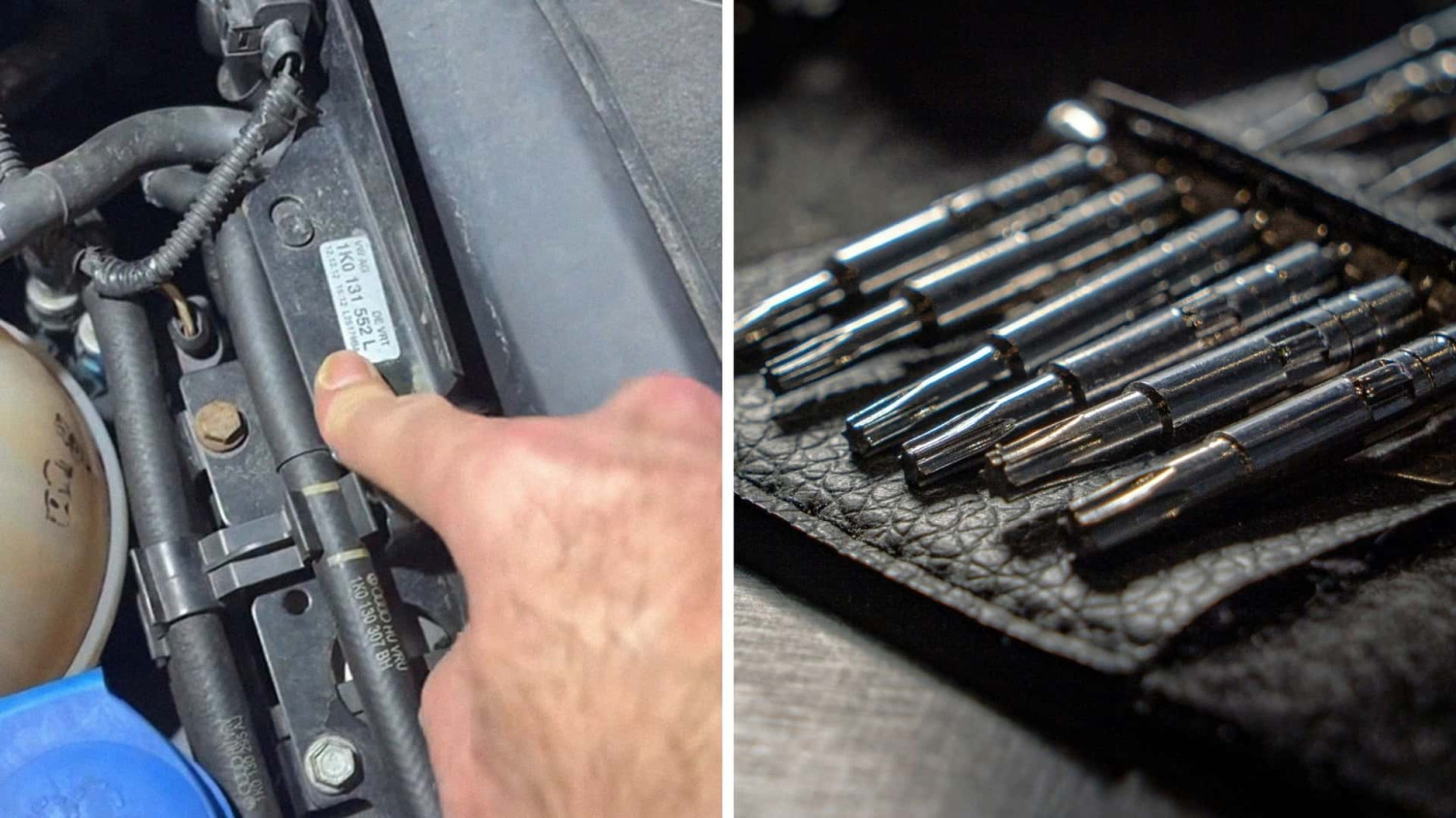
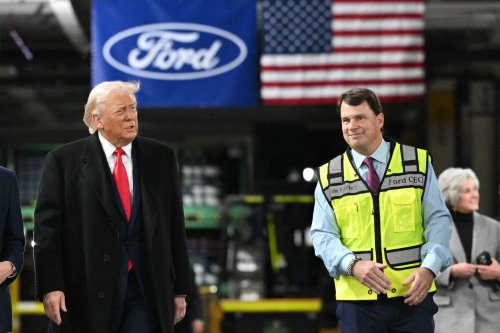
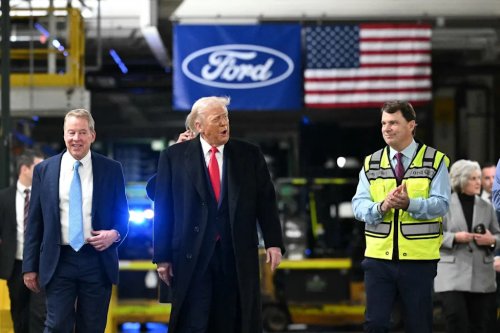
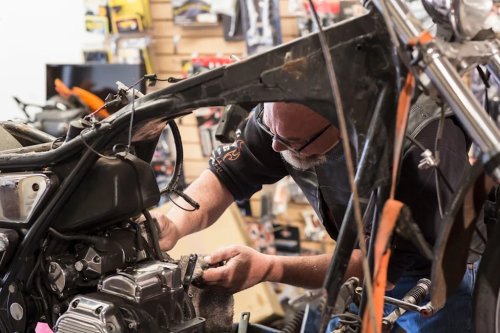
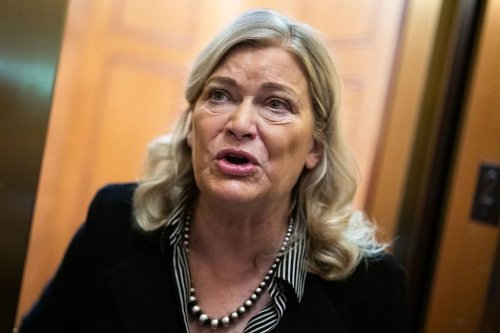
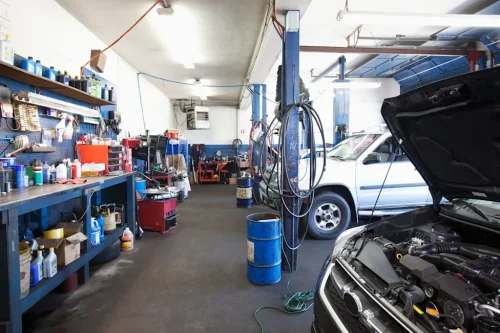
The Right-to-Repair Battle Comes for Your CarMANDEL NGAN - Getty ImagesWhen Presidents have private meetings with industry executives, the tendency is to keep the details on the down low. But Donald Trump isn't built that way. He had a meeting with representatives from Ford and GM that also included industry heavyweight Roger Penske. Their message to Trump, apparently, was that he veto or speak out against any right-to-repair legislation that came across his desk.And a bill could land there soon. The bipartisan REPAIR Act (H.R. 1566/S. 1379) has the support of 85 percent of Trump voters, as well as 86 percent of Democratic voters. The numbers are even higher if you ask people if they should be able to choose their own repair shop (99 percent agree) or have access to their own vehicle data (88 percent).The thrust of the REPAIR Act is that independent garages and home mechanics should have dealer-level access to the critical performance data produced by today's connected automobiles. Automakers want to keep that state-of-the-car information for themselves, especially since so much of their money is made via the service bays—up to 50 percent of gross profit. Automakers advanced their own bill.AdvertisementAdvertisementThe Auto Care Association (ACA), which supports REPAIR, pinpoints what's at stake. "Access to vehicle maintenance and repair data is under threat from vehicle manufacturers," ACA said. "Historically, OBD-2 ports have granted vehicle owners and technicians access to vehicle data to assist with maintenance and repair. However, in the digital age of the modern vehicle, maintenance and repair data is now transmitted wirelessly and sent directly and only to vehicle manufacturers."Independent shops—and home mechanics—want access to the repair data generated by new cars.Marc Romanelli - Getty ImagesAccording to McKinsey, 50 percent of cars in 2021 had this wireless transmission capacity, and by 2030 95 percent globally will be so equipped.The industry is lobbying heavily against REPAIR, claiming among other things that consumers and the independent shops are already protected by a 2014 voluntary memorandum (reaffirmed in 2023) in which the major companies agreed to share diagnostic and repair information with them. But the agreement is non-binding and not enforceable.Trump spilled the beans during an unrelated June 4 Oval Office meeting on one of his pet topics—preserving coal-fired power plants. He referenced the earlier meeting with the automakers and said, "They don't want people to fix their car[s]," Trump said, according to the Detroit Free Press. "I said, 'that's strange. I'd never heard of that.'"AdvertisementAdvertisementTrump has some fixed ideas on this topic. At the June 4 meeting, he claimed, "They gave a man seven years in jail, actually, because he fixed his own car. I mean they have, the Democrats, a restriction that if you get caught fixing your tractor, they'll bring you to jail… I pardoned a man last week who was sentenced to seven years in jail because he got caught fixing his car or his truck."Trump was apparently referring to Wyoming-based diesel mechanic Troy Lake, who pleaded guilty to violating the Clean Air Act by disconnecting emissions system on hundreds of large trucks. Trump pardoned Lake in late 2025. Senator Cynthia Lummis (R-WY) praised the action, claiming Lake was "the victim of a weaponized Biden Justice Department that targeted him simply for keeping diesel engines in school buses, ambulances, and fire trucks running in our tough western weather." Lummis introduced the Diesel Truck Liberation Act in response. The sweeping bill would, according to Lummis, "remove EPA authority to enforce Clean Air Act requirements related to vehicle emissions controls." In other words, take us back to the smog-heavy '50s.Wyoming Senator Cynthia Lummis want to remove EPA oversight of vehicle engine emissions.Tom Williams - Getty ImagesThe President's description is a through-the-looking-glass version of Lake's case. He served only seven months of what was a one-year (not seven-year) sentence.The US Attorney's office for the District of Colorado said in late 2024 that Lake and his company, Elite Diesel Service, had told employees "to disable the computerized on-board diagnostics [OBD] systems on at least 344 commercial heavy-duty trucks."AdvertisementAdvertisementThe tampering did not have a trivial effect. According to the US Attorney's office, "A study of the effects of tampering with these 344 trucks showed that the conspirators in this case collectively caused an illegal increase in pollutants of at least 1,300 tons of excess nitrogen oxides, 30 tons of excess non-methane hydrocarbons, 600 tons of excess carbon monoxide, and 30 tons of excess particulate matter."That Wyoming case had nothing to do with the REPAIR Act, of course, but it connected for Trump. Meanwhile, the industry, struggling to stay on message, was quick to defend its position. In the pages of the Detroit Free Press June 10, Ford CEO Jim Farley was asked, "You don't want people repairing their own vehicles?"Farley, who'd likely met with the Ford PR team, was ready with an answer. "No, that's fine, not for warranty work, though. These are very complicated cars and we don't think that's safe, for many of the repairs on our vehicles, someone at home like myself could never do it. I have no problems working on a'73 Bronco, but to work on a brand-new Bronco? I need all sorts of specialty tools. That's something that, um, you know, we would put people's lives at risk."In fact, that very much sounds like the industry's position is as Trump said, "They don't want people to fix their car(s)," nor do they want mom-and-pop garages getting business. Independent shops actually invest in many of those specialized tools Farley mentioned. What they can lack access to is time-saving information given off by the car pointing to what part needs to be fixed or replaced. And there's quite a few jobs that even shade-tree mechanics can undertake safely on their new Broncos.Jetta Productions Inc - Getty ImagesACA says, "While access to this data could provide many benefits to vehicle owners, currently the data is sent only to the vehicle manufacturer who then serves as a gatekeeper for the data, determining who can have access and at what cost." It's not hard to see why the automakers want to preserve their special status, which can even allow dealers to tell a car owner that a part is going to fail down the road. But, no problem, they can fix it—at the dealership.AdvertisementAdvertisementWhy was industry figure Roger Penske, who doesn't work for an automaker, at that meeting? His Penske Automotive Group operates more than 350 automotive retail and service locations. Penske Transportation Solutions manages a fleet of over 400,000 trucks, tractors and trailers. That's why.


















 +68 others