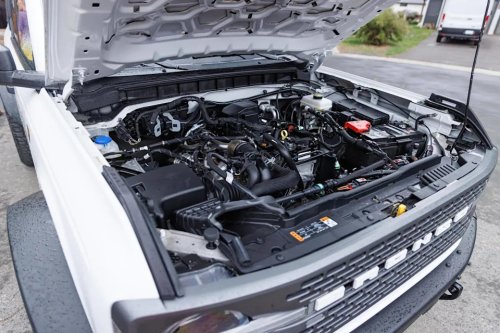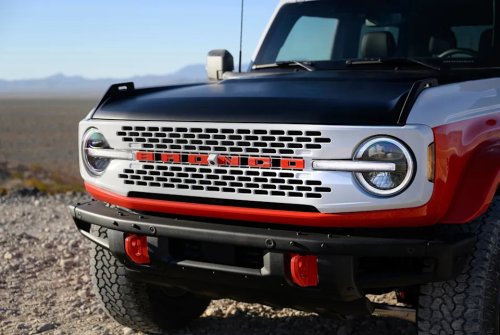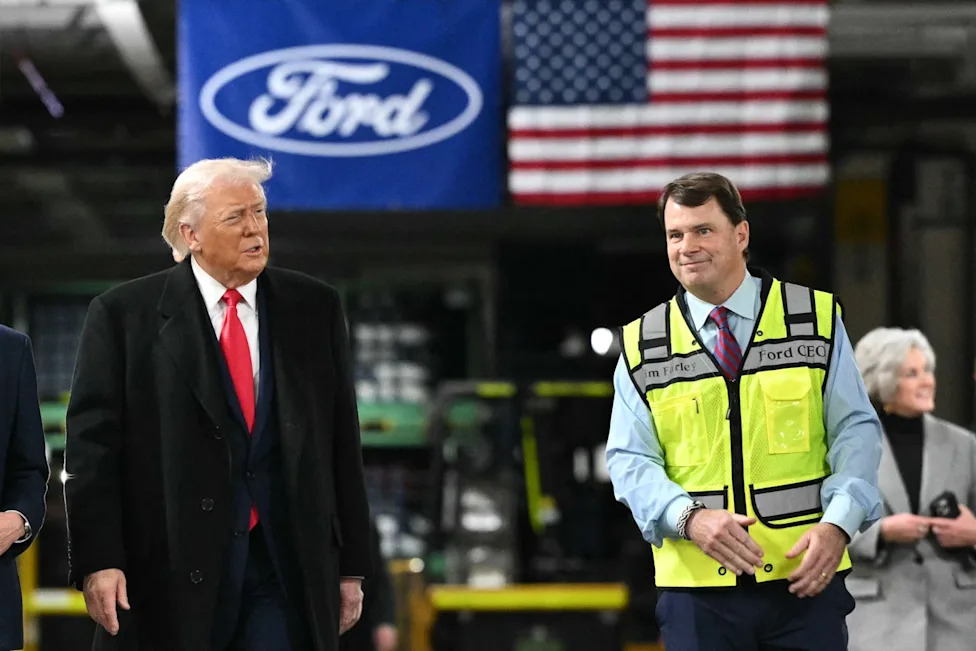
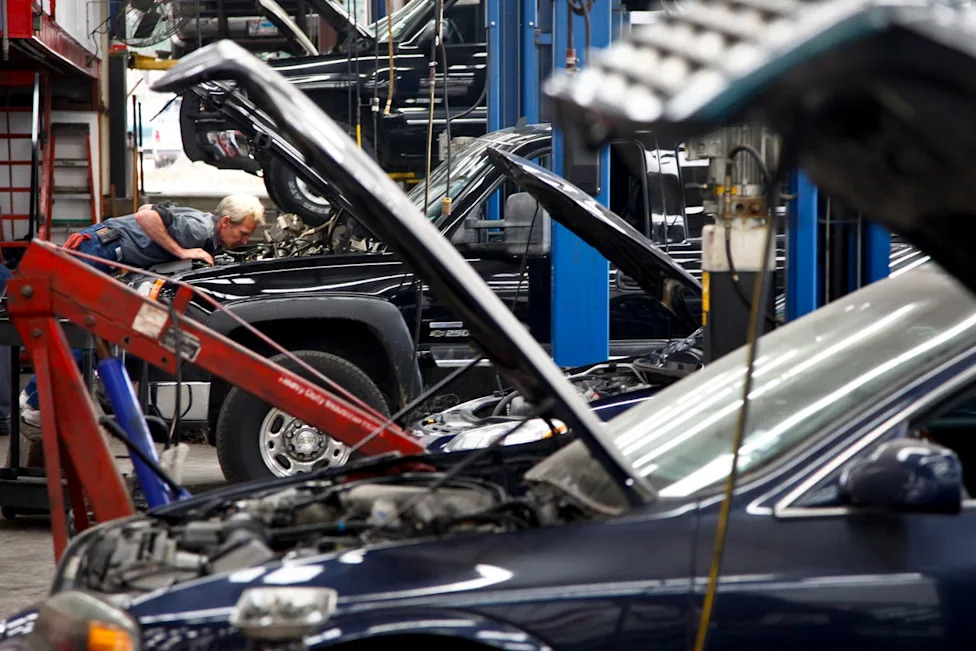
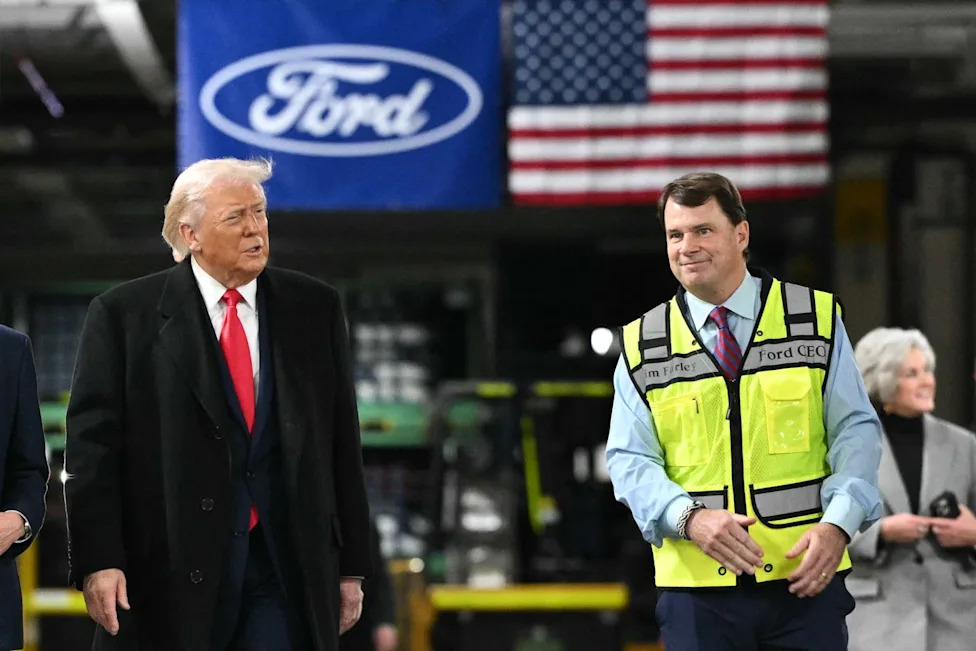



















Farley Clarifies Ford Position on Right to Repair MANDEL NGAN - Getty Images (MANDEL NGAN - Getty Images)The fight surrounding "Right to Repair" regulations has been catapulted to the forefront of the automotive world once again following a recent meeting between President Donald Trump and auto industry executives. Specifically, the president publicly stated that General Motors and Ford desired to limit consumers from working on or repairing their own vehicles in a statement following the meeting. Ford CEO Jim Farley has now officially clarified his position on the matter following a week of less-than positive sentiments from owners and buyers alike.The uproar from consumers began following a June 3 meeting between Trump Administration officials and senior members of the auto industry. The president was quick to describe the meeting itself as "great", but made it clear he did not share the same opinion on vehicle repairs as the business leaders."We had the auto industry in yesterday," Trump said, according to a report from the Detroit Free Press. "They don't want people to fix their car. I said, 'That's strange. I'd never heard of that.' They have a thing to … Nobody's allowed to fix their car, they gave a man seven years in jail actually because he fixed his own car. So I thought we'd do something about that. But we'll get it all straightened away."Houston Chronicle/Hearst Newspapers - Getty Images (Houston Chronicle/Hearst Newspapers - Getty Images)It remains unclear what case the president was referring to when it comes to an individual serving jail time for repairing their own vehicle. There are no known cases in the United States in which an individual has been criminally punished for repairing their own vehicle or equipment, though unlicensed businesses performing scam repairs are a different matter entirely.AdvertisementAdvertisement"You believe it?" Trump continued. "They want a bill that prohibits people from fixing ... so if you're mechanically inclined ... you know, I grew up, I went to school with some guys, they were in some cases horrible students, but they could fix an engine blindfolded. They could take a car apart blindfolded. But they weren't too good at arithmetic and other things. But they were great, and so there's a move on to stop people from fixing their cars."Consumers were naturally aghast by the sentiment explained by Trump, as rules pertaining to an individual's right to repair their own car are not currently codified into law. With vehicle prices already reaching record highs, it's easy to understand why buyers wouldn't want to be locked into the expensive dealer service network.In response, Ford CEO Farley didn't outright say that he supports this move, but he chose his language very carefully in a statement to the Detroit Free Press. "Ford's position is very reasonable, really," said Farley. "We're a big advocate for the ability to repair a vehicle, but it has to be done at a reasonable cost." The CEO also said that he isn't opposed to people working on their own cars, but specified that he doesn't believe it's appropriate when it comes to warranty work, owing to broad safety concerns.MANDEL NGAN - Getty Images (MANDEL NGAN - Getty Images)It's important to note that not all items replaced under a factory warranty are necessarily a safety risk; take prematurely worn interior trim pieces or a faulty dust cover, for example. The National Highway Traffic Safety Administration's (NHTSA) recall programs, meanwhile, are specifically tied to components that pose a potential risk to consumers.AdvertisementAdvertisement"Someone at home like myself could never do it," added Farley. " I mean, I have no problem working on a 1973 Bronco, but to work on a brand-new Bronco? I need all sorts of specialty tools. That's something that would put people's lives at risk."Ford recently kicked off a new ad campaign related to its efforts surrounding service and repair work for older vehicles in the fleet. Given that most vehicles in the United States are over a decade old at this point, that in itself is an understandable move. However, all of this comes at a time when dealer service centers have seen a significant decline in customer visits; according to Freep, only 29 percent of owners take their vehicle to dealer service centers for repairs, down from 33 percent eight years ago. At the same time, the number of independent repair shops in the States has grown from 266,000 to 300,000. That decline represents a real drop in revenue for dealers, which in turn creates pressure on the automakers. Here's hoping that Congress can actually move some of the Right to Repair legislation currently stuck in limbo onto the president's desk in the near future.You Might Also LikeIf You Can Only Own One Car, Make It One of TheseThese Are the Most Popular Cars by State