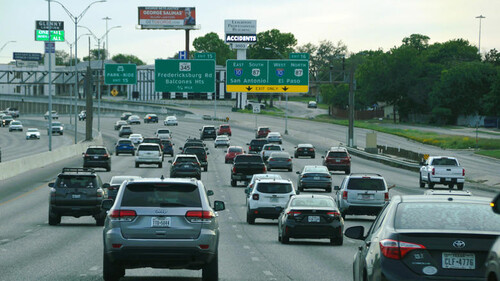
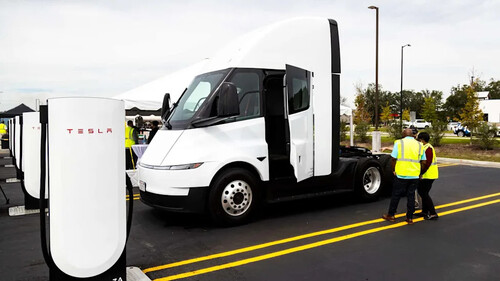
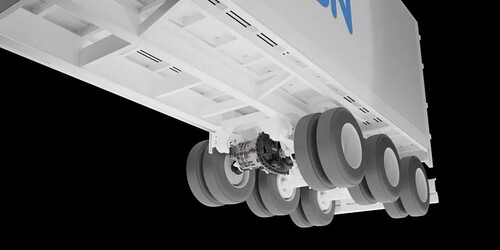
Liam Smith · 3 months ago@liamsmith45Truckers In This State Can Finally Hit 80 MPH on the Interstate, But Don't Expect Everyone to Floor It Liked by+29 othersPost commentRelated Posts'That Fire Saved Him:' Florida Man Buys 2025 Land Rover Defender. Then His Gas Tank Explodes on the Interstate 87 · Jackson Turner · 1 years agoTesla Is Building Megachargers For Semis Where Truckers Already StopEvan Wright · 10 days agoTesla Semi DRIVES like a dream? A veteran trucker’s honest review 83 · Sophie Leblanc · 18 days agoTexas Declares 'Statewide Disaster' Over Diesel Prices, Allows Truckers To Fill Up With Home Heating Oil 83 · Nicole Pelletier · 18 days agoGas And Diesel Truckers Can Now Work 16 Hours A Day So We Can Have 'Cheaper' Gas 41 · Nathan Morgan · 1 months agoWatch a Trucker Pump $1,000 in Diesel Fuel Without Filling the Tank 15 · Jenna Nelson · 1 months agoNational Truck Driver Appreciation Week: Veteran trucker shares tips to help drivers stay safe around big rigs 11 · Caleb White · 1 months agoWhy Do Truckers Hit Their Tires? Tire Thumping, Explained 26 · Audrey Girard · 1 months agoViral Dashcam Catches a Trucker Blocking Every Car on the Highway Until it Ends in Tears 52 · Adam Lee · 2 months agoMusk says Tesla Semi self-driving is a year away, so truckers are safe 11 · Grace Bouchard · 2 months agoTrucker Salute: A Look At The Iconic Gesture That Gets A Driver To Honk Their Horn 87 · Carter Gagnon · 3 months agoAfter 70 Years On The Road, This Could Be The Oldest Trucker In The World 58 · Charlotte Nelson · 3 months agoI've been a trucker for nearly 5 decades. AI made the job safer, but autonomous trucks still need to prove themselves. 58 · Victoria Bouchard · 3 months agoVE Motion electric trailer axles cut truckers' diesel fuel bills in HALF 39 · Ava Turner · 3 months agoRand McNally Releases 2027 Trucker Map 21 · Mason Bouchard · 4 months agoMedical Marijuana Is Off Limits To Truckers And Pilots Despite Trump Administration's Reclassification 11 · Lucas Wright · 4 months agoAI Is Coming For Truckers’ Jobs, But At Least Americans Keep The Screen Jobs 23 · Leo Mitchell · 4 months agoFeds Finally Considering Treating Truckers Like Humans, Guarantee Permission To Use Bathrooms 38 · Charlotte Green · 4 months agoLive Out Your Trucker Fantasy with U-Haul's New 44-Foot-Long Peterbilt Box Truck 16 · Camille Martin · 5 months agoHow many miles can you expect from the average semi-truck engine? Here's what truckers say 86 · Owen Clark · 5 months ago


 +29 others+29 others
 +29 others












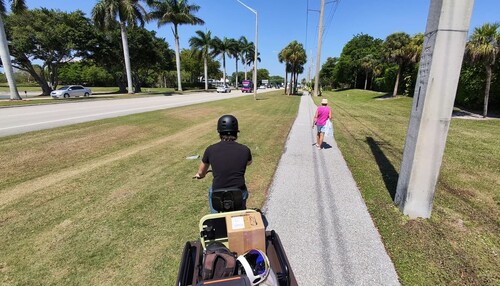
![Why another US state is preparing a 10 mph e-bike speed limit [Update]](https://cdn.topcarnews.net/en/6517/thumb/id/aHR0cHM6Ly9pMC53cC5jb20vZWxlY3RyZWsuY28vd3AtY29udGVudC91cGxvYWRzL3NpdGVzLzMvMjAyNS8wNS9jb3AtY2FyLWN5Y2xpc3QtaGVhZGVyLmpwZz93PTE1MDAmYW1wO3F1YWxpdHk9ODImYW1wO3N0cmlwPWFsbCZhbXA7c3NsPTE/ec73105b974abc46202940bc810b31ab.jpg)