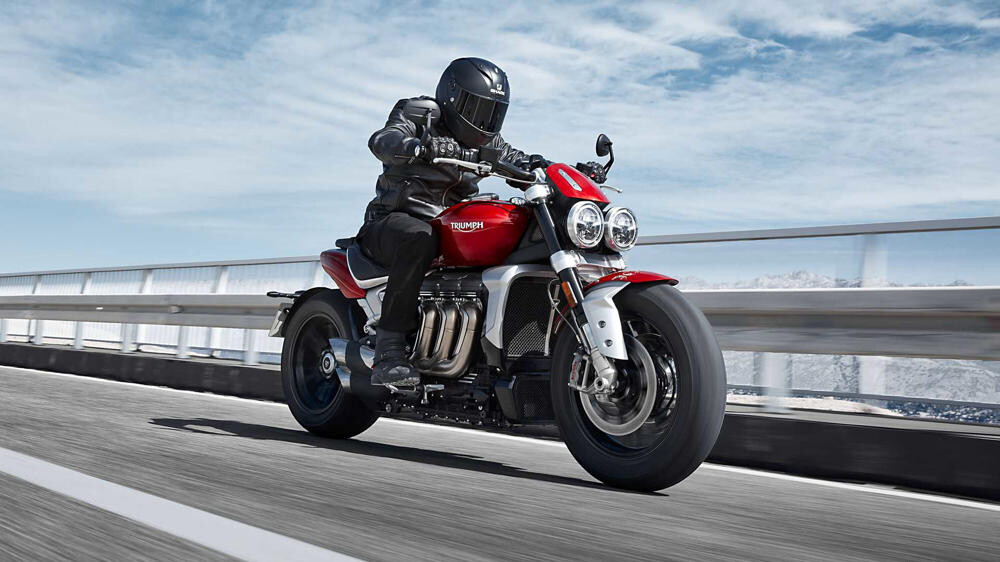
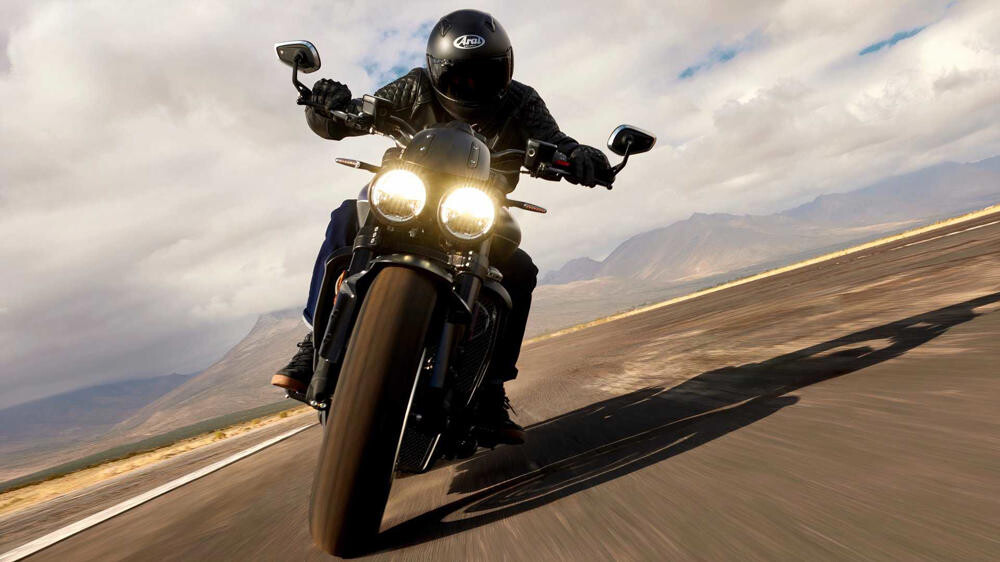
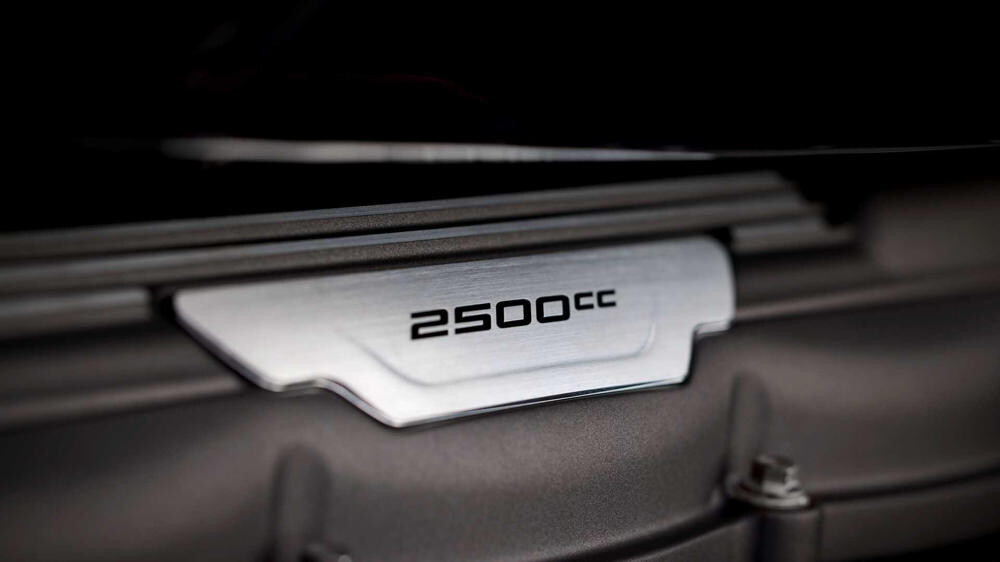
Pull a motorcycle out of the garage after months of storage, press the rear brake pedal, and find it suddenly feels soft or sinks toward the floor. That's not the winter welcome most riders expect. On the Triumph Rocket 3 Storm, the problem can involve more than a conventional brake-fluid change. Its 2,458cc triple may be famous as the world's largest production motorcycle engine, but ownership has a few less glamorous details. With mid-November bringing winter storage preparations for many American riders, here is a practical look at what it costs to keep this muscle roadster running. The Triumph Rocket 3 Storm Is Big On Power And Responsibility What The Rocket 3 Storm Costs Before You Ride Away The Rocket 3 is the sort of motorcycle that tends to dominate conversations about torque, acceleration and sheer mechanical excess. However, buying one is only the beginning. The more useful ownership question is what happens after the initial excitement wears off and regular servicing, tires, and occasional specialist jobs start appearing on the calendar. Triumph’s U.S. site lists the Storm R from $26,695, with the touring-minded Storm GT starting at $27,495. Those are MSRPs, and they exclude tax, title, license, options, handling, pre-delivery, and destination charges, so the out-of-pocket total runs higher. Consider it the first line of your ownership budget, not the whole thing. And that’s before the engine starts adding to the tab. Why A 2,458cc Triple Changes The Ownership Math Triumph rates the Storm R at 180 horsepower and 166 pound-feet of torque, all from that 2,458cc inline-three. The motorcycle weighs approximately 698 pounds in running order, and its enormous 240/50 R16 rear tire has to cope with substantial power and weight. Both influence how quickly certain consumables wear, particularly when the motorcycle is ridden enthusiastically. There is, however, one welcome ownership advantage. The Rocket 3 uses shaft final drive rather than a conventional chain. Owners can forget routine chain cleaning, lubrication and tension adjustments. The shaft system still requires appropriate checks and maintenance, but it removes one recurring job from the ownership checklist. Owners Can’t Escape The Routine Servicing Costs The First Service Runs Roughly $380 To $500 The engine's displacement might suggest that every workshop visit will be expensive, but the more important consideration is the maintenance schedule. Regular servicing is predictable enough to budget for, although owner-reported bills show that dealer pricing can vary considerably. The first service, at roughly 500 to 600 miles, involves an oil and filter change and the prescribed inspection checks. Owner discussions on public forums offer a useful indication of what American buyers might pay. Some users quote a bill of $380 while others claim roughly between $450 and $500. A Basic Service Every 10,000 Miles Or 12 Months After the first service, Triumph calls for service every 10,000 miles or 12 months, whichever comes first. That second half matters. A bike that rarely leaves the garage still needs its annual visit, and Triumph’s schedule adds a two-year clock for brake fluid and three years for coolant, regardless of mileage. Low-mileage owners don’t get a pass. Notably, the garage time that saves tires and fuel is exactly what creates the brake problem. The 20,000-Mile Major Service And Valve Checks Owners describe a bigger visit, around 20,000 miles, with a labor-heavy valve clearance check at its center. Rocket 3 owners discuss a more involved service at this point, including valve-clearance inspections and, where necessary, adjustments using replacement shims. Unlike the standard 10,000-mile/12-month interval, the specific 20,000-mile major-service cost should be treated as owner-reported rather than a fixed price published by Triumph. A reasonable allowance for valve-related work is approximately $400–$700, depending on the amount of adjustment required and workshop labor charges. There are DIY discussions on forum pages covering the 20,000-mile service, including valve-clearance checks and shim replacement. However, this isn't an ideal first major project for someone learning motorcycle maintenance. Accessing the relevant components, measuring clearances and selecting the correct shims requires experience and the right equipment. The Brake Bleed Rule That Catches Owners Off Guard Four Months In The Garage Is Enough To Trigger It Triumph's dealer communication for 2026 reiterates an important requirement from the Rocket 3 owner's handbook: when a motorcycle has been stored for more than four months, its rear brake system must be bled before it returns to service or is offered for sale. That makes this particularly relevant during the winter months. A rider who parks the Rocket in November and doesn't take it out again until spring could cross that four-month threshold without accumulating many miles. Forum discussions also describe rear brake pedals losing pressure after extended periods of inactivity, including cases following roughly four months of storage. This is an important reminder for low-mileage owners: limited riding doesn't necessarily mean limited maintenance. What The 2020-2021 Recall Tells Used Buyers There is another reason used Rocket 3 buyers should pay attention to the rear brake. NHTSA recall 20V-740 covered certain 2020-2021 Rocket 3 R and GT motorcycles, along with the 2020 Rocket 3 TFC. Air could enter the ABS modulator during production, potentially reducing rear braking efficiency. Triumph's remedy involved bleeding the rear brake system free of charge. This is not a blanket recall covering every Rocket 3. However, prospective used-bike buyers should check the VIN and confirm that any applicable recall work has been completed before purchasing. The Wear Items And Labor Rates That Add To The Ownership Cost Regular servicing and the occasional brake bleed aren't the only expenses. The Rocket 3's performance also means keeping an eye on its tires, especially the wide rear rubber. A complete tire set can cost approximately $500, although the final bill depends on the manufacturer, tire choice and installation charges. Then there’s labor. Some owners claim Triumph dealer rates run about 40 percent higher than independent shops. During Triumph’s 24-month, unlimited-mileage warranty, the dealer is the obvious stop, and the warranty terms tell owners to keep up with the scheduled maintenance chart, so hang on to your records. Afterward, an independent shop can make sense for oil, filters, and tires. Brake and ABS work is more of a judgment call, so make sure whoever touches it knows the bike. That puts routine upkeep for the Rocket 3 at around $200–$600 a year when things go smoothly, with a ceiling near $3,000 if intervals get skipped or out-of-warranty repairs pile up. Ride regularly and the storage rule rarely comes into play. Park it for the winter, and schedule that brake bleed before the first spring ride. Source: Triumph Motorcycles

 Liked by Jacob Bouchard, Sophie Lavoie










 Liked by Jacob Bouchard, Sophie Lavoie