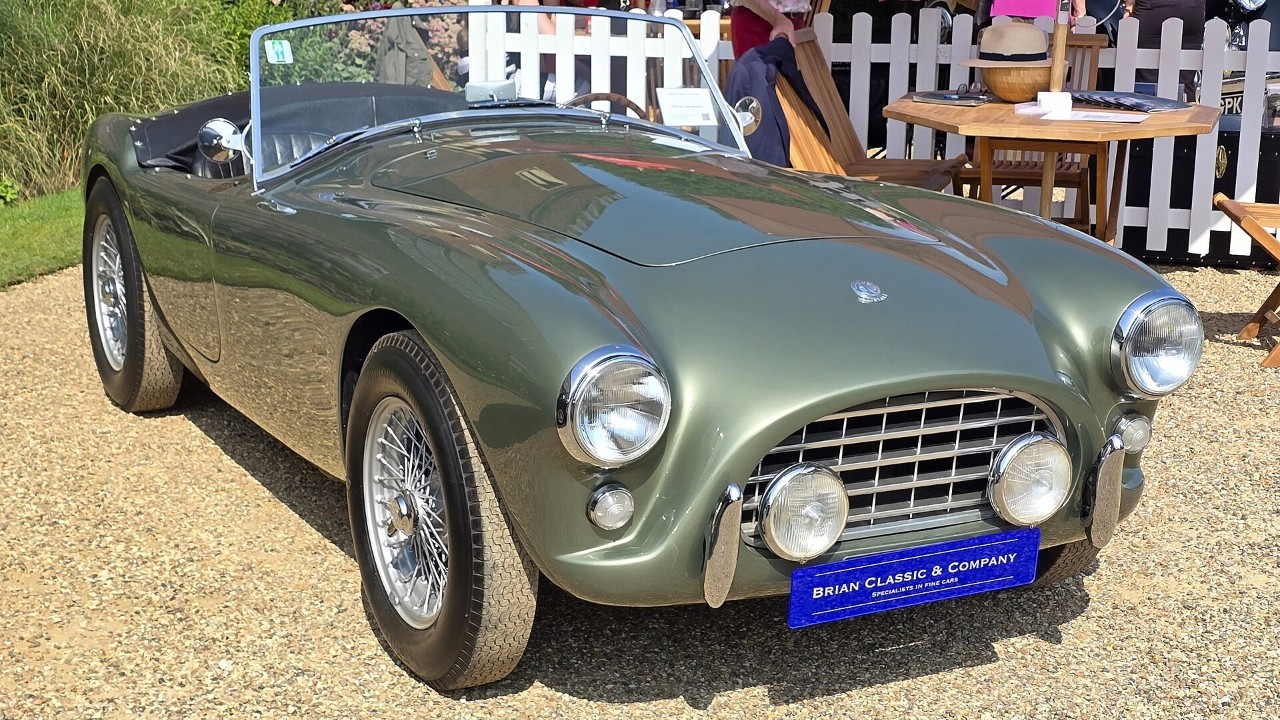
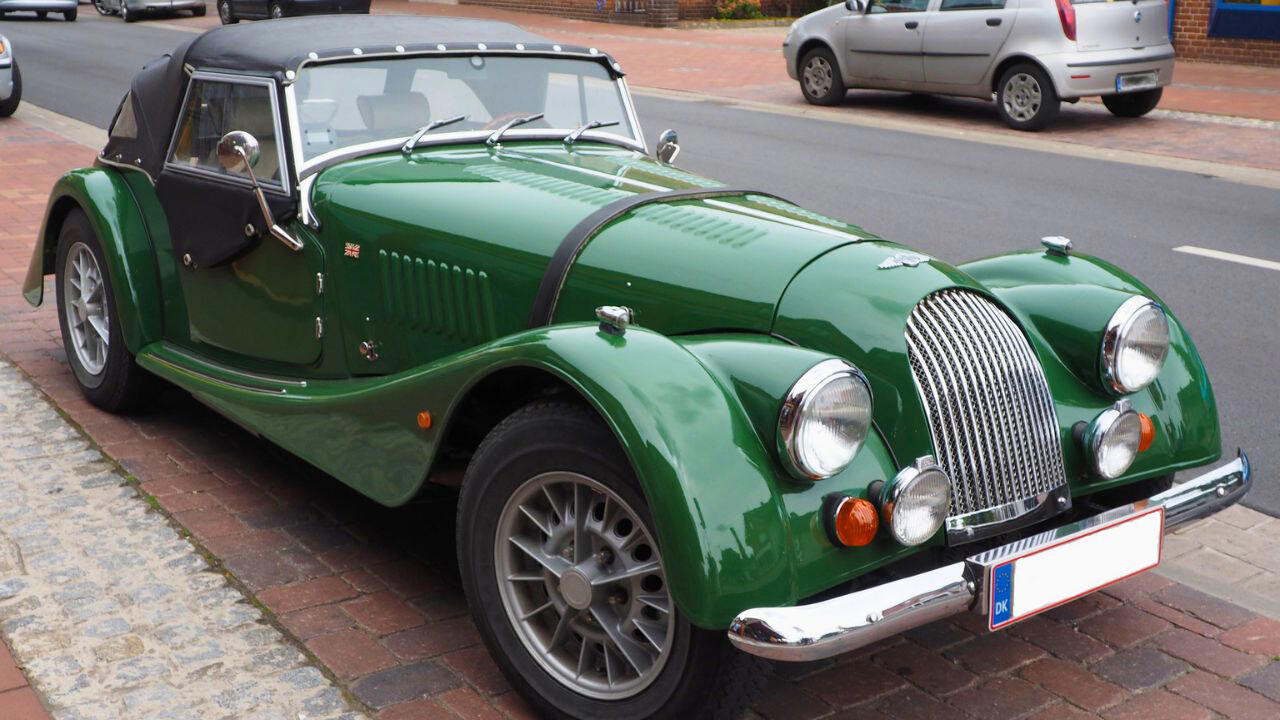
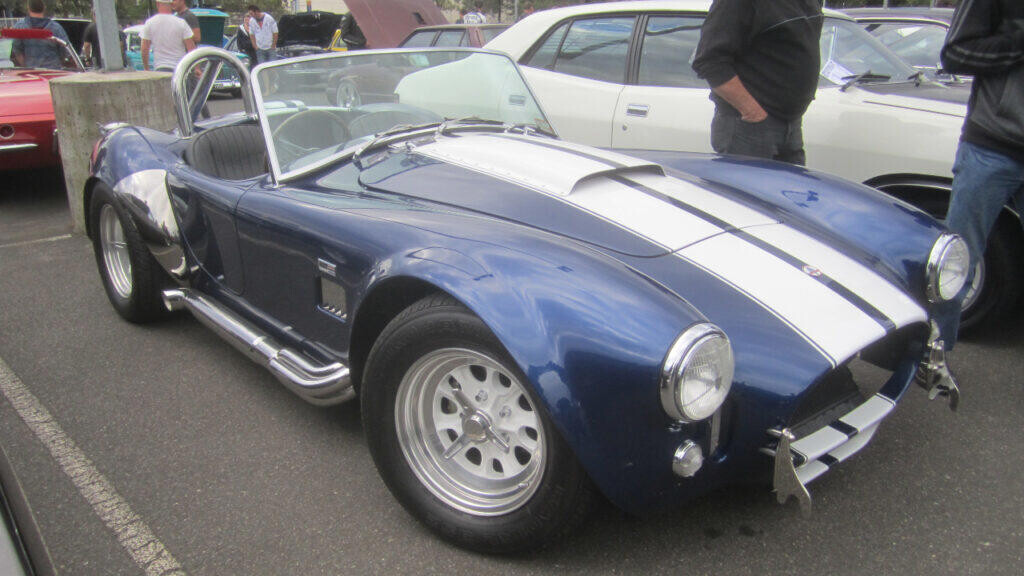
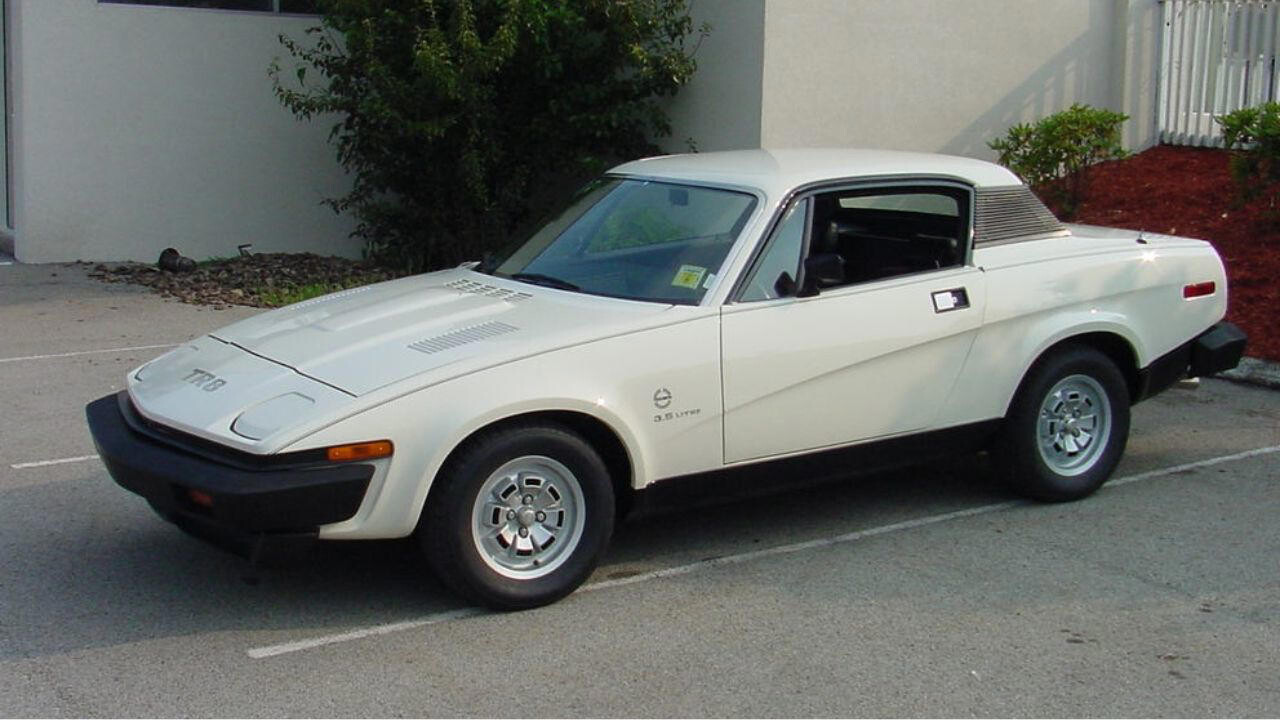
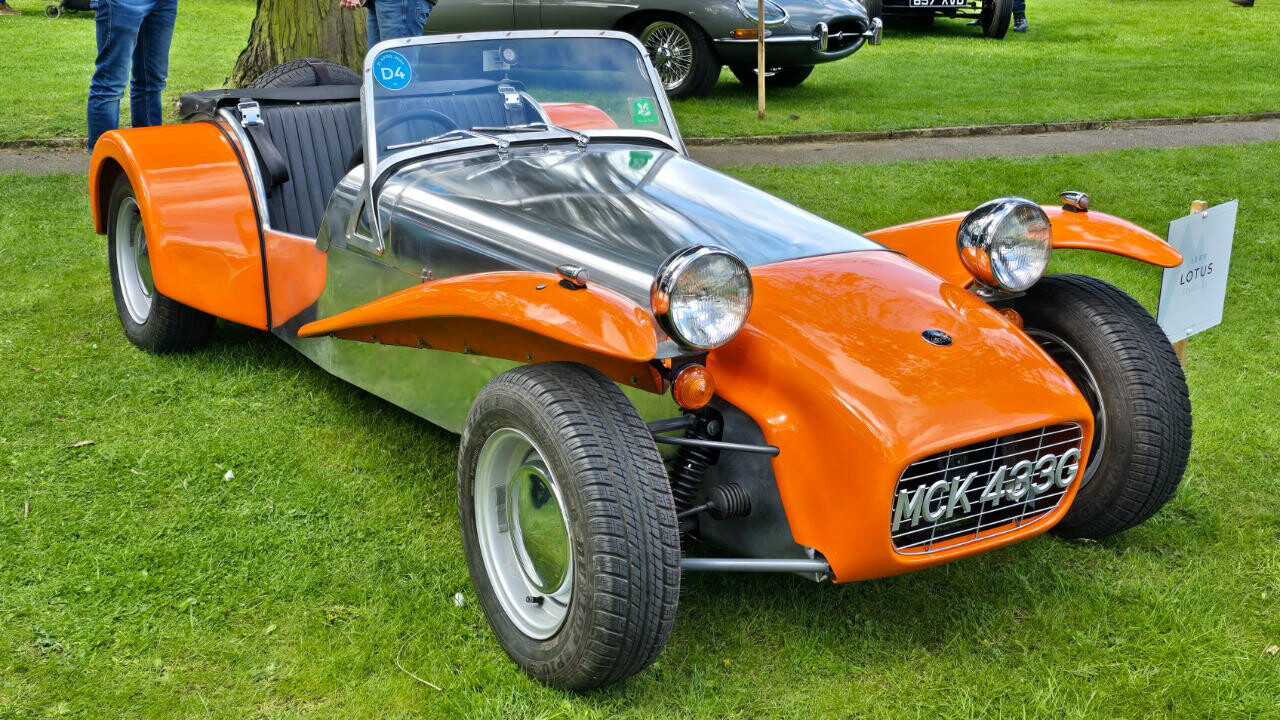
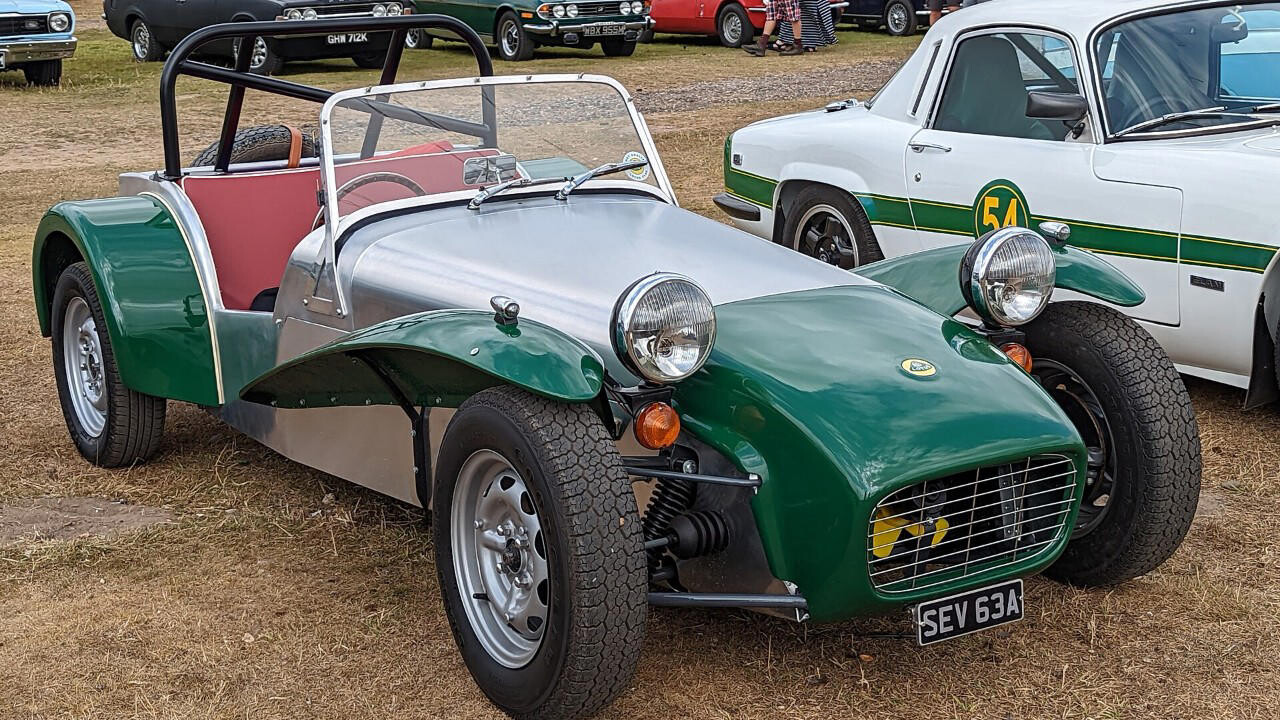
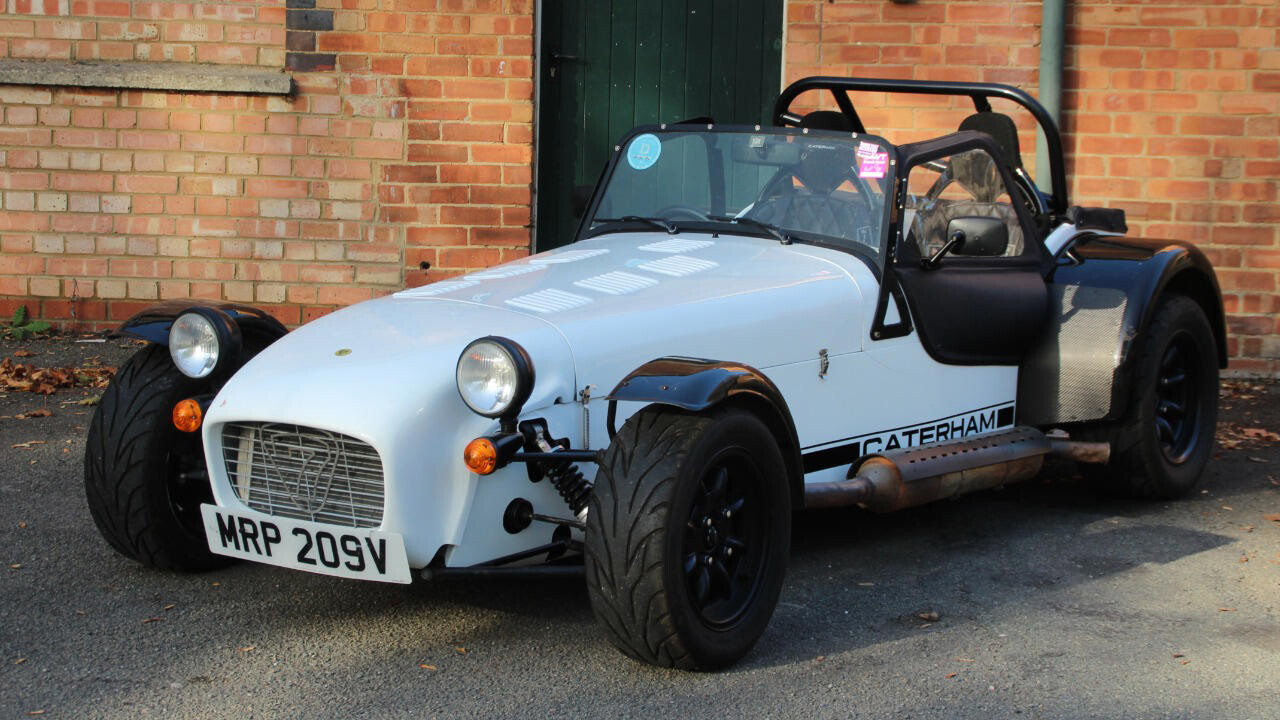
After the war, British factories shipped open two-seaters across the Atlantic by the boatload, and small makers like the one behind the Turner 950 Sports joined the rush. Each new roadster arrived with big promises in the motoring press. Most of that excitement faded within a few seasons. The cars, however, often outlasted the buzz. Some found a second life in club racing, while others turned into prized collector pieces decades later. A few even stayed in production long after their makers gave up on them. These are our picks for six British roadsters that outlived their own hype. The verdicts are our opinion. Every year, engine and figure behind them comes from the record. 1. 1959 Turner 950 Sports Jack Turner founded his sports car company near Wolverhampton in 1951. His first complete car used a small Austin A30 engine. Then, in 1956, it switched to the 948 cc unit from the Austin A35 and took the name 950 Sports. Underneath sat a ladder-frame chassis wearing an open fiberglass two-seater body. The little Turner was quick for its size. According to a Supercars.net profile of a 1959 car, Autocar recorded a 93.7 mph top speed and a 17.8-second standing quarter-mile. Motor Trend listed a 950 S at $3,170, and an Ohio importer, Tri-City Sports Cars, brought in roughly 60 Turners. Even so, the company went into liquidation in April 1966. Our take: the Turner never became a household name, yet its racing record in Britain and in SCCA events kept it alive long after the showroom buzz ended. 2. 1953 Singer SM Roadster 4ADT Singer’s roadster story began in 1939 with the Nine, an open version of the Bantam sedan. By October 1951, the company showed the SM Roadster with the 1,497 cc engine from its SM1500 saloon. In single-carburetor form, it made 48 hp. The 4ADT was the rarer twin-carburetor version, according to Barn Finds. Meanwhile, the Singer Owners Club’s SM Roadster page says the second carburetor added five to six mph in top gear. The club also notes the car began as an export-only model, and Barn Finds counts just over 2,200 that reached the US. Rivals moved fast, though. The MG TF, Triumph TR2 and Sunbeam Alpine all squeezed the Singer, and Rootes took over the company in 1956. In our view, the SM Roadster deserves more love today, because it offered a modern overhead-cam engine in an old-school shape. 3. 1951 MG TD Roadster MG designed the TD in about two weeks and launched it in 1949, according to Hagerty’s T-Series buying guide. It kept the 1,250 cc XPAG four, rated at 54 hp. Yet it changed plenty underneath, with rack-and-pinion steering and 15-inch steel disc wheels in place of wire wheels. Hagerty also notes that the TD offered left-hand drive for the first time. That mattered, because MG built 29,664 TDs and shipped most of them to the United States. Buyers there got a wider car, about 200 pounds heavier than the TC it replaced. We dug into how the TD charmed export markets in an earlier story. In 1953, MG facelifted it into the TF, which critics found antiquated next to the new Austin-Healey 100 and Triumph TR2. The streamlined MGA finally arrived in 1955. Our take: the TD outlasted that criticism easily, and it remains one of the friendliest ways into vintage British motoring. 4. 1957 Austin-Healey 100-6 BN4 The 100-6 replaced the Austin-Healey 100 in 1956, and the BN4 was its 2+2 version. Power came from a tuned 2,639 cc BMC C-Series straight-six, borrowed from the Austin Westminster sedan. At first, it made 102 bhp. Then, in 1957, a revised manifold and cylinder head lifted output to 117 bhp. Late that year, production moved from Longbridge to MG’s plant at Abingdon. The wheelbase also grew two inches over the 100’s, to 92 inches. In total, the factory built 14,436 cars in the 100-6 family before the 3000 took over. In our view, the 100-6 gets lost between the original 100 and the later 3000. Still, it is a genuine Big Healey, and the BN4 lets you bring the kids along. 5. 1963 Lotus Seven Series 2 Lotus launched the Seven Series 2 in June 1960. Compared with the first Seven, it had a somewhat simpler chassis and a more road-friendly character. It also swapped the aluminum nosecone for fiberglass, and most cars used Ford Kent engines of 1,340 cc or 1,499 cc. It had a weak spot, too. The Standard Companion rear axle could not cope with the car’s power and cornering loads, so the Series 3 switched to a Ford Cortina rear end. Meanwhile, many British buyers bought their Sevens as kits, because kits avoided the purchase tax charged on assembled cars. Lotus built 1,310 Series 2 cars before production ended in August 1968. Later, in 1973, it sold the Seven rights to Caterham, which still builds the car. If you know the modern version, you may have read about Caterham’s own attempt at a softer roadster. Our take: no British roadster has outlived its hype more thoroughly than the Seven. 6. 1959 AC Ace Bristol The AC Ace grew from a John Tojeiro design with a light tubular frame and an aluminum body. The Bristol version added a 1,971 cc straight-six that RM Sotheby’s describes as an advanced design derived from the BMW 328 engine. In total, AC built 466 Ace-Bristols. The car proved itself at Le Mans. In 1959, Ted Whiteaway and John Turner drove an Ace Bristol to a win in the 2,000 cc GT class and seventh place overall. Later, after Bristol dropped its six-cylinder engine in 1961, Carroll Shelby asked AC for the chassis and body. He installed a Ford V8, and the result was the 1962 Cobra, a car we covered in our story on the early Shelby Cobra. That makes the Ace Bristol easy to overlook. In our view, it deserves credit on its own terms, and the market agrees. For example, RM Sotheby’s sold a 1960 Ace-Bristol for $495,000 at Amelia Island in 2016.

 Liked by Lily Girard, Caleb Green
 Liked by Lily Girard, Caleb Green