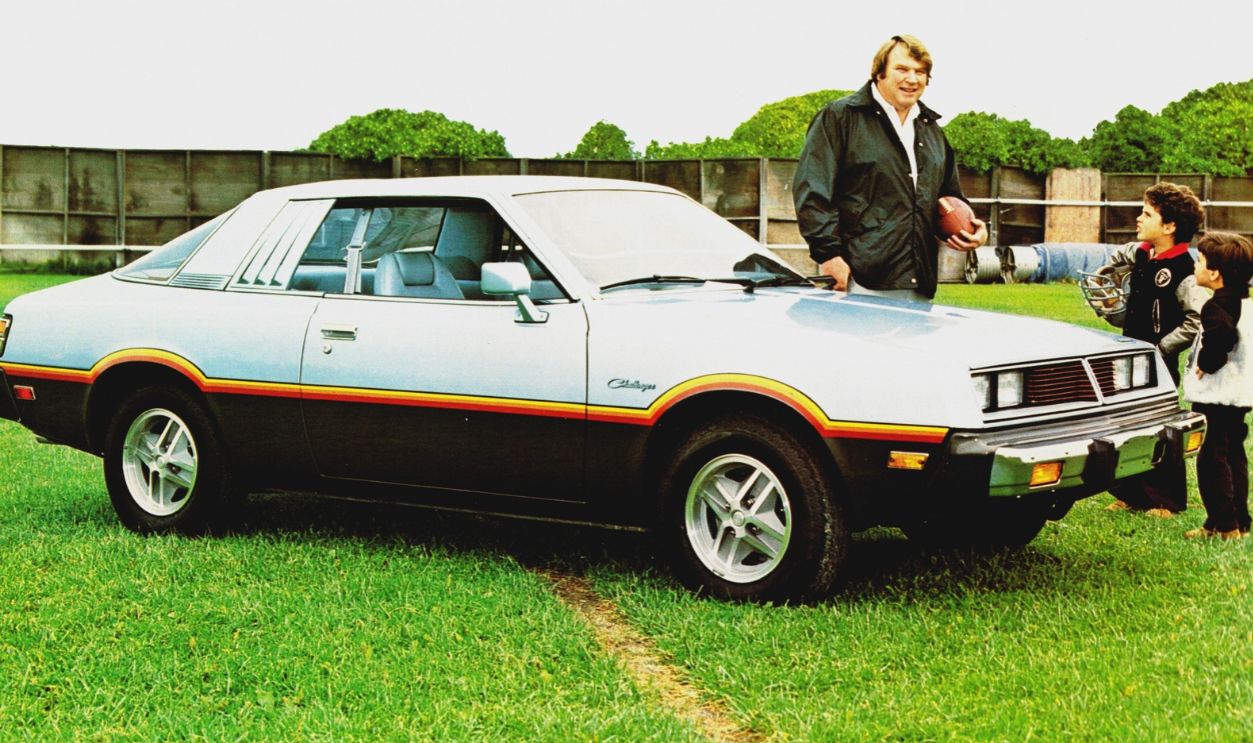
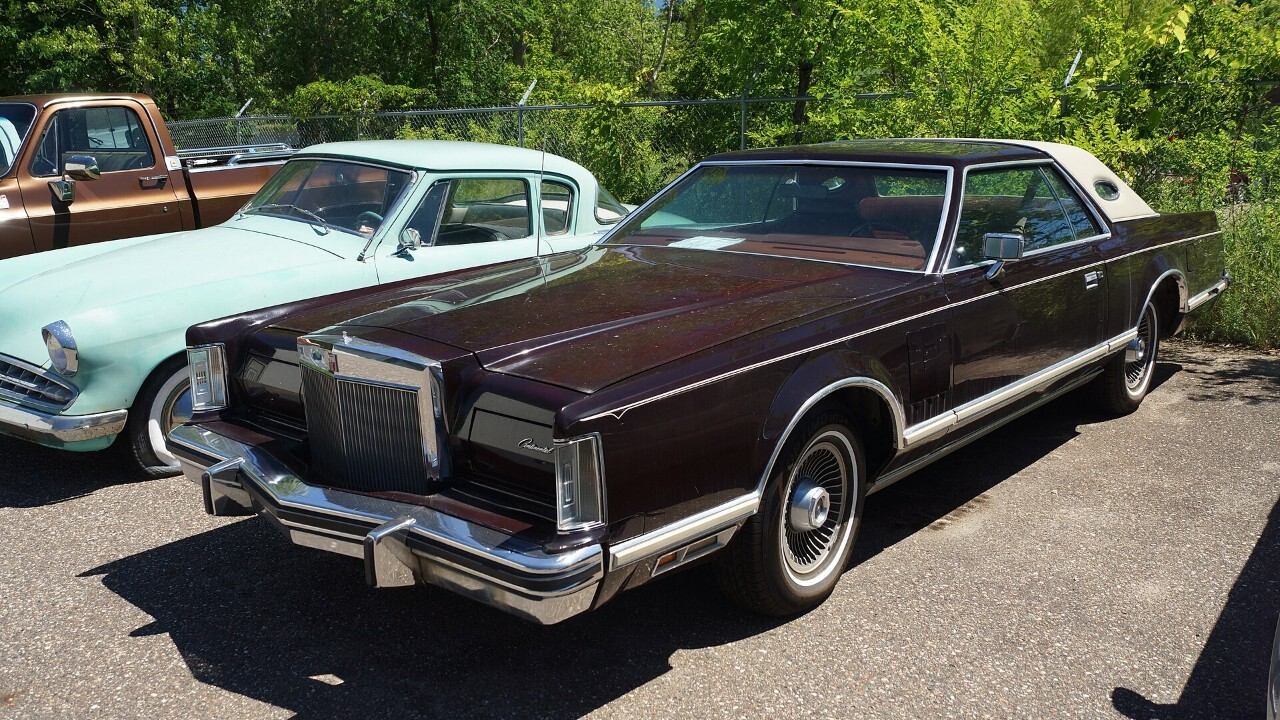
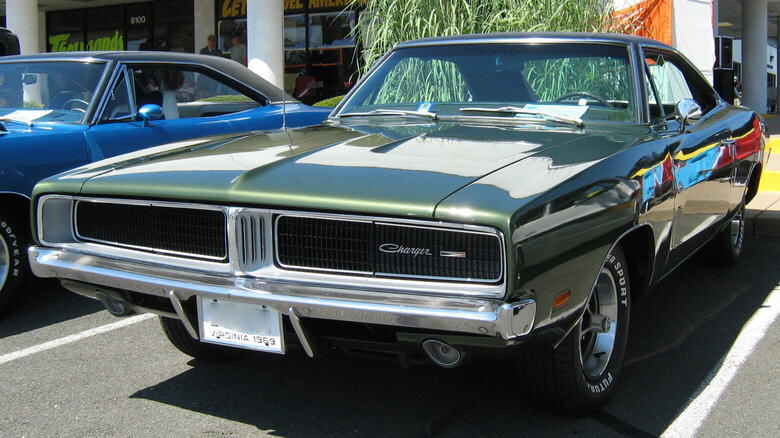
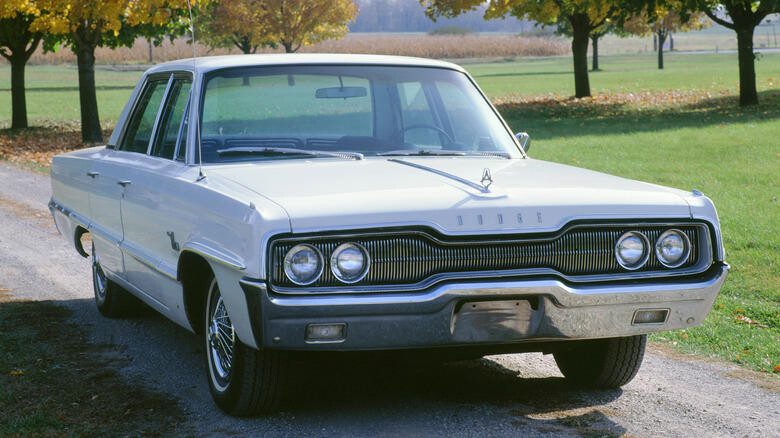
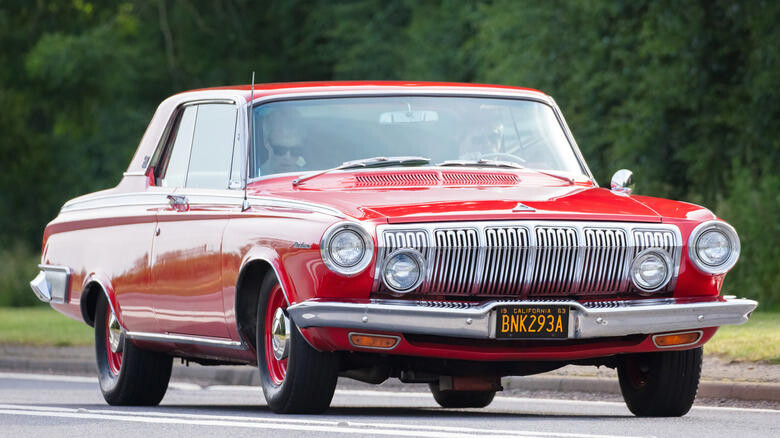
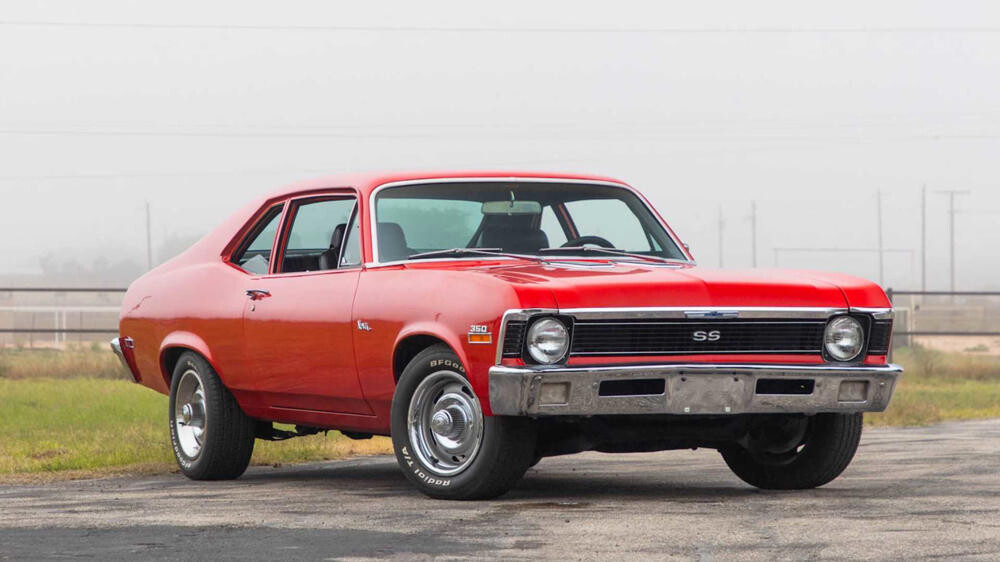
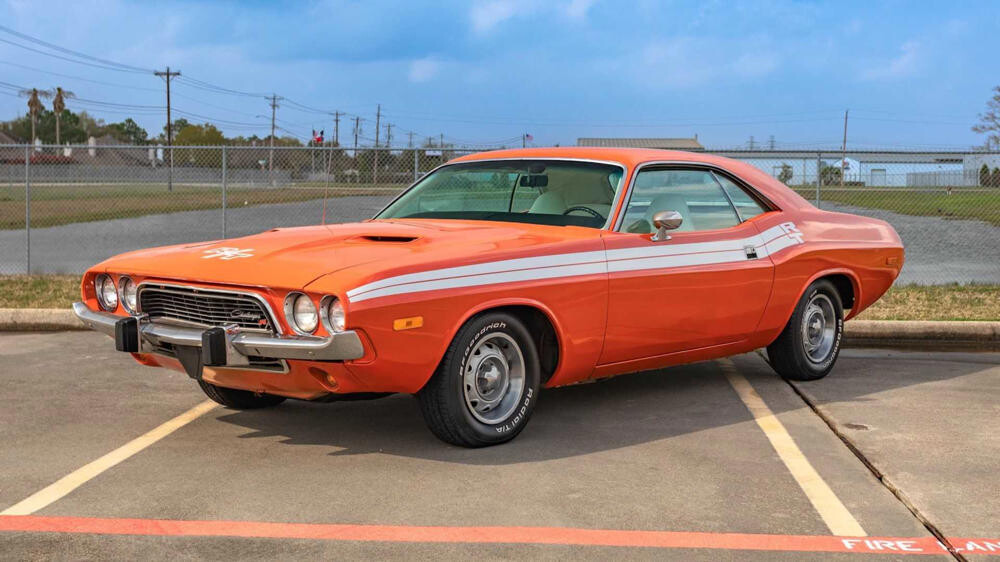
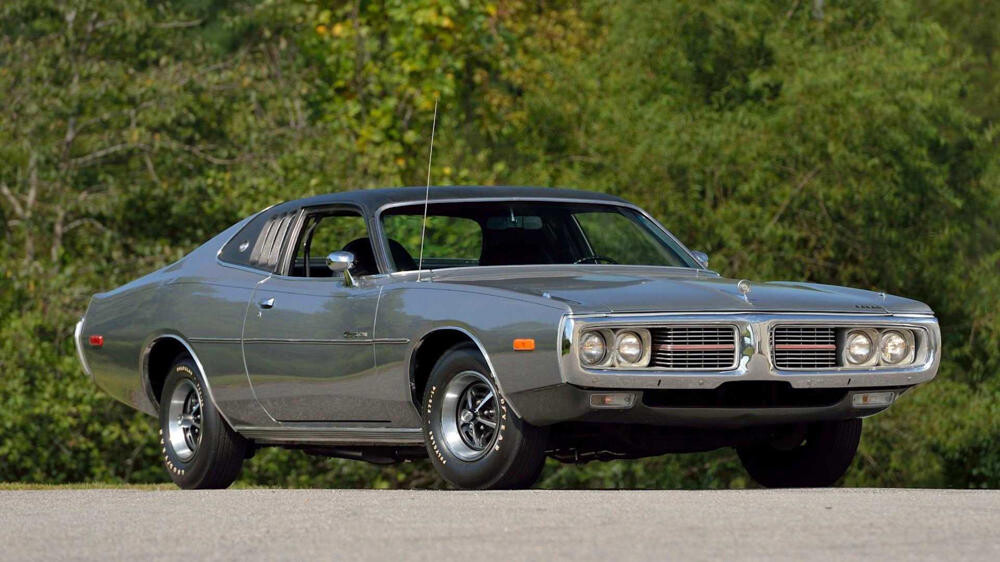
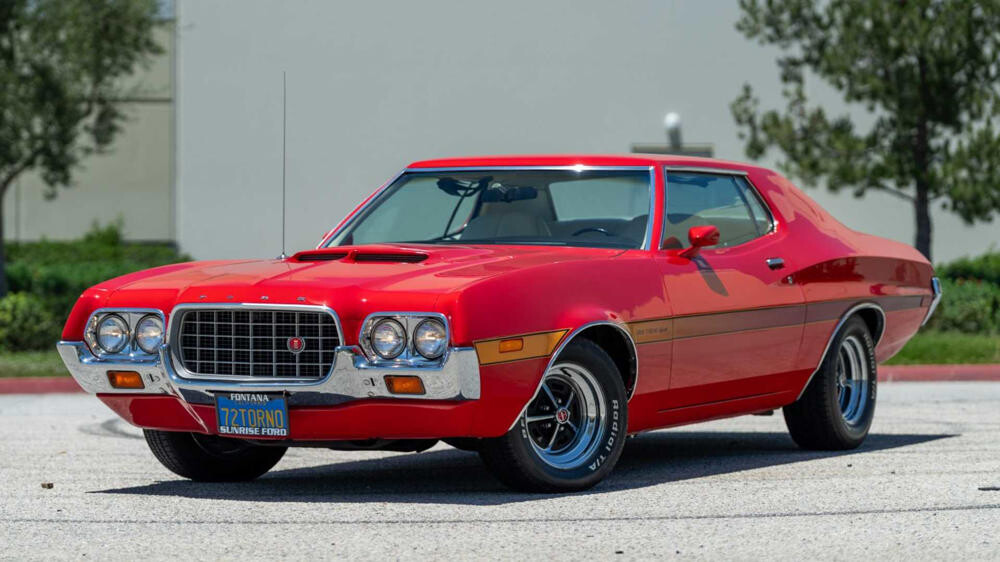
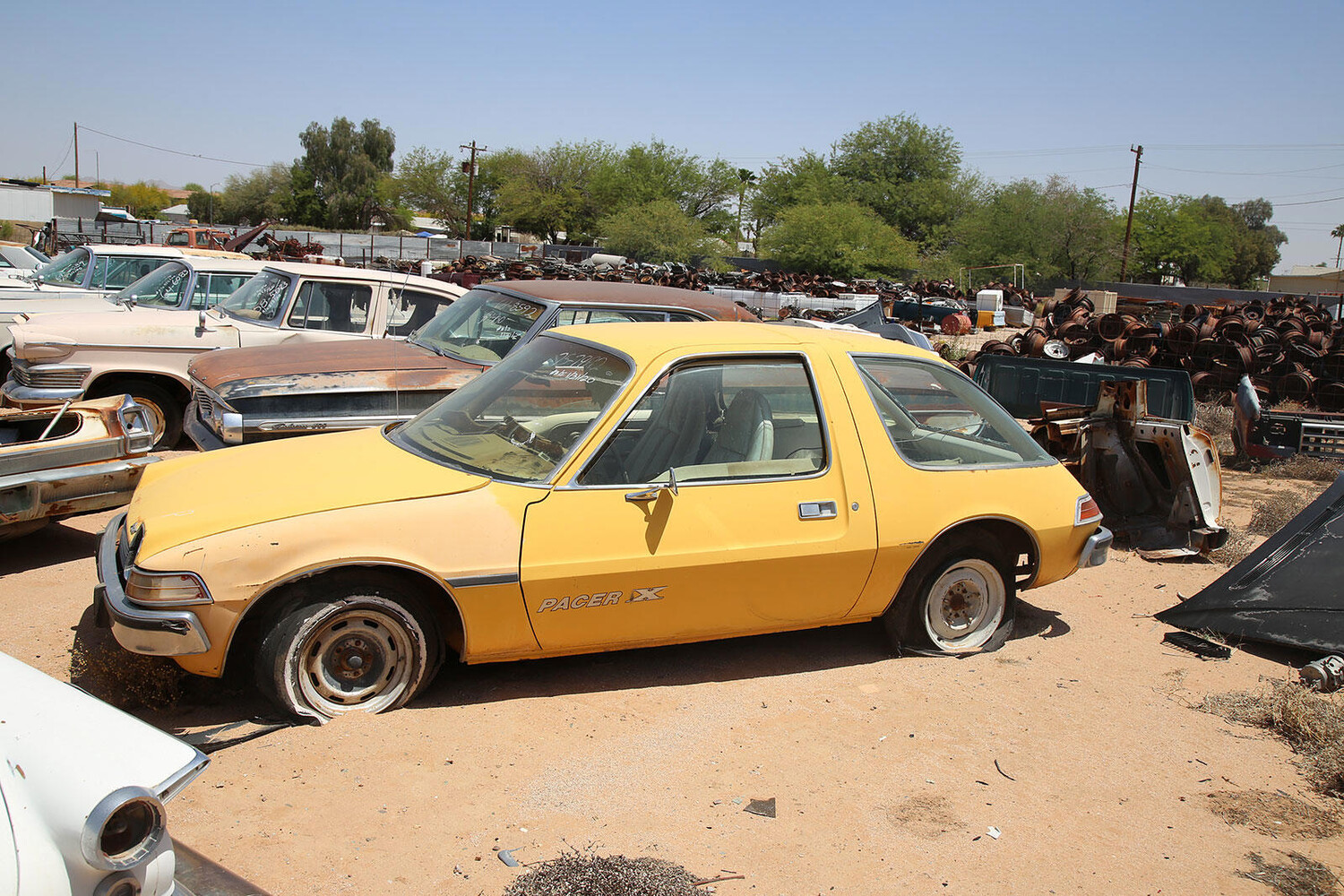
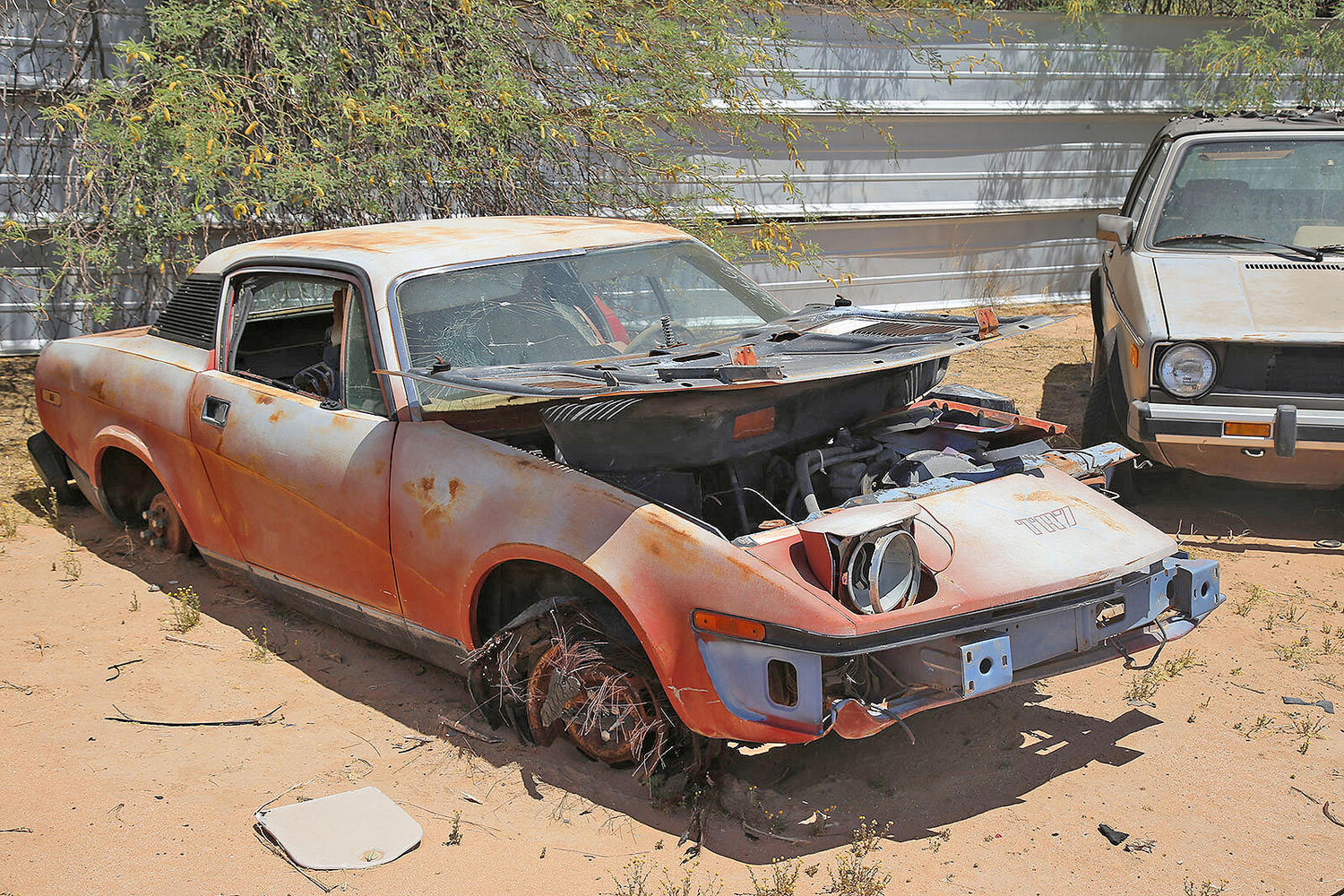
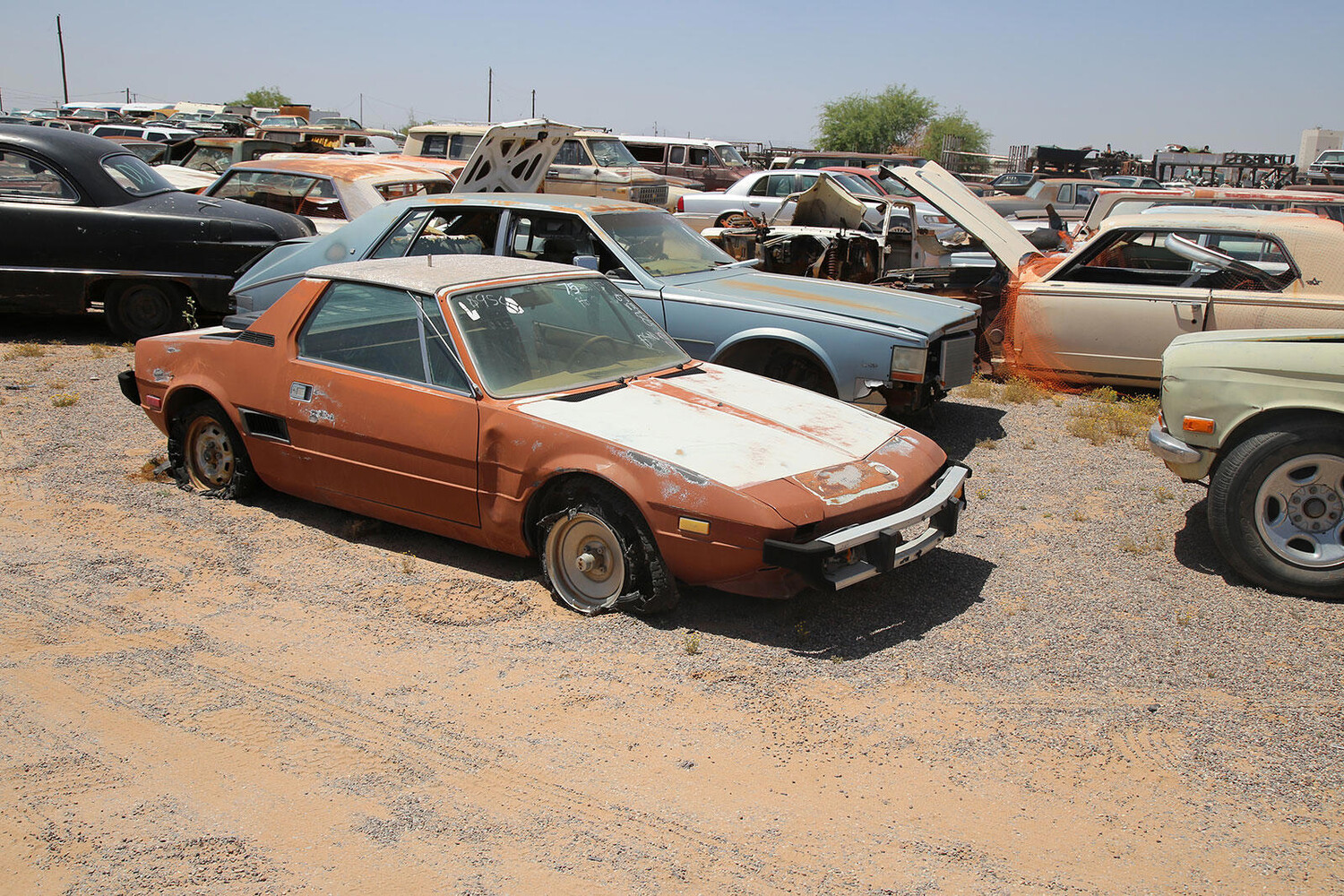
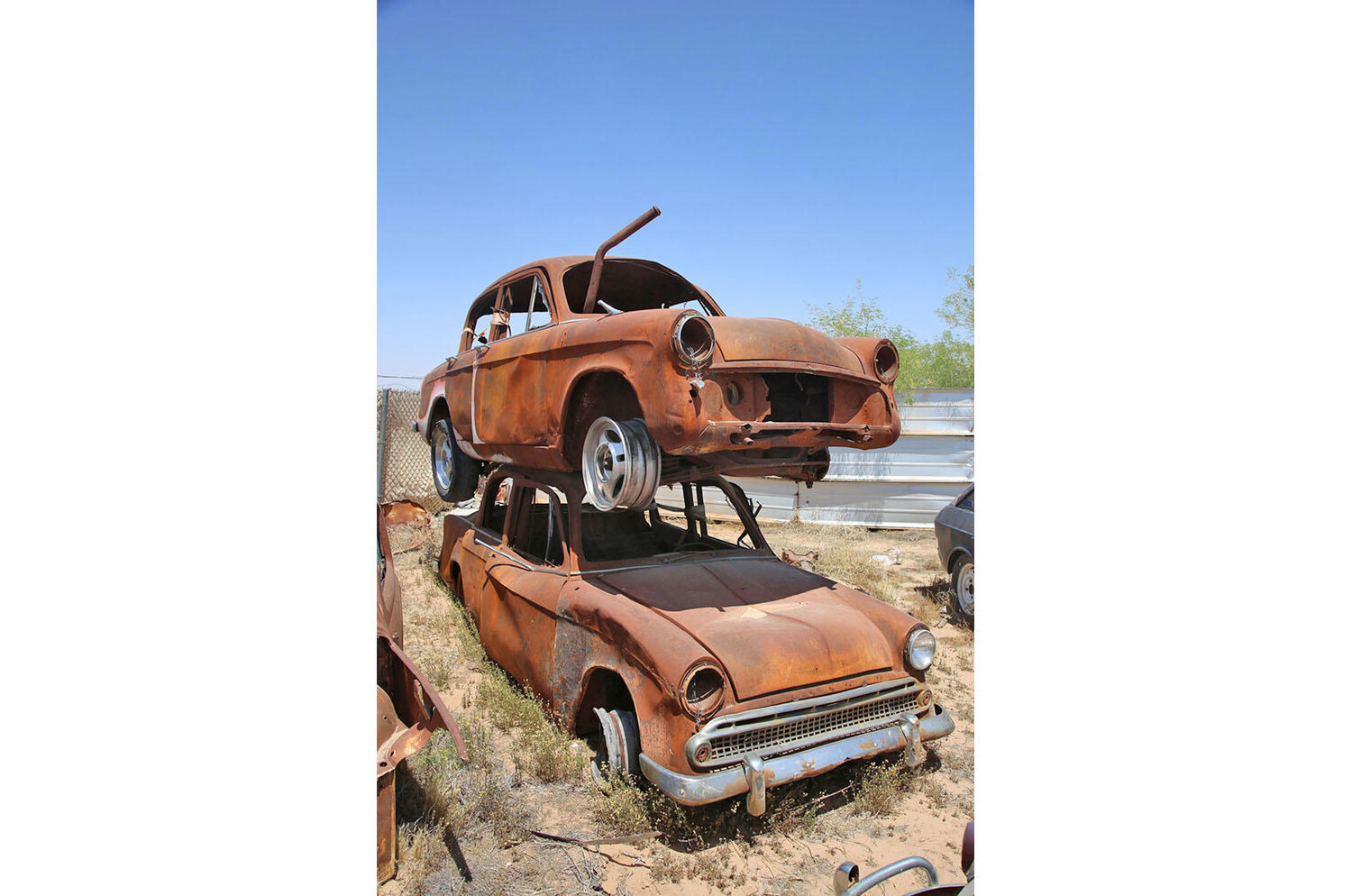
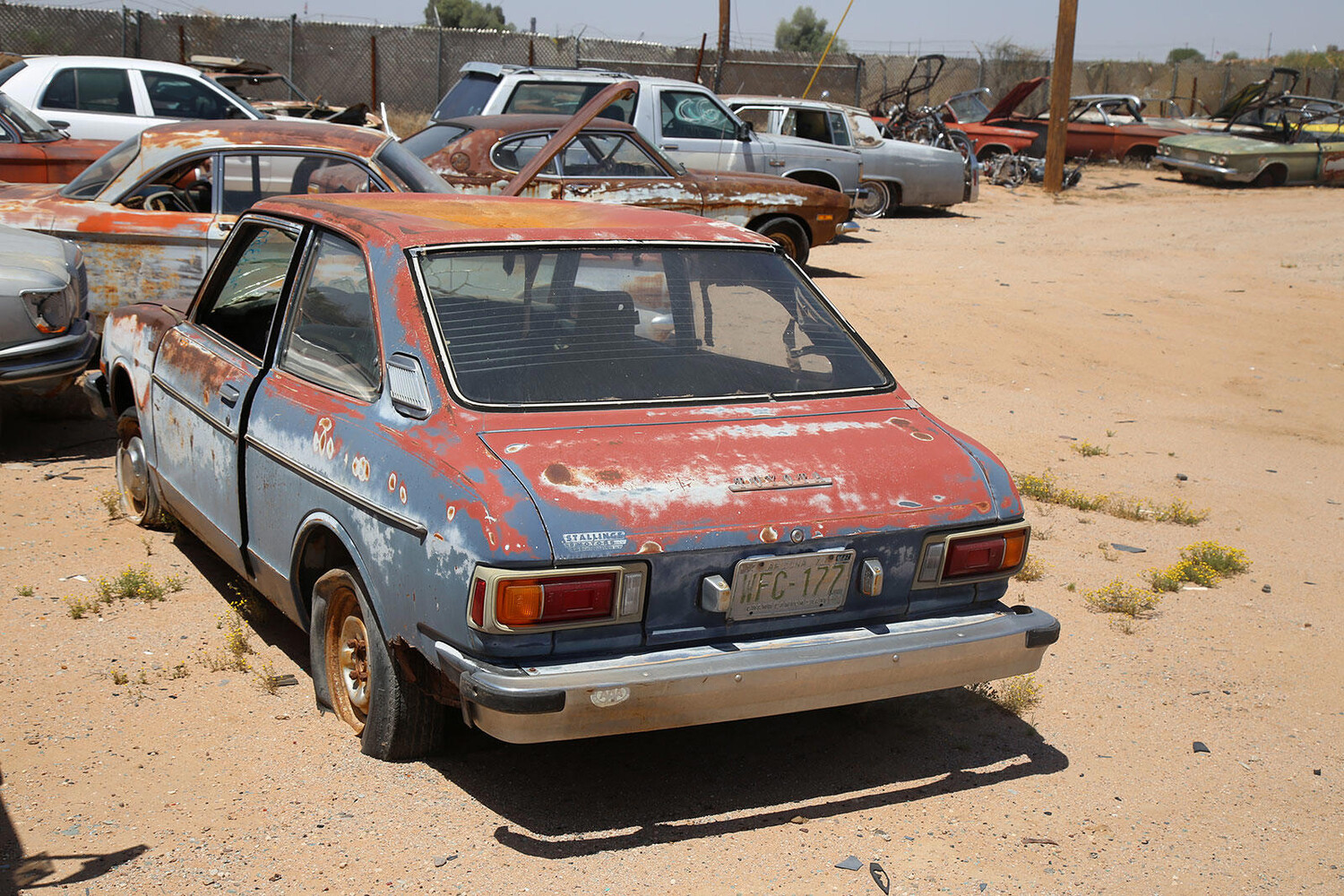
You Remember The Original The Torino. The Dart. The Gremlin. Even people who never owned one usually recognize those names. But the cars that came after them? That's where most of our memories get a little foggy. These 1970s follow-ups inherited familiar customers, famous badges, and often some very big expectations. But do you remember at least 3 of them? What Came Next Wasn't Always What You Expected Sometimes a familiar car received a new name and a fresh face. Sometimes its replacement started almost from scratch. A few famous badges even returned on cars built in another country. And because old and new models occasionally shared showroom space, the handoff wasn't always as simple as one disappearing overnight. Ford LTD II Remember the Torino? For 1977, its place in Ford's lineup went to the LTD II. The name suggested a connection to Ford's big LTD, but underneath was a revised Torino foundation. Square styling and a formal roofline made it look thoroughly respectable. Somehow, though, "LTD II" never had quite the same ring to it. Dodge Challenger (1978) The original Challenger finished its run after 1974. When the name returned for 1978, Dodge put it on a Mitsubishi-built coupe imported from Japan. Four-cylinder power and compact proportions made this a very different proposition. If someone says they owned a 1978 Challenger, don't automatically picture the muscle car hanging on your garage wall. AMC Spirit The Gremlin's chopped-off rear end made it hard to mistake for anything else. Its 1979 follow-up, the Spirit, tried a more conventional approach. Buyers could choose a tidied-up version of the familiar shape or a sleeker liftback. AMC finally had a small car that looked less peculiar. Unfortunately, peculiar was part of what made the Gremlin memorable. Dodge Magnum Before the Magnum became a station wagon in the 2000s, it was a big personal luxury coupe. Introduced for 1978 alongside the outgoing Charger SE, it carried that car's role forward through 1979. Clear headlight covers gave it an unusual face. This was what followed the luxury-era Charger, several steps removed from the famous muscle car. Dodge Aspen The Dart had spent years earning its place in American driveways. The Aspen arrived as its successor for 1976, with both sold alongside each other during that model year. Buyers got a newer-looking compact and the return of a wagon option. Unfortunately, early rust and quality problems made replacing that dependable old Dart look less straightforward than expected. AMC Concord The Hornet didn't simply disappear after 1977. Much of it returned for 1978 as the Concord, dressed for buyers who wanted a smaller car without giving up their comfortable seats and fancy trim. AMC updated the styling and pushed the car upmarket. The familiar compact had essentially put on its good clothes and changed its name. Chevrolet Monza The Monza arrived for 1975 while the Vega was still around, then took over more of its territory after the Vega ended production in 1977. Chevrolet even folded Vega-derived hatchback and wagon bodies into the Monza lineup for 1978. The sleek Monza 2+2 looked like a fresh start, but the family connection ran deeper than its styling suggested. Plymouth Volaré Plymouth's answer to replacing the Valiant and Duster was the Volaré, introduced for 1976. It offered coupes, sedans, and wagons, along with a name that sounded considerably more glamorous than the transportation it provided. Like its Dodge Aspen sibling, early examples suffered quality troubles. The old Valiant suddenly seemed like a pretty tough act to follow. Ford Fairmont After the Maverick's final U.S. model year in 1977, the Fairmont took over for 1978. Its upright shape was plain, but the new Fox platform underneath would also underpin the next Mustang. That's the funny part: a car that looked ready for grocery duty helped introduce the foundation of a much more celebrated performance family. Mercury Zephyr The Comet name had been around since 1960, but its compact-car job went to the Zephyr for 1978. Closely related to the Ford Fairmont, the new Mercury offered sensible transportation with a little extra showroom polish. Comet sounds like something streaking across the sky. Zephyr sounds softer, which suited this thoroughly unthreatening family car rather well. Volkswagen Dasher Volkswagen's Squareback and Fastback belonged to the old air-cooled era. The Dasher took over their part of the U.S. lineup for 1974, bringing the Passat family to American buyers under a different name. It looked more conventional and pointed Volkswagen toward its future. Mention a vintage VW wagon today, though, and the Squareback is easier to picture. Datsun 610 The original Datsun 510 became an enthusiast favorite, which gave the 610 a difficult act to follow. Arriving in America for the 1973 model year, the next Bluebird generation brought a bigger body and more elaborate styling. It was a natural move toward family comfort. But the little 510's reputation proved much harder to replace than its position in the showroom. AMC Matador The Rebel name disappeared from AMC's U.S. lineup after 1970, and the Matador took over for 1971. Initially, the connection was obvious beneath the updated styling. Then the dramatically different 1974 Matador coupe arrived, looking almost unrelated to the sedans and wagons. If that rounded coupe is the only Matador you remember, you're missing the first chapter. Plymouth Fury (1975) Here's where Plymouth made remembering its lineup unnecessarily difficult. For 1975, the Satellite's midsize position went to a car wearing the Fury name. The bigger Plymouths became Gran Furys. So a familiar badge now described a different-sized car, while the Satellite disappeared. You could recognize the name on the trunk and still be remembering the wrong Plymouth. Dodge Monaco (1977) Dodge performed a similar shuffle for 1977, putting the Monaco name on its outgoing Coronet's midsize family. The larger car became the Royal Monaco. Stacked rectangular headlights helped distinguish the new midsize version, which became familiar in police duty and on television. Plenty of people recognize its face without realizing they're looking at the Coronet's follow-up. Dodge St. Regis After the midsize Monaco's brief 1977–1978 run, Dodge introduced the St. Regis for 1979. This large sedan had an impressive-sounding name and a prominent place in the lineup, but its career lasted only through 1981. Police versions helped keep it visible. For ordinary buyers, it never developed the lasting identity its Monaco predecessor had enjoyed. Buick Opel By Isuzu Buick dealers had sold German Opels, including the Manta and 1900, before those imports ended after 1975. Their 1976 replacement came from Isuzu in Japan, still wearing the Opel name. Depending on the year, the branding could make this little car sound like a three-company committee project. Remembering exactly what it was called is an achievement by itself. Fiat 131 And Brava Fiat's 124 name brings its little Spider to mind, but there were practical sedans and wagons, too. Those family models were followed in America by the 131 for 1975. Later in the decade, Brava and Super Brava names entered the picture. The Spider kept its own career going, leaving its boxy relatives with far less time in the spotlight. AMC Hornet Before the Concord followed the Hornet, the Hornet had replaced another familiar compact. It arrived for the 1970 model year, replacing the compact Rambler previously known as the American. The cleaner styling helped AMC move beyond its old Rambler image, and the range eventually included the distinctive Sportabout wagon. Think of it as the middle chapter between the American and Concord. Mercury Capri (1979) The early Capri sold through Lincoln-Mercury dealers was a European Ford import. For 1979, American buyers got a very different successor: a Mercury closely related to the new Fox-platform Mustang. Its flared fenders gave it an identity of its own. Same familiar Capri name, completely different family connection. Remembering one doesn't necessarily mean you remember the other. Triumph TR7 The TR6 looked every bit the traditional British sports car. Its TR7 successor, introduced to America in 1975 while the TR6 was still available, looked ready to drive into a science-fiction film. The wedge-shaped newcomer initially had a fixed roof and four-cylinder power. Triumph had moved forward, but anyone attached to the old formula had some adjusting to do.

 Liked by Isabelle Harris, Carter Lewis
 Liked by Isabelle Harris, Carter Lewis