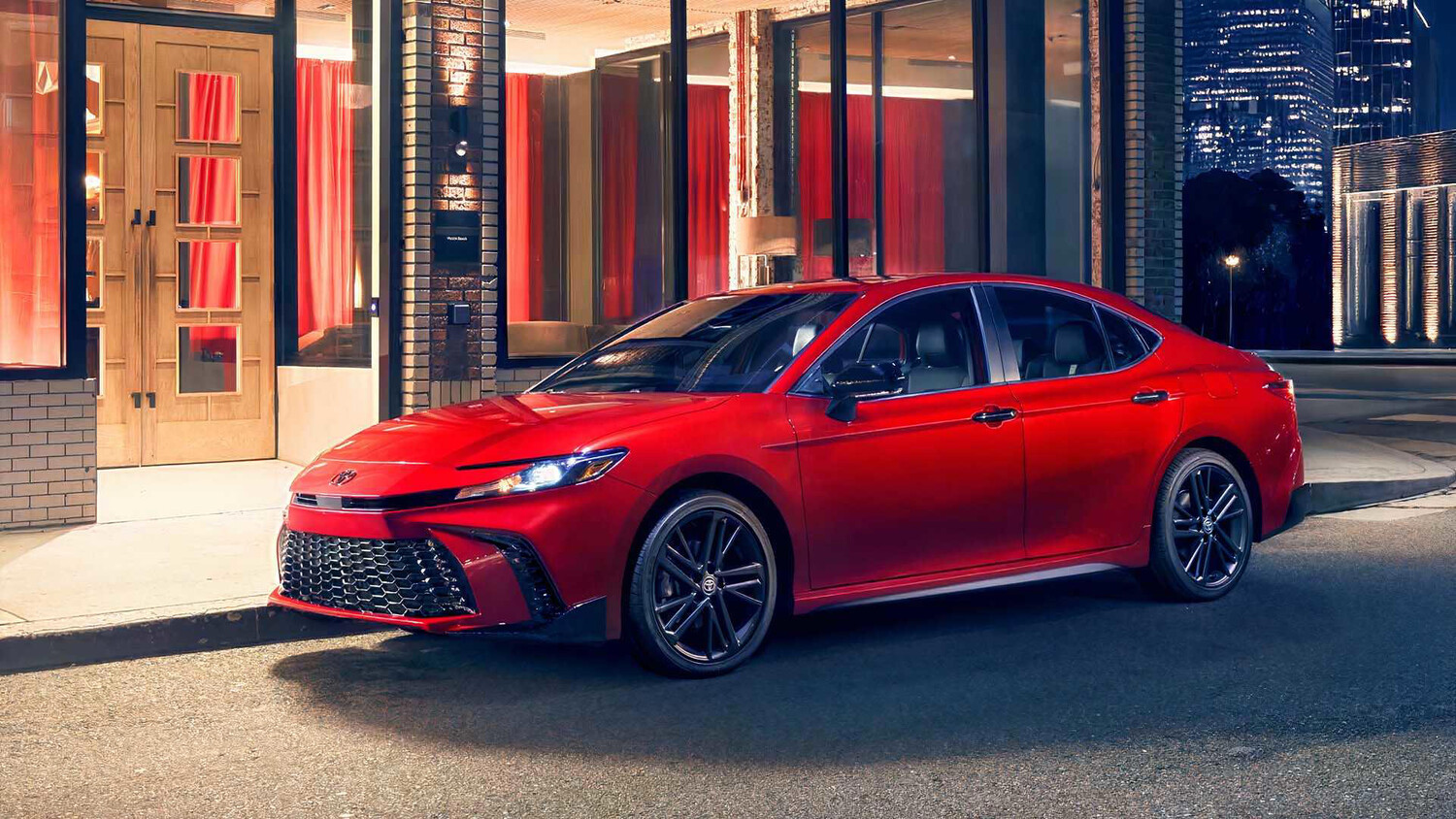
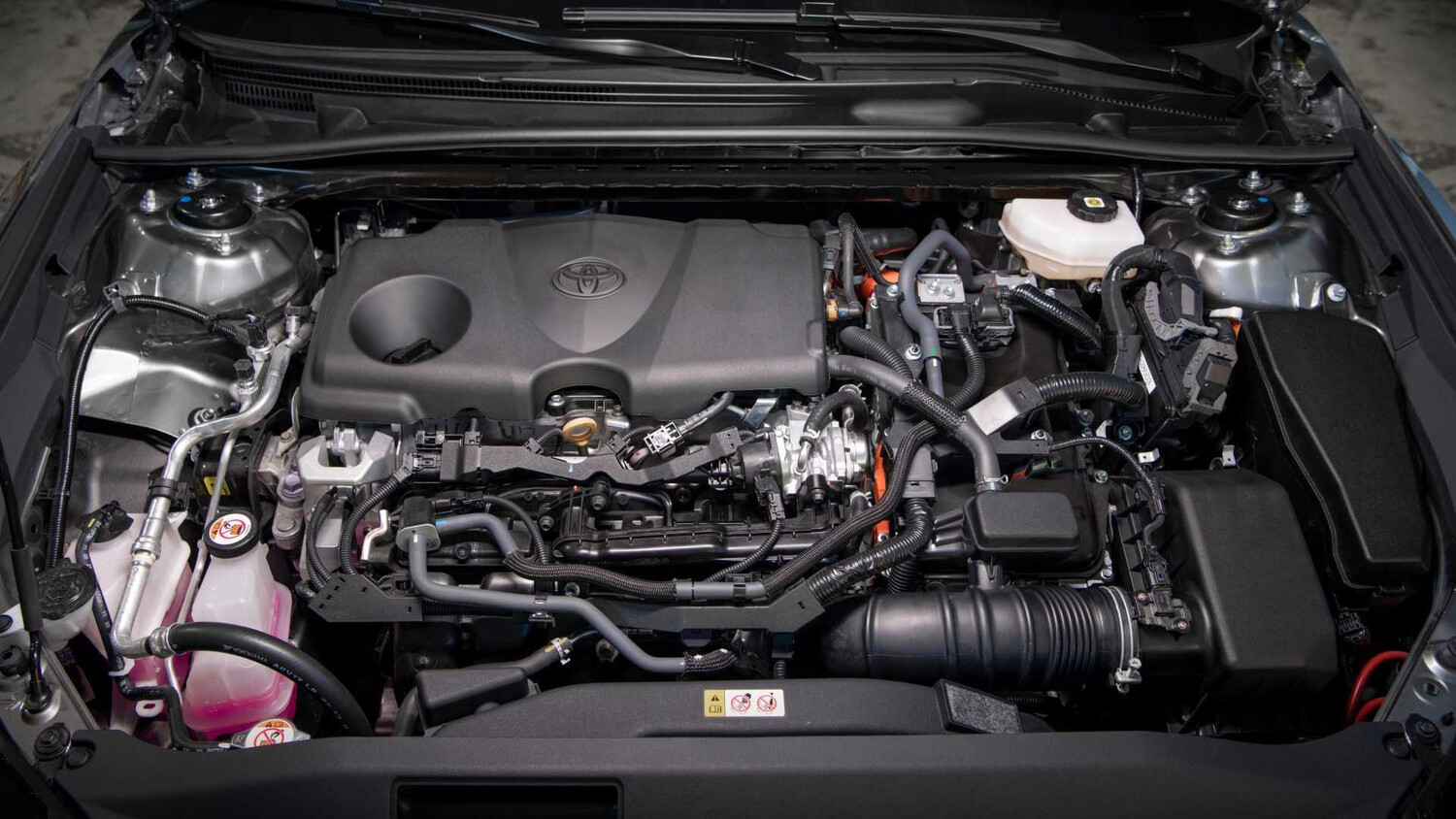
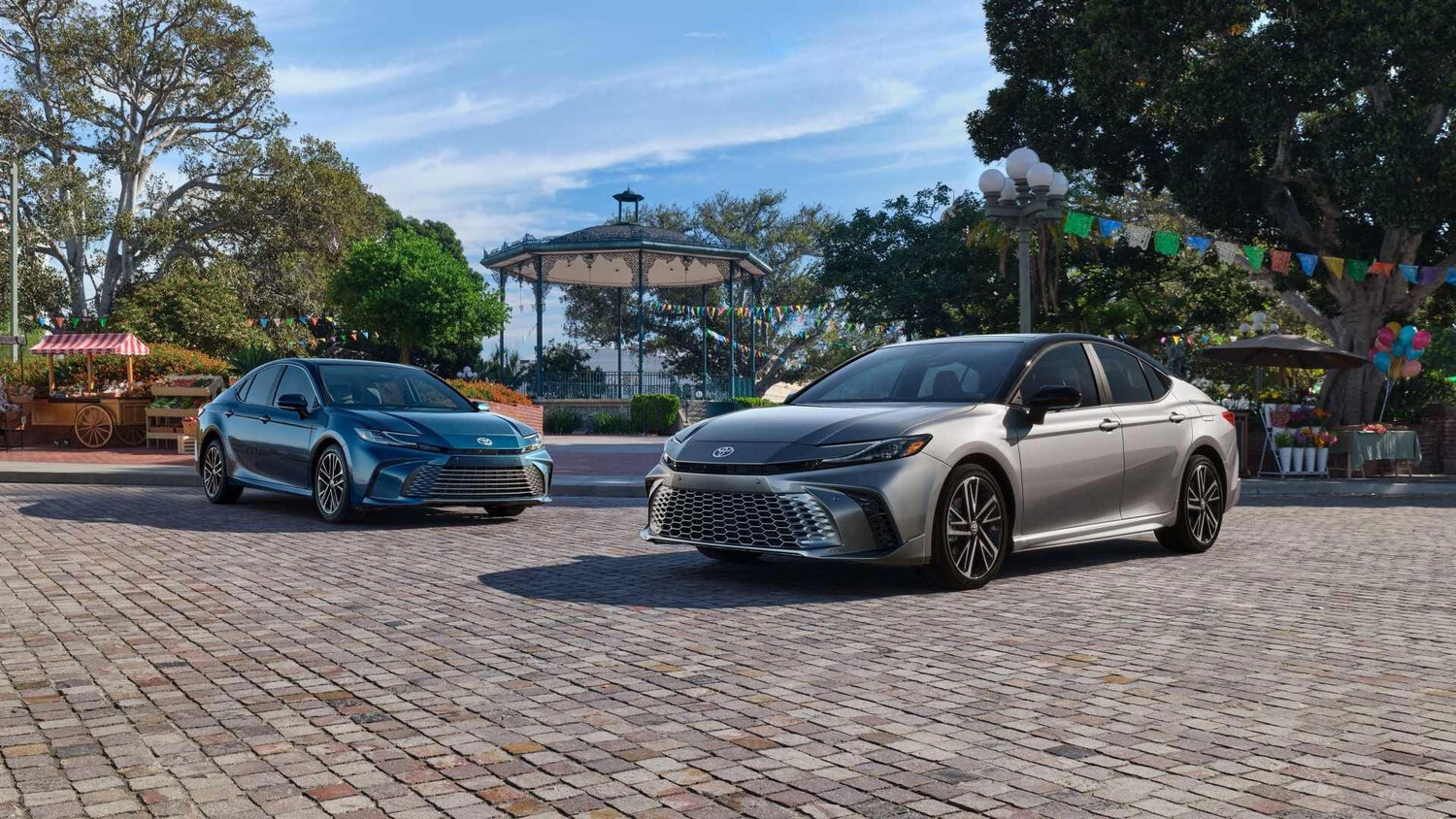
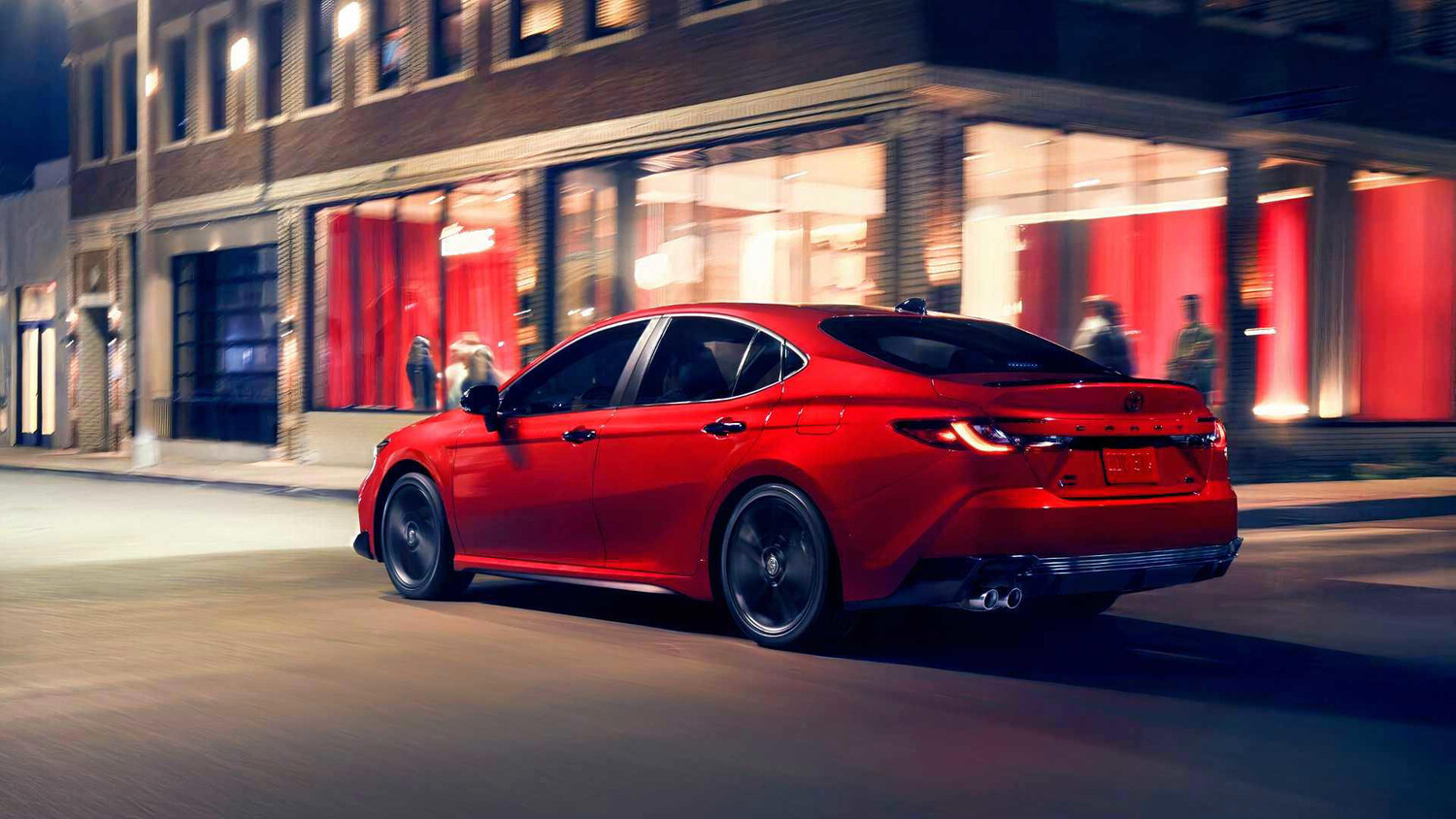
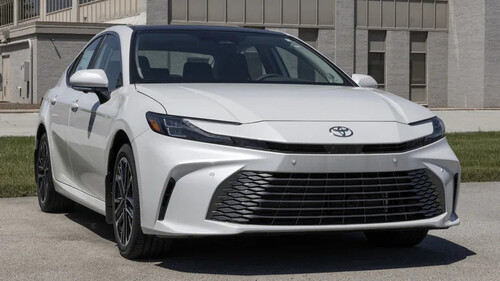
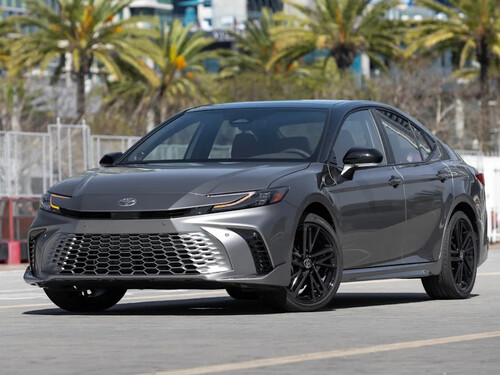
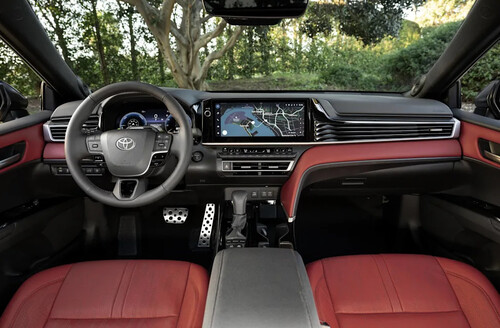
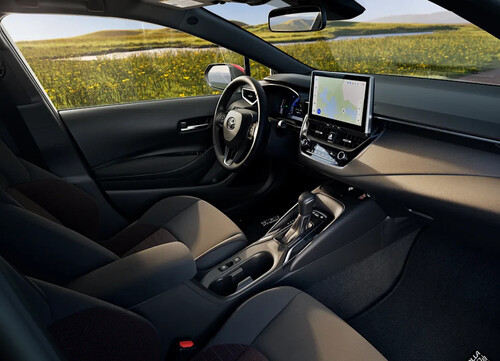
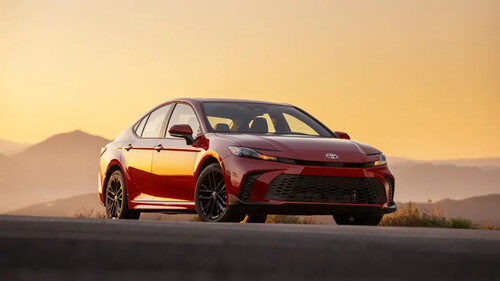
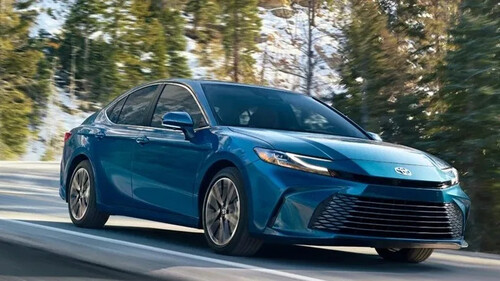
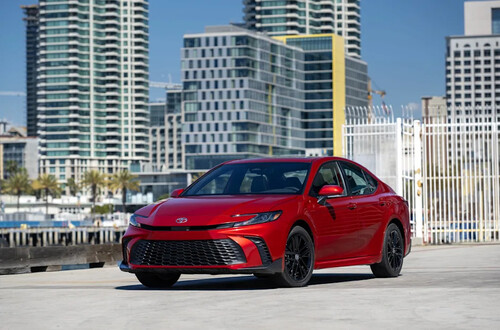
Toyota's vehicles are reaching new popularity levels in the U.S., with a reported year-end 2025 sale of a whopping 2,518,017 vehicles. That’s up by 8 percent compared to 2024. This is thanks to several reasons, the most prominent of which is the steadily increasing cost of gasoline in conjunction with the decrease in demand for bigger displacement engines that don't prioritize reliability. Toyota's new models are also relatively more affordable when compared to the pricing difference from their counterparts from key competitors.This is thanks to Toyota's substantial investment in its drivetrains, resulting in improved efficiency ratings, more attractive economies of scale, and much more competitive pricing strategies. Most new vehicle consumers remain wary of the long-term costs involved with owning one, primarily because they will inevitably have to conduct noteworthy repairs after extensive use. Modern ownership costs include depreciation, but not forgetting routine maintenance, insurance, and refueling. If you're planning to dip your toes into a new car ownership from Toyota's catalog and are planning to start with the increasingly popular Toyota Camry, which features a hybrid-only drivetrain that is proven to last well beyond 300,000 miles. UPDATE: 2026/03/24 We have updated this article with more details on Toyota's reliability, sales figures, the Camry's interior comfort and features, and more images. Toyota Is At The Forefront Of Reliability Craig Cole | TopSpeedToyota is a brand built on decades of proven long-term dependability and quality. While other manufacturers jump from one experimental one-off to another, this Japanese manufacturer prides itself on the art of long-term development with a human touch. It’s called Jidoka, a philosophy that blends automation with deep human understanding and control, where full automation follows only after complete mastery is achieved. It’s the reason why so many Toyotas out there have clocked over 200k miles on the odometer and are still going strong. Bring A TrailerThere’s more to Toyota’s reliability than this, though. The manufacturer focuses on simple, proven engineering, rather than over-complicated systems with unnecessary tech. It focuses on perfecting core functions, especially when it comes to powertrain designs. The result is a car with fewer mechanical issues, less stress on the systems, and easier long-term maintenance. And Toyota builds on that with a vast service network and readily available parts. The Toyota Camry's Incredibly Reliable Drivetrain ToyotaiSeeCars issues the Toyota Camry with an 8.6/10 overall score, which includes 8.0/10 for reliability, 9.0 for safety, and 8.8 for retained value. It also indicates that you can expect it to cover 13.2 years or 172,467 miles with a 32.2 percent probability of reaching 200,000 miles. Similarly, J.D. Power gives the 2026 Toyota Camry a quality and reliability score of 80 out of 100.ToyotaThe 2026 Toyota Camry's HEV system is largely based on the previous-generation one, so it should benefit from the same mechanical integrity. Although rare, there are a few examples on used listings with well over 300,000 miles covered on the odometer, proving the system's ability to cover this mileage.Toyota Where depreciation is concerned, you can expect the model to lose $10,829 or 37.7 percent of its value over five years or 60,000 miles, which is well under the segment average. CarEdge highlights that the Toyota Camry will cost $36,432 to own over the same period, with $14,274 accounting for depreciation, $10,060 for insurance, $4,530 for fuel, $6,056 for interest, and $1,512 for maintenance. 2026 Toyota Camry True Ownership Cost According to Edmunds' True Cost To Own calculator, you can expect a new base front-wheel-drive 2025 Toyota Camry LE to cost you $38,952 over the course of five years. This includes $10,795 worth of depreciation, but excludes the $28,700 MSRP. You'll also find yourself spending $7,631 on insurance, $3,213 on maintenance, and just $773 on repairs. Your taxes and fees will also be incredibly low, with the calculator showing that you're only likely to spend $3,627. If you opt to finance the base 2025 Camry, this will add $5,687 to your ownership costs, while fuel will cost you $7,226, based on average driving distances in the U.S. Equally Impressive Fuel Consumption Figures Toyota As per the EPA's official fuel consumption estimates for the 2025 Toyota Camry, you'll find that Edmunds' estimates are pretty much on par. The front-wheel-drive LE is the most attractive model, with it set to cost you $950 in fuel every year. The flagship all-wheel-drive XSE is just a bit more expensive to run, with its $1,050 annual fuel cost. 2026 Toyota Camry EPA Fuel Consumption Estimates The front-wheel-drive LE is the most efficient model, returning a 53/50/51 MPG consumption result on the city/highway/combined cycle with a 663-mile range claim from the 13-gallon tank. It also indicates that this will save you up to $4,000 in fuel costs every five years and costs $1.59 to drive every 25 miles.ToyotaThe all-wheel-drive XSE is the least frugal model, but this is only by a fractional amount. The EPA indicates that it returns a 44/43/44 MPG result with a 572-mile range claim and suggests that this will save you up to $3,250 in fuel costs every five years and cost $1.84 to drive every 25 miles. Expect to pay $41 to refill the 13-gallon tank, featured in all derivatives. How Much You'll Spend On A New Camry ToyotaToyota kicks the range off at $29,000 for the base LE front-wheel drive model, making it the most competitively priced hybrid vehicle in the segment. A lower starting price point for a newer car is always going to be a strong strategy, which is a factor that is clearly evident in its sales results.ToyotaThe most expensive Camry option is the XSE, which starts at $35,200. Toyota offers the all-wheel drive system across all trims for an additional $1,525. All of these prices exclude the brand's $1,195 destination fee. There are some optional extras available across all trims, but they are relatively far and few, as the brand prefers to take a more defined five-trim pricing strategy. Understanding The Camry's Incredible Reliability Standards Toyota The Toyota Camry has always been a value proposition product that caters to those wanting a decently sized family car that doesn't compromise on build quality or reliability. The lower trim models may not be the most prestigious options that you can consider, but the new-generation examples are much more comprehensively kitted out compared to previous generations.ToyotaToyota designed the A25A-FXS as the hybrid variant of its Dynamic Force 2.5-liter inline-four unit to deliver high thermal efficiency and smooth low torque. The engine operates on the Atkinson-like cycle with a 14.0 to 1 compression ratio, and D-4S combined direct and port injection to speed combustion and reduce pumping losses.ToyotaThe Japanese brand's engineers also designed the cylinder head and intake ports to increase tumble flow and use longer stroke dimensions to improve torque per displacement. The valvetrain features dual overhead cams with variable valve timing on both intake and exhaust to broaden torque and enable Miller Atkinson modes.Toyota Additionally, Toyota machines the block and head from aluminum alloy and uses forged steel internals where strength matters to keep mass low while retaining durability. Thermal management includes cooled EGR and refined cooling passages to control combustion temperatures. Toyota calibrates the engine for low RPM efficiency and smooth transitions to electric drive, which reduces stress on the internal parts.ToyotaMoreover, Toyota integrates the A25A-FXS into its TNGA architecture to standardize parts and service procedures, which improves world reliability and lowers long-term maintenance costs. Designers focus on tight manufacturing tolerances and robust sealing to limit oil consumption and extend service intervals overall. The Toyota Camry Is The Highest-Selling Sedan For A Reason ToyotaAccording to Toyota’s 2025 sales report, the Camry is its highest-selling sedan in the U.S., moving 316,115 units in the year. That’s more than the Prius hybrids; this also makes the Camry the highest-selling sedan in the US. It is only seconded by another Toyota, the RAV4, which is the highest-selling SUV in the country. The only other vehicles outselling the Camry are a handful of pickup trucks, like the Ford F-150, and a couple of SUVs. The Camry gets to be here for more reasons than just its long-term dependability, fuel efficiency, and resale value. ToyotaThe Camry takes a no-nonsense approach to the midsize sedan segment, offering a spacious cabin for five with a respectable 15 cubic feet of cargo space. The cabin features cloth upholstery and dual-zone climate control as standard, while the higher trims add leather upholstery, heated seats, and steering wheel, auto-dimming IRVM, and more. NHTSAIt also features a standard 8-inch infotainment screen with higher trims offering a larger 12.3-inch unit; both are compatible with wireless Apple CarPlay and Android Auto. And its Toyota Safety Sense 3.0 also makes it one of the safest cars in the segment. Adding to that is the Insurance Institute for Highway Safety (IIHS) Top Safety Pick+ title, which only adds a cherry to this cake. ToyotaIt’s this combination of reliability, space, and features that makes Camry a smart pick in 2026. It offers traditional sedan comfort, paired with efficient and powerful powertrains that can keep running for over 300k miles with little work. Additionally, in its current generation, it also looks sharp without feeling overdone. So, if you’re looking for a sedan in 2026 that you can use well past 2036, the Toyota Camry is the best pick.