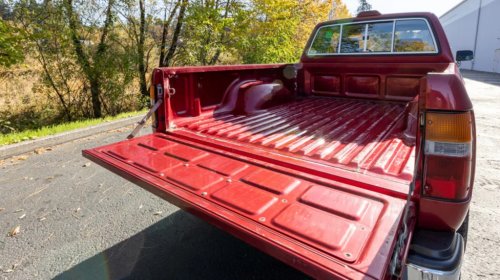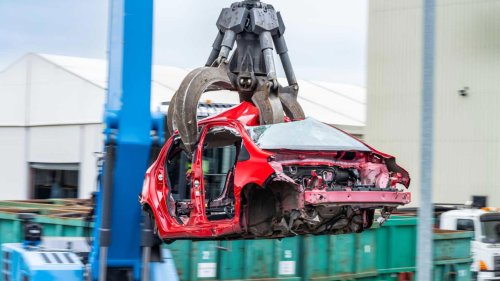
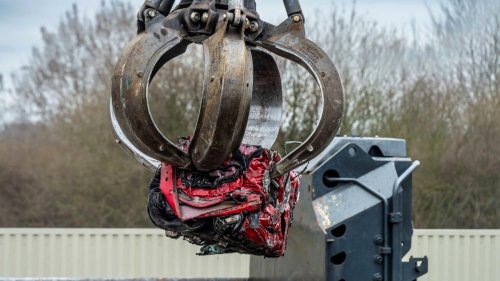
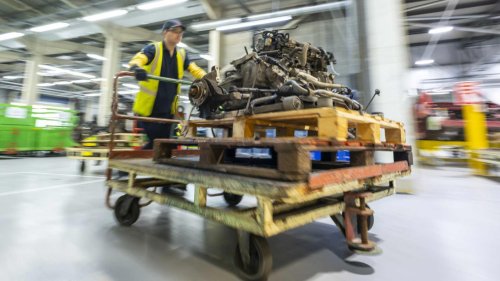
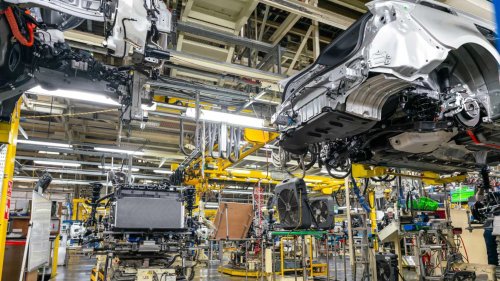



















It takes an enormous amount of energy and virgin materials to make an automobile today. Every automaker is chasing a "circular" business model that means recycling every bit of scrap in producing new components, integrating other streams of recycled materials beyond auto plants, and striving for carbon neutrality in manufacturing by relying on hydrogen-powered forklifts, biogas, and renewable electricity, such as wind and solar. BMW's plant in South Carolina uses methane gas piped in from a local landfill to provide more than 20% of its energy needs.The goals often carry a timeline. Volvo wants to achieve circularity by 2040 by eliminating waste and pollution, using more recycled materials, and remanufacturing and reusing parts. Ford has set 2035 as its target for reducing greenhouse gas emissions from US facilities by up to 50% through renewable energy and by stepping up recycled material use. Recycled aluminum also makes its way into Ford F-150 truck beds.Toyota UK Today, Toyota is sharing details about how it's recycling old aluminum alloy rims for use in engine blocks for new Corollas produced in the UK. It happens at the automaker's first Toyota Circular Factory in Burnaston, northeast of Birmingham. As old Toyota's reach the end of the road at the facility, workers there drain fluids, remove airbags and electronics, separate tires from rims, salvage the entire powertrain, and remove all interior plastics – for recycling, of course – before the body is craned away to an ignominious end in a giant crusher. The Circle Of Life – In Burnaston Toyota UK The goal at the Toyota Circular Factory is to recycle and repurpose as much material as possible, and the automaker says this first‑of‑its‑kind operation will be part of a future network of circular facilities across the region, including a second TCF plant in Poland, set to open this year.At Burnaston, aluminum alloy rims rescued from end-of-life Toyotas are processed and prepared for re‑use, then shipped to Toyota’s engine plant in Deeside in northern Wales, where that aluminum finds new life in block castings and other hybrid powertrain components.Toyota UK "These hybrid power units then return to Burnaston for installation in new Toyota Corolla vehicles, effectively closing the loop from old wheel to new engine," Toyota said in a statement.The first such Corolla benefiting from the process rolled out of the factory on March 19. The automaker even ties in its heralded Toyota Production System principles to determine how to improve vehicle design and manufacturing to improve circularity in the future. Recycling factors prominently in the Toyota Environmental Challenge 2050, which is now 10 years old, aimed at achieving carbon neutrality in all its global products and operations, with a stretch target to reach the goal in Europe by 2040 in complying with new regulations there. 5 Million Toyotas From Burnaston Toyota UK Toyota picked Burnaston for its first TCF location because the UK has one of Europe’s largest end-of-life vehicle markets. The UK is one of the few right-hand-drive nations in Europe, so most vehicles sold there remain in country through the end of life.When Toyota opened the Burnaston assembly plant in 1992, it was the first in Europe to manufacture hybrid vehicles. Since then, the plant has produced more than five million cars.When the next TCF plant opens in Wałbrzych, Poland, later this year, the automaker hopes it will be part of a regional network of circular operations capable of going beyond Toyota’s own activities and contributing to the "wider manufacturing ecosystem."Might Toyota open a similar facility in North America? A spokesperson says Toyota does not have such a facility here, but is asking around at corporate. We'll update the story if there's something new to report.