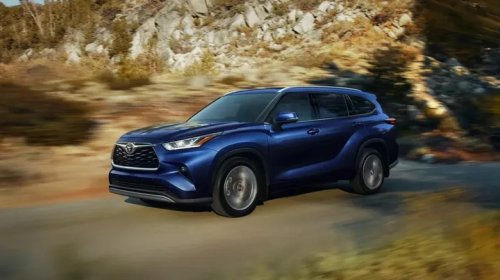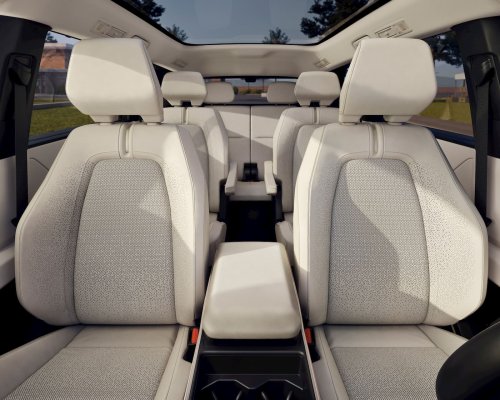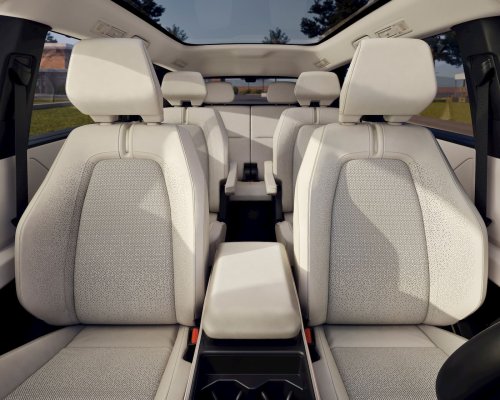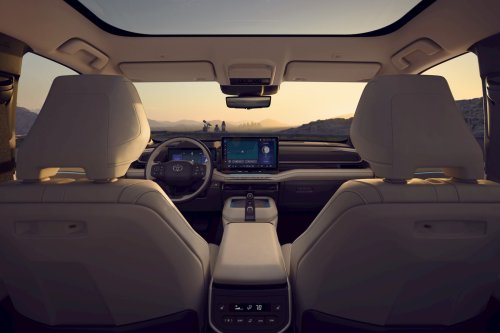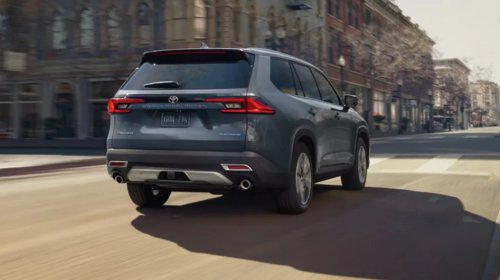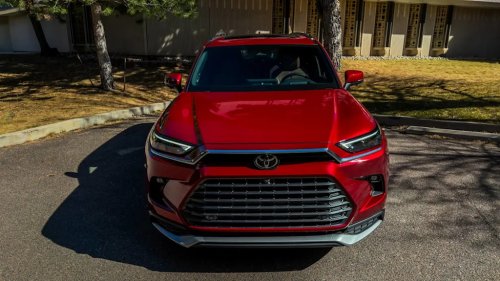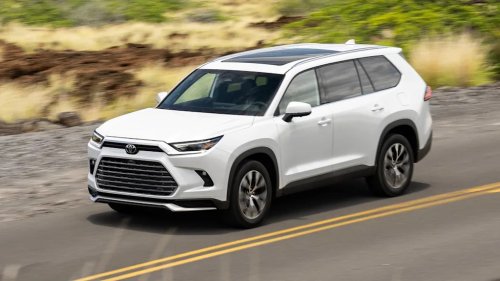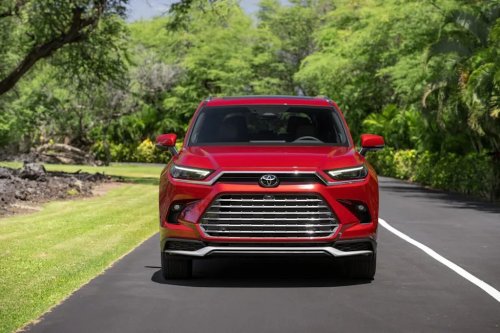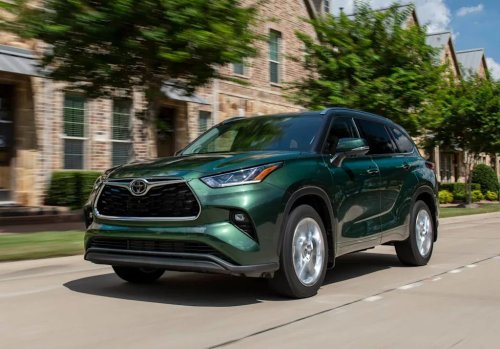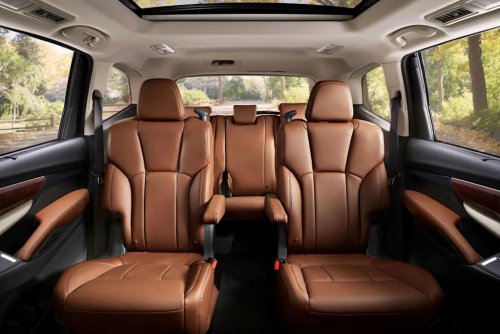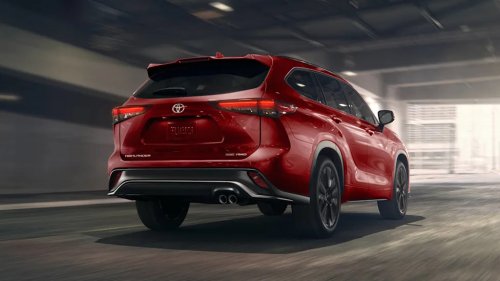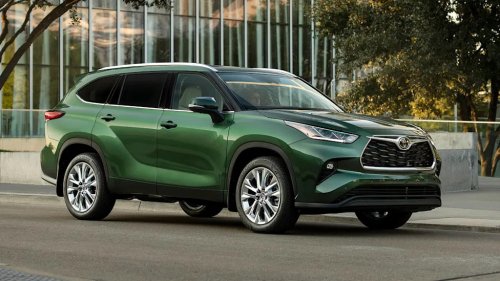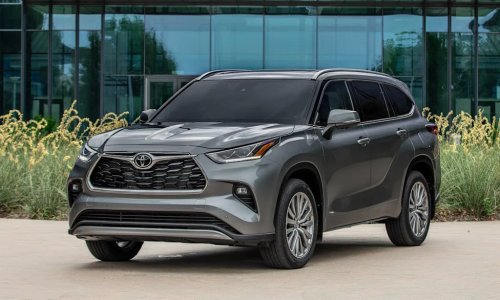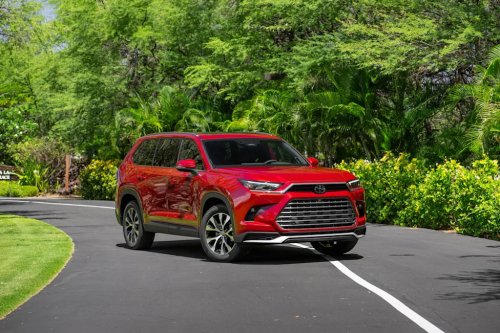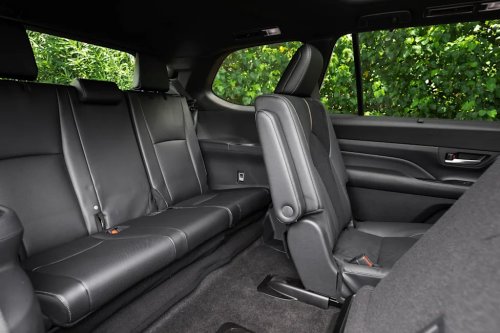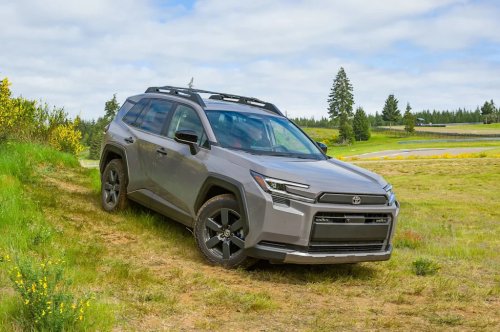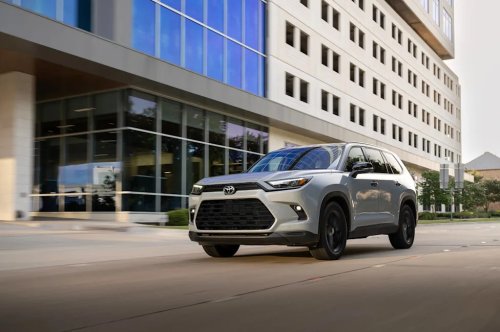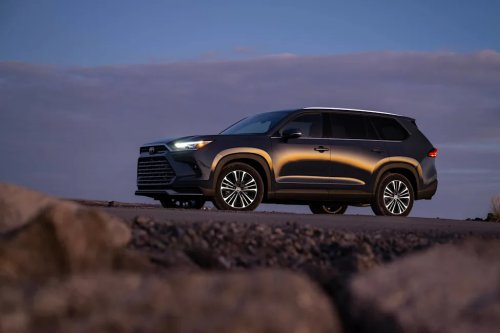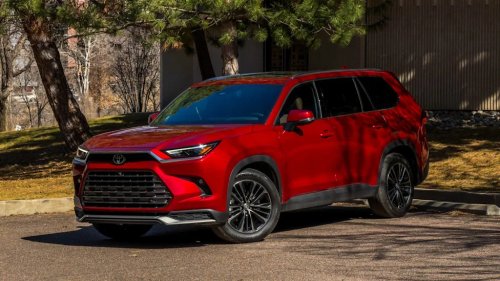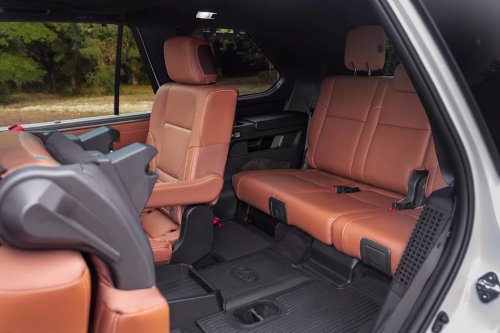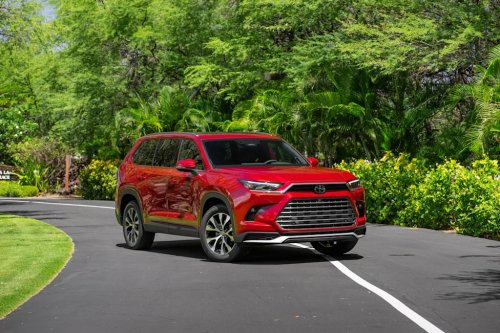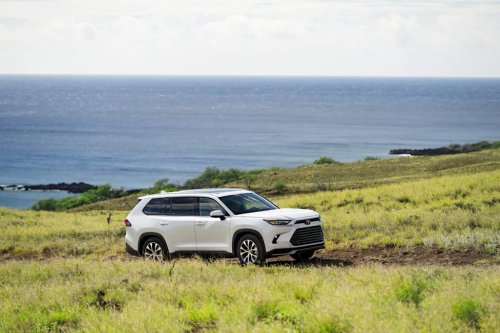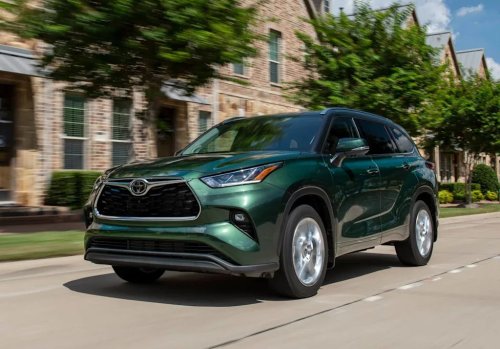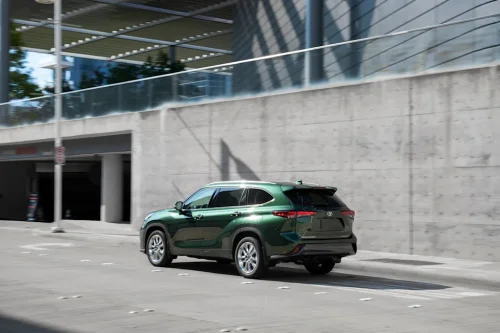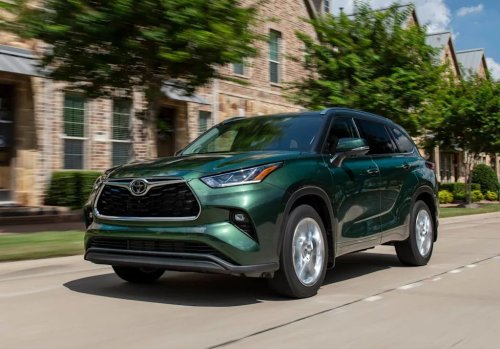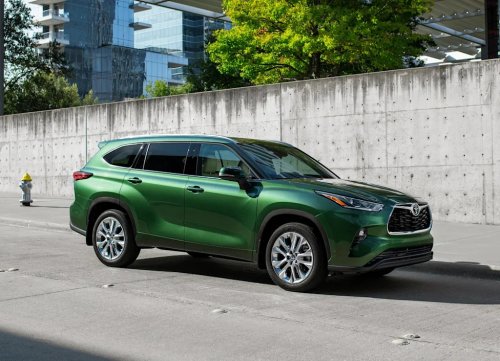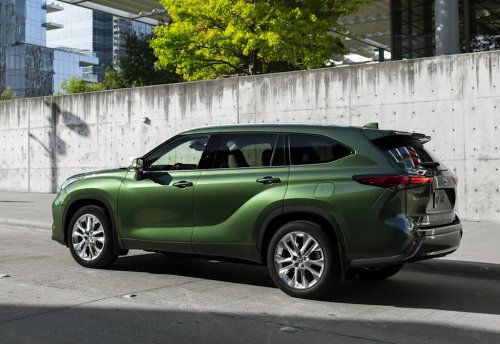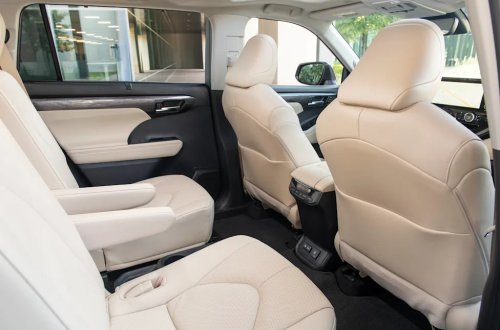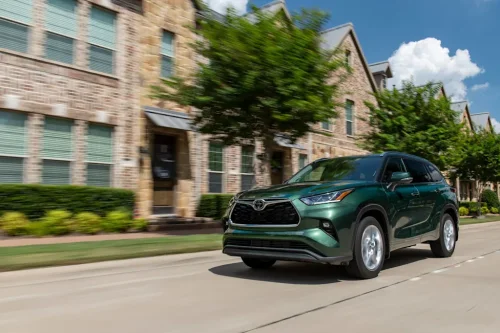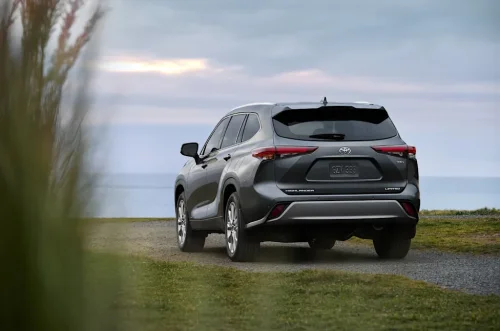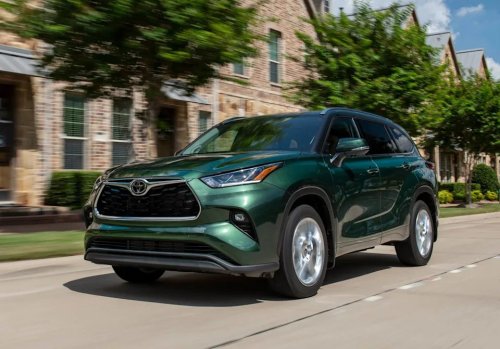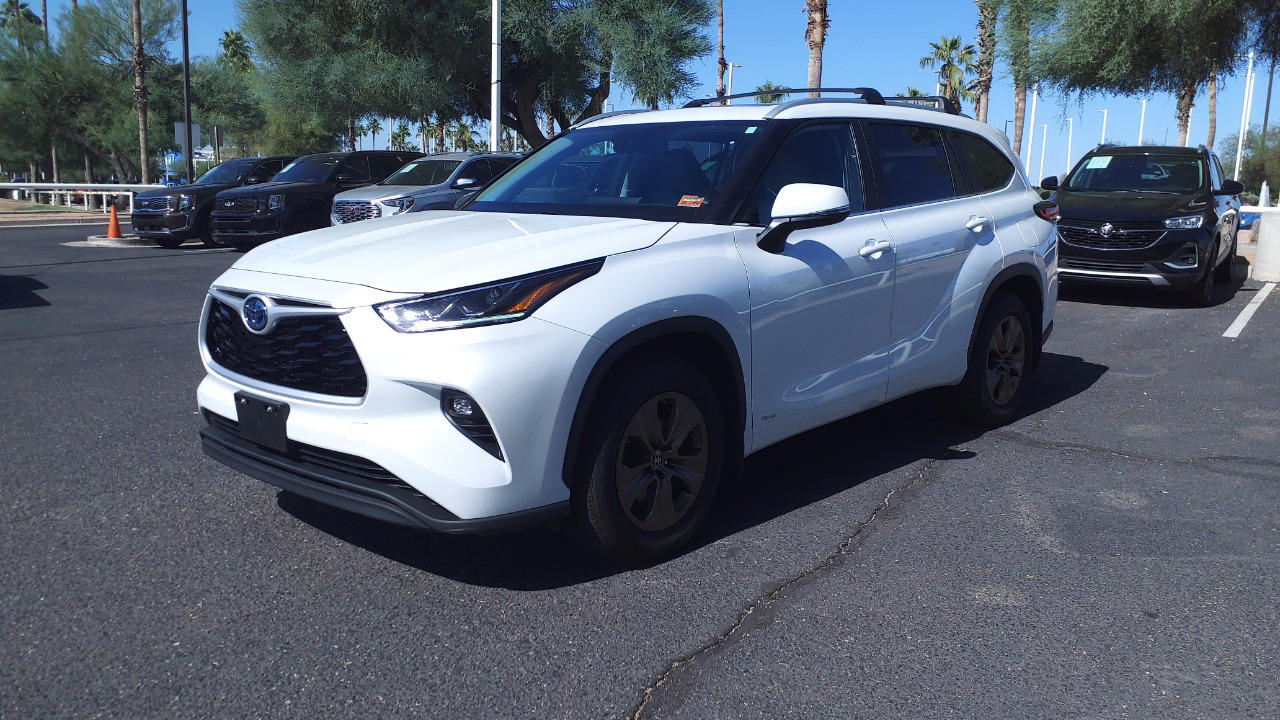


















Toyota recalls 550,000 U.S. Highlander models over 2nd-row seat-back lockToyota is recalling more than half a million Highlander sport utility vehicles in the United States after regulators identified a defect that can prevent some second-row seat backs from locking properly. The recall spans several recent model years and centers on a small plastic component that affects crash protection. The recall covers 550,007 vehicles and focuses on the locking mechanism that secures the adjustable backrests in place. Federal safety officials warn that if the part fails, second-row occupants face a higher risk of injury during a collision or sudden stop. What models are affected The action applies to certain model year 2021 through 2024 Toyota Highlander and Highlander Hybrid vehicles sold in the United States. In its recall bulletin, the company said the campaign affects specific production runs rather than every vehicle built during that period, though the total still reaches about 550,000 SUVs. Toyota said the recall covers 550,007 vehicles in the U.S. market. That total aligns with separate descriptions that refer to about 550,000 Highlander and Highlander Hybrid vehicles, reinforcing the scale of the campaign across multiple trim levels and powertrains. Toyota described the action as a recall affecting certain 2021–2024 Highlander models with three rows of seating. In a statement from PLANO, Texas, Toyota explained that the focus is on the second-row seat assemblies that allow owners to fold or recline the backrests for cargo flexibility and passenger comfort. Regulators and the automaker have not identified any other Toyota nameplates in the United States that share the exact combination of parts and design that triggered this specific recall. The scope is therefore limited to Highlander and Highlander Hybrid vehicles within the defined model years. How the defect works and why it matters At the center of the recall is a small plastic component in the second-row seat-back lock. The National Highway Traffic Safety Administration has described the problem as a condition in which the second-row seats in the recalled Highlanders do not always lock back into position as intended after adjustment. The lock is designed to engage when the seat back is returned upright, but in the affected vehicles the plastic part can be damaged or may not align correctly. According to federal safety filings, the defect can allow the seat back to move unexpectedly under load if the lock is not fully engaged. In everyday driving, that could mean the backrest shifts during a sudden stop, a sharp turn, or a rear impact. In more severe crashes, the seat structure might not provide the restraint support that engineers intended when they designed the occupant protection system. Reports summarizing the issue explain that the plastic component can be damaged during seat-back adjustment, which then prevents the mechanism from securely locking the seat in place. Once compromised, the part may allow the backrest to appear upright while remaining partially unlatched, a subtle failure that drivers and passengers may not detect visually. Safety regulators have linked this condition to an increased risk of injury for second-row occupants. If the backrest yields or folds when it should remain rigid, seat belts and airbags may not manage crash forces as modeled. The risk is particularly sensitive for children and smaller adults who often ride in the second row of Highlander and Highlander Hybrid SUVs. Public descriptions of the defect emphasize that the problem arises from the design and durability of the plastic element, not from owner misuse. The concern is that normal operation of the reclining and folding features can, over time, damage the part and set up the possibility of a failure in a critical moment. Regulatory response and Toyota’s recall plan The National Highway Traffic Safety Administration opened the door to this recall through its defect reporting process, which tracks complaints, manufacturer reports, and internal investigations. In its recall summary, the agency highlighted the risk that the second-row seat backs in affected Highlanders may not lock into position and flagged the associated injury hazard. Following discussions with regulators, Toyota agreed to conduct a safety recall of approximately 550,000 vehicles in the U.S. over the seat-back defect. Company statements describe the campaign as a proactive step to address the potential for second-row seat movement and to maintain compliance with federal safety standards. According to official materials, Toyota plans to notify owners by mail once replacement parts and repair procedures are ready. Dealers will inspect the second-row seat-back lock mechanisms and replace components where necessary, at no cost to owners. The company has indicated that it will use redesigned or more durable parts to prevent a recurrence of the issue. For now, regulators have not ordered the vehicles parked, and Toyota has not advised owners to stop driving their Highlander or Highlander Hybrid SUVs. Instead, the guidance focuses on monitoring the feel of the second-row seats and seeking service promptly if any looseness or unexpected movement is noticed during adjustment or driving. The recall also fits into the broader pattern of automakers working closely with The National Highway Traffic Safety Administration on potential defects that involve seat structures, restraints, and airbag performance. Federal regulators treat these systems as core to crash protection, and even small deviations from design intent often trigger formal action. What Highlander owners should do next Owners of potentially affected vehicles have several ways to confirm whether their SUV is included in the campaign. Toyota operates an online recall lookup tool where drivers can enter their vehicle identification number on the company’s dedicated recall page and see any open safety actions. Drivers can also search the federal database by visiting the National Highway Traffic Safety Administration’s recall portal and entering the 17-character VIN. That site lists all active safety recalls reported to the agency and provides additional detail on defect descriptions and remedy plans. For those who prefer direct confirmation from the manufacturer, Toyota has encouraged customers to contact their local dealer or customer service lines once they receive a notification letter. Some reports note that owners can call a dedicated hotline to ask about the status of their Highlander and Highlander Hybrid vehicles and to schedule repairs when parts become available. Coverage of the campaign has highlighted that the recall affects approximately 550,000 Highlander and Highlander Hybrid SUVs and that the defect involves a plastic component in the second-row seat-back lock that can be damaged during seat adjustment. One detailed summary explained that Toyota is recalling about 550,000 Highlander and Highlander Hybrid vehicles from model years 2021 through 2024 due to a problem that can increase crash injury risk for second-row passengers. Additional reporting described how the figure of 550,007 vehicles reflects the U.S. portion of the recall and how the issue was identified through the federal defect reporting system. That coverage also referenced images of Toyota Motor vehicles displayed for sale on dealer lots as context for the scale of the company’s U.S. presence. In its own news release titled Toyota Recalls Certain MY2021-2024 Toyota Highlander Vehicles, the company outlined the problem, the affected models, and the planned dealer remedy. Toyota framed the issue as a seat-back lock concern in the second row and reiterated that it would inspect and repair vehicles free of charge once owners bring them in. Other accounts of the recall, including a segment tied to FOX Business Flash top headlines, repeated the figure of 550,007 vehicles and described the defect as a seat-back lock that might not secure the second row in position during seat-back adjustment. That description aligns with the technical explanation provided in regulatory filings and Toyota’s own materials. More from Fast Lane Only Unboxing the WWII Jeep in a Crate 15 rare Chevys collectors are quietly buying 10 underrated V8s still worth hunting down Police notice this before you even roll window down