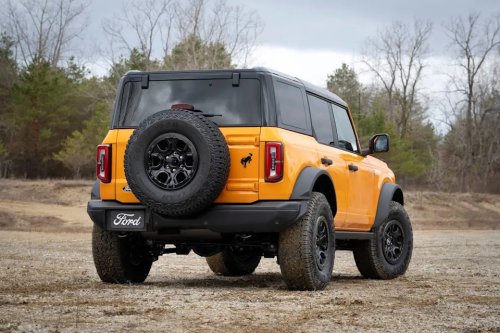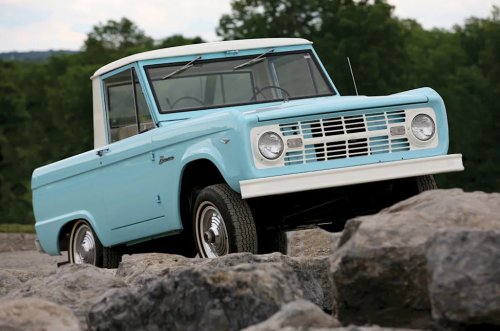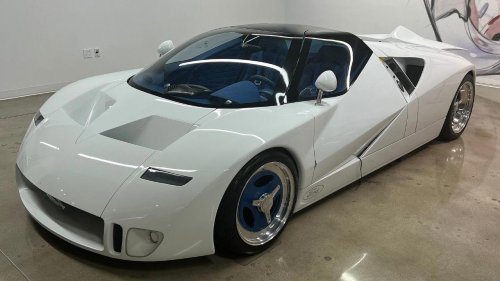
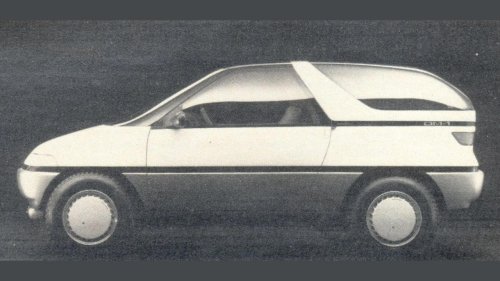
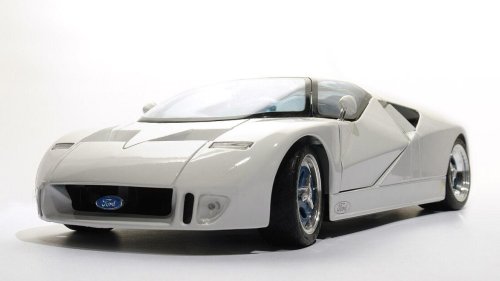
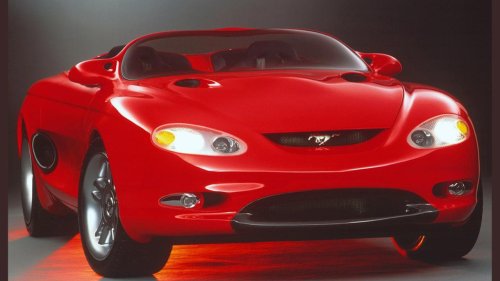
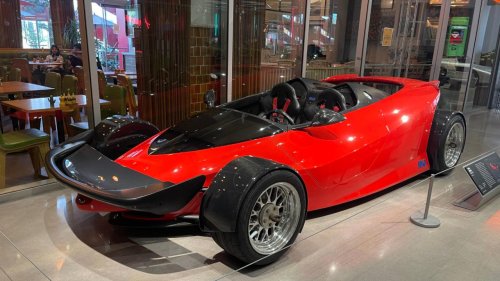
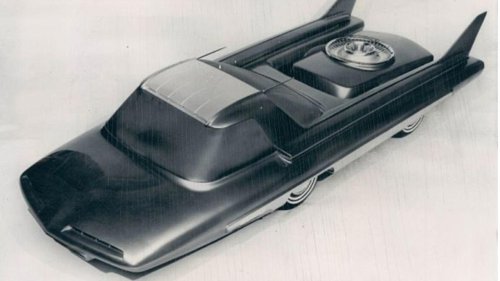



















Ford has a long history of creating concept cars that push the boundaries of design and technology. Some have gone on to inspire production models, while others have faded into obscurity. Here, I explore six Ford concepts that deserved more than a fleeting appearance on the auto show circuit.Ford Bronco DM-1The Ford Bronco DM-1 was a futuristic take on the beloved Bronco, debuting in the early 1980s. With its modular design and removable body panels, it was a versatile off-roader that catered to adventurers and outdoor enthusiasts. The DM-1’s focus on adaptability was ahead of its time, offering customizable features that could have set a new standard in the SUV market. Unfortunately, the Bronco DM-1 was never intended for production, serving instead as a showcase of innovative design. The concept’s ethos of modularity and adventure-ready features could have resonated with consumers, especially as interest in SUVs continued to grow. It’s a missed opportunity that could have expanded the Bronco legacy beyond its traditional roots.Ford GT90The Ford GT90 made its debut in 1995 as a futuristic supercar concept that captured the imaginations of automotive enthusiasts. Known for its striking design and cutting-edge technology, the GT90 was equipped with a quad-turbocharged V12 engine producing an astonishing 720 horsepower. Its sharp, aerodynamic lines and advanced materials were a bold statement of Ford’s engineering prowess. Despite its potential, the GT90 never moved past the concept stage. The vehicle’s groundbreaking technologies and performance capabilities were impressive, yet it was deemed too radical for mass production. The GT90’s legacy lives on as an inspiration for later performance models like the Ford GT, but enthusiasts still wonder what could have been if it had hit the assembly line.Ford Mustang Mach IIIThe Ford Mustang Mach III, unveiled in 1993, was a sleek, modern take on the classic Mustang. With its low-slung body and futuristic interior, the Mach III was a bold departure from traditional Mustang styling. Under the hood, it featured a 4.6-liter supercharged V8 engine, promising exhilarating performance to match its aggressive looks. Despite its striking design and potent engine, the Mach III never made it to production. At the time, its avant-garde aesthetics and performance-oriented features may have been perceived as too niche for the broader Mustang audience. However, with today’s demand for high-performance vehicles, the Mach III’s design cues and engineering innovations could have found a receptive market.Ford IndigoThe Ford Indigo, introduced in 1996, was a concept that drew inspiration from IndyCar racing. With its open-wheel design and futuristic styling, the Indigo was a head-turner. It featured a 6.0-liter V12 engine and a carbon fiber body, emphasizing performance and lightweight construction. While the Indigo was an ambitious project, it was never meant for production. Its design and engineering innovations, however, showcased the possibilities of combining racing technology with consumer vehicles. The Indigo remains a fascinating example of Ford’s ability to create thrilling and imaginative concepts that push the boundaries of automotive design.Ford NucleonThe Ford Nucleon, a concept from 1958, was an imaginative vision of the future where cars would be powered by small nuclear reactors. The Nucleon was designed to travel long distances without refueling, using a power source that was clean and efficient—at least in theory. Its space-age design reflected the optimism and technological curiosity of the era. Although the Nucleon was never feasible due to safety and technological limitations, it remains a symbol of mid-20th-century innovation. The concept car highlighted Ford’s willingness to explore unconventional solutions and left a lasting impression on the automotive world, even if it never hit the road.