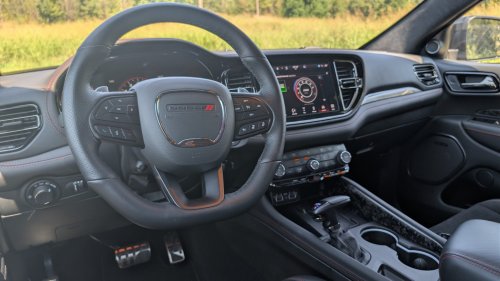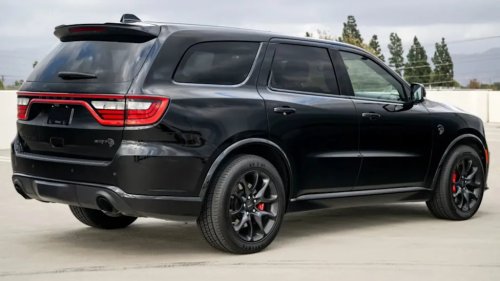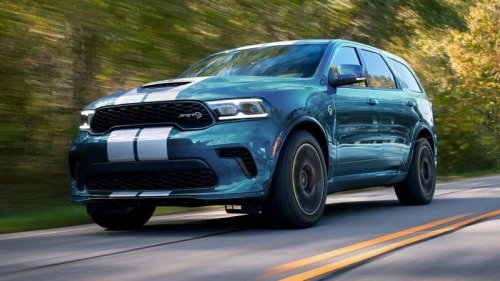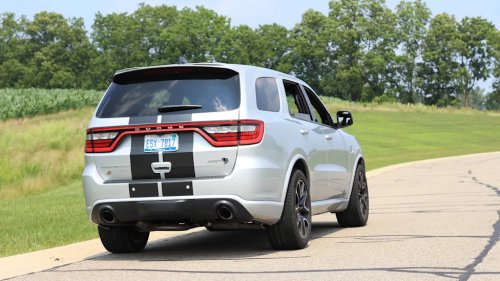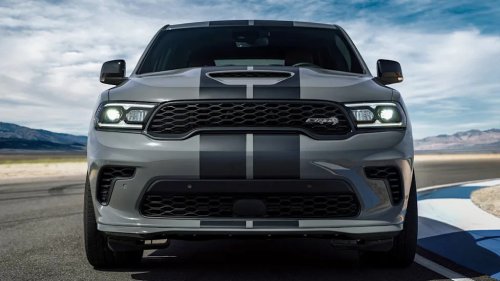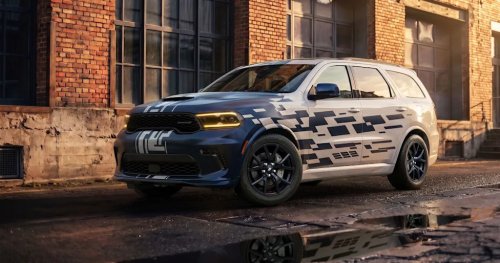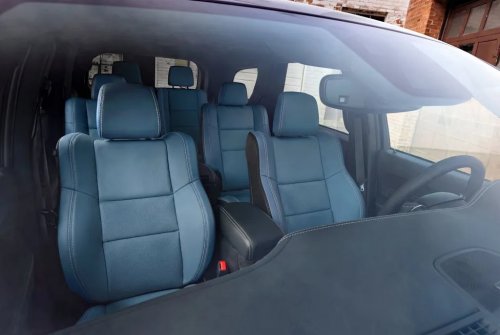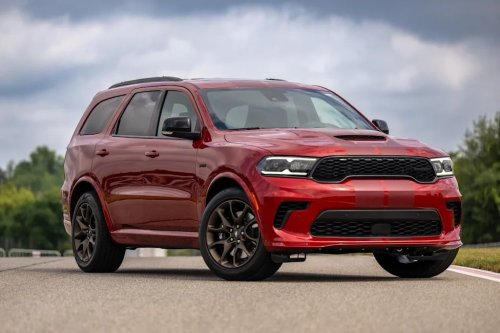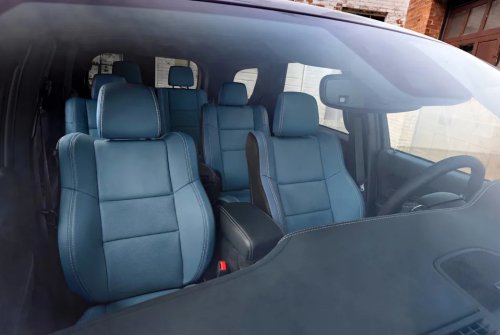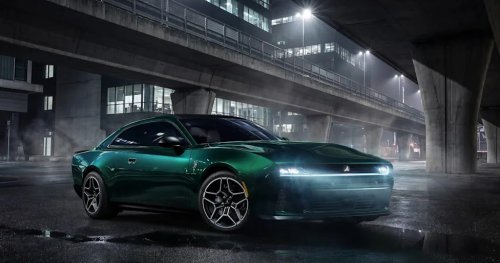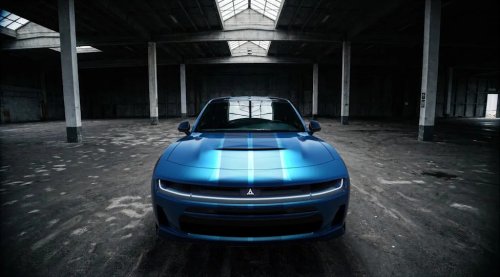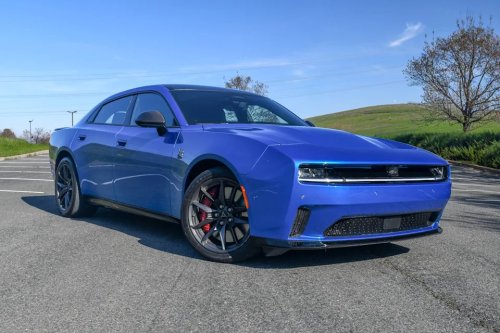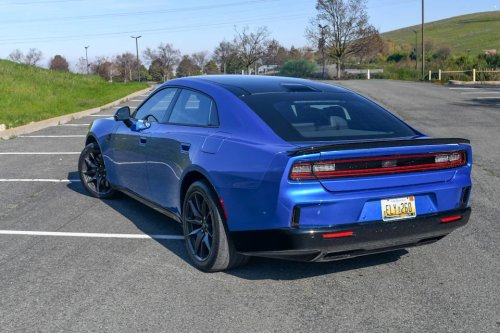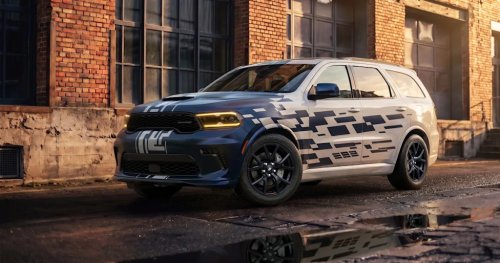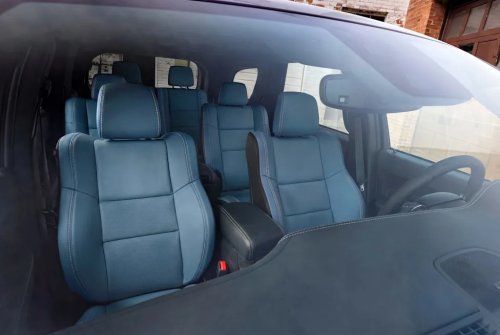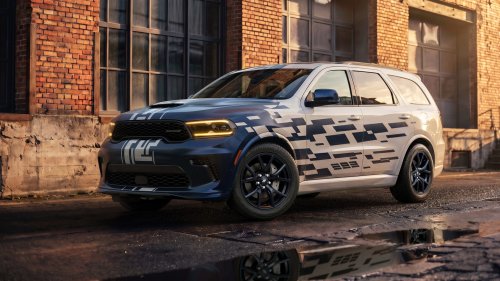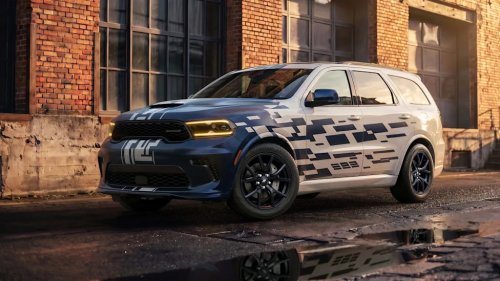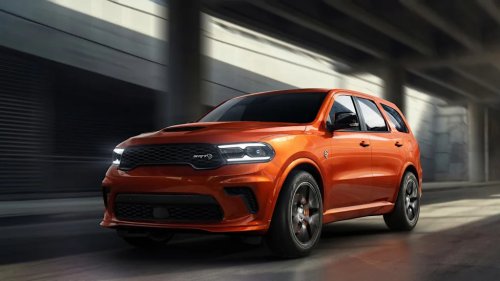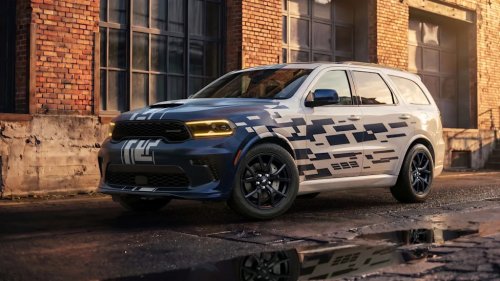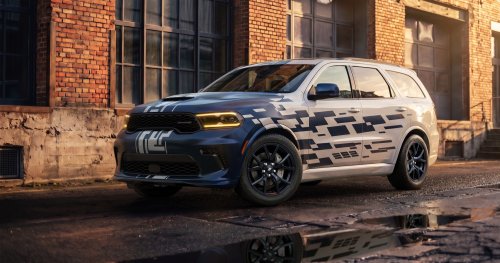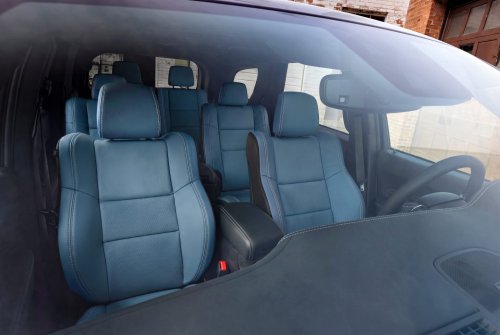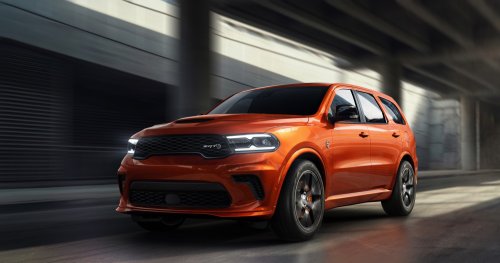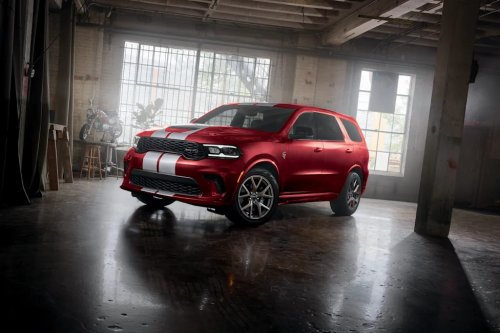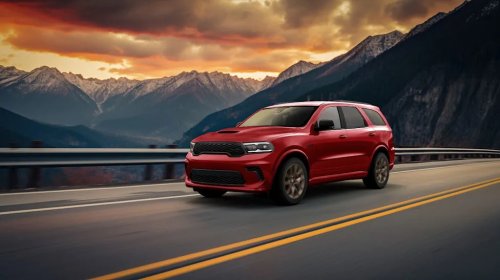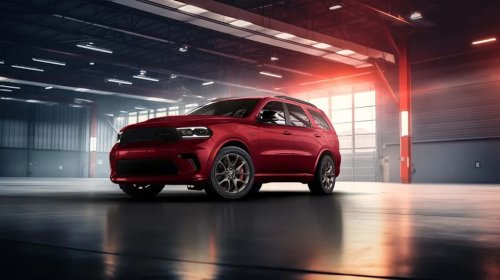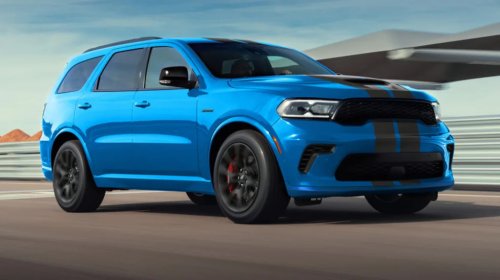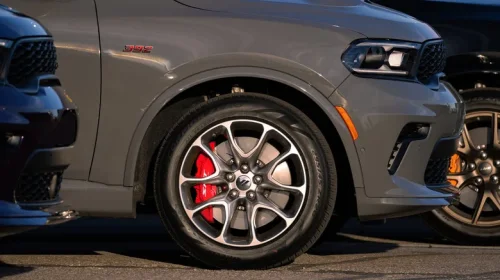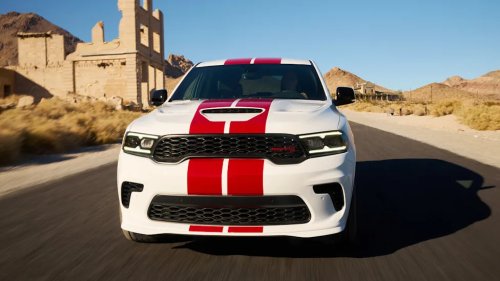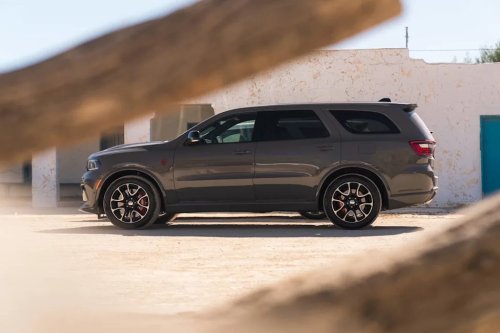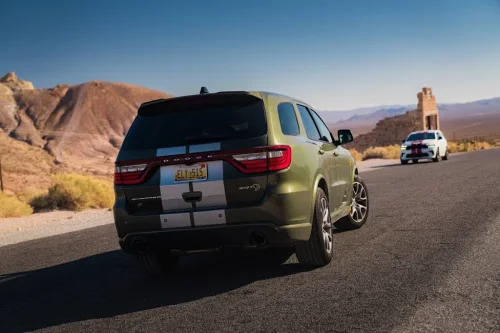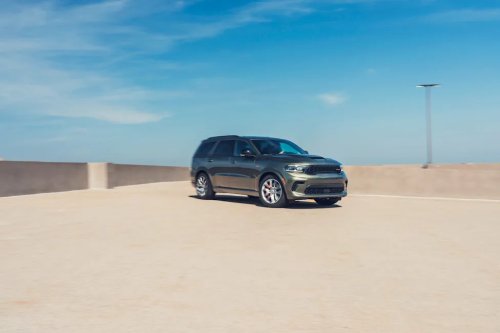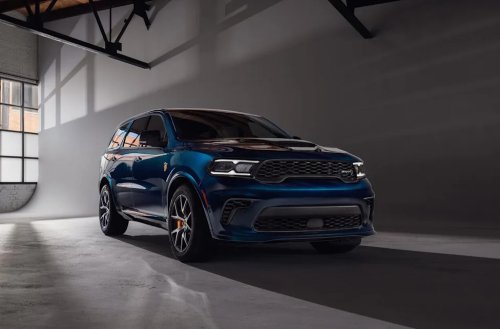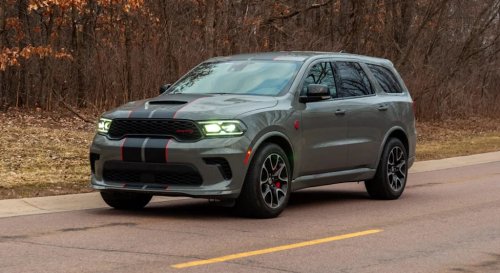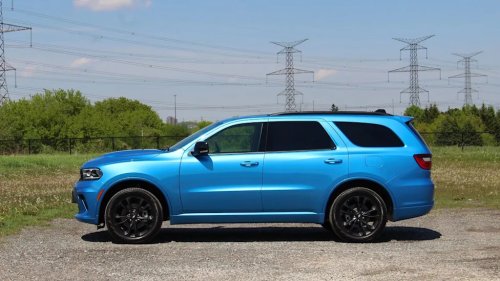
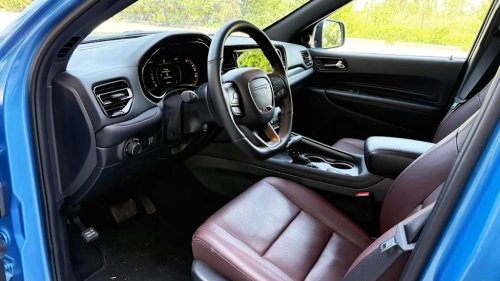
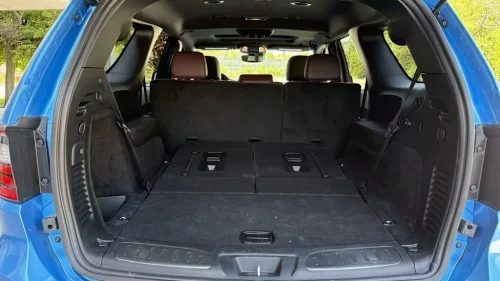



















three things you won t like about the 2026 dodge durango gtThe reality of the 2026 Dodge Durango GT Plus is that beneath the fresh paint and the blackout trim packages, you are still looking at an architecture that has been in continuous service for over fifteen years.While Dodge has mastered the art of keeping an old platform viable through continuous cabin updates and trim repackaging, a week behind the wheel of the V6-powered model reveals exactly where the vehicle's age catches up to modern segment expectations. Buyers looking to cross-shop this three-row against newer alternatives will have to make peace with three distinct mechanical and packaging trade-offs.Here are three things about the 2026 Dodge Durango DT Plus you're definitely not going to like:three things you won t like about the 2026 dodge durango gt1) The Eco Mode Dead Zone and Shift MappingThe 3.6-liter Pentastar V6 remains a durable, linear powerplant, but its marriage to the electronic transmission programming in the default Eco mode leaves a lot to be desired. In an aggressive effort to wring acceptable fuel efficiency out of a heavy, rear-wheel-drive-biased platform, the engine management software forces the eight-speed automatic transmission into the highest gear possible at the earliest opportunity.AdvertisementAdvertisementThis calibration regularly catches the driver flat-footed during routine highway passing maneuvers, requiring a deep stab of the throttle pedal to force a multi-gear downshift. Conversely, switching the vehicle into Sport mode sharpens throttle response significantly but causes the transmission to hold gears long past the point of necessity, driving up cabin noise and exacerbating an already poor baseline fuel economy rating of 17 mpg city and 24 mpg highway.three things you won t like about the 2026 dodge durango gt2) Sluggish Chassis Reflexes and Fixed Suspension TuningWhile the Durango's 4,875-pound curb weight sits within the historical average for a three-row family hauler, its structural underpinnings and entry-level Eco Suspension III configuration lack the dynamism found in more modern, unibody competitors.The 16.7:1 steering ratio feels slow by current standards, requiring more input at the wheel to navigate tight bends or urban parking structures. The fixed damping setup handles straight-line interstate cruising adequately, but the high center of gravity and older geometric layouts manifest as noticeable body roll when entering a corner with any amount of momentum. Buyers stepping out of a more modern alternative, such as a Ford Explorer ST-Line, will immediately notice a heavier, less responsive front-end feel when trying to change direction quickly.three things you won t like about the 2026 dodge durango gt3) Tight Third-Row Packaging and Limited Cargo Floor VolumeThe external footprint of the Durango spans just over 200 inches, positioning it squarely between compact crossovers and full-size body-on-frame trucks, but the interior packaging does not maximize that length as efficiently as its newer rivals. The third-row seat configuration features a tight 33.5 inches of legroom, rendering the back row largely unsuitable for adult passengers on long trips.AdvertisementAdvertisementFurthermore, when all three rows of seats are occupied by passengers, the remaining rear cargo volume shrinks to a narrow 17.2 cubic feet. This vertical, cramped space limits the vehicle's utility for family road trips unless owners resort to folding down sections of the Nappa leather seating layout to expand the floor area.Become an AutoGuide insider. Get the latest from the automotive world first by subscribing to our newsletter here.