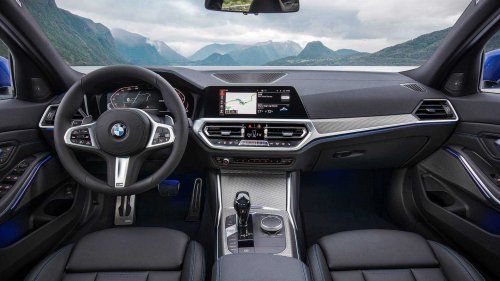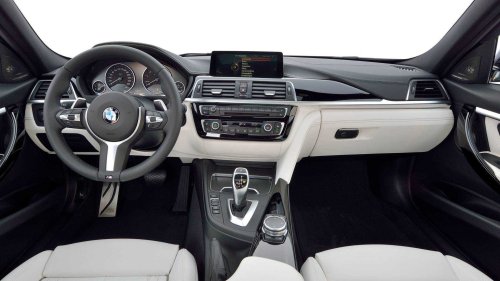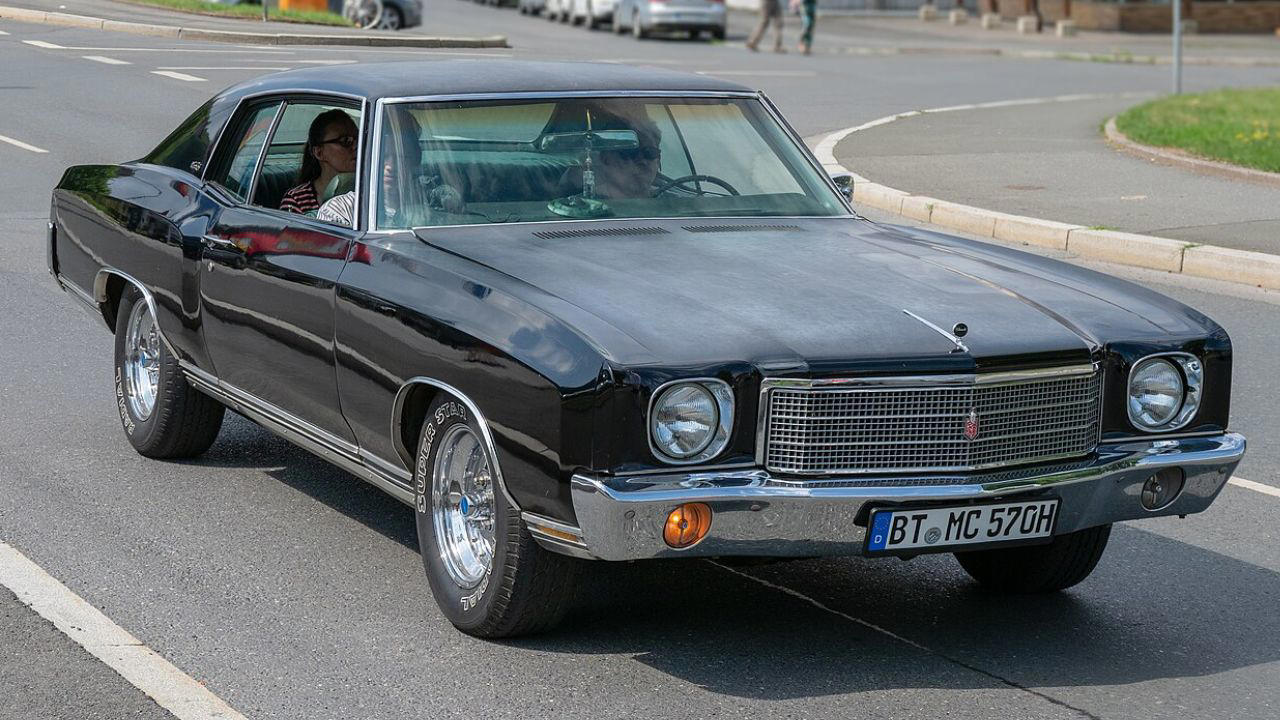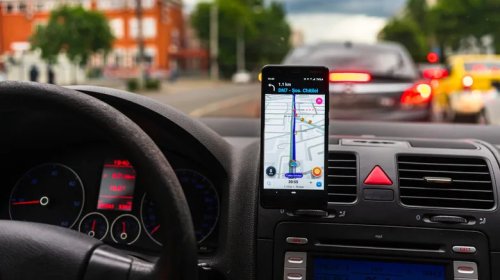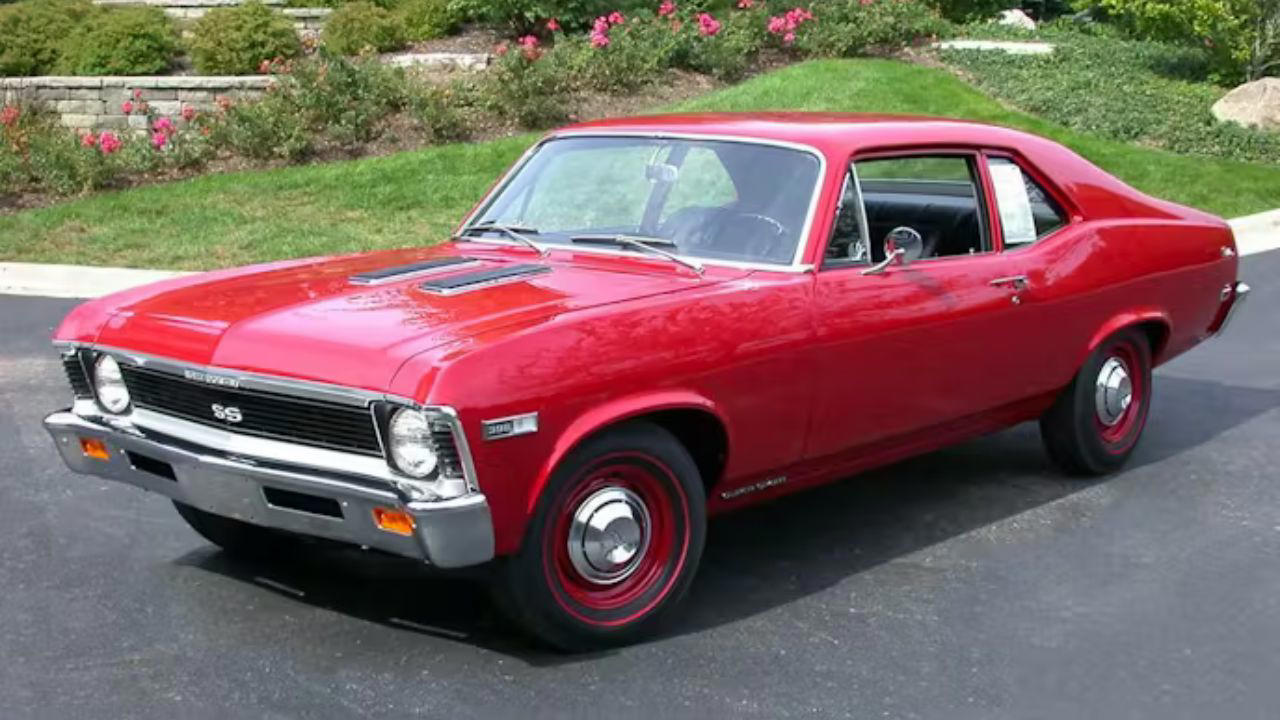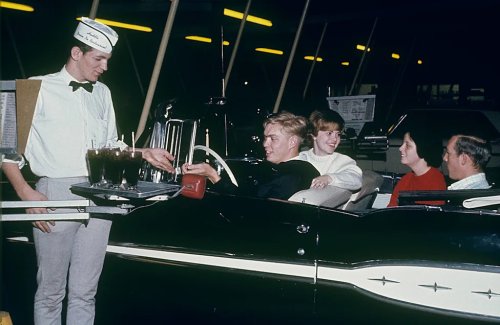
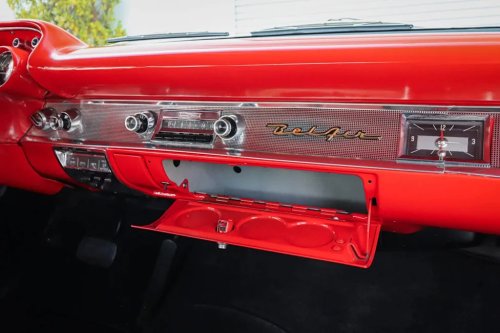
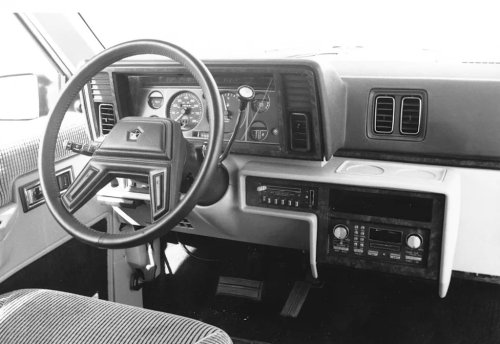
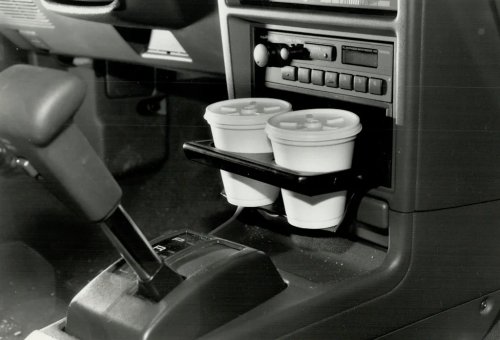
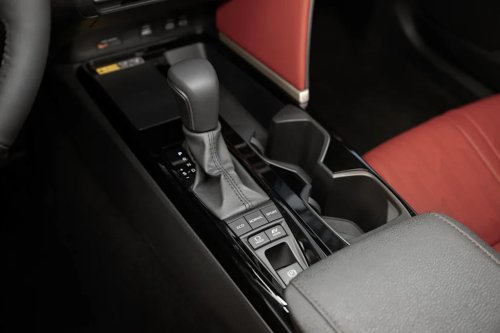























Autoblog and Yahoo may earn commission from links in this article.Cars and Food are InseparableIf you spend even five minutes scrolling through TikTok or YouTube, you've definitely run into the massive, seemingly endless wave of car-based food reviews. Whether behind the wheel of a Camry or a C-Class, creators and influencers have turned parked cars into miniature studios. With their phones on dashboard or windshield mounts and the steering wheel adjusted out of the way for a giant cardboard tray, the driver's seat is their own version of a late-night talk show host's desk. Whether you like this kind of content or not, there's a near-magnetic pull that keeps you watching someone unwrap the latest Taco Bell or Wendy's item under the glaring fluorescent light of a parking lot and completely unfazed by the world outside their windshield.Car enthusiasts may detest the idea of eating in cars for a variety of reasons, but if you really think about it, this entire online subculture would completely fall apart without the humble cupholder. It is the absolute unsung hero of the modern commute, silently holding down the fort (and our oversized Big Gulps and Dunkin iced coffees) while we navigate the delicate geometry of eating a meal behind the wheel. Our deep-seated reliance on this tiny plastic cylinder highlights a much larger shift: cars as just vehicles for transit anymore. They've evolved into genuine extensions of our living spaces; fully functional, private sanctuaries where we eat, work, seek entertainment, and occasionally film our lunch for millions of strangers online.Sjöberg Bildbyrå/ullstein bild via Getty ImagesA Place for BeverageThe time before cupholders were invented are not exactly the dark ages, but a piece of American history of generations past that we may have seen in the movies. The advent and proliferation of the drive-in restaurant in the mid-1940s to 1950s explored the idea of eating in your car as an activity, but at the time, eating and driving were not exactly mutually exclusive.AdvertisementAdvertisementThe earliest precursor to the modern day cupholder were novelties; mere accompaniments that assisted the idea that beverages can be consumed inside of a car. One patented invention from 1953, called the Automobile Seat Article Holder consisted of a tray held by a hinged plate wedged between the seat cushions. Meanwhile, the 1957 Chevrolet Bel Air came with small indents for cups located on the back of the glovebox lid, which were more like a tray than a holder for a cup.Bring A TrailerView the 2 images of this gallery on the original articleAs the decades progressed and public transportation use waned, an increasing number of Americans drove to work, which proliferated the car as a central space. Commuting, however, was not the only reason Americans spent more time on the road. Parents driving children to school and activities, family vacations, and managing busy schedules blurred the boundaries between time spent eating and driving. This evolution paved the way for fast-food drive-through windows, which became highly popular in the 1970s.It was around this time when automakers began something resembling the cupholder in a form we recognize today. In 1977, Chevrolet offered its K5 Blazer and pickup with an optional "color-keyed console of molded plastic and fitted with beverage holders," which closely resemble the familiar feature we see in today's cars. Despite the demonstrated need for such features, Chevrolet replaced the cupholders with square-shaped cubbies just a few years later.StellantisView the 2 images of this gallery on the original articleHolding Them InWhile automakers failed to provide a place for a beverage in cars, owners turned to the aftermarket for a solution. Throughout the 70s and 80s, cupholders that were mounted (more like wedged) into a car's window slot became widespread and were often given away by fast food restaurants like McDonalds as promotional items. In addition, aftermarket companies offered center consoles and floor-mounted cupholders, as without them, some motorists and passengers risked serious spillage by resting cups between their legs, or on other places in the vehicle. In 1984, the Plymouth Voyager and Chrysler Town & Country became two of the first vehicles to explicitly offer cupholders as standard; though they were tiny indents on the dashboard. Ironically, third-row passengers got cupholders that were deep enough to securely hold cups, however, they were obscured by the car's padding, which meant that you risked spilling if you used them.AdvertisementAdvertisementDuring the 1990s, shifting consumer preferences led to cupholders becoming a standard automotive feature, though early implementations often lacked the ergonomic feel of modern vehicles. Automakers frequently chose to conceal them, designing units that folded, popped out, or emerged from dashboards and center consoles. The financial investment in these features highlights their growing importance. In 1996, Ford stated that it spent $500,000 when it developed a fold-out design for the front bench seat in the Ford Taurus and Mercury Sable, while Chrysler invested a similar sum in the front cupholders of its third-generation minivans.John Mahler/Toronto Star via Getty ImagesYet despite their widespread integration and consumer appeal by the middle of the decade, these early often only held one size of cup; which was almost never the one the driver actually needed the cupholder for. Ironically, the person who came to the rescue of the cupholder was a guy that made cups. John Bridges, the then-R&D VP for Aladdin Industries decided to take action when customers complained that its insulated plastic mugs didn't fit cars' cupholders. In his own words, he admitted that his company "made close to 100 million mugs without much consideration about where people are going to set them."He had a goal: to standardize cupholder design and get automakers to adopt them. Between 1993 and 1995, he developed the universal cupholder. This plastic design was a multi-tiered structure that was made to snugly accommodate everything from an extra large paper cup to ceramic mugs,and even aluminum cans and plastic soda bottles. Its shape — wider at the top and narrow at the bottom — helped wedge these containers in place, preventing them from shifting while cars are in motion. Built to withstand up to 1.1 g of force during cornering, accelerating, and braking, its lightweight construction and practical design made it a viable fit for almost any car interior. In the end, the company partnered with General Motors and Mercedes-Benz on cupholders based on Aladdin's design.ToyotaView the 2 images of this gallery on the original articleEssential FeaturesAlthough Bridges' design didn't get widely adopted by every manufacturer, the idea of making a cupholder that can accommodate a wide variety of cup sizes and wedge them into place has persisted. Today, cupholders can incorporate any design features, such as tiered sides for different size cups and dimpled bottoms, though many cars' cupholders feature spring-loaded nibs that hold cups and bottles as if their lives depended on it.AdvertisementAdvertisementIt is undeniable that cars have become the third space apart from the home and the workplace for most people in the United States. According to data from the American Community Survey conducted by the U.S. Census Bureau, about 69.2% of American workers drove alone to get to work. In addition, the average American worker spent 27.2 minutes traveling to or from work in 2024, while 9.3% of workers spent an hour or more commuting. If you do the math, that means that the American spends roughly 4.72 days getting to and from work, of which, roughly 70% will do while behind the wheel of a car. With or without refreshment, that's a lot of time spent driving.Whether you use it to hold a fizzy beverage, an XXL-sized quad-shot iced cold brew, or as a place to rest your smartphone, the cupholder is an essential utility item in today's automobiles. It's a quiet testament to modern car culture, as it bridges the gap between people who use cars for transport and those who use it as an extension for a space meant for living. In short, the cupholder is proof that the customer is always right, as it remains as the silent, stable foundation that makes it all possible. It's no longer just a feature; it's an essential part of the modern American car experience.This story was originally published by Autoblog on Jul 17, 2026, where it first appeared in the Features section. Add Autoblog as a Preferred Source by clicking here.