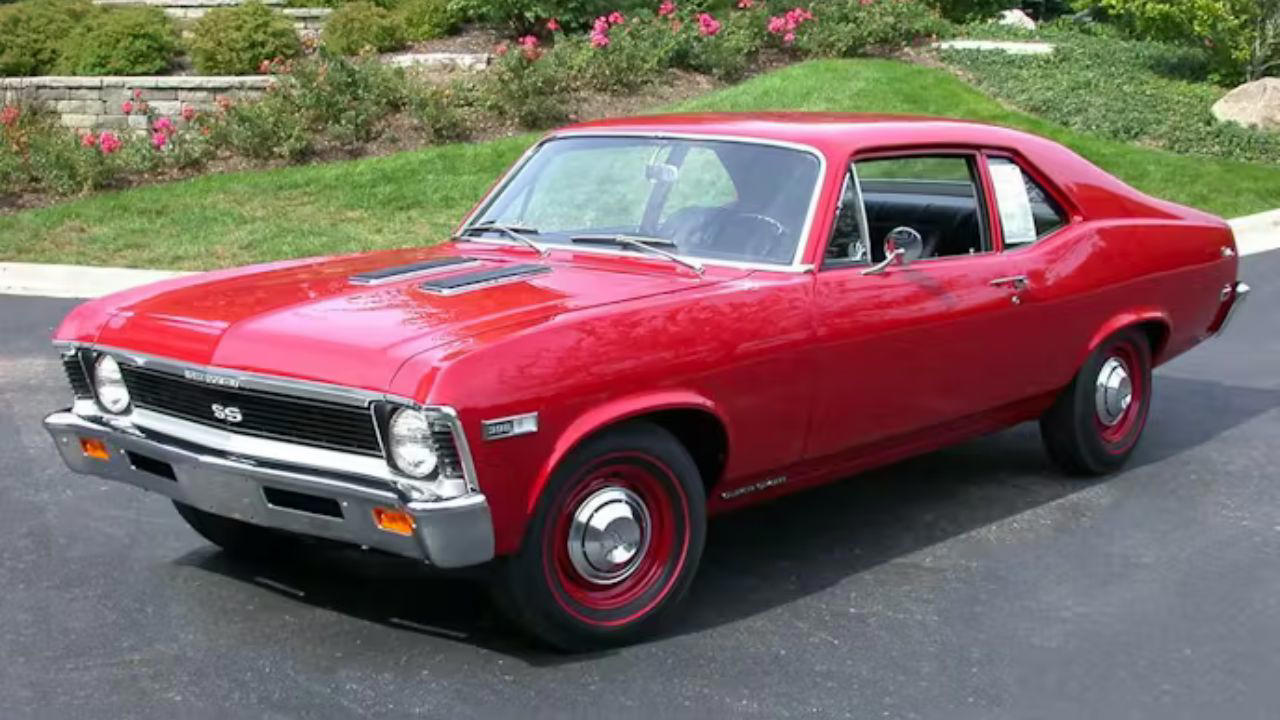
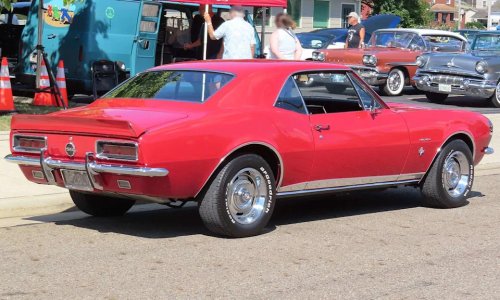
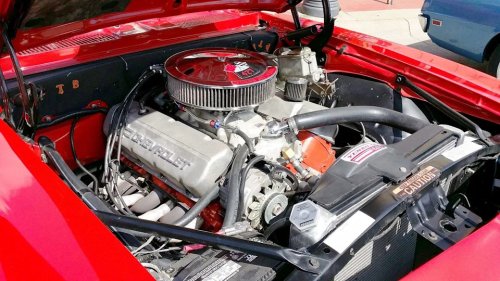
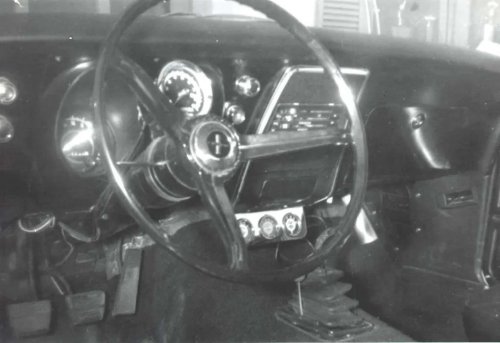
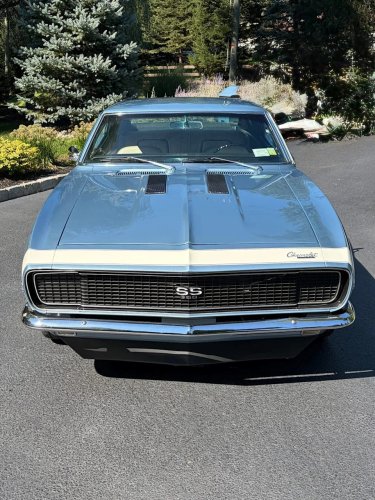
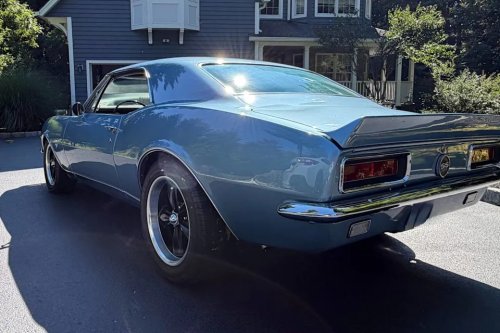
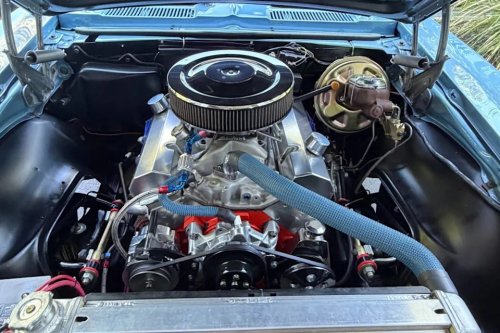
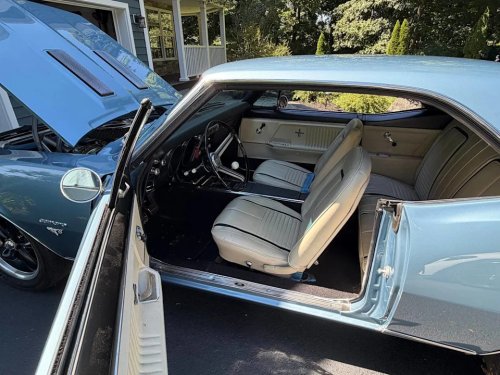
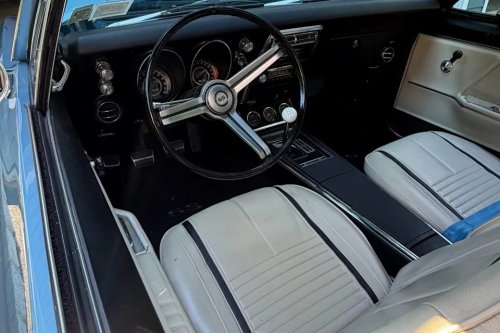
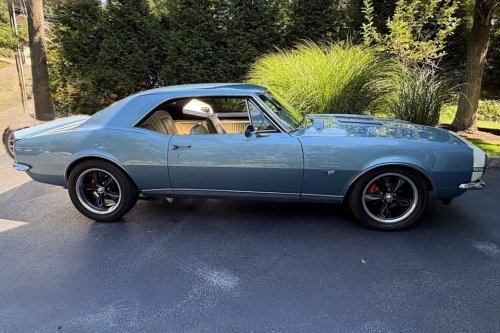
Why the 1968 Chevrolet Nova SS became an unlikely performance bargainWhen enthusiasts talk about the greatest muscle cars of the late 1960s, the conversation usually turns to household names. The Chevrolet Chevelle SS, Pontiac GTO, Plymouth Road Runner, and Dodge Charger tend to dominate the spotlight. Their aggressive styling, powerful engines, and racing pedigrees have made them legends of the muscle car era. Lost among those giants is a car that often surprised buyers, competitors, and even Chevrolet itself. The 1968 Chevrolet Nova SS wasn’t the biggest, flashiest, or most heavily advertised performance car on the market. It lacked the dramatic bodywork of many rivals and didn’t enjoy the same reputation as Chevrolet’s larger muscle machines. What it did offer was something many buyers found even more appealing: serious performance at a surprisingly affordable price. At a time when horsepower was becoming increasingly expensive, the Nova SS delivered impressive speed in a compact, lightweight package. The formula was simple but effective. Chevrolet took a relatively small car, gave buyers access to powerful V8 engines, and created one of the best performance bargains of the muscle car era. The result was a muscle car that consistently punched above its weight. A New Nova for a New Era The 1968 model year marked a major turning point for the Nova. Chevrolet completely redesigned the compact car, abandoning the boxier look of earlier generations in favor of cleaner, more modern styling. The new body featured smoother lines, a longer wheelbase, and proportions that looked more substantial without dramatically increasing overall size. The redesign arrived at a perfect time. America’s performance market was booming. Young buyers wanted speed, but not everyone could afford the larger and more expensive muscle cars filling dealership showrooms. The new Nova offered an alternative. It was smaller than the Chevrolet Chevelle and less expensive than many performance-oriented intermediates, yet it retained enough room and practicality to function as everyday transportation. That combination would become one of its greatest strengths. The Super Sport Package Arrives Buyers seeking extra excitement could choose the Super Sport package. The Nova SS wasn’t initially conceived as a pure muscle car in the same vein as some of its competitors. Instead, Chevrolet positioned it as a sportier, more upscale version of the compact Nova. The package included distinctive trim, special badging, upgraded interior details, and performance-oriented features that separated it from ordinary Novas. Yet what truly transformed the car wasn’t appearance. It was engine availability. Under the hood, buyers could choose increasingly powerful V8 engines that dramatically changed the car’s character. The compact dimensions that made the Nova practical also made it unexpectedly quick. The Magic of a Lightweight Body One reason the Nova SS became such an effective performance machine was simple physics. It weighed less than many of Chevrolet’s larger muscle cars. Enthusiasts often focus exclusively on horsepower numbers, but vehicle weight plays an equally important role in acceleration. A powerful engine has an easier job when it has less mass to move. The Nova benefited from this advantage. Even with relatively modest V8 engines, the car delivered lively performance. Add a larger engine to the equation, and things became much more interesting. Buyers quickly discovered that the Nova’s lightweight platform allowed it to keep pace with cars that appeared far more intimidating on paper. That reality made the Nova SS particularly appealing to street racers and performance enthusiasts. The car looked modest. Its performance often wasn’t. Big-Block Power in a Small Package The Nova’s reputation as a bargain performance car reached another level when buyers began ordering increasingly powerful engines. Most famously, Chevrolet made it possible to equip the compact Nova with big-block V8 power. Stuffing a large-displacement engine into a relatively lightweight body created a recipe that enthusiasts have loved for decades. The combination delivered exceptional straight-line acceleration and a power-to-weight ratio that rivaled far more expensive vehicles. For buyers willing to check the right boxes on the order form, the Nova became something of a sleeper. From a distance, it resembled a practical compact car. Under acceleration, it told a very different story. The Sleeper Appeal Many muscle cars of the era advertised their intentions loudly. Bright graphics, hood scoops, stripes, spoilers, and aggressive styling made it obvious that those vehicles were built for performance. The Nova often took a different approach. Its appearance remained relatively restrained compared to many rivals. That subtlety became part of its appeal. Drivers appreciated the ability to surprise competitors who underestimated the car. Street racers quickly learned that appearances could be deceiving when a Nova SS pulled alongside them at a stoplight. The car’s understated design allowed it to fly under the radar in ways that more flamboyant muscle cars could not. For many enthusiasts, that made it even more attractive. Performance Without the Premium Another reason the Nova SS earned its reputation as a bargain was cost. The late 1960s horsepower race created some truly remarkable performance cars, but those vehicles often carried increasingly substantial price tags. The Nova offered a more accessible path into the performance world. Buyers could acquire a compact Chevrolet, add desirable options, and enjoy impressive acceleration without stretching their budgets as far as they might with larger muscle cars. The formula appealed particularly to younger buyers. Insurance rates had not yet reached the extreme levels they would in the early 1970s, but affordability still mattered. The Nova’s lower entry price helped make performance attainable for a broader audience. In many ways, it democratized speed. The Drag Strip Connection The Nova’s lightweight construction and powerful engine options made it a natural fit for drag racing. Weekend racers quickly discovered that the compact Chevrolet responded well to modifications and could produce impressive quarter-mile times. Its simple design made it relatively easy to work on, while the availability of Chevrolet performance parts allowed owners to extract even more speed. As a result, the Nova became a familiar sight at drag strips across America. The car’s reputation grew through word of mouth. People might not have expected a compact Chevrolet to be quick, but repeated success at local tracks told a different story. The Nova earned respect the old-fashioned way. By winning. Overshadowed by Its Famous Siblings Ironically, one reason the Nova SS remained a bargain for so long was that Chevrolet offered so many other famous performance cars. The Chevelle SS attracted buyers seeking a larger muscle car. The Camaro appealed to pony car enthusiasts. The Corvette occupied the top of Chevrolet’s performance hierarchy. Those vehicles often received more attention from magazines and advertisers. The Nova quietly occupied a corner of the showroom. For budget-conscious buyers, that situation worked perfectly. The Nova delivered much of the performance enthusiasts wanted without carrying the same level of prestige—or cost. Its underdog status became one of its defining characteristics. A Collector Market Correction Over the decades, collectors began to recognize what enthusiasts had known all along. The Nova SS offered an outstanding combination of performance, simplicity, and value. As interest in muscle cars grew, demand for well-preserved and properly documented Nova SS models increased significantly. Big-block examples became especially desirable due to their rarity and performance potential. Even so, the Nova often remains more attainable than some of the era’s most famous muscle cars. That relative affordability continues to attract enthusiasts looking for an authentic muscle car experience without the sky-high prices attached to certain blue-chip collectibles. The Nova’s value proposition hasn’t disappeared. It has simply evolved. Why the Nova SS Remains a Bargain Legend The 1968 Chevrolet Nova SS succeeded because it delivered exactly what many buyers wanted and little that they didn’t. It combined a lightweight body, powerful engine options, reasonable pricing, and understated styling into a package that consistently exceeded expectations. The car wasn’t designed to dominate headlines. It was designed to provide performance. In that mission, it succeeded brilliantly. While larger and more glamorous muscle cars grabbed much of the attention during the horsepower wars, the Nova SS quietly built a reputation as one of Detroit’s smartest performance purchases. More than half a century later, that reputation remains intact. The 1968 Nova SS proved that you didn’t need the biggest car, the loudest graphics, or the highest price tag to have fun. Sometimes all you needed was a small Chevrolet, a powerful V8, and a willingness to surprise everyone who underestimated you. More from Fast Lane Only Unboxing the WWII Jeep in a Crate 15 rare Chevys collectors are quietly buying 10 underrated V8s still worth hunting down Police notice this before you even roll window down