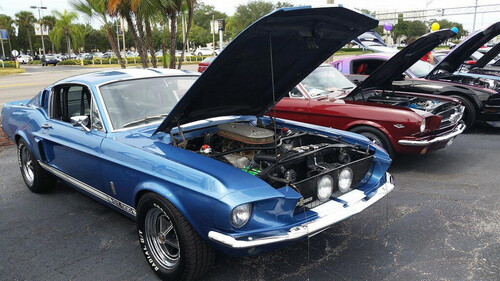
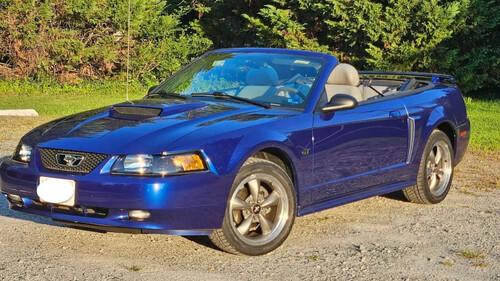
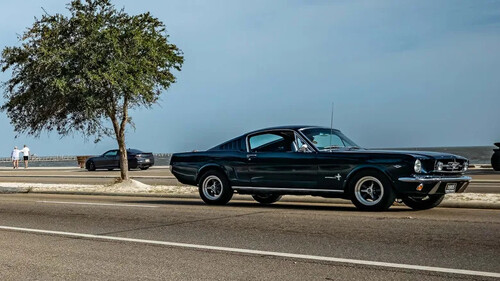
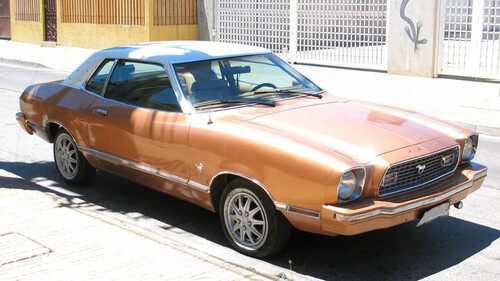
This Ford engine helped create the Mustang’s original identity crisisThe Ford Mustang has long been celebrated as an American automotive icon, but its journey has been fraught with identity crises, particularly related to the engines that powered it. One engine, in particular, played a pivotal role in shaping the Mustang’s reputation and its struggle to define itself in a fiercely competitive automotive landscape. The Birth of the Mustang: A New American Icon The Ford Mustang was introduced to the public on April 17, 1964, at the New York World’s Fair, and it quickly became a symbol of American automotive ingenuity. Designed to attract a youthful demographic, the Mustang combined elements of sports cars and muscle cars, creating a new category altogether—the pony car. The original design philosophy was to offer a stylish, affordable vehicle that was fun to drive, appealing to the growing post-war generation eager for independence. Initially, Ford targeted young buyers with a starting price around $2,368, which made it accessible for many. The Mustang’s sleek lines, long hood, and short rear deck became an instant hit. At launch, Ford offered a variety of engine options, including the inline-six and the V8, which allowed buyers to choose performance levels that suited their tastes. These early engine choices were crucial in defining the car’s identity, as they reflected both the aspirations of Ford and the desires of a new generation of drivers. The Role of the Ford 302 Engine One of the most significant engines in the Mustang’s history is the Ford 302. Launched in 1968, this 4.9-liter V8 engine was known for its impressive power and versatility. The 302 produced anywhere from 210 to 335 horsepower, depending on the configuration and model year, allowing it to deliver thrilling performance while maintaining a level of reliability that drivers appreciated. Its compact design made it suitable for many vehicles, but it became particularly synonymous with the Mustang. Ford chose the 302 as a key engine option for the Mustang to meet the growing demand for high-performance vehicles during the muscle car era. By incorporating the 302, Ford capitalized on the trend of performance-oriented cars, enhancing the Mustang’s reputation as a powerful and sporty option for consumers. The 302 not only boosted early sales but also solidified the Mustang’s identity as a true American muscle car, setting the standard for performance in its class. The Evolution of the Mustang’s Engine Lineup As the automotive landscape evolved, so too did the Mustang’s engine lineup. The transition from the 302 to other engine options began in the early 1970s, as environmental regulations and changing consumer preferences prompted Ford to diversify its offerings. In the following years, the Mustang introduced various engine configurations, including V6 and larger V8 variants, to cater to a broader audience. The introduction of the V6 engine option in the late 1970s marked a significant shift in the Mustang’s identity. While the V6 provided better fuel efficiency, it also led to concerns among enthusiasts that the Mustang was losing its performance edge. This shift illustrated the challenges Ford faced in maintaining the Mustang’s image as a performance vehicle while adapting to market demands for more economical options. The evolution of the Mustang’s engine lineup reflected not only the changing preferences of consumers but also the need for Ford to stay competitive against rivals like Chevrolet and Dodge. The Identity Crisis Begins The introduction of different engines inevitably led to confusion about the Mustang’s identity. As the muscle car era gave way to a period of increasing fuel efficiency and tighter emissions regulations, the Mustang struggled to maintain its status as an icon of American performance. Competing muscle cars, such as the Chevy Camaro and Dodge Challenger, continued to push the envelope in terms of horsepower and styling, while the Mustang’s diverse engine offerings muddied its brand image. The challenge for Ford was to balance performance with the demands of an evolving market. As the Mustang expanded its engine lineup, it began to cater to a wider audience, which diluted its identity as the quintessential muscle car. This identity crisis was evident in the mixed reception to models like the Mustang II, which, while successful in sales, was criticized for its lack of power and sporty character. Ford had to navigate these changing tides carefully to avoid alienating its core enthusiasts. The Influence of Performance Packages To combat the identity crisis and redefine the Mustang’s image, Ford introduced various performance packages throughout the years. Packages like the Mach 1 and Boss 302 aimed to recapture the essence of the original Mustang while appealing to performance-oriented buyers. These special editions often featured upgraded engine options, suspension enhancements, and distinctive styling cues that set them apart from standard models. The impact of racing and performance culture on consumer expectations cannot be overstated. The Mustang’s involvement in motorsports helped solidify its reputation as a performance vehicle. Enthusiasts looked to these performance packages to provide the excitement they craved, drawing a clear line between the standard models and those engineered for speed and agility. However, these efforts sometimes led to confusion among consumers about what the Mustang truly represented, as it straddled the line between a practical vehicle and a performance powerhouse. The Modern Mustang: A Shift in Identity As we moved into the 21st century, Ford began to embrace contemporary engine technologies, introducing innovations like turbocharging to the Mustang lineup. The EcoBoost engine, a 2.3-liter turbocharged four-cylinder, represents a significant departure from traditional muscle car engines. While it offers impressive horsepower and torque, it also emphasizes fuel efficiency—a crucial selling point in today’s automotive market. The consumer reaction to these changes has been mixed. Some enthusiasts appreciate the modern performance standards and fuel efficiency that the EcoBoost engine brings, while others lament the departure from the classic V8 roar that defined earlier models. The challenge for Ford has been to honor the Mustang’s heritage while adapting to the new realities of automotive engineering and consumer expectations. This balancing act is critical for maintaining the Mustang’s identity in a rapidly changing world. The Role of Enthusiasts and Community Feedback The Mustang enthusiast community has played a vital role in shaping the vehicle’s evolution, particularly when it comes to engine choices and design. Online forums and social media platforms, such as Reddit, have become hubs for passionate discussions about the Mustang’s specifications and performance characteristics. For example, threads on Reddit often highlight the preferences and desires of Mustang fans, influencing how Ford approaches future models. Grassroots movements advocating for specific performance characteristics have also emerged, with many enthusiasts pushing for the return of classic engine options or modifications to enhance performance. This community feedback has prompted Ford to consider the desires of its loyal fanbase, resulting in models like the Mustang GT500, which pays homage to its performance roots while integrating modern technology. The ongoing dialogue between Ford and its consumers is essential for ensuring that the Mustang remains relevant and true to its legacy. Comparative Analysis: Mustang vs. Competitors When examining how the Mustang has navigated its identity crises, it’s essential to consider how competitors like Chevrolet and Dodge have managed their own brand identities. Each manufacturer has faced similar challenges in maintaining consumer loyalty while adapting to changing market conditions. For instance, the Chevy Camaro has undergone several redesigns over the years, often emphasizing its muscle car roots with powerful V8 options, while Dodge has capitalized on nostalgia with retro-inspired designs and high-performance engines. The importance of engine offerings in the competitive muscle car market cannot be overstated. While the Mustang has often been seen as a versatile option, its rivals have focused on specific performance metrics to capture the attention of performance enthusiasts. Lessons learned from these rival brands regarding brand identity and consumer loyalty can help Ford navigate its future strategies, ensuring that the Mustang remains a staple in the muscle car segment. Looking Ahead: The Future of the Mustang’s Identity The future of the Mustang’s identity is poised for transformation as automotive technology continues to evolve. Anticipated trends indicate a growing emphasis on electric vehicles, which could challenge the traditional performance metrics associated with the Mustang. Ford’s commitment to sustainability and innovation will likely lead to the introduction of electric models that still capture the essence of what the Mustang represents. As the automotive industry shifts towards electrification, the potential impact on the Mustang’s traditional identity is profound. Ford may find itself balancing the heritage of the Mustang with the need to innovate. By leveraging its storied history while embracing modern technology, Ford can ensure that the Mustang adapts to new consumer expectations without losing sight of its roots. The future holds exciting possibilities for the Mustang, and how Ford navigates this transition will determine its place in the automotive landscape for years to come. More from Fast Lane Only Unboxing the WWII Jeep in a Crate 15 rare Chevys collectors are quietly buying 10 underrated V8s still worth hunting down Police notice this before you even roll window down *Research for this article included AI assistance, with all final content reviewed by human editors.