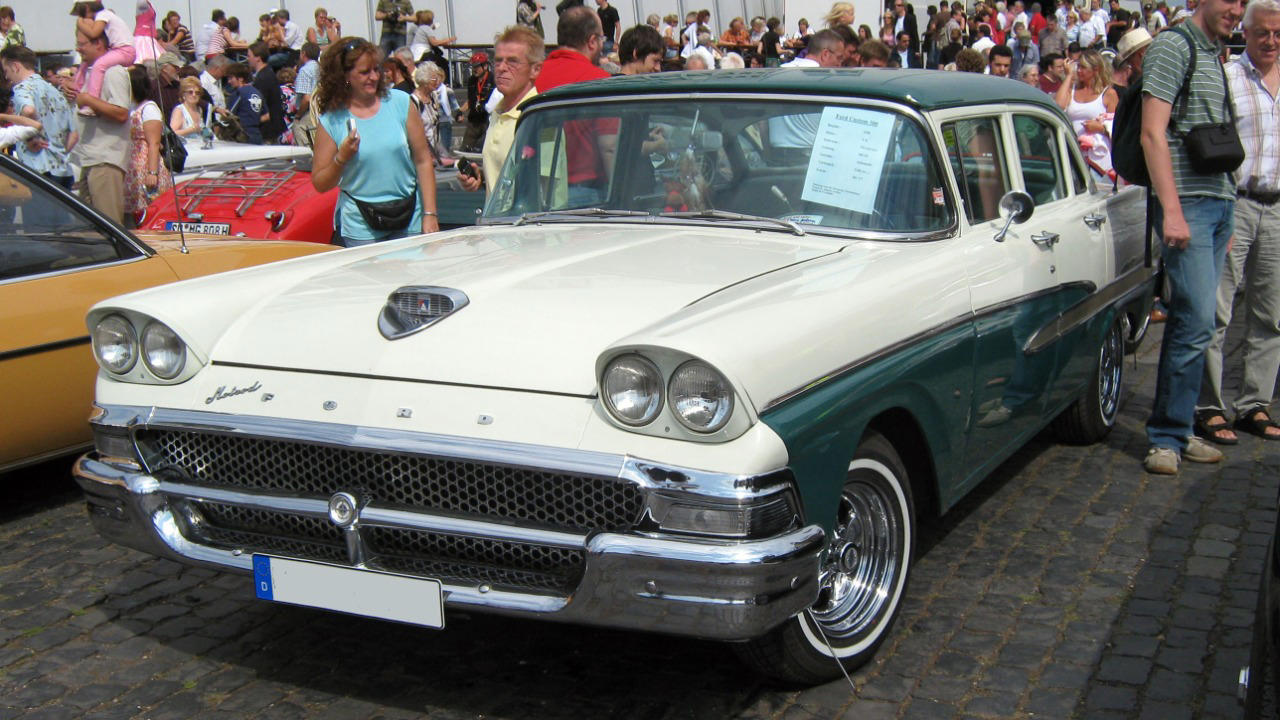



















Thinking about a 1958 Ford Custom 300 here’s why restoration can get deep fastThe 1958 Ford Custom 300 looks simple on the surface, a clean two-door or four-door sedan with straight lines and midcentury charm. Yet the moment a buyer tries to bring one back to life, the project can turn from a casual refresh into a deep, multi-year commitment of metalwork, parts hunting, and mechanical problem solving. The car’s age, construction, and popularity with engine swappers all combine to make restoration more involved than many first-time owners expect. For anyone eyeing a tired Custom 300 as a budget way into 1950s Ford ownership, understanding where these cars hide their most expensive problems is the difference between a satisfying build and a stalled shell in the garage. The Custom 300’s deceptively basic starting point Ford positioned the Custom 300 below the Fairlane in 1958, and that lower trim status still shapes restoration choices. Enthusiasts on a dedicated Custom 300 discussion point out that the 58 Custom 300 is a shorter wheel base car than the Fairlane, with shorter quarter panels and deck lid, and doors that are also shorter from front to back. That means sheetmetal is not always interchangeable with more common Fairlane parts, so the usual big-car Ford parts bins do not solve everything. Many buyers view the car’s basic trim and smaller footprint as a plus, especially compared with heavily chromed contemporaries. That simplicity can be misleading, though. The lower trim level means fewer reproduction options for some brightwork and interior pieces, and the unique body dimensions limit how much can be borrowed from Fairlane catalogs. The result is a car that looks straightforward but still requires careful sourcing for correct panels and trim. Rust that goes far beyond surface patina Rust is the first place where restoration gets deep fast. A long-term owner who revived a 1958 Custom 300 described the most difficult thing on the car as the extent of the rust, calling it never ending in the floor and the trunk in a detailed rebuild account. Bringing that car back meant several years of parts hunting and an equal amount of time taking things apart, fixing them, and putting them back together. That experience is typical rather than extreme. Problem areas mirror broader Ford patterns. A later discussion of typical Ford truck corrosion notes that once the cab mounts go, the whole front of the cab sags and the doors stop closing properly, with cab corners and fenders also common failure points, according to one Ford rust thread. Translate that to a 1958 sedan and the picture is similar: body mounts, rockers, lower fenders, and trunk extensions often rust from the inside out. A YouTube walkaround of a new project Custom 300 shows a large dent in the rocker and visible rust repairs, some covered with Bondo, that will require cutting and welding rather than cosmetic touchups, as seen in the New project video. Once metalwork moves beyond patching a few pinholes, costs rise quickly. Replacing floors and trunk pans means stripping interiors, bracing the body, and potentially lifting it off the frame. That level of disassembly often reveals more problems, from seized body bolts to hidden frame rot, and turns a running car into a full-blown shell restoration. Mechanical swaps that complicate “original” restorations Many surviving Custom 300s no longer carry their factory drivetrains, which can be a blessing for drivability and a headache for anyone chasing period-correct details. One featured car, highlighted as a find, runs a mid Sixties 289 V-8 2 barrel engine with automatic transmission, with the Engine described as freshened with rings, bearings, cam, heads and valves, according to a detailed sale listing that also notes the Car and its Sixties Engine combination. Another Custom 300 offered by Cruisin Classics features a 302 V8 and a five-speed Ford manual transmission in place of the original, as shown in a walkthrough of the. Those swaps make sense for owners who want highway-friendly gearing and easier parts support. However, anyone trying to return a car to factory specification must undo decades of such modifications. That might mean sourcing an FE-series V8 or an inline-six, tracking down the correct bellhousing, and matching the original transmission type. A discussion about a 58 Fairlane with a 352 motor shows how even basic fitment can become a puzzle, with one contributor asking whether to look for a different bellhousing or swap to a longer input shaft and another responding that it is much easier and cheaper to swap input shafts, advice captured in a gearhead machining exchange that highlights how Much of the cost comes from trial-and-error fitment. Transmission upgrades create their own layer of complexity. One builder who wants to swap a manual transmission for an AOD automatic notes that an AOD shares a bolt pattern with a 300 ci inline 6 and describes the need for the correct adapter to mate a 240 ci inline 6 with an AOD, in a detailed transmission swap discussion that references the AOD and the figure 300. Those same patterns apply to V8 swaps in a Custom 300, where crossmembers, linkages, driveshaft length, and speedometer gears all need attention. Parts support is strong, but choices affect depth and cost Parts availability for the 1958 Custom 300 is better than many buyers expect, yet the range of options can tempt owners into deeper projects. A quick search of online marketplaces turns up a wide selection of trim, glass, and mechanical pieces, with one parts and accessories for the 1958 Ford Custom 300 showing everything from emblems to tail lamps. That breadth of choice encourages full cosmetic refreshes instead of selective repairs. Specialty retailers go further, offering model-specific components that invite complete system overhauls. One catalog dedicated to 1958 Ford Custom 300 parts lists Steering Wheels, Power Steering Pumps, Carburetor Rebuild Kits, Gas Pedals, and Steering Columns, with counts such as 66, 57, and 55 items in those categories alone, according to a detailed Speedway Motors listing. With that many options, a simple steering repair can quickly expand into a full column, wheel, and pump upgrade. Reproduction specialists also supply OE-style components that encourage owners to chase factory-correct details. One supplier of top grade 1958 Ford Custom 300 restoration parts promotes a Direct-fit replacement that restores original appearance and functionality, with OE-spec dimensions and angles that retain correct steering geometry, as described in a detailed ACP steering component that highlights the Direct fit claim. Once a restorer commits to that level of correctness in the suspension or steering, it becomes difficult to justify leaving worn or mismatched pieces elsewhere on the car. Interior restoration: from simple refresh to full custom work The Custom 300’s cabin appears straightforward, with vinyl bench seats and basic trim, but age and sun damage often require more than a quick re-cover. Dash pads crack, door panels warp, and steering wheels suffer from deep grooves and missing chunks. Restoring those pieces to a factory look can be surprisingly specialized. One example comes from a steering wheel refurbishment where a Ford Custom 300 1958 steering wheel was Cleaned, reshaped, and rewrapped in premium leather with hand-stitched detailing, restoring that authentic vintage Ford style, according to a Craft Customs video that credits Cleaned work, Ford branding, and contact details for Cal at the shop. That kind of craftsmanship transforms the driving experience but carries a cost that rivals mechanical work. Seat upholstery and door panels present similar decisions. Off-the-shelf covers are available, yet matching original stitching patterns and colors can require custom sewing or specialist suppliers. Once an owner invests in a show-quality interior, worn chrome handles, pitted window cranks, and faded dash trim stand out, prompting further parts orders and disassembly. What began as a plan to fix a torn seat can evolve into a complete interior strip and refit. Real-world project timelines show how deep it goes Owners who have documented their Custom 300 projects provide a clear warning about scope creep. One restorer who took on a tired sedan described years of parts hunting, followed by extensive disassembly, repair, and reassembly, in the same restoration story. That process involved chasing correct trim, repairing structural rust, and sorting mechanical issues, all while trying to keep the car as original as possible. Video diaries echo that pattern. In the New project clip, the host walks around a recently acquired Custom 300 and points out a dent in the front, rust in several areas, and a large dent in the rocker, along with earlier modernizations like an alternator, as seen in the There project overview. What looks like a driver-quality car still needs bodywork, electrical sorting, and likely hidden rust repair. The presence of Bondo over rust hints at previous shortcuts that will have to be undone. Even relatively clean cars that have already been restored can reflect years of accumulated choices. The Custom 300 fitted with a 302 and five-speed Ford manual, featured by Cruisin Classics, shows how one owner decided that modern performance outweighed originality, with the video Dec feature explaining how the original engine was replaced with a 302 and the transmission updated. Any future restorer who wants to reverse those decisions faces another major round of sourcing and labor. Planning a Custom 300 restoration that does not spiral For buyers tempted by the 1958 Custom 300’s styling and relative affordability, the key is to define the goal before the first wrench turns. A preservation-style build that keeps a running car on the road will look very different from a frame-off restoration or a restomod with late-model power. Shoppers should start with a thorough inspection of known rust zones, including floors, trunk, rockers, body mounts, and lower fenders. Any sign of structural sag, such as doors that do not close properly, hints at deeper issues similar to the cab mount failures described in the Ford truck rust. A magnet and a bright light can reveal where Bondo hides corrosion, as seen in the New project walkaround. Next comes a realistic parts and labor budget. Browsing the broad inventory of Custom 300 parts on marketplaces and in catalogs, from the online accessory listings to the specialized Speedway Motors catalog and the OE-style ACP restoration parts, gives a sense of pricing. That research should inform decisions about whether to rebuild existing components or replace them outright. Finally, drivetrain choices need to be settled early. If a car already carries a mid Sixties 289 or a later 302 with a five-speed, as in the documented examples, the owner must decide whether to embrace that configuration or invest in sourcing era-correct hardware. Conversations around 58 Fairlane swaps and AOD conversions show how quickly costs add up when bellhousings, input shafts, and adapters enter the picture, as seen in the Much easier advice and the AOD swap notes. More from Fast Lane Only Unboxing the WWII Jeep in a Crate 15 rare Chevys collectors are quietly buying 10 underrated V8s still worth hunting down Police notice this before you even roll window down The post Thinking about a 1958 Ford Custom 300 here’s why restoration can get deep fast appeared first on FAST LANE ONLY.