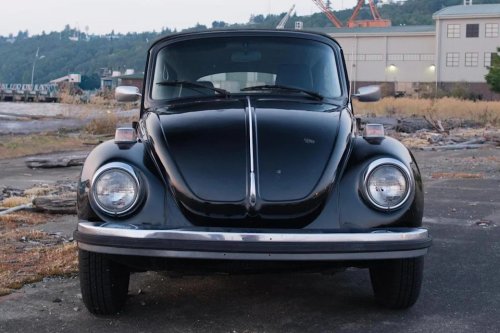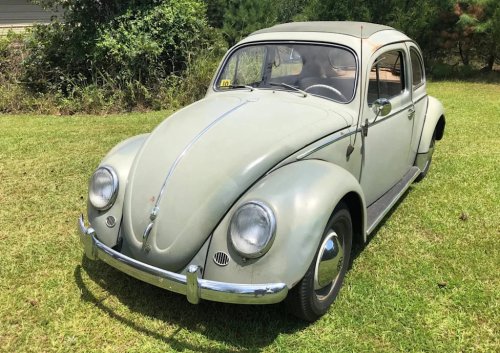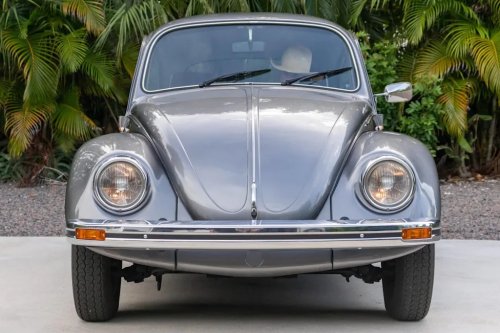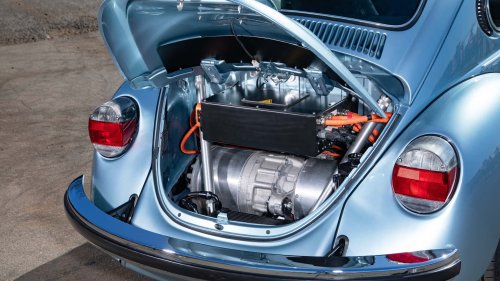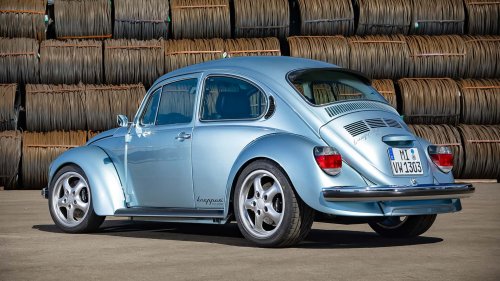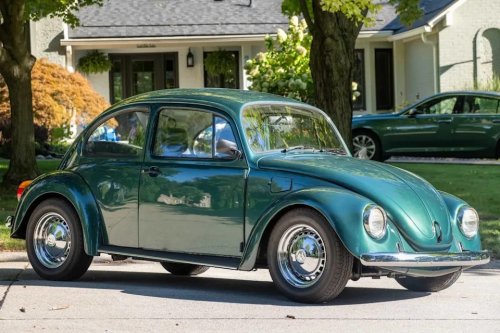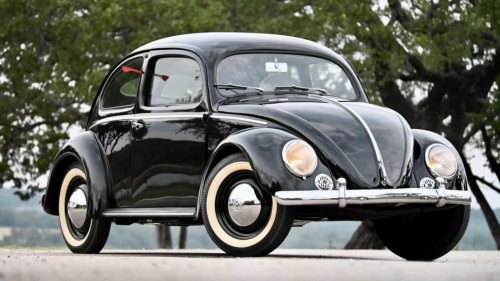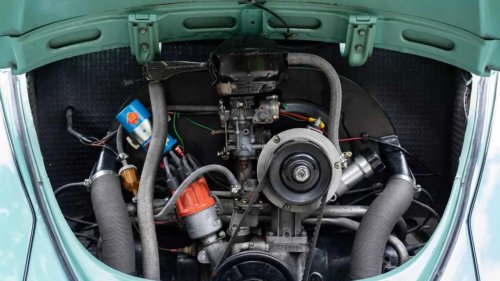
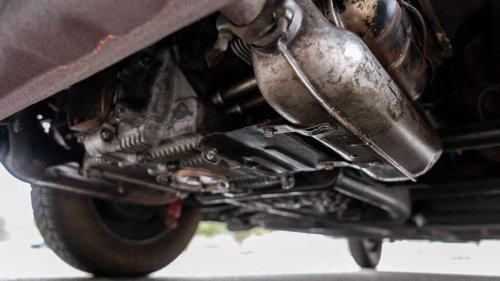
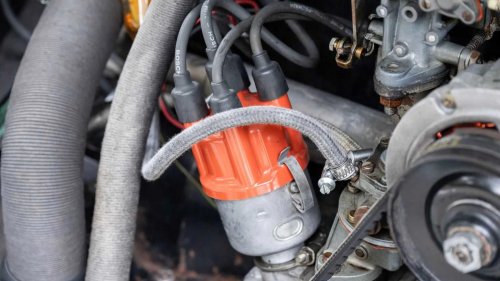
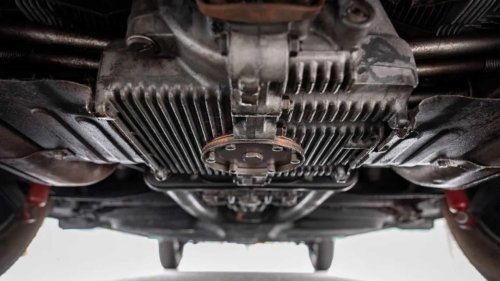
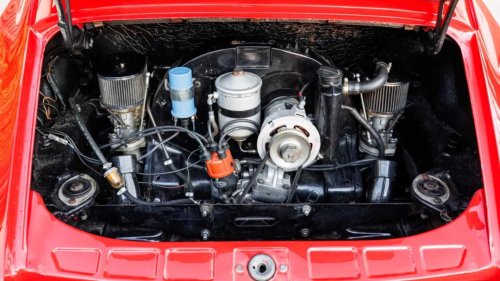
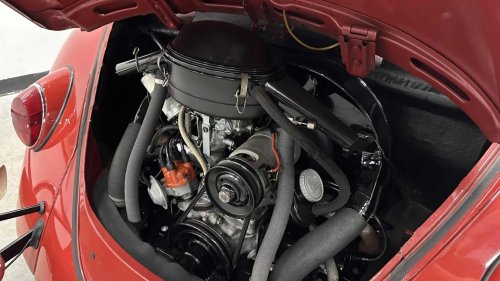


















Jump LinksWhy the Beetle Engine Matters TodayIf you’ve ever dreamed of becoming a car mechanic, you may be enthusiastic enough, but don’t know where to start. After all, many modern-day engines are extremely complex and may not be as forgiving if things start to go wrong when you wield your wrench. But there’s one particular motor that stands out as an ideal teacher. It may not be the most powerful, glamorous, or advanced, but it’s a very well-known unit that sits in Volkswagen’s people’s car. This is why the air-cooled flat-four Beetle engine is the place to start, and, in this article, we explore its background. Why The VW Flat Four Is The Beginner’s Dream Engine Bring a TrailerFor many decades, Volkswagen’s flat four boxer engines helped turn enthusiastic drivers into weekend mechanics. It’s extremely simple and while most engines may rely on complicated cooling systems and a maze of belts or hoses, that’s not the case here. After all, the VW flat-four is air-cooled and doesn’t have a water pump, radiator, or any fragile hoses that could burst. Instead, there’s a simple fan to push air directly over the cylinders to keep everything as cool as possible and without internal circulating liquid. In essence, this means that you’ve got fewer parts to worry about, so you’re unlikely to be overwhelmed.When you pop open the small rear decklid of your Beetle, you won’t be scared by what you see. You won’t need to worry about an engine bay that has an array of electronics or protective plastic covers, but you’ll be looking straight into the heart of the machine. All the important bits – the carburetor, distributor, spark plugs, fuel pump, and generator, are right in front of you. You won’t need a specialist tool just to get to the oil filter, but instead, you’re straight into the action. Remember, Volkswagen designed this entire vehicle with accessibility in mind, so that people with limited resources and even limited tools could control their essential form of transportation. Beetle designers ensured that people with just a few tools and no formal training could maintain their vehicle and so, without doubt, this is the place to start if you are a novice mechanic today. Simple But Legendary Design Bring a Trailer The Volkswagen flat-four Boxer engine first came out at the end of the 1930s. It featured a horizontally opposed cylinder layout to cut down on vibration, which was an unwanted problem within inline engines of that size. Its initial displacement, at just 1.1 liters, was certainly small and each pair of pistons pushed in and out in the same way that boxers might throw punches in a ring.The aptly named Boxer engine became more refined as Volkswagen turned out later Beetle generations. It grew to 1.6 liters although, even then, it could only generate about 50 hp. The engine proved to be so reliable, lightweight, and cheap to run that it found its way into a whole family of Volkswagens and even some Porsches. Why Novices Can Make Mistakes And Get Away With It Bring a Trailer Novice mechanics will make mistakes and that’s just the reality of it. But what makes the Beetle engine so special is how forgiving it can be when those disasters happen. For example, if you make an error with the ignition timing, the Beetle will still start and not strand you by the side of the road. If you happen to tighten the valves just a fraction too much, you’ll get a bit of noise, but it won’t eat itself. Many newbie mechanics have nightmares about carburetors, but in this case, you’ll find a very simple unit that you can strip and put back together on a kitchen table.On some cars, certain jobs will require complete engine removal, and, in this situation, mechanics may need special equipment and engine hoists, to say nothing of the dedicated work time. However, it’s relatively easy to drop the engine out of a Beetle if you have a floor jack, a few sockets, a little time, and some patience. And so, this gives beginners that extra bit of confidence to take on projects that might seem daunting on modern cars. The Lessons To Be Learned Bring aTrailer To become a good mechanic, you’ve got to go through the fundamentals and learn, step by step. And the Beetle’s flat-four isn’t just a simple machine, but it’ll lend itself really well to teaching those fundamentals. For example, you’ll want to know how to adjust the engine’s valves. With this motor, all you need is a set of feeler gauges and a screwdriver to learn the essentials involving clearance and timing. If you want to tune the carb, all you’ve got here is a single Solex unit to manage, so you can easily understand the balance of fuel and air. With oil changes, the process is straightforward here, even if it is a little messy. You’ll definitely get to learn how important this particular job is and understand that some grease monkey jobs certainly aren’t glamorous. Other Cars With The Same Boxer DNA Bring a Trailer The Beetle is the poster child for this type of engine, but you’ll also find it in other VW Group vehicles. For example, there’s a slightly larger displacement version in the hippy-favored Volkswagen Bus (type 2). Again, you’ve got an approachable design, and the engine is very easy to access through the rear hatch. There’s a version within the Porsche 912 which may not be identical, but it just goes to show how far engineers can refine this concept based on its ultimate flexibility and simplicity. Yes, Porsche can extract a lot more performance due to its tuning magic, but the engine still retains the basic architecture throughout. Some Practical Pointers For A First Time Wrencher Bring a Trailer If you want to tackle your first Beetle project, it’s a good idea to get a Bentley or Haynes workshop manual. This will help walk you through each job step by step and will often give you diagrams to help you plot your course. You’ll certainly need some basic hand tools like screwdrivers, socket sets, a few gauges, and a timing light. Most of these should be sufficient for the majority of engine tasks. Even though you may not need to do so, drop the engine at least once. It may feel intimidating, but it’s certainly achievable and surprisingly quick, so once you’ve done it, you may feel unstoppable. Why the Beetle Engine Matters Today As you know if you open the hood of a modern sedan or hatchback, all you will see are plastic covers, electronic control units, wires everywhere, and sensors. So, for a novice mechanic, the barrier to entry here is higher than ever before. And that’s why the Beetle’s air-cooled flat-four is so important. It tells us that engines don’t have to be intimidating at all and in some cases, they can even be fun to work on. Remember that generations of mechanics before you used the Beetle’s engine as a rite of passage. It encouraged them to progress into professional careers or gave them the confidence to roll up their sleeves every weekend instead. So, as the flat-four is so simple and forgiving, it represents the most welcoming engine that any novice mechanic could hope to meet.