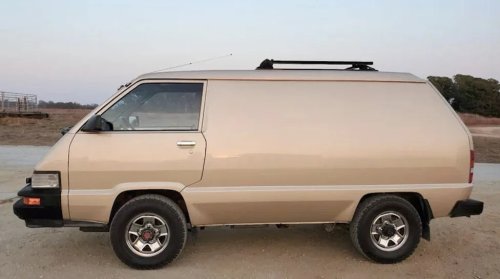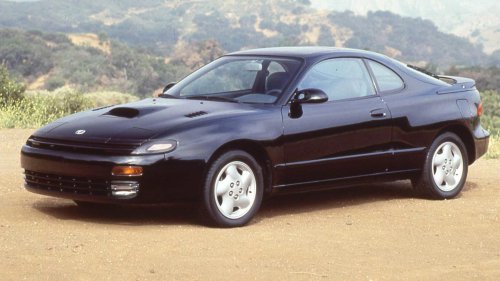
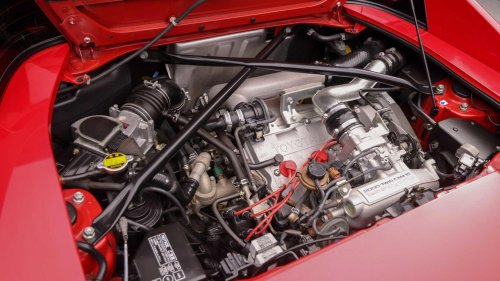
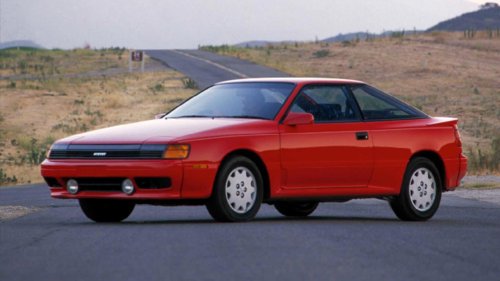
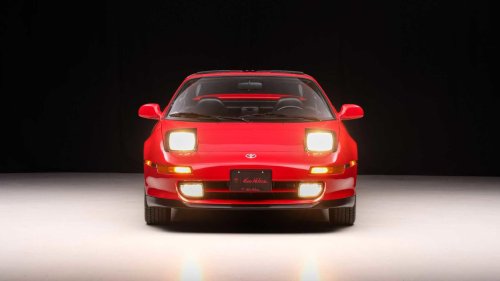
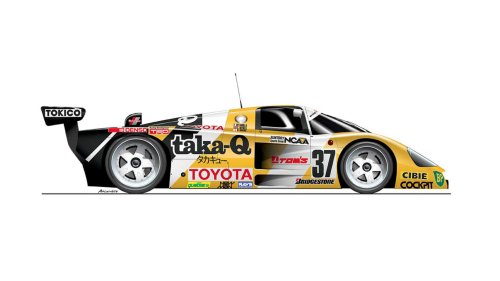
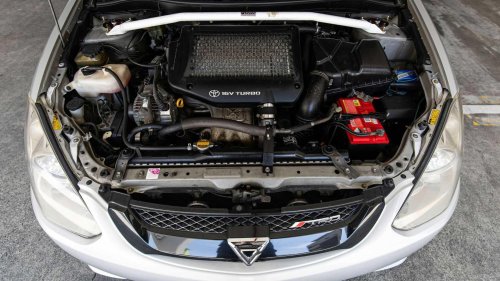


















Jump LinksToyota is known for building some of the most reliable engines in automotive history, and it's not unusual for some of them to spend decades in active duty, serving various models across the manufacturer's range. One of its most famous four-cylinder creations was a 2.0-liter turbo engine that spent more than 20 years hauling Celicas, MR2s, and even a humble wagon into serious performance territory. The 3S-GTE four-cylinder came into service in the mid-1980s and delivered the goods all the way through to 2007. And it pays to take a closer look at this well-put-together engine, to see what it would actually feel like to live with. Understanding the 3S-GTE ToyotaAt the core of the 3S-GTE is a 2.0-liter inline-four-cylinder gas engine with dual overhead camshafts, 16 valves, and a turbocharger. The GTE is one part of Toyota's S engine family that you would typically find in more ordinary Camrys, Celicas, and other models in non-turbo form. It first appeared in Japan in 1986, and Toyota evolved it through several generations until the mid-2000s. This means that you could find a 3S-GTE in everything from all-wheel-drive rally homologation Celicas to mid-engine MR2 turbos. And as a final flourish, Toyota even shoehorned the engine into its Caldina GT-4 wagon back at home.The 3S-GTE had an iron block with an aluminum head to give it plenty of durability without packing on the weight. This combination certainly worked out in the real world as the engine always felt stout and tolerant while perfectly able to deal with heat and long highway runs. And throughout this time, the basic recipe remained unchanged, with a capable 2.0 liters of displacement, a turbo with an intercooler, and rock-solid delivery. How The Engine Showed Up In Real Cars Bring A Trailer In North America, the 3S-GTE story began with the Celica All-Trac Turbo, which arrived in the US for the 1988 model year. This was the car that became known as the GT-Four overseas, and it had about 198 hp and 190 lb.-ft of torque to play with. In the late 1980s, that was good performance from a four-cylinder engine, even if it does seem modest in today's world of 300-hp crossovers.The Celica All-Trac had a five-speed manual transmission and a four-wheel-drive system that made it particularly popular in the northern US, where adverse weather often plays a larger role. The All-Trac always felt planted in the rain and snow in a way that most other sporty coupes from that era simply couldn't match.The 3S-GTE eventually found its way into the 1990 to 1993 Celica All-Trac and, notably, the 1991 to 1995 MR2 Turbo. In the MR2, Toyota placed the engine behind the driver to feed the rear wheels instead of all four. This made the MR2 Turbo quite the machine, especially on a twisty back road where it was always light, eager, and ready to go as soon as the turbo hit.While Toyota eventually pulled the 3S-GTE from the US market, it continued to evolve the engine overseas. By the time it appeared in the Japanese Caldina GT-T and GT-Four wagon, the engine was now producing around 256 hp and 239 lb-ft of torque. And that's probably what makes the Caldina wagon such an icon today and something that will undoubtedly be of interest to American buyers because of the 25-year rule. How The Engine Feels On The Road Toyota Turbo engine cars live or die on the performance of the turbo unit itself, and Toyota seemed to get the formula right with the 3S-GTE. In stock form, the early versions had a relatively small turbo, which produced decent low-rpm pull but a stronger shove as the boost hit mid-range. This particular combination proved to be great for the Celica All-Trac, working well with the vehicle's all-wheel drive to deliver excellent traction in poor weather.For daily driving in the MR2 Turbo, the surge was probably far more dramatic due to the vehicle's unusual weight transfer and balance, but if you did get the formula right, the car would certainly feel light and agile. Remember that the MR2 was in its heyday well before modern traction control systems became standard, so while you could certainly have lots of fun with the MR2 Turbo, you’d undoubtedly need to give it some respect as well. Everyday Ownership Quirks, Maintenance, And Modifications Bring A Trailer If you want to own a 3S-GTE car today, you need to understand the nuances of living with an older performance machine. Remember that turbo engines in older cars are far less forgiving of deferred maintenance than their naturally aspirated cousins, so pay close attention to a previous owner's habits. Oil changes are important, as the turbocharger relies on a steady supply of clean oil for cooling and lubrication. You need to look closely at the intercooler plumbing, vacuum lines, and hoses, too, as they're under pressure and can quickly cause issues when they start to wear.On the upside, remember that these engines can better manage higher cylinder pressures and heat than some of their non-turbo relatives. And as Toyota gave them stronger internals with better cooling and airflow, you may well be able to tune your 3S-GTE for even better performance than it says on the tin. Some in the enthusiast community and tuning scene can push the GTE to 300 hp and beyond with its stock internals, thanks to its strong bottom end and robust design. If you wanted to be adventurous and knew what you were doing, you might be able to produce modern hot hatch straight-line performance within a compact eighties or nineties package.Remember that these engines are older and more niche today, so you will need to think carefully about parts availability. Genuine OEM parts can be more expensive and harder to find, especially if you're looking for something like an AWD drivetrain components. You’d probably need to budget for higher labor costs unless you love tinkering yourself.As for fuel, a 3S-GTE car should be livable for daily use. For example, a period turbo Celica returned mid-twenties MPG on the highway and high teens in the city. All will depend on how you drive it, of course, and if you use the boost every chance you get, then you will undoubtedly pay for that habit at the pump. The Monster Side Of The 3S-GTE Toyota Toyota absolutely went to town with the 3S-GTE idea on the racetrack to show how wild this architecture could actually get. It formed the basis of a competition engine that Toyota used in Group C sports prototypes like the 88C during the late 1980s. Apparently, this engine was able to produce around 600 hp in endurance setups, or even more with aggressive tunes, which is supercar power from a four-cylinder engine, to all intents and purposes. And while this was a purpose-built racing engine with extreme internals and tuning, its story underscores the base 3S-GTE's capability. It again shows what Toyota's little turbo-four-cylinder architecture can do if you push it to its limits. Why Enthusiasts Still Care Collecting Cars Toyota clearly had a performance edge within the industry in the late 1980s and 1990s. Much of that was down to the company's all-wheel-drive Celica GT-4 rally homologation specials, with their own 3S-GTE derivatives and plenty of success on gravel and snow stages worldwide. Today, the engine's importance is undoubtedly down to its old-school setup and the way it delivers. Enthusiasts often search through listings for a 3S-GTE-powered car as a hobby project and, in doing so, buy into some Toyota history with an engine that can keep up with modern traffic. And perhaps that's why Celica All-Tracs and MR2 Turbos are so in demand today. They seem even better with some light modifications, and enthusiasts often turn them into truly rewarding weekend machines.In retrospect, this famous Toyota four-cylinder engine earned its reputation for transforming otherwise modest cars into genuine performance machines. And if you're ready for some automotive excitement in your life, there's every reason to search for a car that has one of these slightly demanding but very charismatic classics on board.