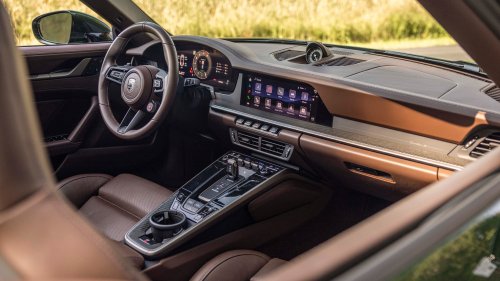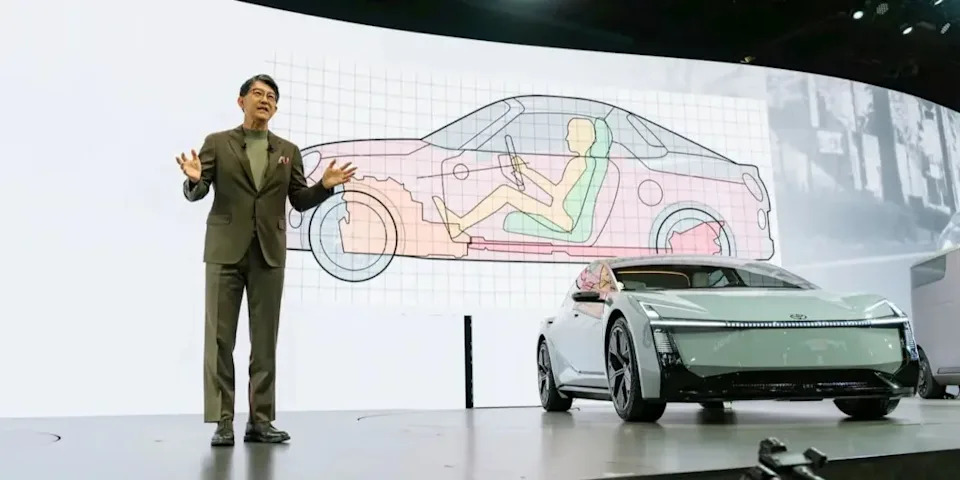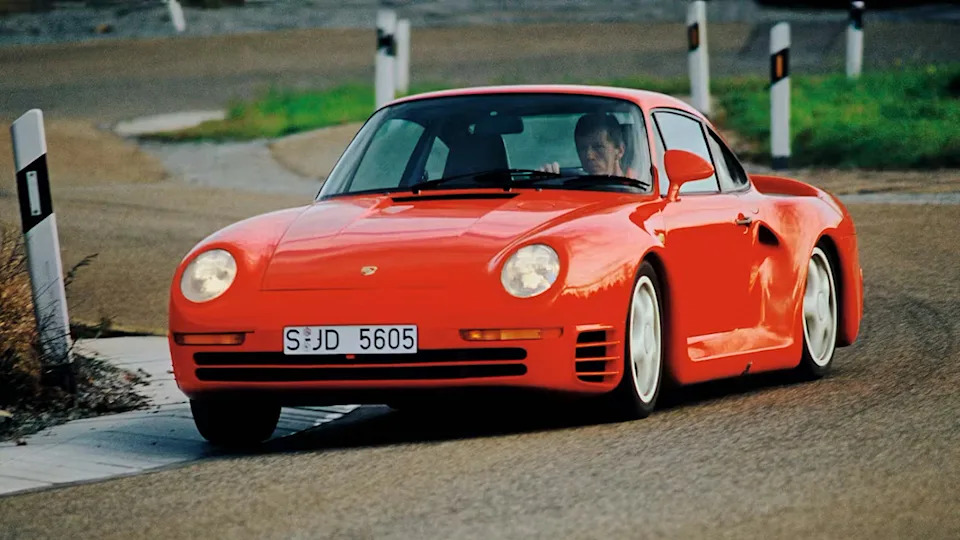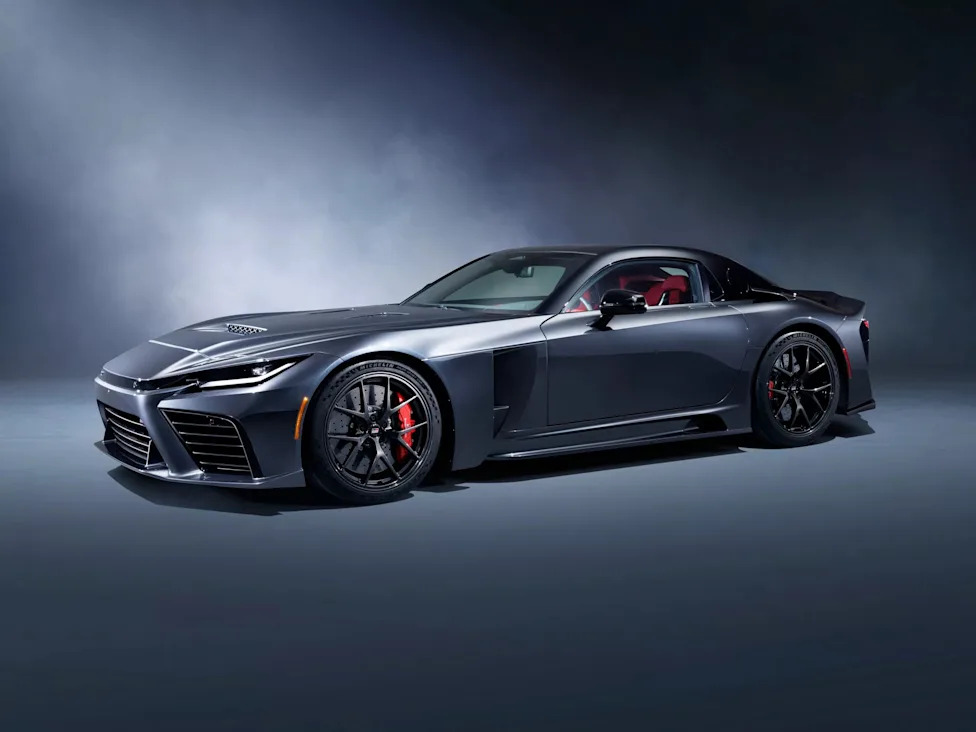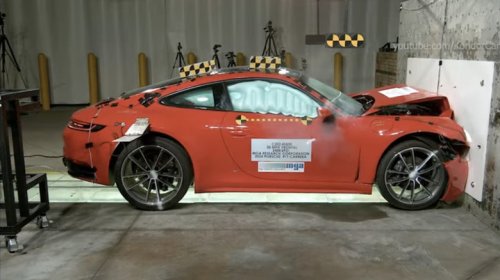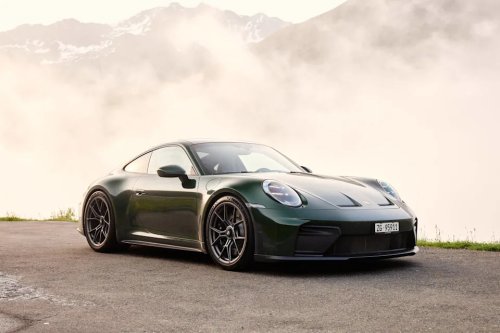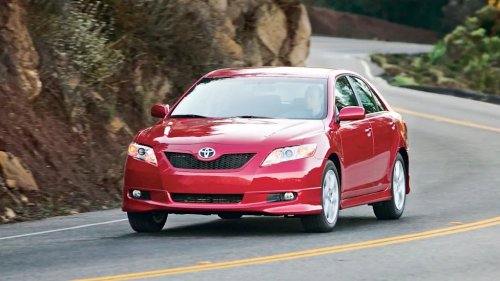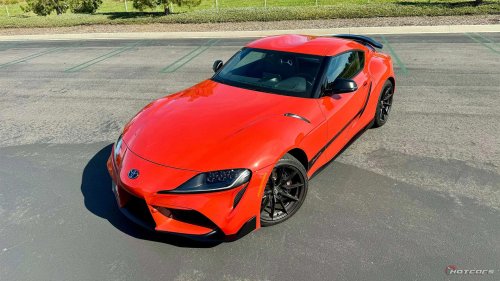
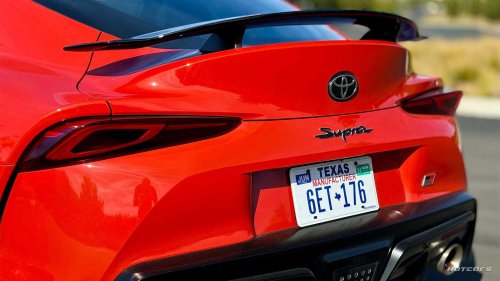
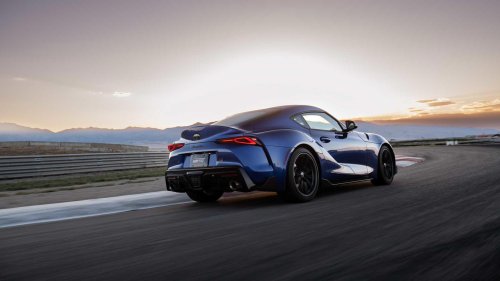
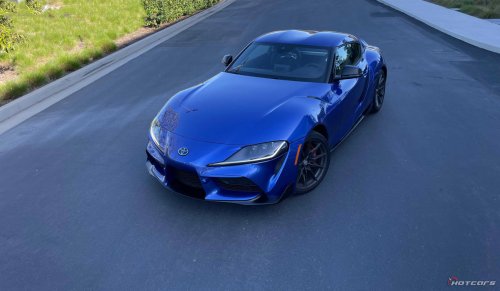
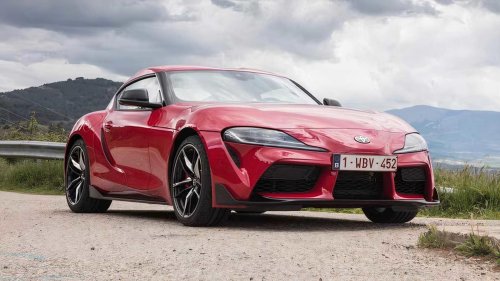
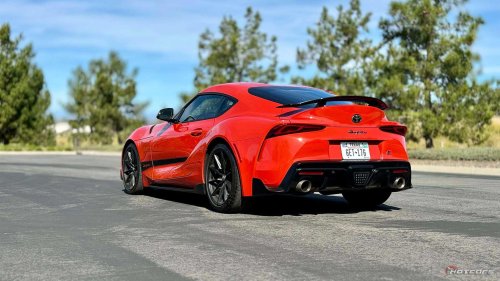
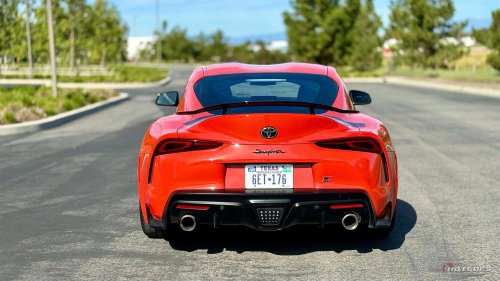
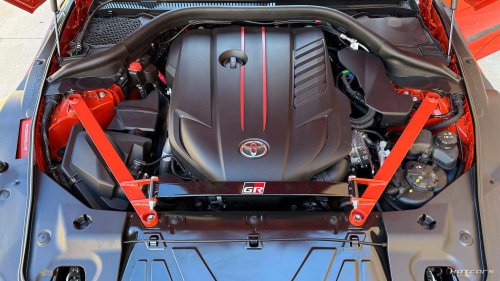
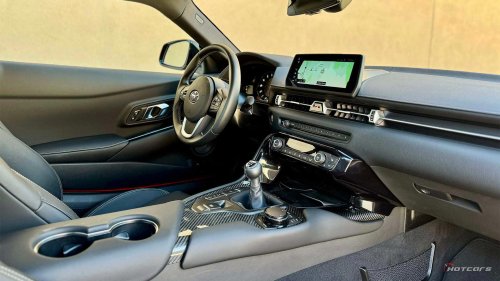
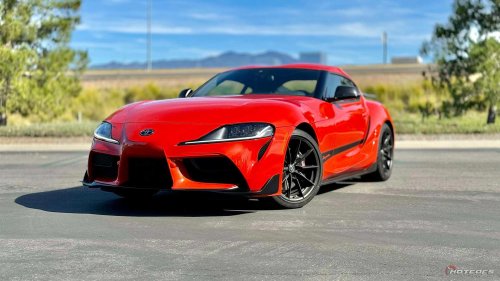
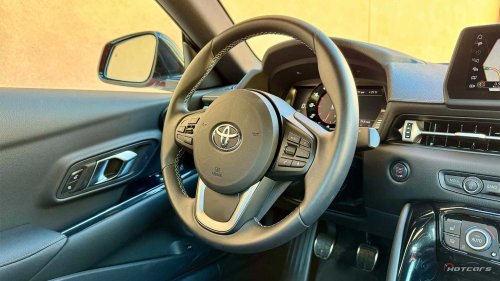



















Modern sports cars tend to force buyers into a compromise. You either get something thrilling that feels fragile and expensive to live with, or something dependable that never quite delivers that true driver-focused spark. The overlap between those two worlds has been shrinking for years, especially as performance cars become more complicated, more tech-heavy, and more intimidating to own long-term.That is why certain cars stand out once the novelty fades. They earn loyalty not through headlines or spec-sheet theatrics, but through how they behave over time, how they feel on a normal drive, and how much confidence they give you when you stop thinking about them and just drive. This is one of those cars. And we know, Toyota reliability and Porsche performance? Who could pull that off? Well, you'll see. The GR Supra 3.0 Delivers On The Promise Bassem Girgis / HotCarsThe 2021+ Toyota GR Supra 3.0 is where the modern Supra story fully comes together. Earlier versions hinted at greatness, but this is the point where everything clicked. Power increased from 340 hp to 382, suspension tuning improved, a third pedal appeared, and the overall driving experience became sharper without sacrificing approachability.Under the hood of the new Supra is BMW's notorious 3.0-liter B58 turbocharged inline-six producing 382 horsepower and 368 lb-ft of torque. Those numbers are strong on their own, but what matters more is how effortlessly the car delivers them. The engine feels calm, confident, and unfazed by hard use. It pulls cleanly from low speeds and continues to build power in a way that feels intentional rather than dramatic. When I took the GR Supra around Sonoma, I was actually shocked by how well it handled the track (and the relentless beating it took over hours of driving). German Performance In A Japanese Shell Bassem Girgis / HotCarsAcceleration is proper Porsche-quick. Toyota claims that 0-60 mph arrives in well under four seconds with the ZF 8-speed automatic equipped. However, independent testers such as Car and Driver found the actual 0-60 time to be closer to 3.7 seconds. Perhaps more importantly, the same test also revealed that the updated 2021 Supra was making 388 hp at the wheels, and any self-respecting gearhead already knows that means way over 400 hp at the crank.In typical BMW fashion, that's way more than the brochure claims. C&D also recorded a 12.2-second 1/4 mile time in that same test. That's near-identical performance to a new Porsche Cayman 4.0 GTS ($103,300) and relatively close to a base 2026 Porsche 911 Carrera ($127,700). Both are far more expensive than a base 3.0 Supra ($56,900).On the road, the Supra never feels like it is straining to achieve that performance, either. There is no sense of fragility or mechanical tension; it just feels like it was designed to do this all day. No big deal. That confidence comes from Toyota’s influence. The powertrain underwent Toyota’s durability and validation process, which places heavy emphasis on long-term reliability, thermal stability, and consistent real-world behavior. This is performance you can trust, not just performance you admire. What Separates The Supra From The BMW Z4 ToyotaBecause the GR Supra shares its platform and engine with the BMW Z4 M40i, comparisons are inevitable. On paper, the two cars look nearly identical; both use the B58 3.0-liter turbocharged inline-six, both ride on BMW’s CLAR architecture, and both offer the same ZF 8-speed automatic. And yet, they feel surprisingly different once you drive them back-to-back.The BMW Z4 leans into its identity as a premium roadster. It offers more luxury features as standard, softer suspension tuning, and a slightly more relaxed personality. Its cabin feels more upscale, and as a convertible, it prioritizes comfort and refinement. The Supra, by contrast, feels more focused. Toyota revised spring and damper tuning, adjusted bushing stiffness, recalibrated steering weight, and sharpened throttle mapping to give the coupe a more aggressive, planted character. The Supra also runs a slightly shorter wheelbase than the Z4, which contributes to its tighter rotation and more immediate turn-in.So if ever there was a doubt, there shouldn't be one now: Toyota’s engineers didn't simply rebadge a BMW. They spent time refining chassis balance, steering feedback, and suspension calibration to give the Supra a firmer, more track-oriented personality. Where the Z4 feels composed and premium, the Supra feels taut and deliberate. The two share bones, but the Supra feels like the sportier sibling, and if you ever find yourself behind the wheel of either, simply pushing it hard will make you realise that distinction. Reliability And Ownership Costs Back Up The Performance Bassem GirgisHigh performance usually comes with an unspoken tradeoff, but the Toyota GR Supra avoids many of the ownership headaches buyers expect at this level. According to J.D. Power, the GR Supra earns an above-average predicted reliability score (78/100 for the 2021 model year) in the premium sports car segment, outperforming several European rivals with similar performance credentials. That aligns with real-world ownership data showing fewer reported powertrain issues than in most turbocharged performance cars.Long-term costs also remain incredibly affordable for a sports car. RepairPal estimates average annual maintenance and repair costs at just $561 per year, which is significantly lower than comparable Porsche and BMW performance models. The same site estimates a Cayman's repairs to set you back $1,135 per year and a 911's between $1,072 and $1,172. Comparably, the Supra has near-economy-car maintenance costs.Kelley Blue Book consistently highlights the Supra’s strong resale value, driven by limited supply, steady demand, and Toyota’s long-standing reputation for durability. A big reason for that reliability is the engine itself. BMW’s 3.0-liter B58 turbocharged inline-six has earned a reputation as one of the brand’s most robust modern powerplants, known for strong internals, stable thermal management, and excellent tuning headroom. Toyota’s involvement added another layer of validation, with durability testing focused on sustained heat cycles, repeated track use, and long-term consistency rather than short-term performance metrics. The result is an engine that feels understressed in stock form and remains dependable even when driven hard.Fun Fact: Toyota validated the GR Supra to handle repeated hard track laps without heat fade rather than optimizing it for a single hero run. Where Ownership Still Favors Toyota Over Germany ToyotaWhile the Supra benefits from BMW engineering, it doesn't inherit BMW-level ownership anxiety. As mentioned earlier, RepairPal data shows the Supra’s average annual maintenance and repair cost sitting around $561 per year, which is dramatically lower than Porsche’s typical four-figure annual averages and well below what most expect from a 400-horsepower sports car. As an instance, replacing the air conditioning refrigerant pressure sensor will set you back about $360 (as per RepairPal), a wheel hub assembly replacement is around $500, and if your TPMS needs relearning, that'll be roughly under $70.That said, it's not flawless. Some owners report higher-than-expected costs for certain BMW-sourced components, particularly electronic modules and specific turbo-related parts. Other common issues include the auto transmission not shifting correctly once the miles have been piled on, engine stalling, crank issues, and even power steering pump and hoses leaking. Insurance premiums can also trend higher than comparable coupes due to performance classification. Compared to a Porsche Cayman or 911, the Supra’s interior materials and long-term cabin durability do not always match German benchmarks. There is also less configurability and fewer premium customization options than Porsche offers.Still, when you weigh performance, maintenance costs, and resale value together, the Supra lands in a unique position. It delivers Porsche-adjacent speed with ownership costs closer to a well-equipped Toyota sedan. That's pretty rare in the modern sports car world. Chassis Balance That Feels Familiar To Porsche Drivers Raw speed is easy to engineer, but balance is not. This is where the GR Supra separates itself from many cars that look impressive on paper. First off, the Supra's wheelbase is nearly identical to the 718 Porsche Cayman at 2470mm and just under 1 inch longer than a 911's. The steering is quick and accurate without feeling artificial. Turn-in is decisive, and mid-corner behavior remains predictable even when pushing harder than planned. The car communicates grip clearly, giving the driver confidence instead of surprises.Suspension tuning plays a major role here. The Supra feels planted without being stiff, controlled without being punishing. On rougher roads, it stays composed rather than skittish. Through fast sweepers, it settles naturally and encourages you to carry speed rather than fight the chassis.Bassem Girgis / HotCarsThis is where comparisons to Porsche start to feel earned rather than aspirational. The Supra delivers the same sense of cohesion, with the car feeling like a single, well-integrated system. Steering, brakes, and throttle all work together instead of competing for attention.Braking performance reinforces that impression. Pedal feel is firm and consistent, with strong stopping power that holds up under repeated use.Fun Fact: The Supra keeps a deliberately short wheelbase because engineers prioritized agility and rotation over making the car easier at the limit. Why The 2021 Update Matters More Than People Realize Bassem Girgis / HotCarsThe jump from the early MKV Supra to the 2021 model year is more significant than it looks on paper. While the horsepower increase grabs attention, the real improvements are in the details. Steering feel was revised to provide better feedback and more confidence at the limit. Suspension tuning was adjusted to improve stability and control, especially during aggressive driving. The result is a car that feels more connected to the driver and more predictable when pushed.Bassem Girgis / HotCarsThese changes transformed the Supra from a promising sports car into a genuinely cohesive one. It no longer feels like a great engine wrapped in a good chassis. It feels like a fully resolved package. This is why most enthusiasts and buyers gravitate toward the 2021 and newer models. They represent the point where Toyota responded to real-world feedback and refined the car accordingly, rather than chasing trends or marketing narratives. A Sports Car That Encourages You To Drive It Many high-performance cars create an odd kind of pressure. You feel like you need the right road, the right mood, and the right conditions just to justify driving them. The Supra does not create that tension. It works in daily traffic, it behaves on longer trips, visibility is better than the exterior suggests, and the driving position feels natural rather than dramatic. Controls are intuitive, and nothing about the experience feels overly precious.Bassem Girgis / HotCarsOwnership reinforces that ease. Routine maintenance is reasonable. Fuel economy is acceptable for the level of performance on offer. There is no constant background worry that something expensive is waiting to fail. This is where the Toyota side of the equation matters most. The Supra feels like something you can live with, not something you need to manage. That makes it easier to form a real relationship with the car rather than treating it like a special-occasion object. Why This Formula Feels Especially Relevant Right Now Bassem Girgis / HotCarsThe sports car segment is crowded, but it is also oddly fragmented. Some cars prioritize technology over feel, which gives you high prices. Others chase extreme numbers while sacrificing usability, which gives you an impossible car. A few focus more on image than substance, you know the type. The Supra avoids those traps by focusing on fundamentals. Power that feels usable, handling that feels natural, and reliability that allows owners to actually enjoy the car without second-guessing every decision. That's part of the fun of an affordable and approachable sports car, you get it all.The Supra proves that there is still room for a sports car that prioritizes balance, trust, and long-term satisfaction. This type of car feels increasingly rare as cars become more complex and less approachable. On the used market, 2021–2023 GR Supra 3.0 models typically trade in the low-to-mid $40,000 range, delivering near-Porsche performance for tens of thousands less than comparable German alternatives.Fun Fact: Development engineers daily drove pre-production Supras for months to fine-tune throttle response, transmission behavior, and ride quality.Bassem Girgis / HotCarsThe GR Supra 3.0 succeeds because it refuses to force compromises. For buyers who admire Porsche-level driving dynamics but hesitate about the realities of Porsche ownership, the Supra offers a legitimate alternative, more of a different answer to the same question. It is the kind of car that makes sense on paper and even more sense once you live with it. And that is ultimately what separates great sports cars from merely interesting ones.Sources: Toyota Global, Car & Driver, Toyota Gazoo Racing, Hagerty, Autocar, Edmunds, RepairPal, J.D. Power.