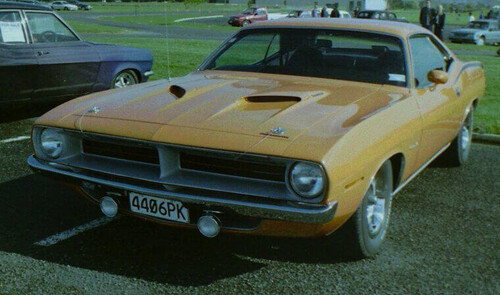
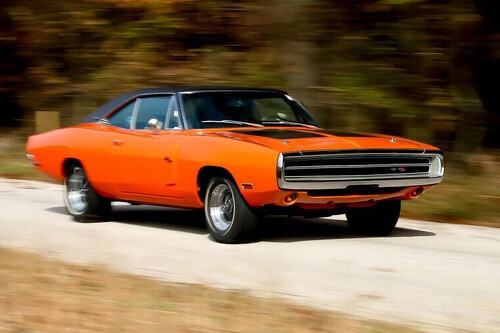
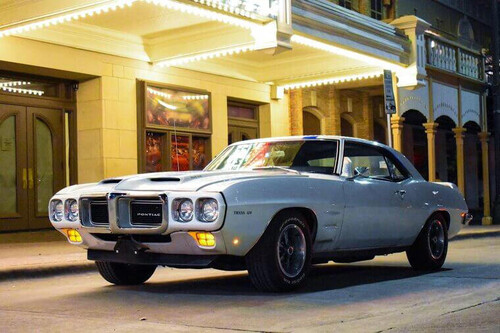
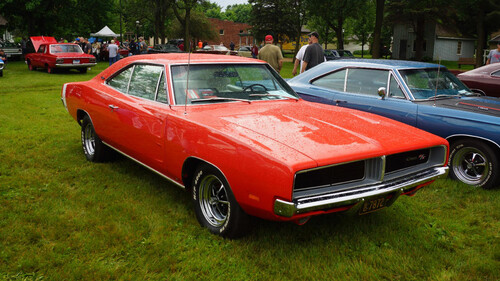
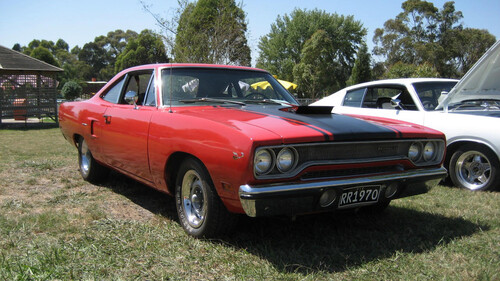
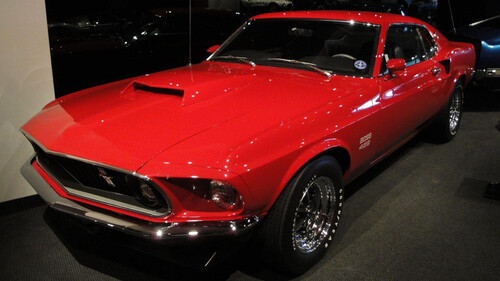
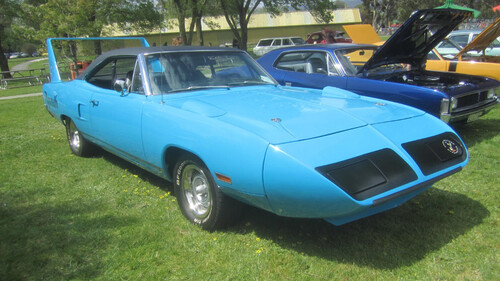
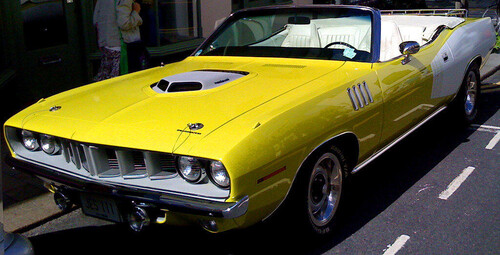
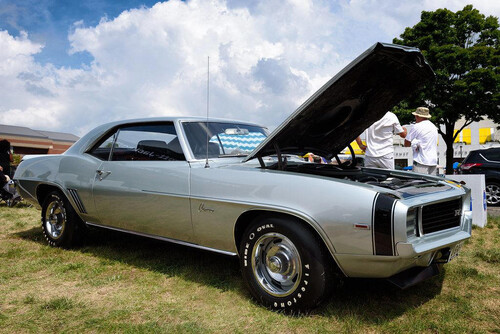
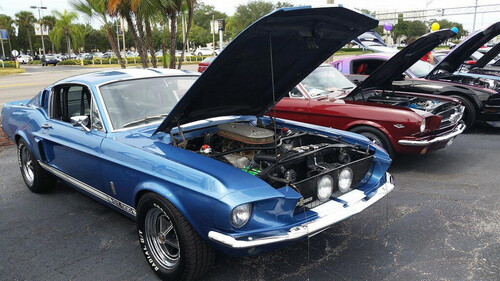
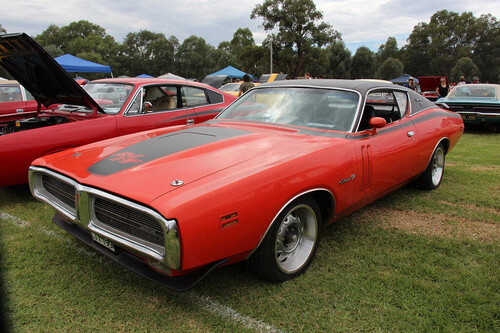
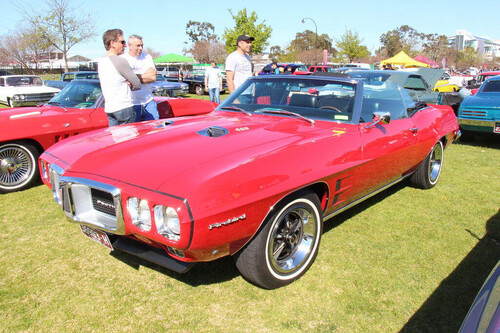
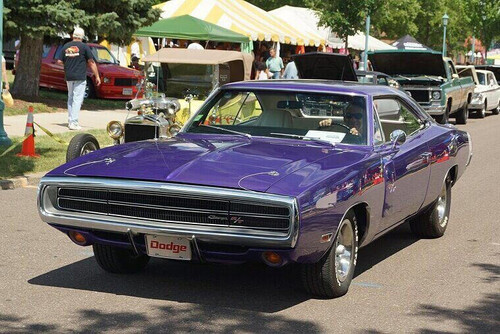
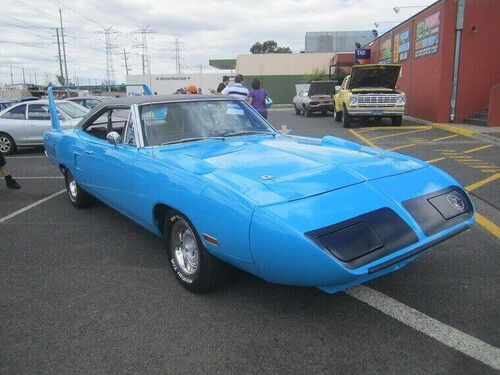
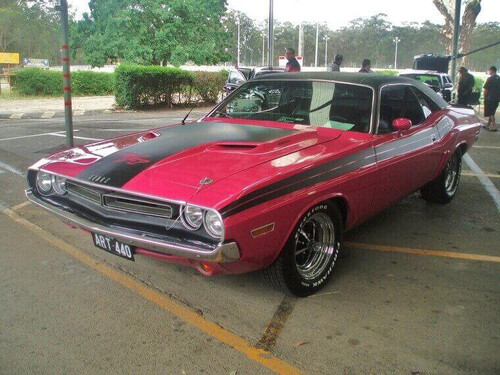
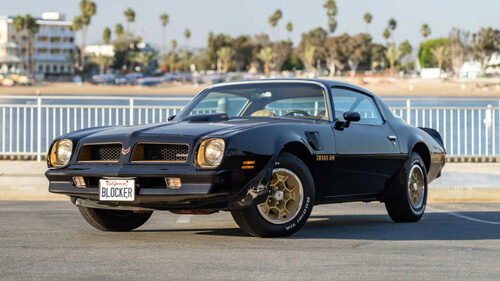
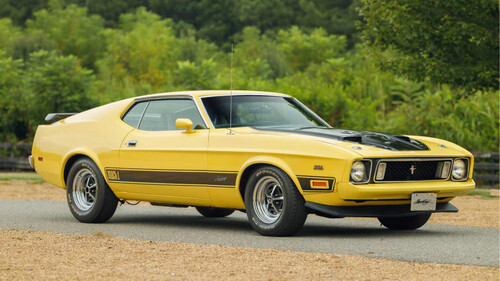
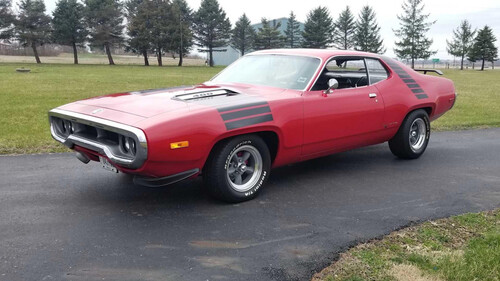
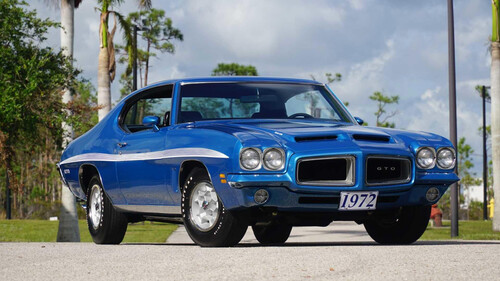
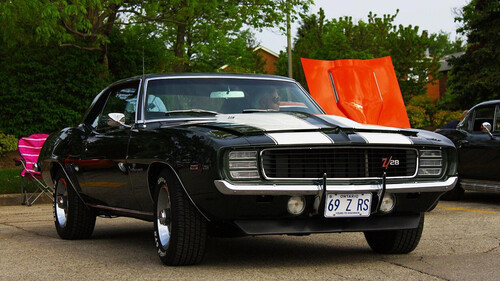
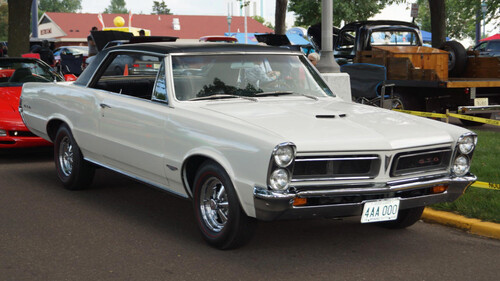
The rare muscle cars built in numbers too small to noticeYou tend to think of classic American performance as loud, common, and everywhere, but some of the wildest muscle cars were built in numbers so tiny you could stand next to one at a show and not quite believe it exists. Instead of showroom staples, you are looking at one-offs, double-digit production runs, and option combinations that slipped through the cracks of Detroit’s own paperwork. Trace how these machines came to be and you see a mix of racing rules, dealer games, and pure engineering curiosity that left only a handful on the road. You also see why collectors now chase them as if they were lost art, because rarity, story, and performance all collide in a way that ordinary limited editions never quite match. How racing rules accidentally created unicorns You cannot talk about muscle cars that barely existed without starting with racing. Stock car and drag sanctioning bodies pushed manufacturers to sell street cars that matched what they ran on track, and that pressure quietly birthed some of the rarest iron you will ever see. In stock car competition, the desire from fans and manufacturers for higher performance within homologation rules pushed carmakers to create special versions of production models, then sell those cars based on high production base models so they could legally race them on Sunday and advertise on Monday, as described in stock car racing. You see the same pattern in other racing categories, where cars had to fill the requirements of their class as set out at the time, which pushed builders to create tiny batches of highly specialized machines that still carried road car identities, just as these cars did in other series. Combine that rulebook pressure with the way American brands loved to chase bragging rights, and you end up with configurations so extreme that only a few customers were brave or informed enough to order them, which is why you now hunt for these homologation specials like buried treasure. Hemi legends built in double digits If you are chasing the rarest of the rare, you inevitably find yourself staring at Plymouth Hemi convertibles. Among collectors, the 1971 Plymouth Hemi ‘Cuda Convertible is widely regarded as the undisputed holy grail of muscle cars, and only 12 units rolled off the line, which is why you hear people talk about that Plymouth Hemi Cuda as if it were a painting instead of a car. Earlier in the same family, the 1970 Plymouth HEMI ‘ Cuda Convertible left the factory in only 14 examples, which turned that Plymouth HEMI Cuda Convertible into a multi million dollar investment for collectors who recognized how few were ever built and how brutally quick they were in period, as detailed in a focused muscle car buying. Hemi magic also shows up in more mainstream body styles that quietly became rare because almost nobody ticked the right box. Enthusiasts often point to the Hemi Barracuda and the Hemi Road Runner from roughly 1968 to 1971 as among the rarest muscle cars ever produced, and original examples are scarce enough that you might go years without seeing one outside of a museum, which is why people on enthusiast forums single out the Hemi Barracuda and when they explain why these cars are so valuable. When you add in the 1970 Dodge Coronet R/T 426 HEMI Convertible One of the rarest American muscle cars in existence to date, with its 426 cube engine and open roof, as highlighted in coverage of the Dodge Coronet HEMI greats, you start to see a pattern where HEMI plus convertible almost always equals production numbers small enough to memorize. One-offs and VIP specials that slipped past the crowd Some of the tiniest production runs were not about racing at all, they were about marketing theater and insider access. In Feb, one detailed look at rare muscle machinery singled out the 1967 Shelby GT500 Super Snake, a car built in a run of exactly 1 Produced, which turned that Shelby Super Snake into a kind of ghost that most enthusiasts only know from a Photo Credit that traces back to Motorauthority, as noted in a feature on Feb Shelby Super. You also find dealer and aftermarket specials that never appeared in glossy brochures, such as the way the COPO system let Chevrolet dealers quietly order cars with configurations that were not available to the general public, a process that later tuners revived when they built cars like the GMMG Camaro ZL 1 Phase III using a C5 R race engine and Z06 brakes, as described in a post about the COPO Process The. On the Oldsmobile side, you find a different sort of insider car in the 1969 Hurst/Olds 442 convertibles, which enthusiasts describe as a legend among GM fans, with only three made and each one going to a VIP, a detail that turns the Hurst Olds story into something closer to corporate folklore than normal production, as outlined in a piece on Hurst Olds 442. Pontiac played a similar game in 1969 when it created the Firebird Trans Am, yet built only 689 Firebird Trans Am coupes along with a mere 8 convertibles, which turned that first year into an instant collectible, as broken down in a pricing analysis of the Only 689 Firebird. Focus on the 1969 Pontiac Trans Am Convertible specifically and you are looking at one of the rarest and most collectible muscle cars in history, with production so low that it is extremely difficult to find today, a point that museums emphasize when they describe the Pontiac Trans Am. Aerodynamic oddities and the cost of being too extreme Not every ultra rare muscle car was a convertible or a dealer experiment, some were simply too outrageous for the average buyer. The Dodge Charger Daytona is a perfect example, since Dodge only built 503 Charger Daytonas with that massive nosecone and towering rear wing, which made the Dodge Charger Daytona both very rare and very valuable once collectors realized how wild the aero package really was, as described in a profile of the Dodge Charger Daytona. When you look at specific examples like the 1969 Dodge Charger Daytona with a 426 HEMI and a four speed, auction specialists point out that its aerodynamic nosecone and raked rear wing turned the 1969 Dodge Charger Daytona into a terror on the track and one of the most significant cars in the world of muscle car collecting, as highlighted in a feature on how Dodge Charger Daytona might top seven figures. Ford fans have their own low volume oddities, and you see that in the way the rarest Ford muscle car of the 1970s came from the very start of the decade, a project that was cut short before it could reach meaningful production, as explained in a look at how Feb Ford ended a promising run. On the Chevrolet side, the 1969 Camaro ZL1 program built only 69 cars with an aluminum 427, and auction descriptions point out that the lightweight design and massive power made the ZL1 capable of quarter mile runs in the low 11 second range, which is why a 1969 Chevrolet Camaro ZL1 with that ZL1 aluminum 427 CI engine is now described as one of the most valuable Chevrolet muscle cars in existence, as captured in a catalog entry that calls out Dec. Put these cars side by side and you see how extreme styling, huge engines, and short production runs combined to create machines that the market initially resisted, then later elevated into million dollar artifacts. From forgotten options to modern obsession More from Fast Lane Only Unboxing the WWII Jeep in a Crate 15 rare Chevys collectors are quietly buying 10 underrated V8s still worth hunting down Police notice this before you even roll window down