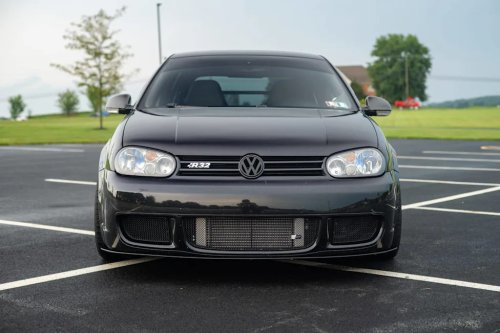
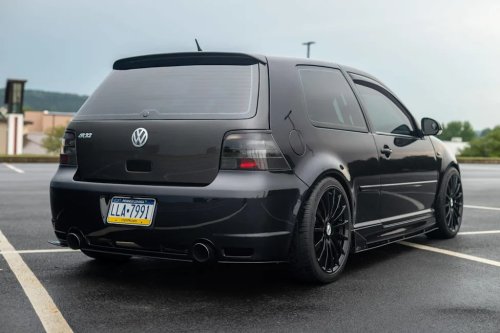
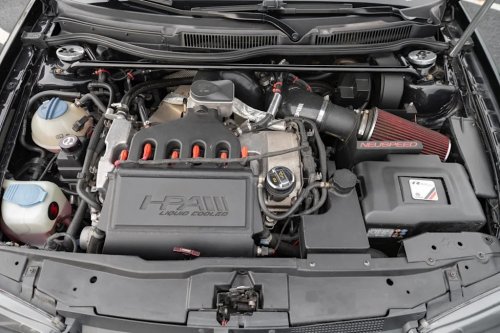
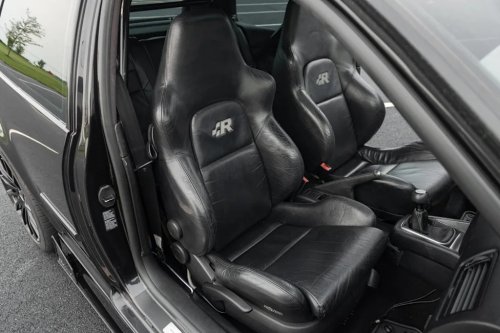
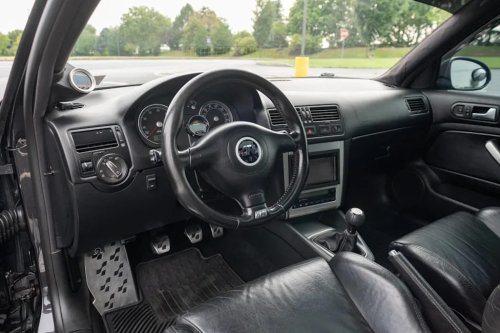
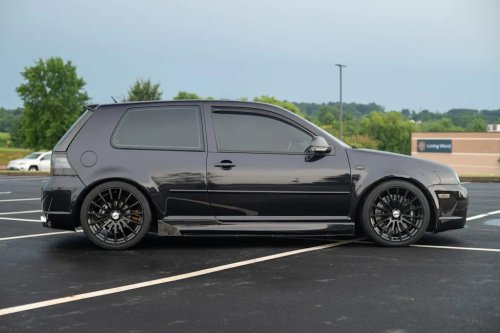
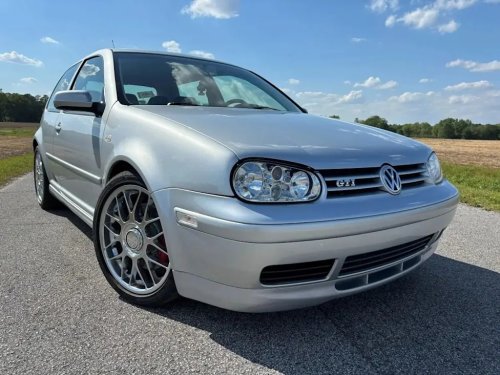
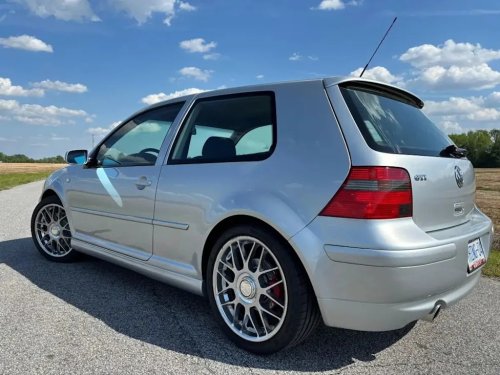
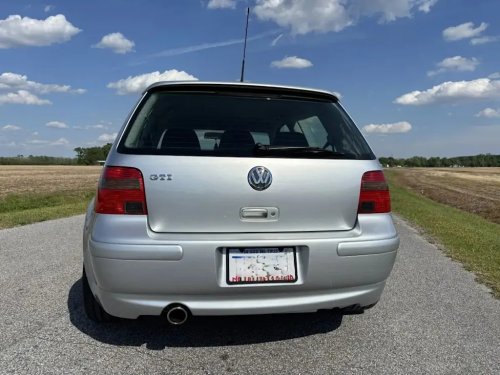
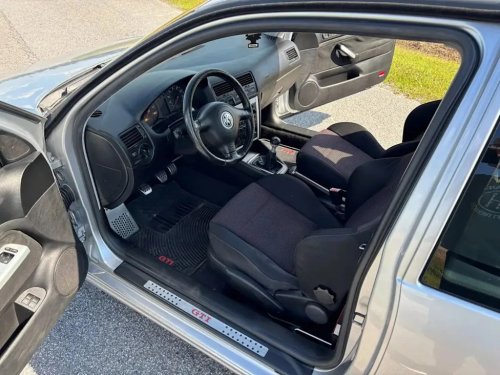
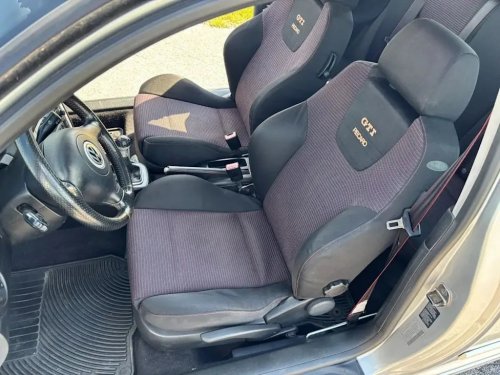
Quick LinksAt the intersection of fun, affordability, and practicality sits the hot hatch. These small, usually FWD runabouts have been the preferred performance cars of the everyman for decades now, and the Volkswagen GTI sits as the pinnacle of the segment. Since its inception in the late 1970s, VW's hopped-up Golf has managed to keep the segment alive and well over eight incredible generations, and while each offers the same incredible formula, one is more controversial than any other: the Mk4.Sold from 1998 to 2005, it was the generation Volkswagen envisioned would finally introduce the refined grown-up hot hatch the company had always dreamed of building. It delivered a clean, timeless design, better fit and finish than ever before, and a performance on a scale never before seen in a GTI body. On paper, it should have been a hit, but along the way, the Mk4 lost something, a playfulness that previous generations had championed, and it's left a complicated legacy that's hard to decipher. Was it really as bad as some say? Or is there more to the Mk4 than meets the eye? We take a look to find out. The GTI Transformed 2002 Mk4 Volkswagen GTI 337 Edition front 3/4 silver from a distanceThe Mk4 GTI, launched in Europe in 1997 and North America for the 1999 model year, arrived with sleek, rounded bodywork and a level of interior sophistication that nudged it closer to Audi territory. Under the careful design instructions of Hartmut Warkuss, the boxiness of the third generation gave way to a much softer shape that was easier on the eyes. It featured more glass than before, giving the cabin an airier feel, but still held on to the classic designs of earlier models, thanks to design cues like the thick C-pillar and overall silhouette.Everything about the model felt more upscale than before, in large part due to a focus on comfort that previous generations lacked. These seeped into every corner of the new model, so while the wide fenders gave the impression of performance, the interior could be outfitted with plush leather seats and wood accents that immediately let you know this wasn't the GTI of its forefathers.Part of this new ethos came directly from the top, as VW AG boss Ferdinand Piëch felt Volkswagen had an opportunity to move further upmarket. Every model in the range was put under the microscope, and a focus on luxury and comfort was paramount, but while this worked on vehicles like the Passat, on a sporty model like the GTI, it felt almost counter-intuitive.The GTI was repositioned as a sporty model for the young executive, and while innovations like electronic stability control and lower NVH levels were welcomed additions, it was immediately apparent that it now lacked the rawness that enthusiasts had celebrated for decades. The vehicle gained weight and engine options, but it didn't tackle the curves with the same fervor as it did before, and this disconnect between what the company felt its buyers wanted and what they actually wanted was the initial crux of the model's problems that would only get worse as the years wore on. Three Engines, Three Very Different Experiences 2002 Mk4 Volkswagen GTI 337 Edition engine bay 1.8TOne of the major problems from the beginning was the fact that not all Mk4 GTIs were created equal.Since the Mk1, the GTI hasn't always stuck with a single engine option. This was a solid strategy, as it helped the car be more attainable for enthusiasts in different price brackets, but this generation saw an immediate disconnect with the initial engine option. When it arrived in the US, for the first six months, the base GTI came equipped with an infamous 2.0-liter 8-valve four-cylinder producing just 115 horsepower and around 122 lb-ft of torque.In the lightweight frame of a Mk1, performance like this was acceptable, but 20 years on, it was just downright sad, with the engine quickly nicknamed the "2.slow" by VW enthusiasts. A 0-60 sprint in the mid-nine-second range wasn't going to cut it, but VW quickly rectified the issue.The 1.8-liter turbocharged four-cylinder was introduced with a healthy upgrade in performance to 150 horsepower, and it would later see output increase to an even better 180 horsepower. Making the most of it was a new 6-speed manual transmission, a first on a GTI, but an automatic transmission was also offered on a GTI for the first time, another indication this GTI had a different focus from its predecessors.However, there was another. Sitting at the top of the range was the available VR6 engine option, which produced 174 horsepower from its 2.8 liters. An innovative engine that set this generation apart like it did the Mk3, it offered a velvety powerband and a distinct exhaust note unlike any GTI before, but the added weight over the front wheels led to more understeer and a 0–60 time that was practically identical to the turbocharged model. When the engine was updated to 24-valves in 2003, power was increased to 204, helping to give the VR6 a further edge.The VR6 version is by far the model most remember, but there's no denying it complicated the entire buying process, and it doesn't help that, no matter which you chose, the driving experience simply wasn't what many had hoped it would be. Plenty Of Places Where VW Missed The Mark 2002 Mk4 Volkswagen GTI 337 Edition rear 3/4 silverWhen buying a hot hatch, one aspect is more important than anything else: is the car fun to drive? This is why the hot hatch was created in the first place, to give buyers an accessible vehicle that would illicit a child-like grin when flinging the car into a curve and downshifting into second, but in attempting to make the GTI better, Volkswagen had somehow managed to make it worse.The car's major black mark was its handling, or lack thereof. It wasn't bad, per se, as its relatively analog design compared to modern-day options inherently felt more engaging, but there was no denying the presence of notable body roll experienced in hard turns, the vagueness of the hydraulic steering that was surprising, and the relative disconnectedness of the entire package. It wasn't a vehicle that was particularly enjoyable to drive fast, which is baffling given the GTI badge on the tailgate.Making matters worse was the six-speed manual. VW has never been lauded for its manual transmissions, but despite the six-speed helping put power to the ground effectively, there's no sense of occasion. It does everything too easily, without a flicker of excitement, and even a laziness that many reviewers noted took away from the driving experience. It just wasn't up to snuff against the likes of the expertly tuned Ford Focus SVT and contemporary Honda Civic Si, the latter of which continues to display why enthusiasts still clamor for manual transmission options to this day.Two attempts were made at improving the formula here in the US, with the first coming by the name of the 337 Edition in 2002. Its name came from the code used for first-generation GTIs, and it added a host of aesthetic and luxury enhancements, along with improved brakes and suspension. The second was the GTI 20th Anniversary Edition that arrived in 2003, which was created to celebrate the 20th anniversary of the GTI in the US. Mechanically, it was the same as the 337, with the same upgrades, 6-speed manual, and 1.8-liter engine.They did improve the experience, and as such, they are some of the most coveted versions to this day, but their limited nature and late introduction did little to move the overall needle. The car lost its precision, despite being more comfortable cruising at triple-digit speeds than ever before. The mission had changed, and the GTI changed to meet those requirements, but by attempting to make it more approachable for people of all skill levels and desires, the company managed to take the GTI out of the GTI. Was It Really That Bad? Yes and No 1997 Mk4 Volkswagen Golf GTIThis combination of disappointing handling and unimpressive speed has led many to believe the Mk4 GTI was a bad car. It wasn't. It wasn't even a particularly bad hot hatch; it just wasn't a great GTI.At its core, it failed to deliver on the "fun to drive" promise that had been so closely linked with the name up to that point. It was heavier, less agile, and overall more subdued compared to the GTIs that came before, and this was partly by design. If all you wanted was a vehicle to push hard once or twice a month on the drive back home from work, and look sleek parked in your driveway, it was an excellent option, but enthusiasts like us are always going to demand more from famous nameplates.Making matters worse was also the fact that the vehicle soon lost its luster when the plastic started to crack, and complicated engine options soon illustrated their weak points. The VR6 is an incredible piece of engineering, but it was also a tight fight, and that made maintenance quite frustrating.However, time does love to heal wounds, even if there is a little scarring left over.In the years since, there's no denying the design has aged wonderfully. Going on looks alone, we'd say the Mk4 is probably one of the most attractive GTI generations ever made, with a timelessness that isn't overcomplicated by the sharp lines, creases, and aggressiveness that seem mandatory on modern sporty vehicles. We'd bet this aspect alone was responsible for many of its sales.Additionally, the 1.8T proved to be the darling of the range, mostly because tuners quickly discovered it was the best avenue to take for increasing power. Then there was its new big brother. Truthfully, the greatest aspect of the GTI was its association with the R32 Golf R. This was the vehicle that stole headlines and proved VW's hot hatch was more than a force to be reckoned with, but a bona fide sports car to aspire towards.We won't say the Mk4 has been redeemed, but it's safe to say it isn't as bad as many make it out to be. Once the Mk5 hit the streets, it was all over for the Mk4, because it re-delivered the GTI experience we know and love, and immediately left its predecessor in the dust. The Mk4 was a transitional vehicle that forced VW to redefine what the GTI is, and thanks to the generations that followed, we say we're grateful for its sacrifice.























 +5 others