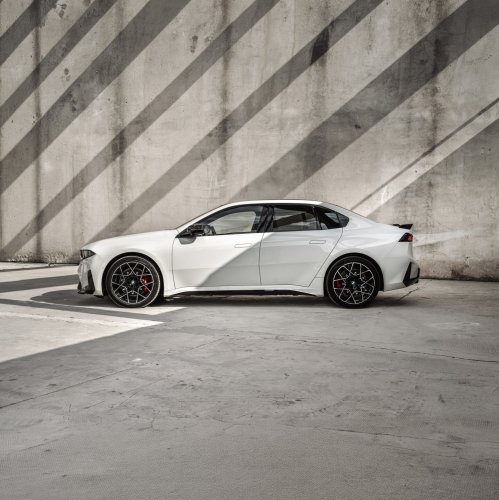
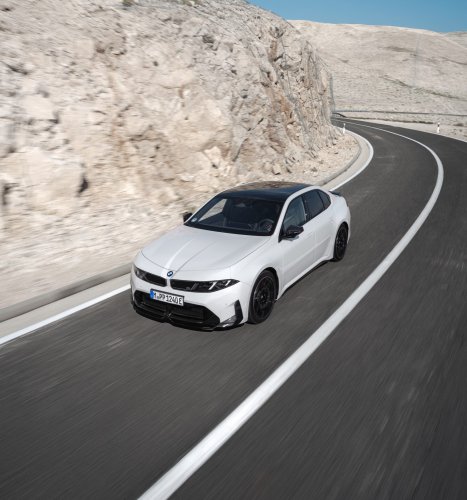
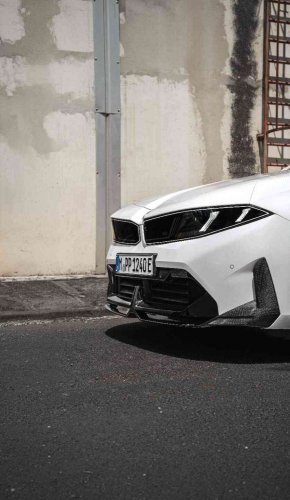
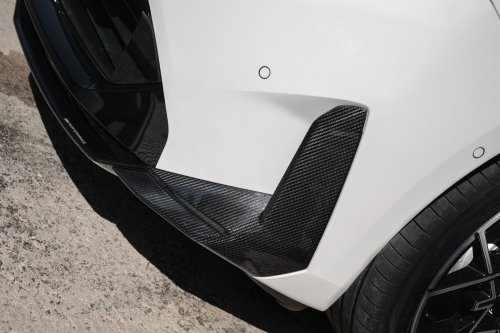
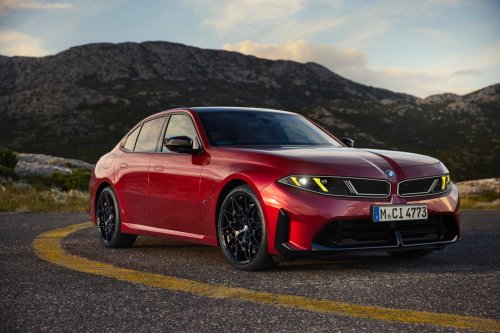
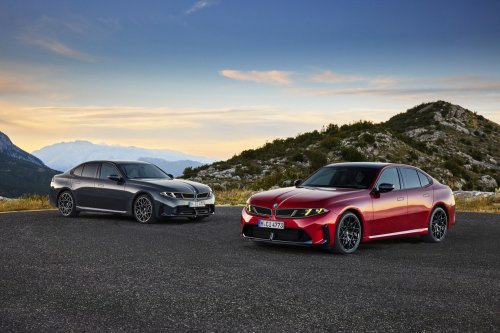
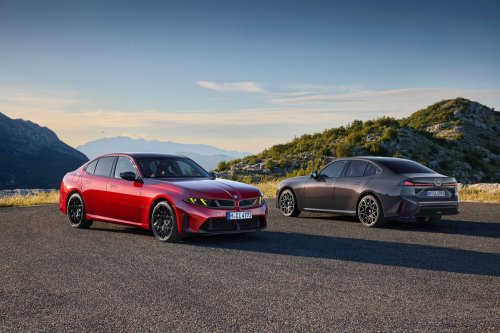
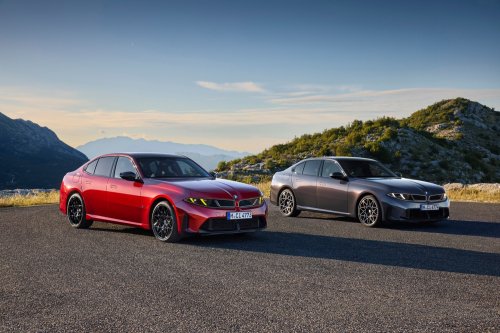
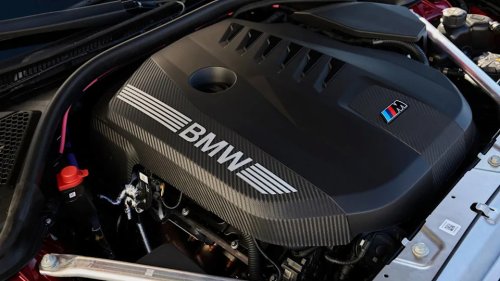
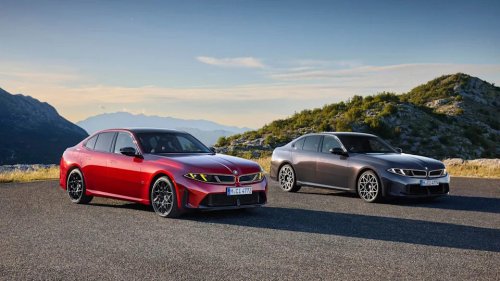
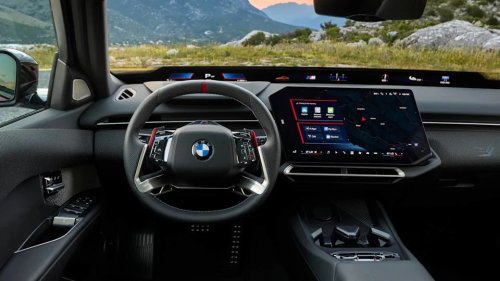
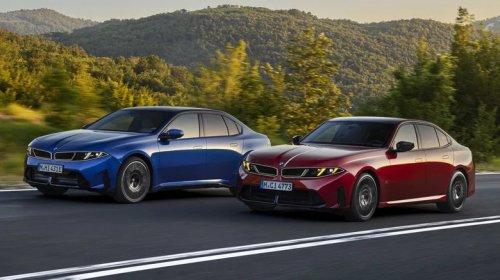
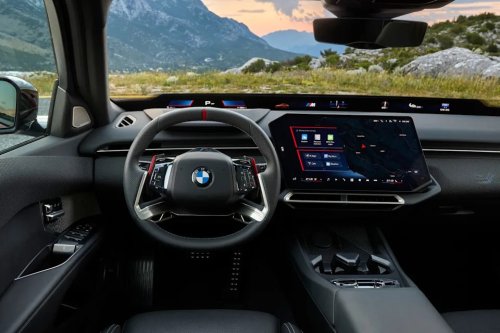
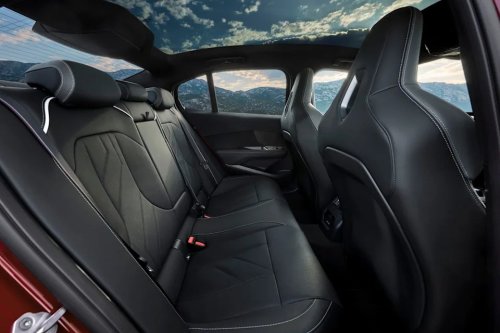
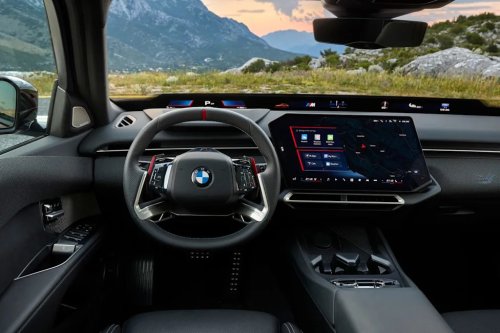
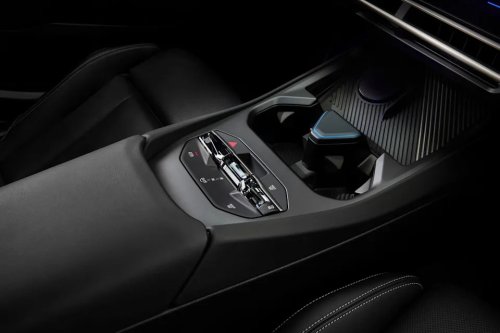
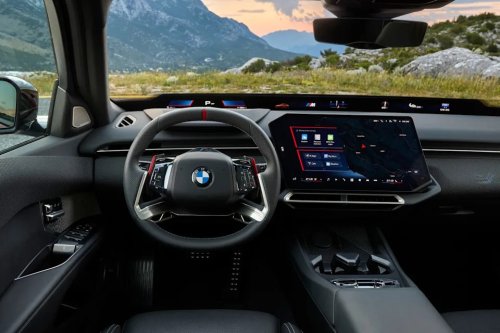
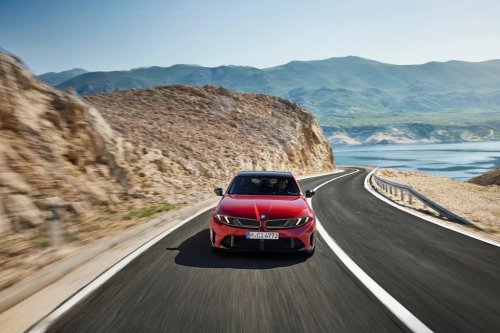
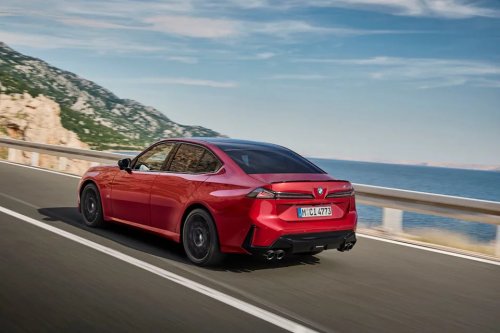
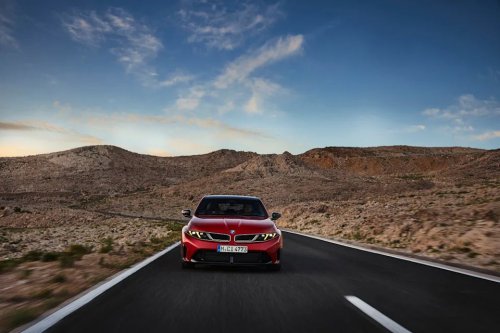
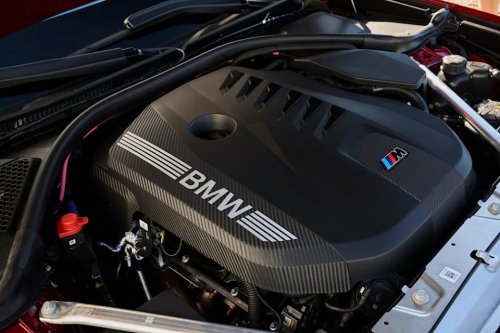
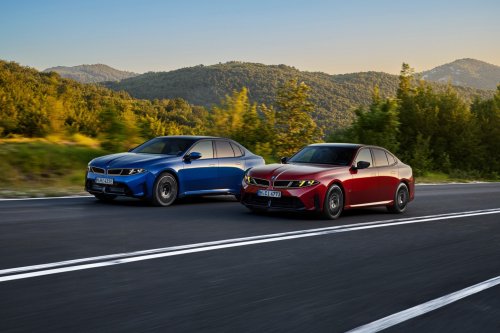
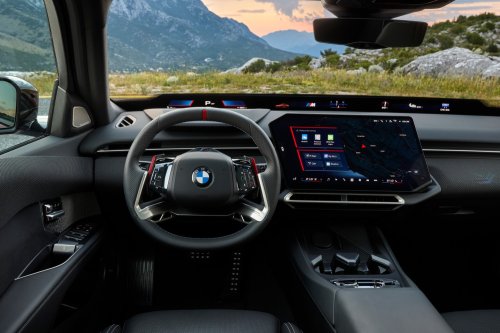
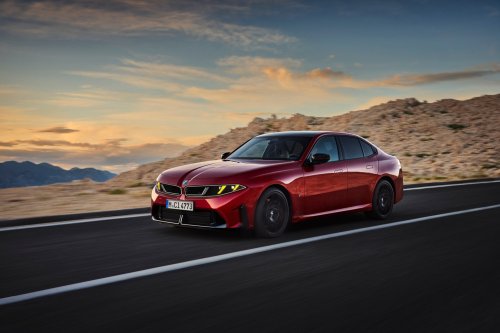
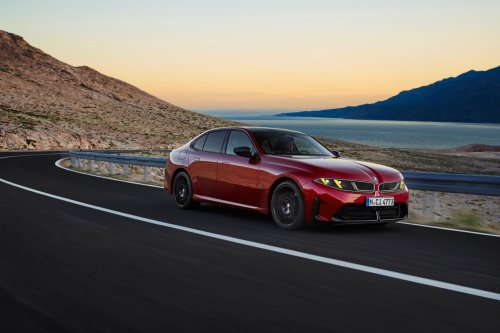
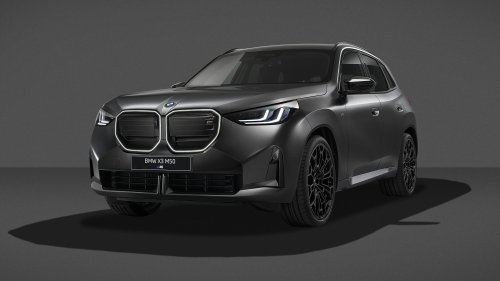
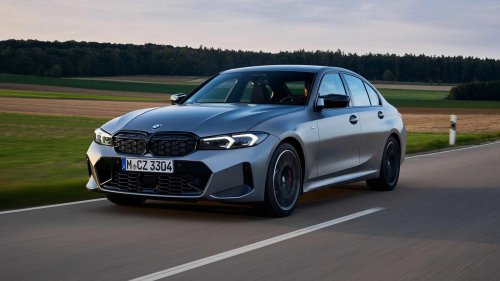
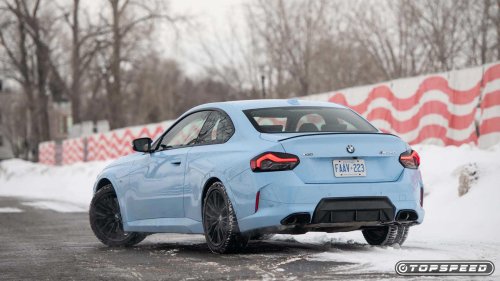
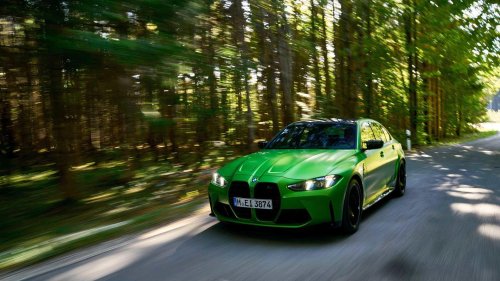
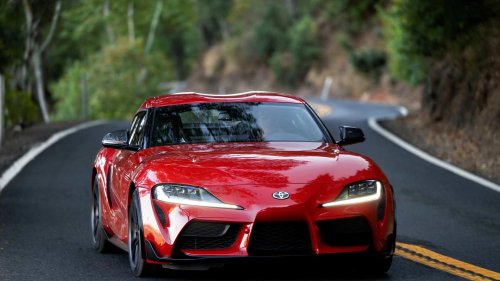
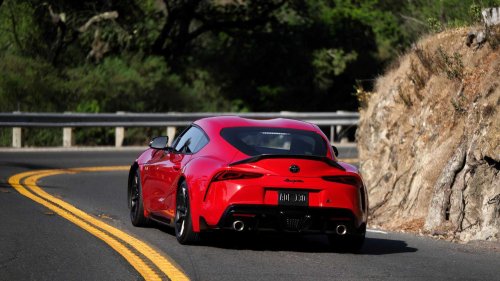
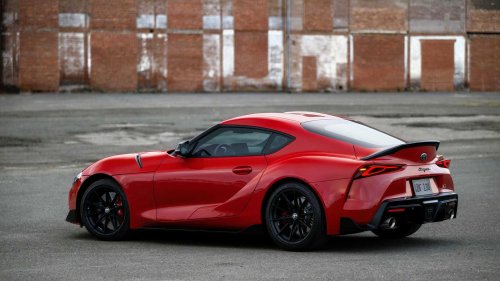
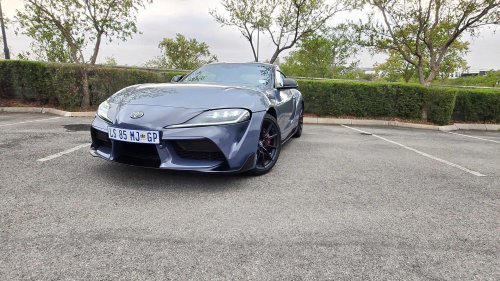
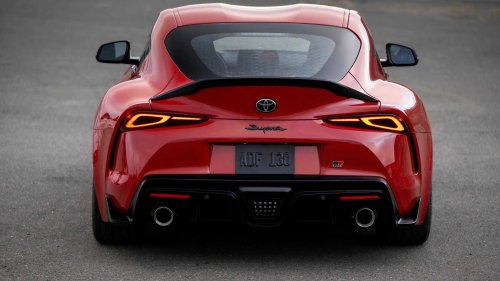
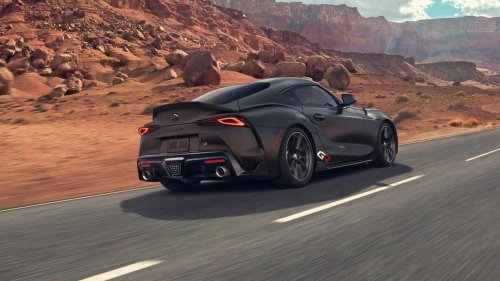
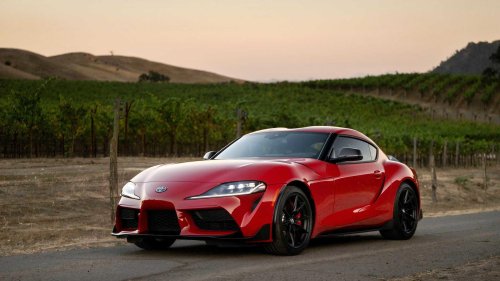
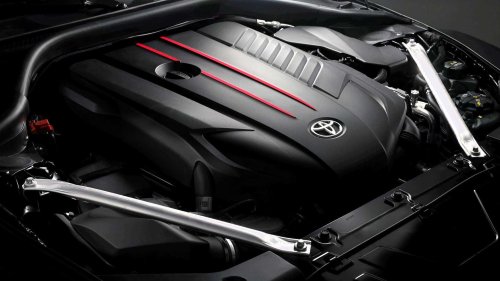
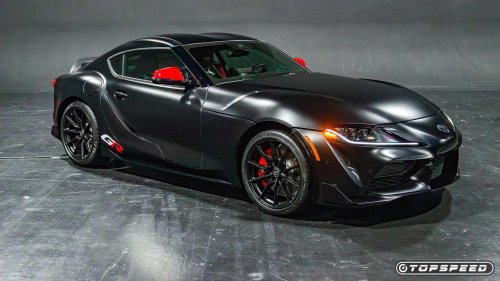
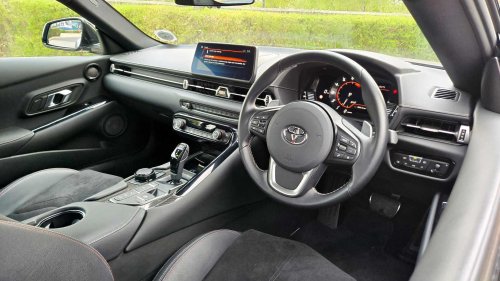
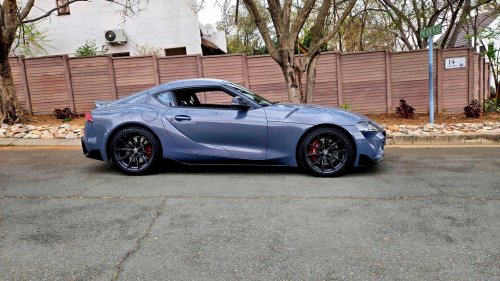
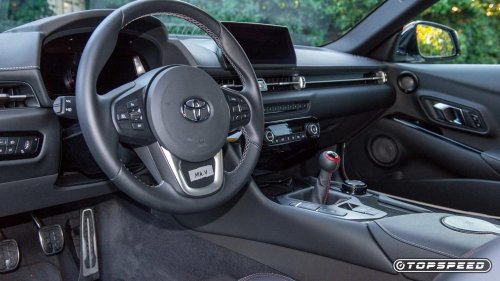
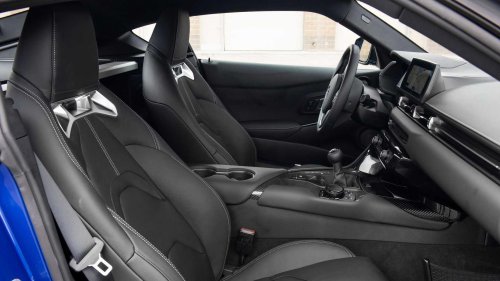
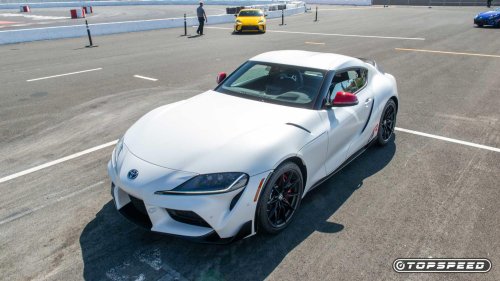
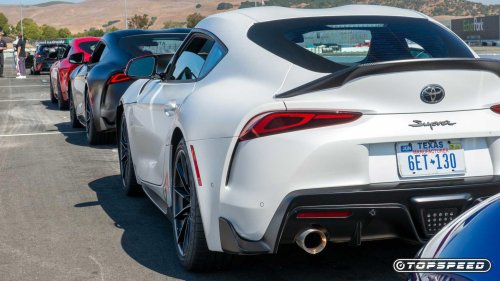
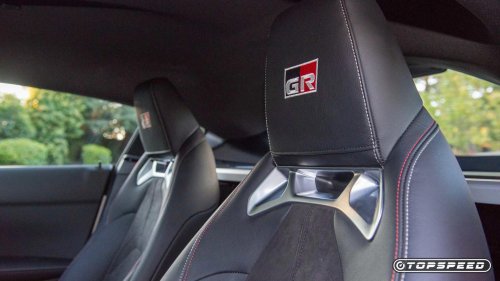
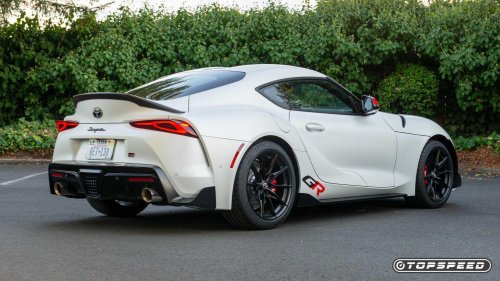
The modern performance car is faster than it has ever been—but not always better to drive. On paper, today’s sports cars are deeply impressive. Power figures have climbed, acceleration times have dropped, and technology has made cars more capable than ever before. Launch control, adaptive suspension, and advanced traction systems mean even inexperienced drivers can access serious performance with minimal effort. But in that pursuit of speed and efficiency, something important has started to fade. For many enthusiasts, the connection between driver and machine isn’t as strong as it once was.Steering systems feel more artificial, chassis feedback is often filtered, and the experience can feel more digital than mechanical. Cars are quicker, yes—but not always more engaging. That’s what makes a truly well-balanced driver’s car stand out today. When a car delivers genuine feedback, predictable handling, and a sense of control that builds confidence rather than replaces it, it immediately separates itself from the crowd. And for decades, that space has been dominated by BMW. Why BMW Still Sets The Benchmark For Drivers’ Cars Precision, Balance, And Consistency Define The Formula BMW BMW didn’t earn its reputation overnight. It built it through decades of consistency, refining what a driver-focused car should feel like across multiple generations. Cars like the 3 Series became the blueprint for balance—offering near-perfect weight distribution, rear-wheel-drive dynamics, and steering that communicated clearly with the driver. It wasn’t just about performance figures. It was about how everything worked together. The front end responded naturally. The chassis behaved predictably. The power delivery felt usable rather than overwhelming. That Consistency Built Trust Guillaume Fournier | TopSpeed Even as the automotive world shifted toward electrification and increased digitalization, BMW has largely held onto that core philosophy. Its cars still prioritize how they feel on the road, not just how they perform in a straight line. And that’s why BMW enthusiasts are notoriously difficult to impress.BMW They’re not chasing outright speed. They’re looking for balance, feedback, and a sense of connection that makes driving enjoyable at any pace. So when a car from outside that ecosystem earns its respect, it’s worth paying attention. The Toyota GR Supra Faced Early Doubt—Then Changed The Narrative Shared DNA Sparked Debate, But Driving Experience Settled It Toyota When the Toyota GR Supra was first revealed, the conversation wasn’t entirely positive. Its development alongside BMW—sharing a platform and key components—immediately raised questions. For some enthusiasts, the Supra name carried too much heritage to be tied so closely to another manufacturer. The legacy of previous generations, particularly the iconic A80 model, created expectations that were difficult to meet. Critics Were Quick To Question Its Authenticity Toyota Was it really a Toyota? Did it deserve the Supra badge? Had the brand compromised its identity in the pursuit of convenience? Before most people had even driven the car, the narrative had already been shaped by skepticism. But that narrative doesn’t hold up once you get behind the wheel. The moment you actually experience the Supra in motion, the focus shifts away from its origins and toward what it does exceptionally well. It feels right. A Driving Experience That Feels Instantly Familiar—In The Best Way Balance And Confidence Define The Supra’s Character Toyota From the first few moments behind the wheel, the Supra establishes a sense of clarity that many modern performance cars lack. There’s no adjustment period where you’re trying to figure out how the car behaves. It communicates immediately. Inputs feel natural, responses feel predictable, and the entire driving experience comes together in a way that makes sense almost instantly. That’s a difficult quality to engineer—and an even harder one to replicate.TopSpeed Turn into a corner, and the front end responds with precision and confidence. There’s a reassuring level of grip, but more importantly, there’s feedback. You’re not guessing what the car is doing—you can feel it through the steering and chassis. That connection builds trust quickly. The Supra Doesn’t Completely Smooth Out Its Edges ToyotaThe MkV Supra retains a playful side, particularly at the rear. It is tail-happy, and that’s something you notice early on. The back end can step out if you’re aggressive with your inputs, but it does so in a way that feels progressive rather than unpredictable. You’re always aware of what’s happening.Toyota Mid-corner is where the car truly shines. The balance is composed and controlled, allowing you to carry speed with confidence. It doesn’t feel nervous, and it doesn’t feel overly aggressive. Instead, it encourages you to push a little further, gradually building confidence as you go.Toyota Feed in throttle on exit, and the rear responds smoothly. There’s no sudden snap or unwanted drama—just a clean, controlled transition that reinforces the car’s composure. That balance is what defines the experience. While many modern performance cars deliver speed, fewer deliver engagement. The Supra manages to do both. And that’s what makes it stand out. The B58 Engine Is More Than Just A Shared Component Power Delivery That Matches The Chassis Toyota At the heart of the Supra is a 3.0-liter turbocharged inline-six sourced from BMW—the well-known B58 engine. On paper, it produces around 382 horsepower and 368 lb-ft of torque. Those are strong figures, but they only tell part of the story. What really matters is how that performance is delivered. The engine offers a broad spread of torque, particularly through the midrange, which makes the car feel responsive in a wide range of driving scenarios. You don’t need to push it to the limit to access its performance. It’s always available, whether you’re accelerating out of a corner or overtaking on the highway. That Usability Is Key Amee Reehal | TopSpeed Put your foot down, and the response is immediate and smooth. There’s no hesitation, no lag that disrupts the flow of the drive. Instead, the power builds in a way that feels controlled and predictable. When you do push harder, the performance is genuinely impressive. Acceleration from zero to 60 mph comes in at around 3.9 seconds, placing the Supra firmly in the territory of much more expensive sports cars. But what makes the engine special isn’t just its output—it’s how well it integrates with the rest of the car. It complements the chassis rather than overpowering it. A Transmission That Enhances, Not Interrupts Seamless Performance Across Driving Modes TopSpeed While a manual is offered, the eight-speed automatic transmission plays an important role in shaping the Supra’s overall character. In normal driving, it operates smoothly and unobtrusively. Gear changes are refined, and the car feels easy to live with in everyday situations. It doesn’t demand constant attention, which makes it surprisingly usable for daily driving. Switch into sports mode, and the personality shifts.TopSpeed The gearbox becomes quicker and more responsive, holding gears longer and reacting more sharply to throttle inputs. At the same time, the steering gains weight, and the car feels more alert overall. It’s a noticeable transformation—but not an overwhelming one. The Supra doesn’t become difficult or unpredictable in its sportier setting. Instead, it simply sharpens its responses, giving you more control without sacrificing composure. Everything remains cohesive. A Driver-Focused Interior That Keeps Things Simple Function Over Flash Amee Reehal | TopSpeed Inside, the Supra takes a refreshingly focused approach. The cabin isn’t overly dramatic or filled with unnecessary distractions. Instead, it prioritizes usability and driver engagement. Controls are positioned where you expect them to be, and the layout feels intuitive from the moment you get in. It’s a space designed around driving, not just presentation. The seats are supportive, holding you in place during more spirited driving without sacrificing comfort on longer journeys.Toyota The infotainment system is straightforward and functional, offering the essentials without overwhelming the experience. There’s technology here, but it doesn’t dominate. And that’s the key point. In an era where interiors are becoming increasingly digital and complex, the Supra keeps things grounded. It gives you what you need, without pulling your attention away from the road. Why BMW Enthusiasts Take The Supra Seriously It Delivers On The Fundamentals That Matter Most Amee Reehal | TopSpeed The Supra’s connection to BMW may have sparked initial skepticism, but it’s also part of why the car feels so cohesive. More importantly, though, it delivers on the same fundamentals that BMW enthusiasts value. Balance. Control. Feedback. Those qualities aren’t easy to engineer, and they’re even harder to execute consistently. But the Supra manages to do exactly that.Amee Reehal | TopSpeed It’s quick, but not overwhelming. It’s capable, but still approachable. And perhaps most importantly, it’s enjoyable in a wide range of driving conditions. You don’t need to be on a racetrack to appreciate what it offers. From everyday driving to more spirited runs, the Supra maintains a sense of composure that builds confidence rather than demanding constant correction. That’s what earns respect. Not marketing. Not heritage alone. But real-world performance delivers on expectation. A Sports Car That Proves Formula Still Works Engagement Still Matters—And The Supra Gets It Right Amee Reehal | TopSpeed What makes the Supra significant isn’t just how well it performs—it’s what it represents. At a time when many performance cars are becoming increasingly complex and detached, it proves that the fundamentals still matter. A well-balanced chassis, clear feedback, and predictable handling can still define a great driving experience. It doesn’t rely solely on power or technology to create excitement. Instead, it focuses on connection.Amee Reehal | TopSpeed And that’s why it resonates with enthusiasts who understand what makes a car truly enjoyable to drive. The Toyota GR Supra isn’t trying to replace BMW or replicate its identity. It’s doing something arguably more impressive—it’s capturing the essence of what makes a great driver’s car and delivering it in its own way. And in doing so, it earns something that can’t be engineered or marketed easily: respect.



















 +42 others