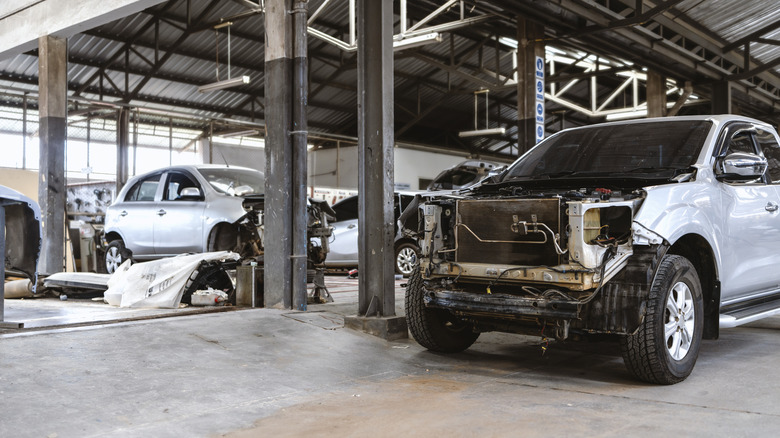
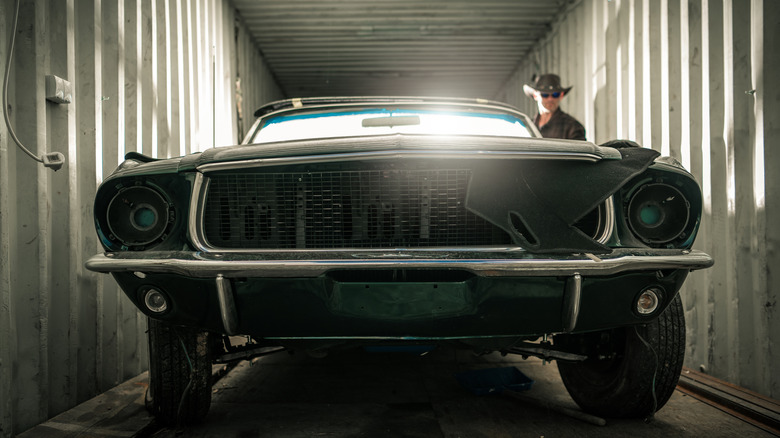
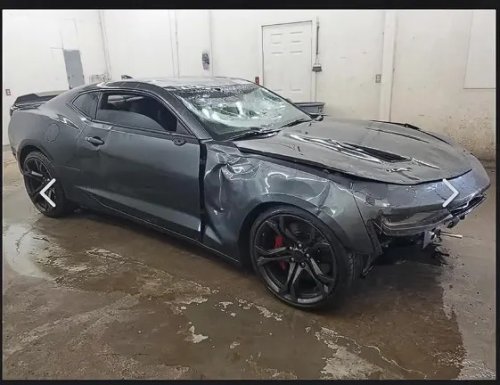
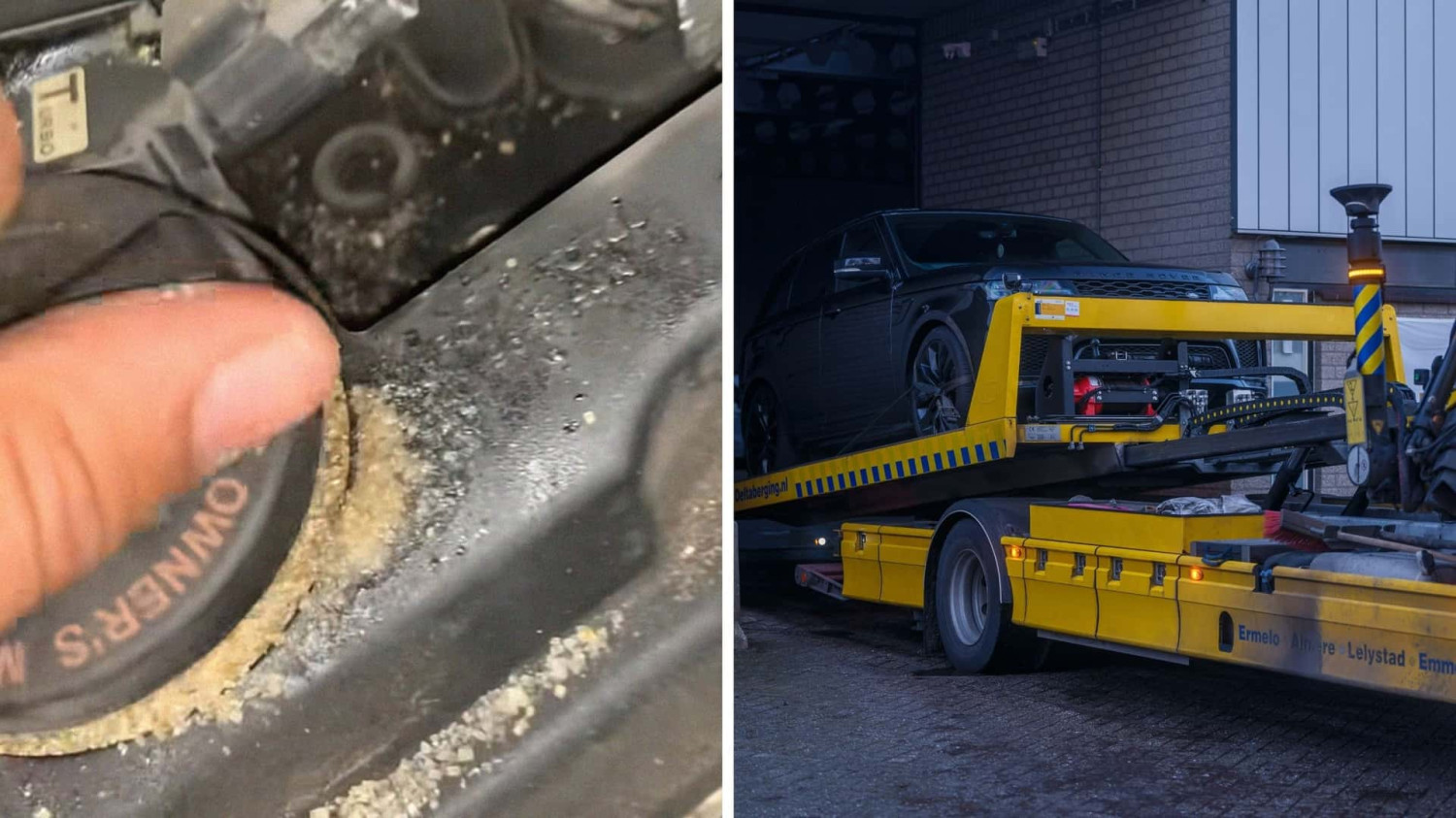
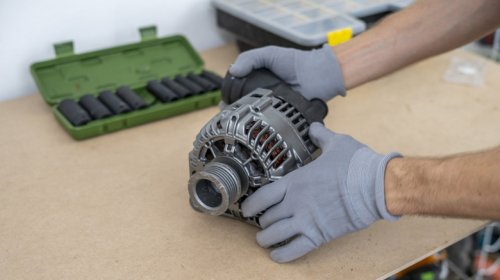
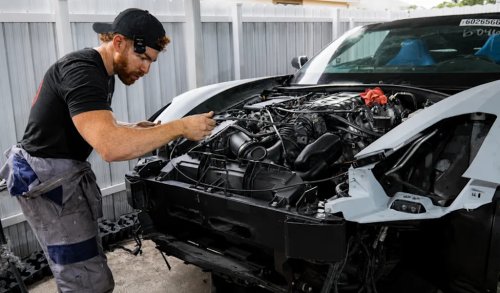
D-keine/Getty Images When someone spends years saving and sacrificing for a car, the last thing they imagine is waking up to an empty driveway. Still, car theft remains a brutal reality, one that doesn't discriminate between supercars and daily drivers. For an enthusiast, it's never just a transportation device. It's weekends in the garage, late-night drives, and memories tied to every scratch and mod. When that car is stolen, the loss isn't just financial. Recently, we asked about your worst car theft stories, and regardless of the vehicle in question, every story was painful. According to the National Insurance Crime Bureau (NICB), as many as 850,708 vehicles were stolen in the U.S. in 2024. While NICB data shows that, in 2022, as many as 85% of stolen passenger vehicles were eventually recovered, many stolen cars are never seen in the same condition again. Others are stripped for parts, used to commit crimes, or shipped overseas never to return. The fate of a stolen vehicle can be especially hard on an enthusiast. However, if you're interested in all the gritty details, here is where many stolen cars end up and why it's never a pretty story. Some stolen cars are chopped for parts or used to commit crimes Memorystockphoto/Getty Images Even if a stolen car gets recovered, that does not always mean it's in tip-top shape. Sometimes, thieves will steal a vehicle to strip it of valuable parts and dump it somewhere. Other times, they will strip pretty much the entire car for every nut and bolt. One U.S.-based catalytic converter crime ring scored $500 million in just 3 years, and this is just the tip of the iceberg. Although some vehicles get recovered, others are sent to illegal chop shops, and the process of selling stolen parts commences. Some thieves will sell the parts through online and informal marketplaces, often disguising them as legit goods. Sometimes, these parts will be sold to fencing networks, which will mix them with legal inventory through legit business practices. However, a significant portion is also transported overseas through container shipping routes. These illegal practices are often networked on a global scale, meaning that it is difficult to assess just how many stolen parts are shipped overseas. Not every stolen vehicle ends up in a chop shop, however. Since registered cars on the road today can all be traced to an owner of some sort, this represents a problem for criminals. To get around the hurdle, thieves often steal cars and use them as getaway vehicles or even commit crimes with them. Some stolen cars are sent overseas or stolen for fun Virrage Images/Shutterstock When VOA spoke with Adam Rottman, Customs and Border Protection's director at the Port of Baltimore, about the challenges of tracking stolen vehicle exports through customs inspections, he explained, "I'd say 90% to 95% of every one of our stolen automobiles is headed to West Africa." Nigeria seems to be a hotspot for stolen U.S. cars, as a large share of recovered vehicles were headed there. Last year, 43 stolen luxury cars worth $3,650,000 were found in two Bronx parking garages, with plans to be shipped to West Africa. These cars can also find their way into Asian countries, the Middle East, or Mexico. Upon arriving, they can be exchanged for illegal goods, used as taxis, or even used as transportation for terrorists. This is possible thanks to the falsification of documentation, plate washing, and other deceptive import practices to register and resell these vehicles within local markets. Sometimes, cars are stolen for fun. This can mean stealing high-value cars for a joyride and later dumping them. For many offenders, the primary draw is the thrill of doing something dangerous and getting away with it. Police chases only add to the appeal, amplifying the danger and making the whole experience feel more like a game than real life. Joyriding has even evolved into a social media phenomenon — as seen with the Kia Boys trend. As for the car itself, many joyriders report abandoning stolen vehicles within just a few hours, and some even burn them afterward. When a high-performance car falls victim to joyriding, the damage is rarely just cosmetic.