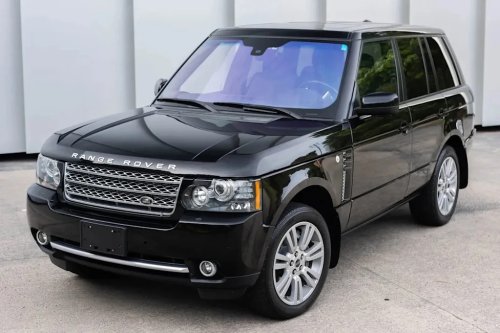
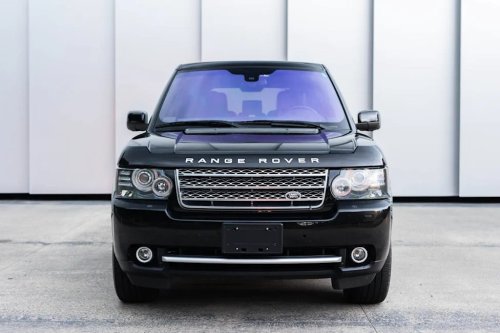
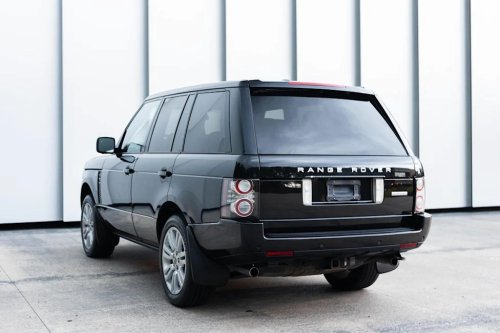
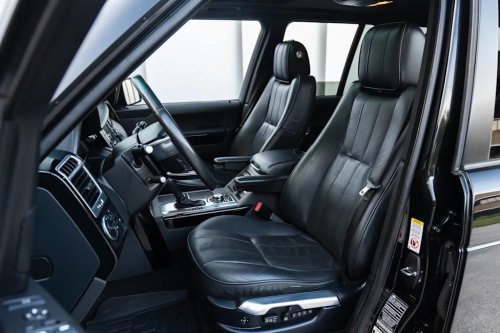
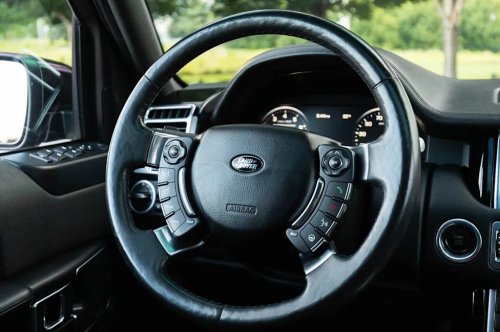
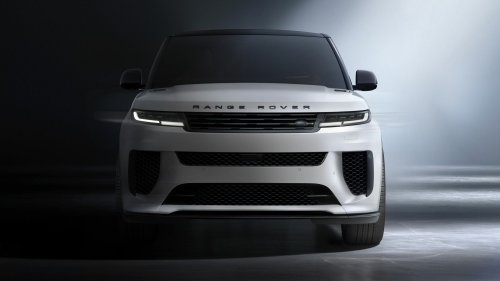
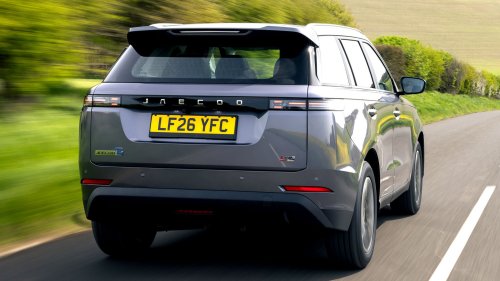
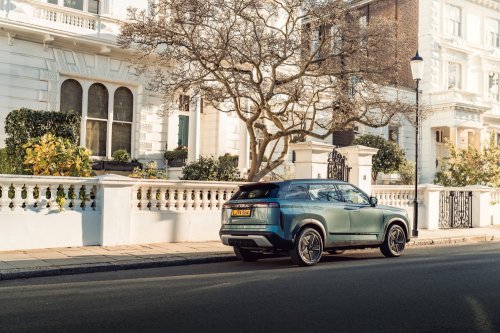
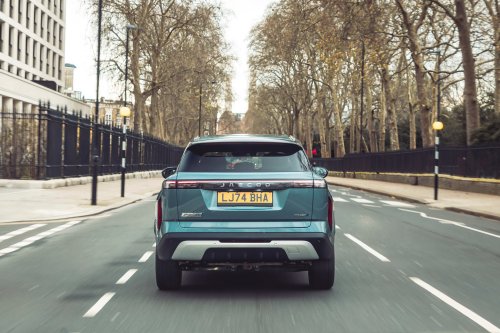
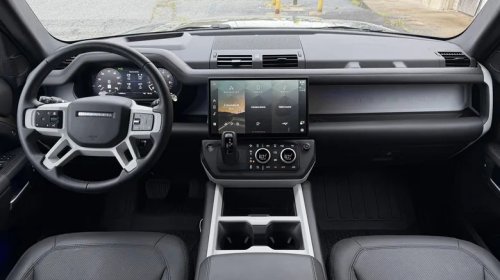
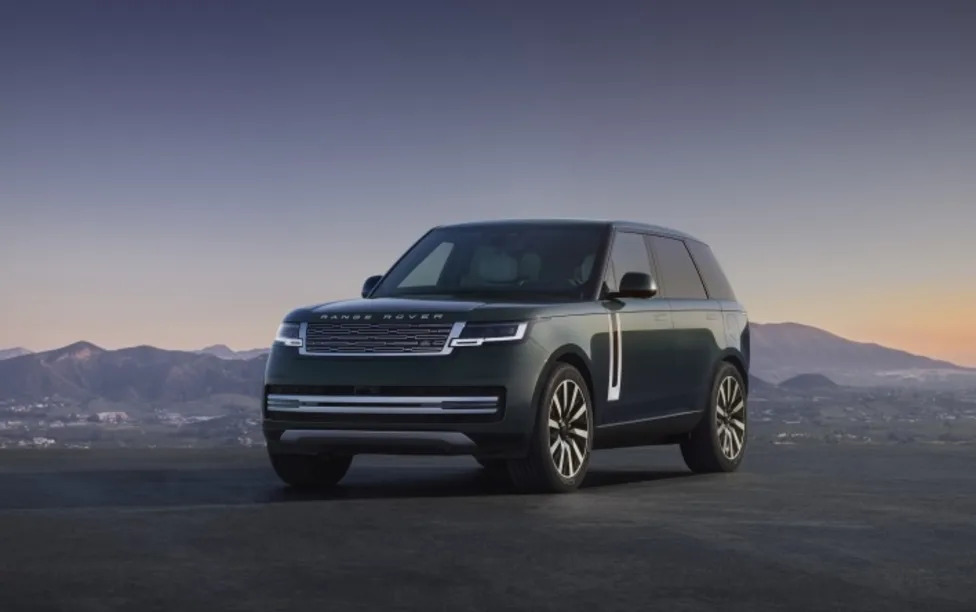
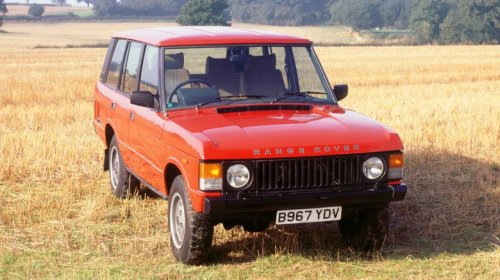
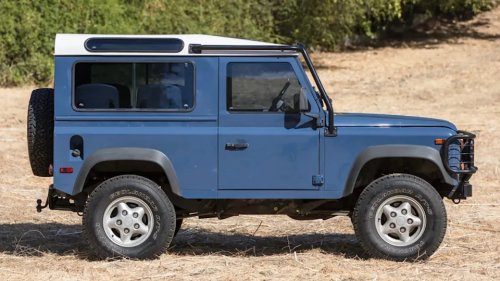
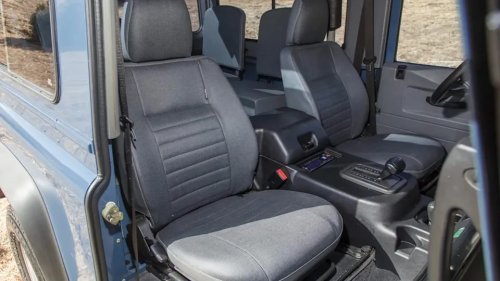
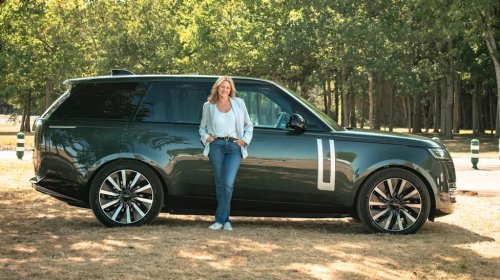
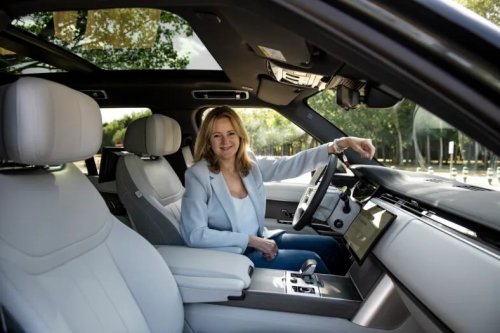
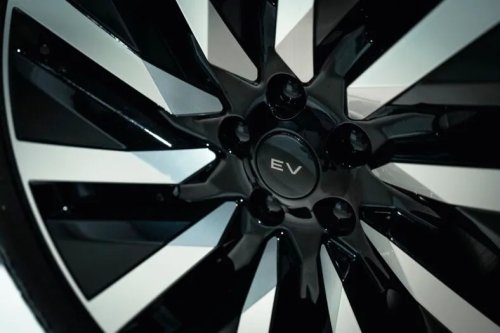
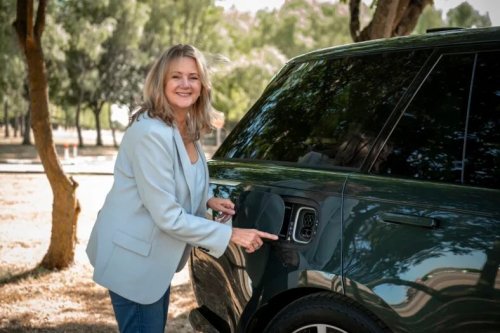
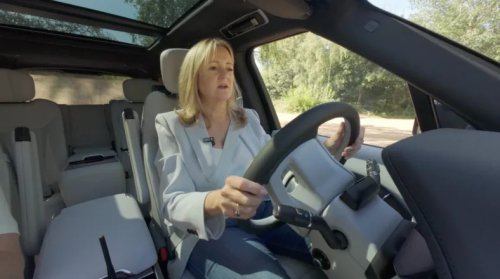
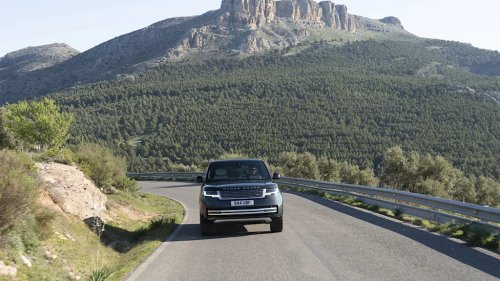
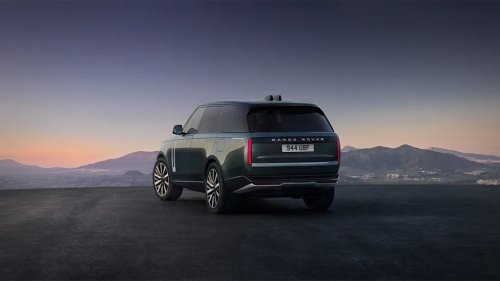
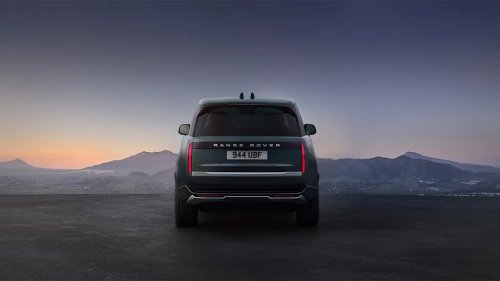
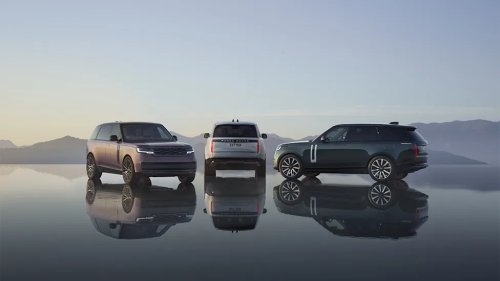
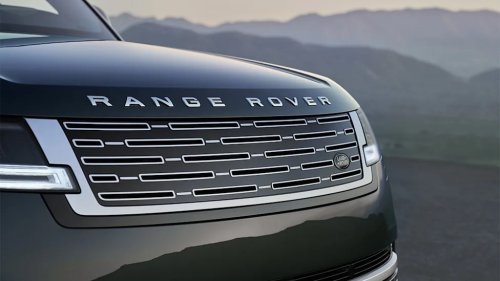
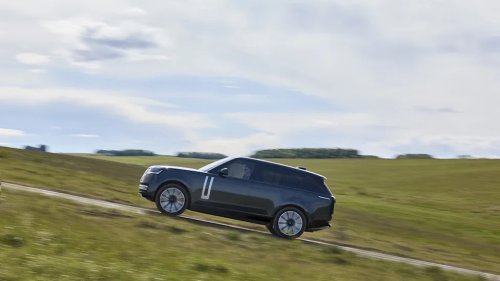
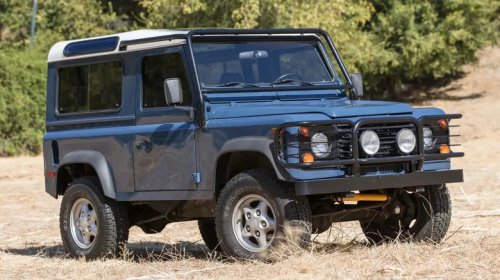
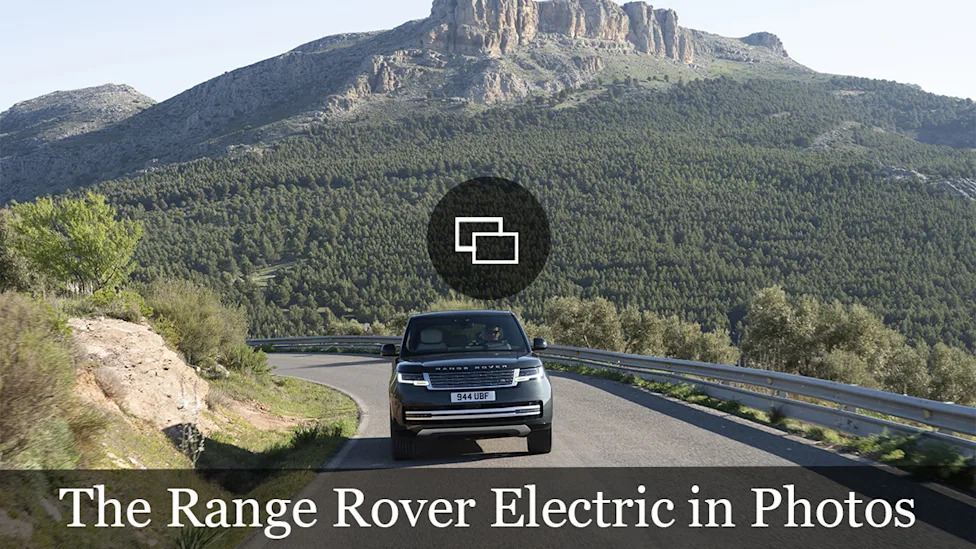
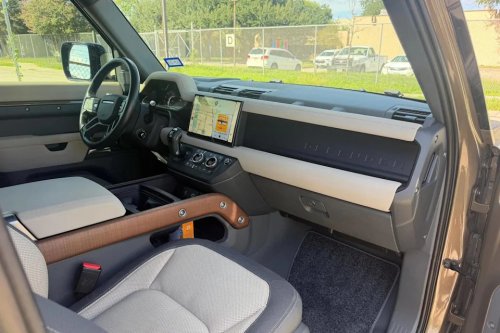
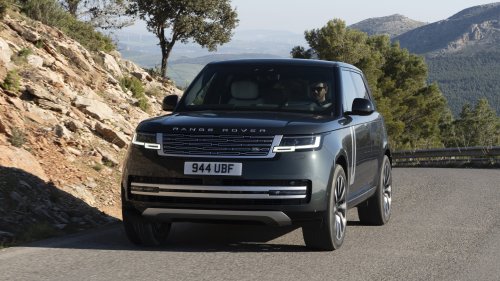
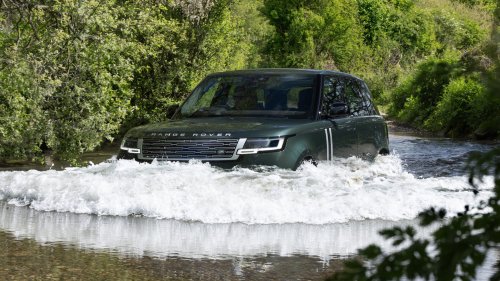
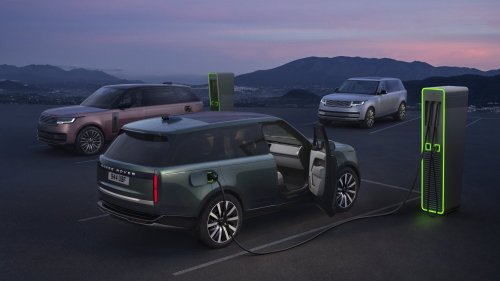
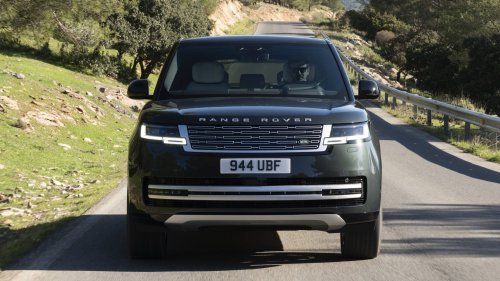
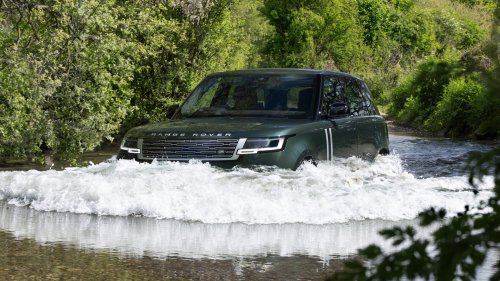
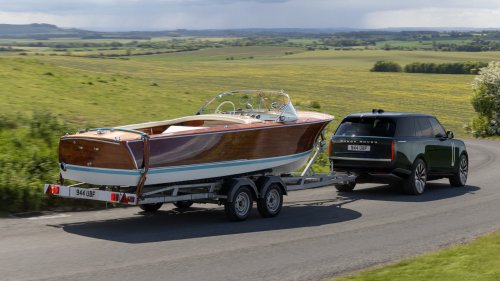
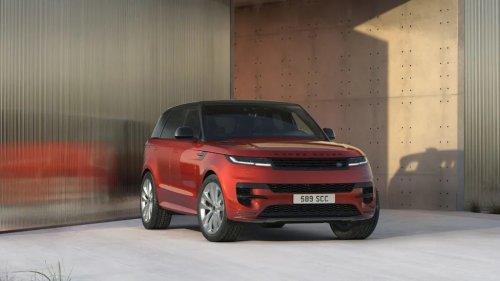
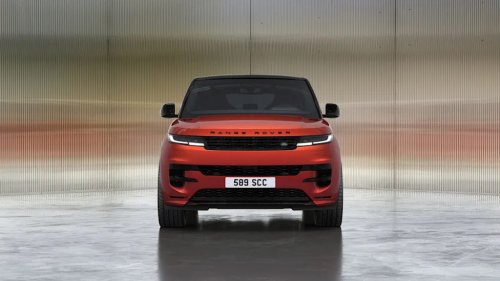
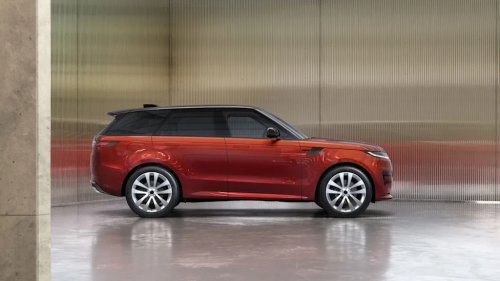
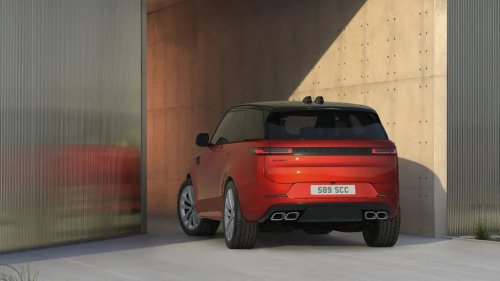
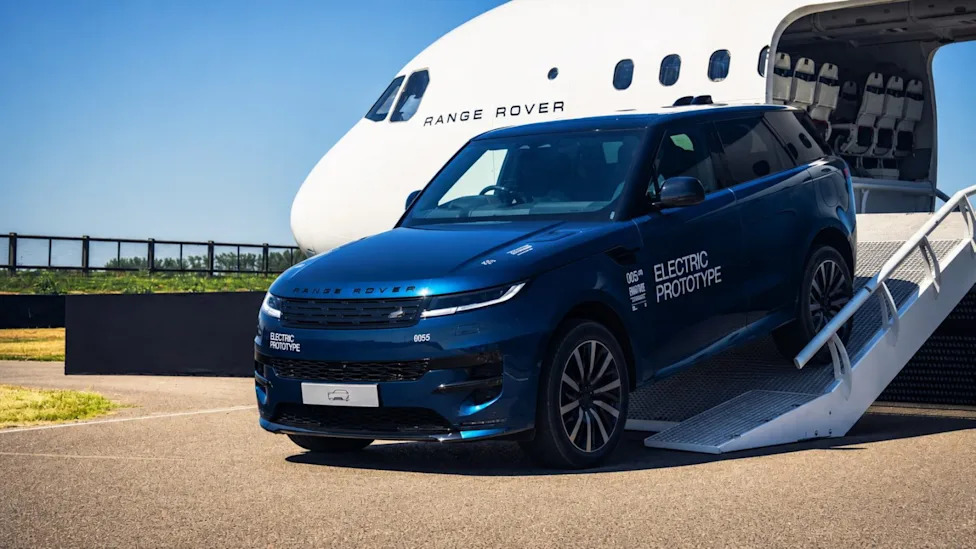
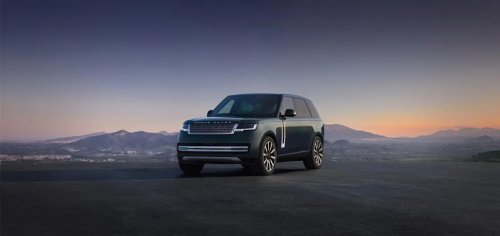
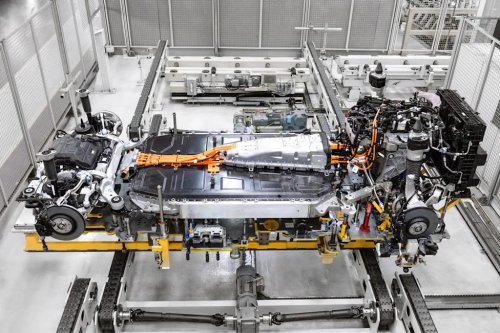
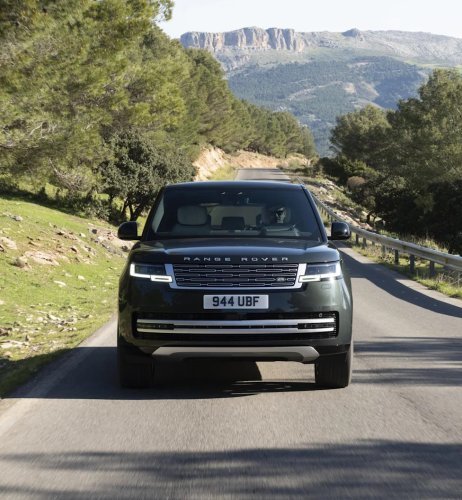
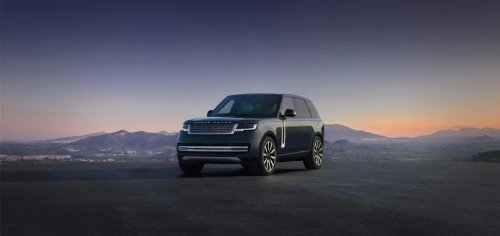
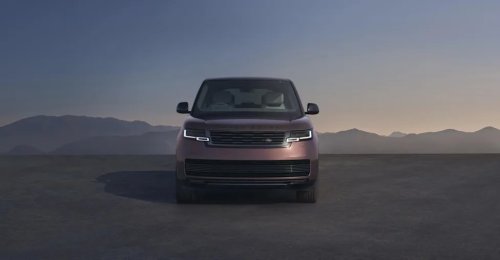
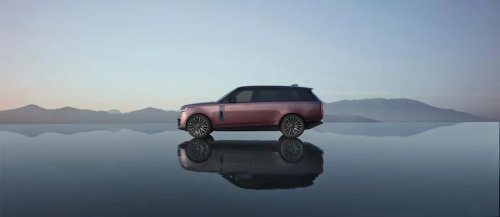
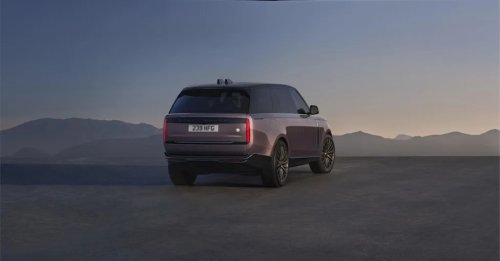
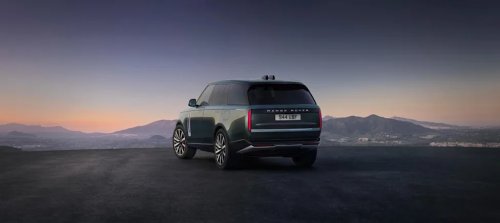
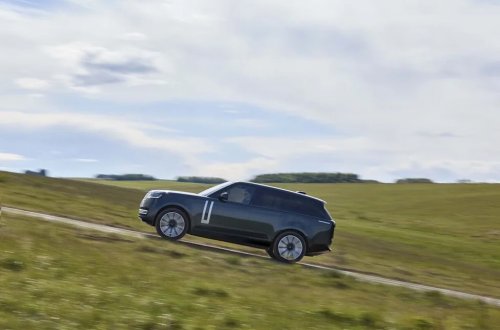
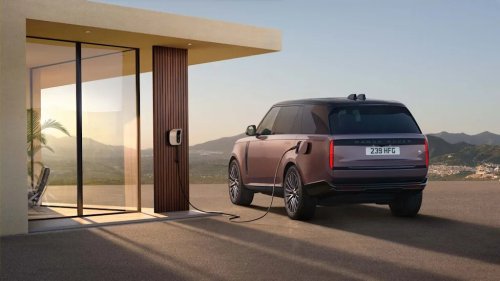
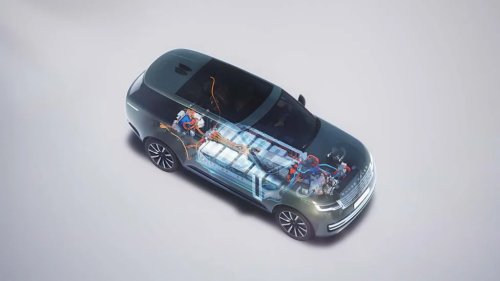
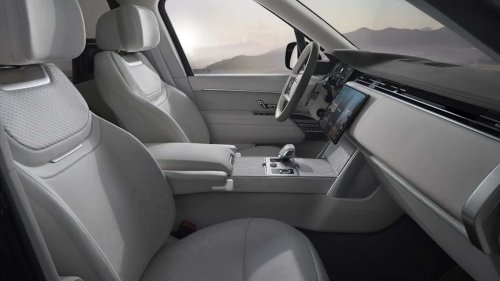
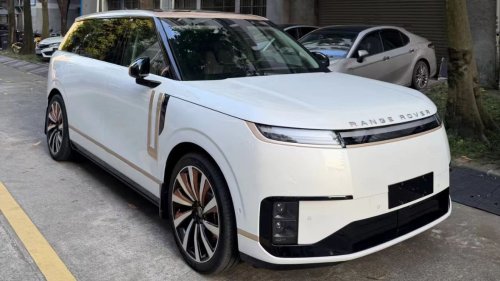
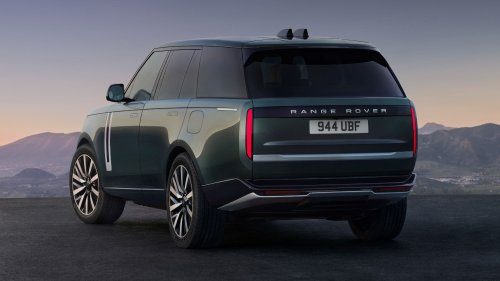
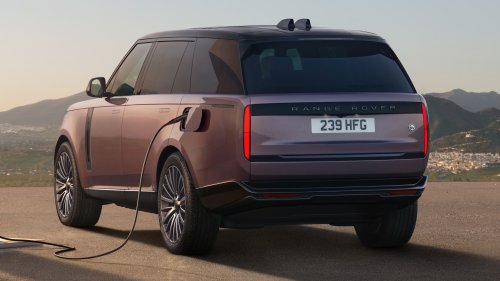
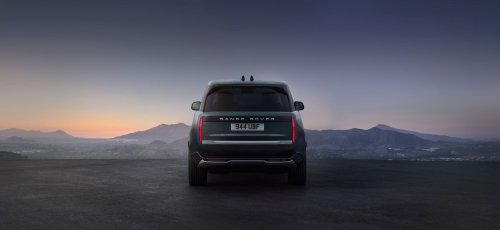
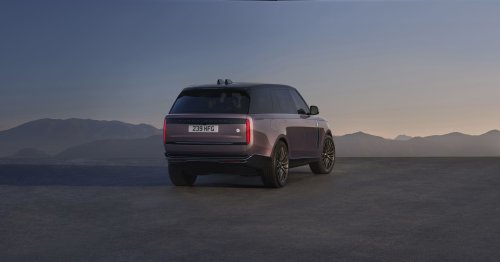
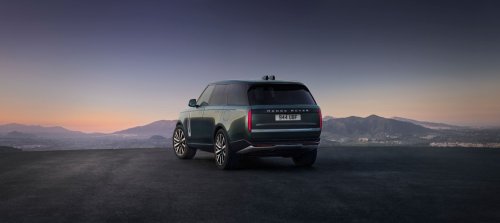
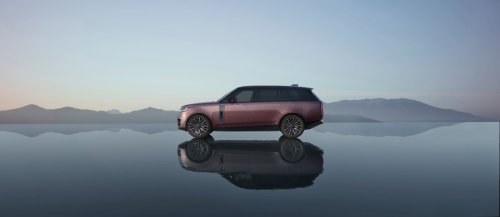
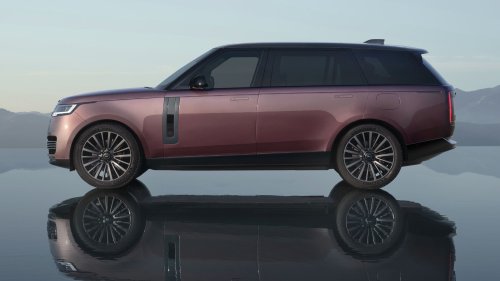
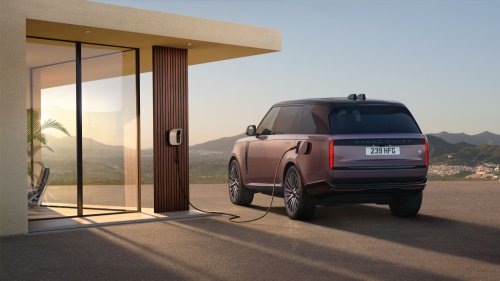
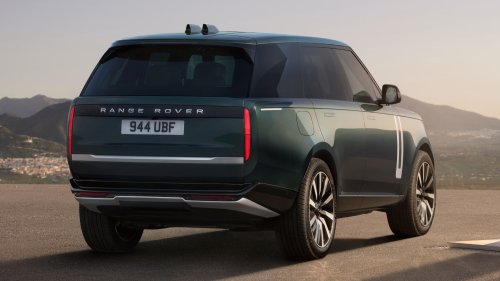
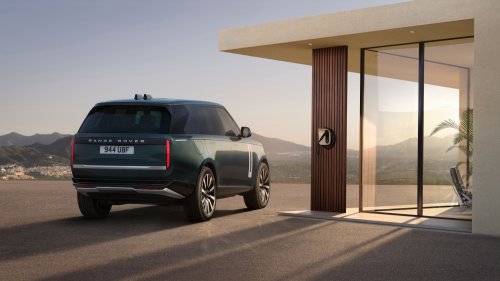
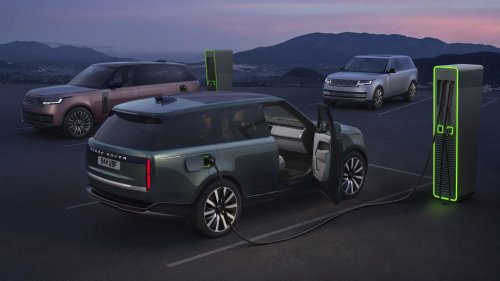
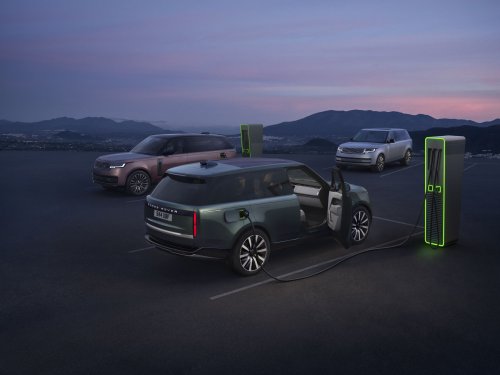
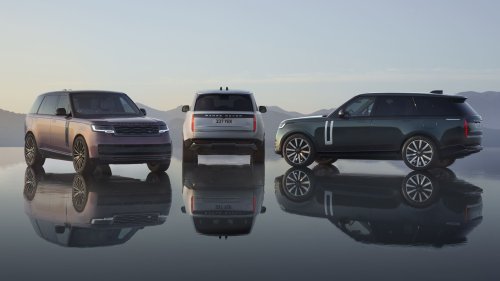
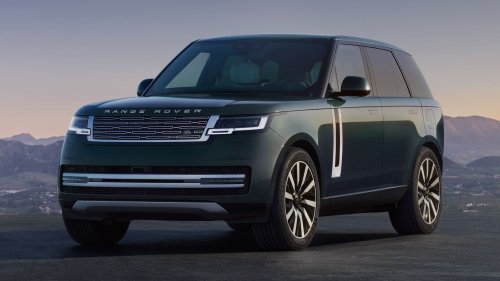
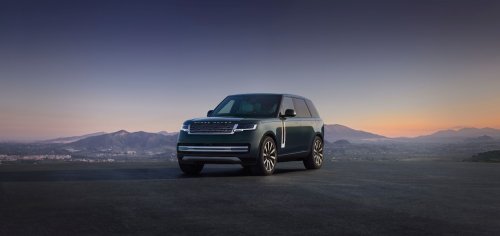
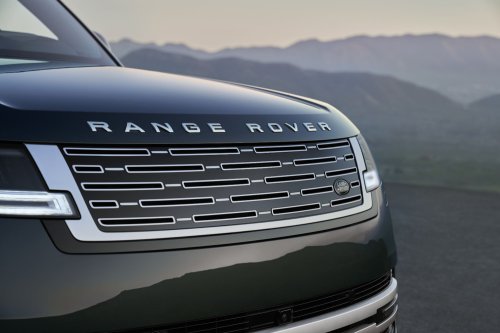
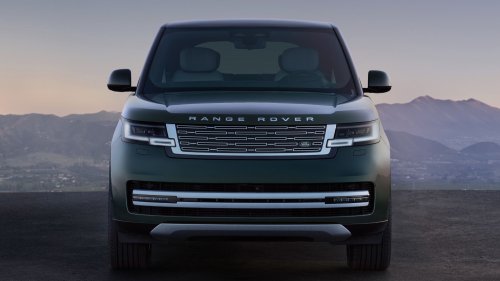
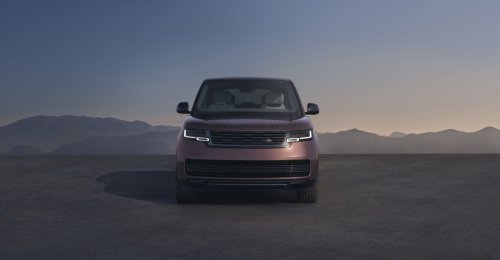
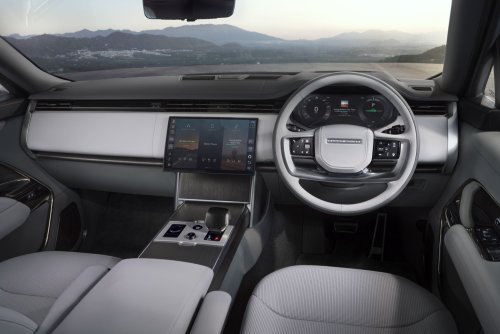
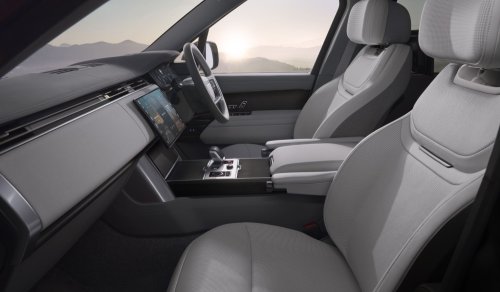
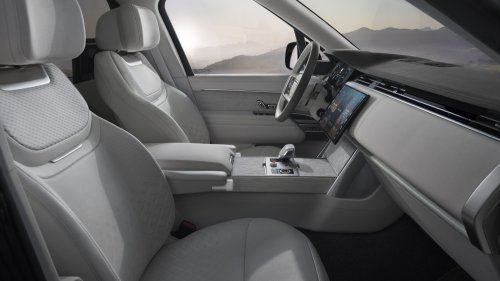
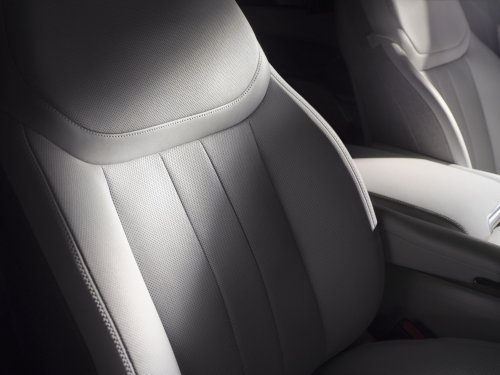
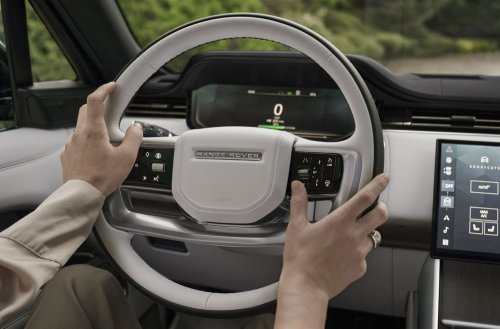
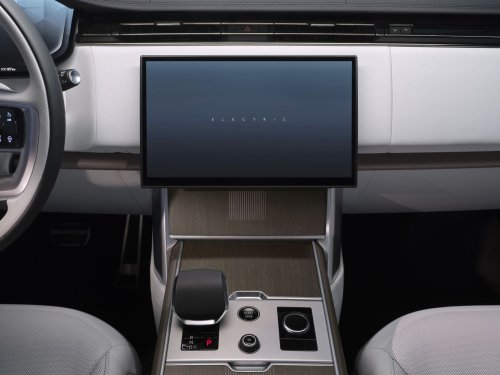
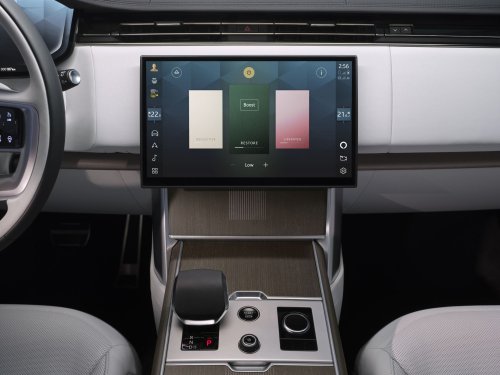
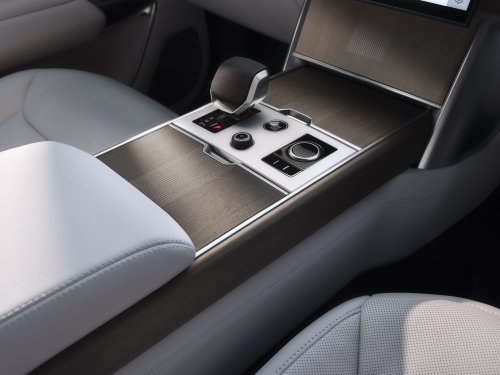
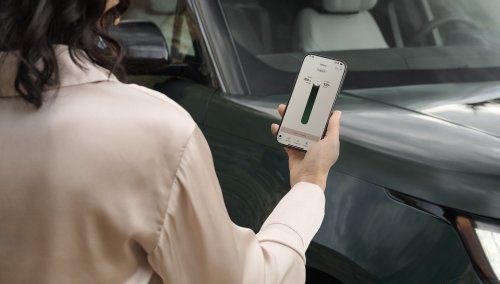
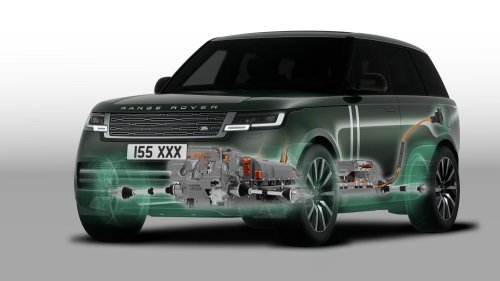
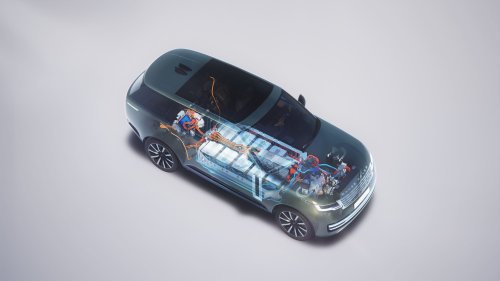
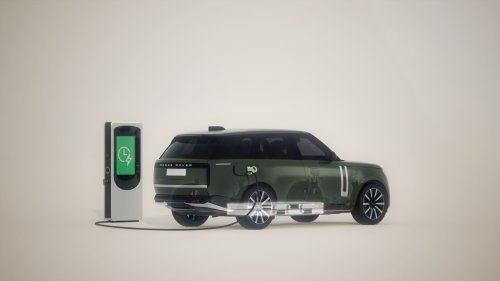
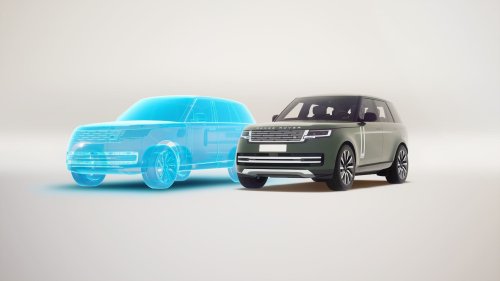
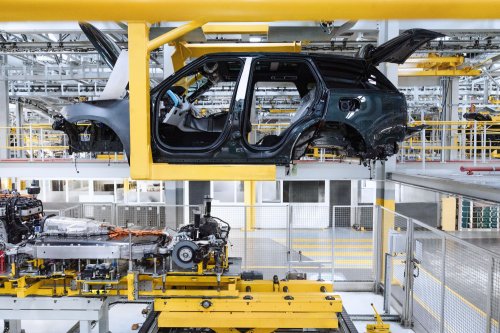
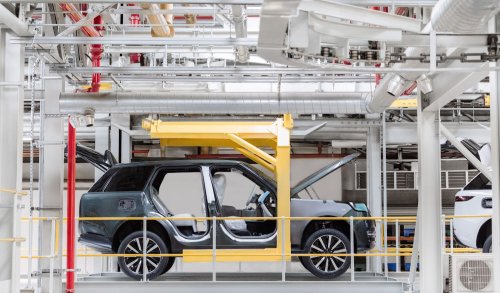
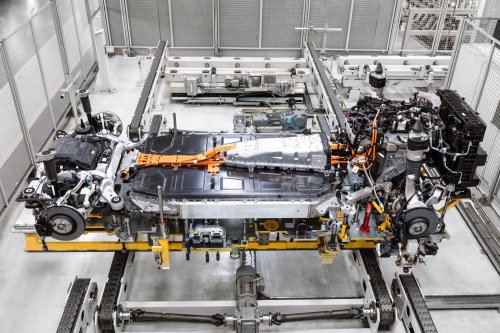
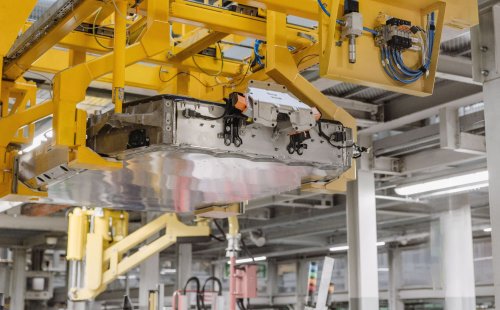
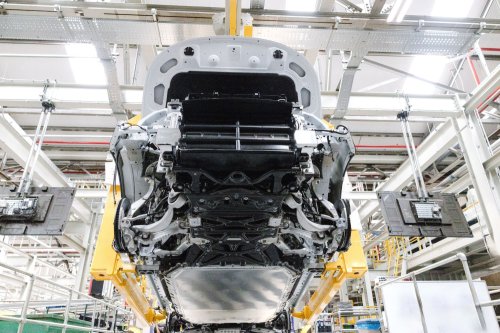
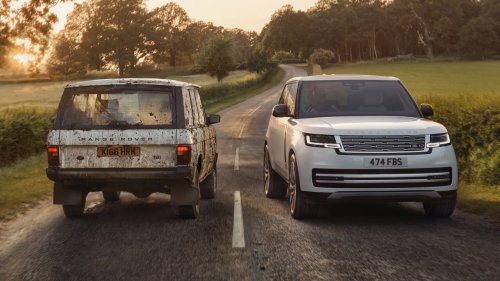
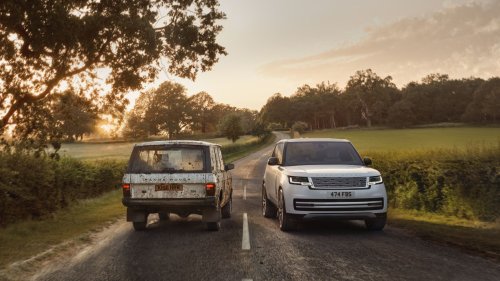
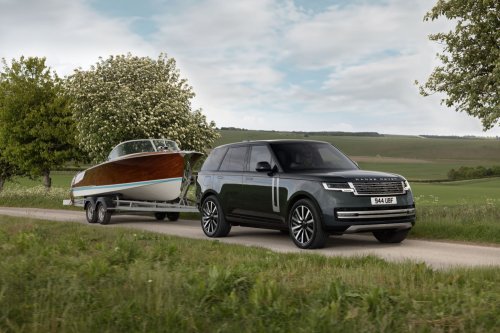
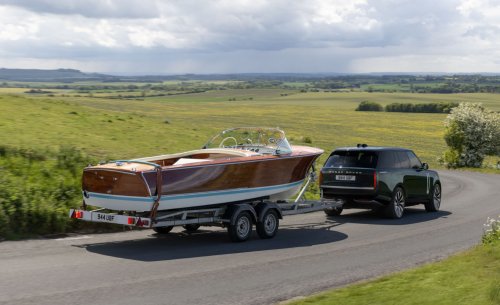
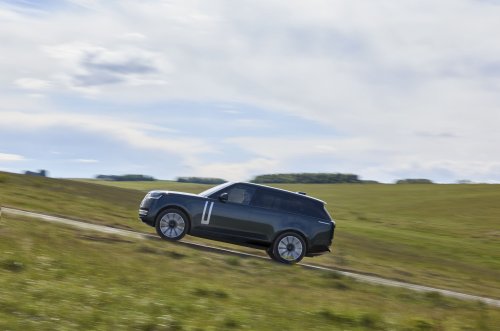
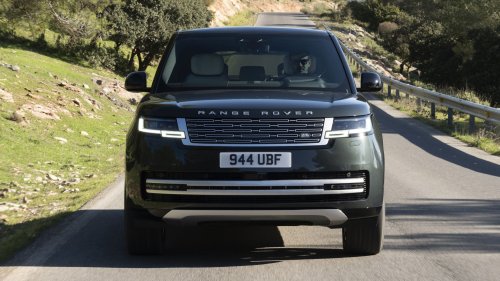
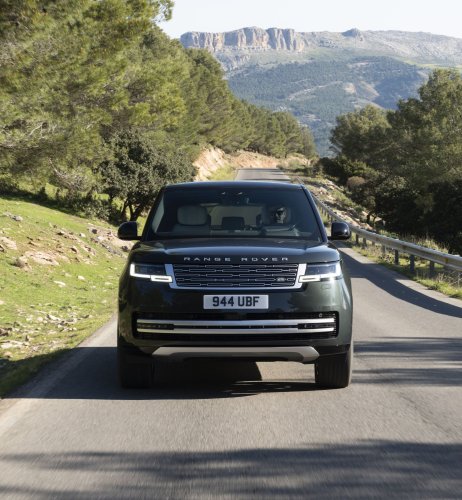
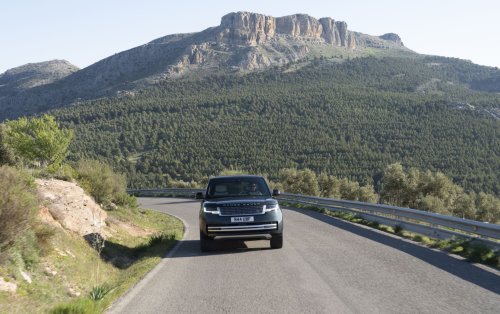
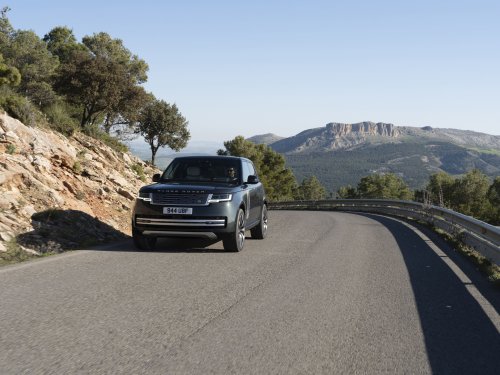
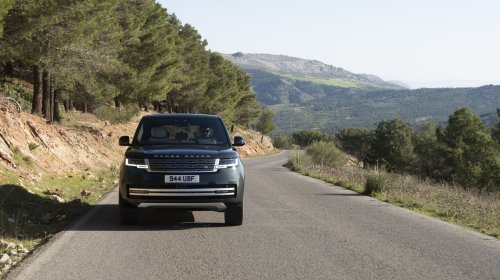
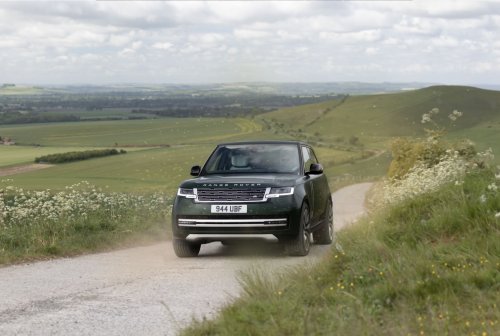
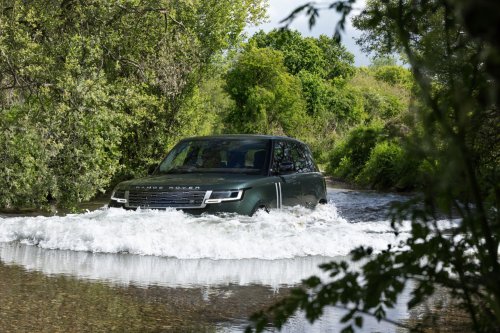
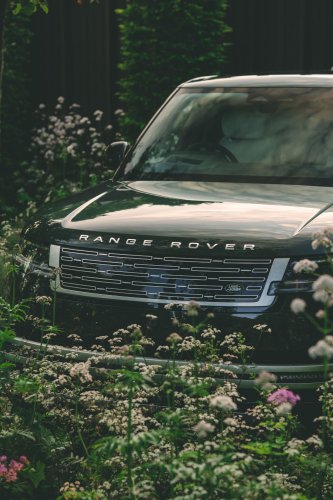
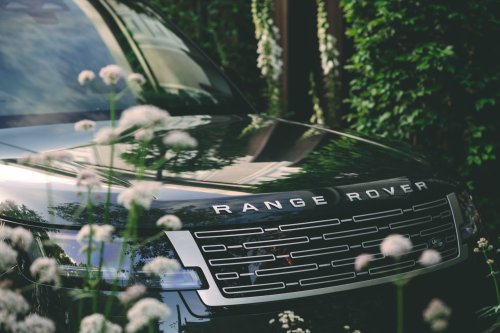
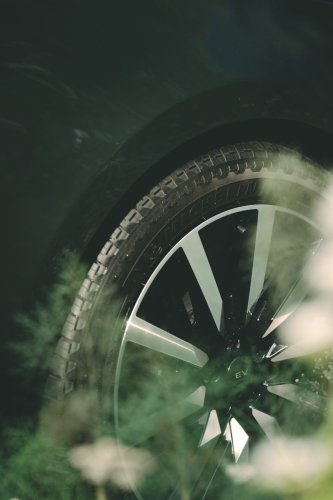
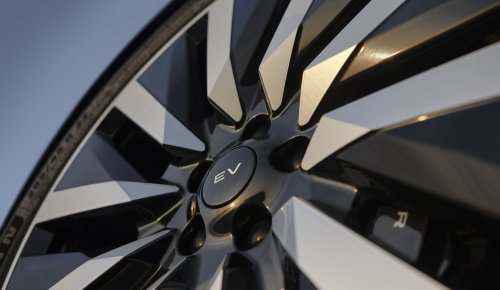
Flagship Range Rover gains its first zero-emission variant. It produces 542 hp and has 372 miles of WLTP range. UK pricing starts at £154,070, which translates to $208,200. Land Rover has finally pulled the covers off the Range Rover Electric, giving its flagship SUV a battery-powered option after years of teasing. The pitch is V8-matching output from a silent dual-motor all-wheel-drive setup, the usual isolation from the outside world, and, according to Gaydon, no loss of off-road ability. Look for visual drama and you won’t find any. The Electric is nearly indistinguishable from the fifth-generation combustion SUV that arrived in late 2021, with changes limited to a slipperier grille, new alloy wheels, and a reworked underbody. Together they trim the drag coefficient by 0.01 cd and add up to 10 miles (16 km) of highway range. More: Range Rover’s New GT Is The Sedan-Like Crossover Gaydon Knows Will Split Buyers The SUV will be offered in standard- and long-wheelbase configurations across SE, HSE, Autobiography, SV, SV Ultra, and SV Black trim levels, alongside a curated First Edition launch model. The interior is also carried over from the standard Range Rover, albeit with EV-specific graphics on the screens featuring AI-assisted range prediction and over-the-air updates for the battery. A lot of emphasis was given to acoustic refinement, with the electric model running 7 dBA quieter under full throttle compared to the V8-powered version. Electric Power Beneath the familiar aluminum body sits an electrified take on the Modular Longitudinal Architecture (MLA). Two electric motors, both engineered and built in-house, make 349 hp (260 kW / 354 PS) each, for a combined 542 hp (405 kW / 550 PS) and 627 lb-ft (850 Nm). That’s 12 hp (10 kW) and 74 lb-ft (100 Nm) up on the mild-hybrid twin-turbo 4.4-liter V8. More: Land Rover Delays Electric Defender Because The Gas One Won’t Stop Selling The instant power delivery from the electric motors makes the zero emission model quicker off the line, with a 0-60 mph (0-96 km/h) acceleration in 4.3 seconds compared to 4.5 seconds for the V8-powered equivalent. Energy is stored in a double-stacked lithium-ion battery with a capacity of 118.5 kWh. The battery pack is housed within a high-strength aluminum case under the cabin floor. The WLTP range is up to 372 miles (600 km), while Land Rover’s own EPA estimate lands at 333 miles (535 km). Respectable, but far from class-leading among luxury electric SUVs, given that the 570 hp BMW iX5 60 AWD is quoting an EPA figure of 435 miles (700 km). When connected to a 350 kW DC fast charger, the 800V battery charges from 10 to 80 percent in 22 minutes, and can add up to 137 miles (220 km) of range in 10 minutes. More: Range Rover Shoves New EV Sport Out Of An Airplane, But V8 Fans Can Relax Land Rover filed over 300 patent applications for the electric SUV. One of the highlights is the ThermAssist heat management system, which saves up to 40% on heating energy and adds up to 25 miles (40 km) of range in extreme weather conditions. Chassis Setup The Range Rover Electric adopts twin-valve active dampers sourced from the Range Rover Sport SV alongside dual-chamber air springs and rear-axle steering. Sensors automatically monitor water level, extending ride height and allowing an impressive wading depth rating of 35.4 inches (900 mm). More: You Can’t Buy Land Rover’s New Flagship Without This Matching 1993 Classic Thanks to a new Integrated Traction Management (ITM) system, the Range Rover Electric can tackle slippery terrain with ease. Furthermore, the Intelligent Driveline Dynamics (IDD) system allows it to handle inclines up to 33 degrees and steep climbs of up to 45 degrees, honoring the off-road credentials of its ancestors. The electric SUV tips the scales at 6,360 lbs (2,885 kg), making it 165 lbs (75 kg) heavier than the plug-in hybrid (PHEV) variant, although the center of gravity is lower than the V8 version. Maximum towing capacity stands at 5,512 lbs (2.5 tons), which is down from the 7,716 lbs (3.5 tons) rating of combustion models and the 6,614 lbs (3 tons) of the PHEV. What It’ll Cost You Here in the States, the Range Rover Electric opens at $138,000 before the $2,450 destination and delivery charge, which brings the real number to $140,550. That’s nearly $25,000 more than a base gas Range Rover, which runs $113,300, or $115,750 delivered. The P550e plug-in hybrid makes the electric look reasonable by comparison: $128,900, or $131,350 delivered, a difference of just $9,200. In the UK, it’s priced from £154,070 ($208,200) on-the-road. Production takes place at Land Rover’s Solihull facility in the UK alongside the mild-hybrid and plug-in hybrid variants. Land Rover




















 +17 others