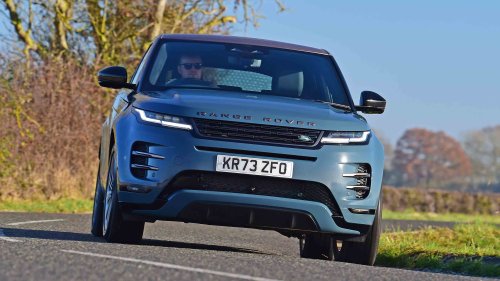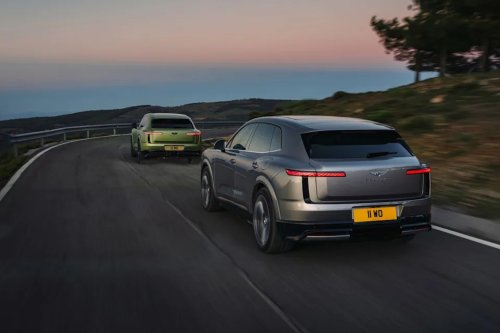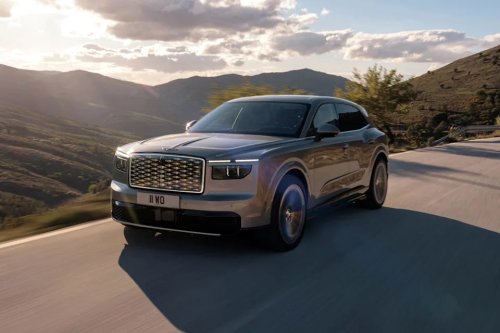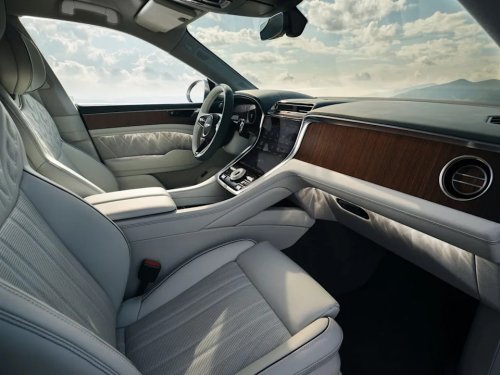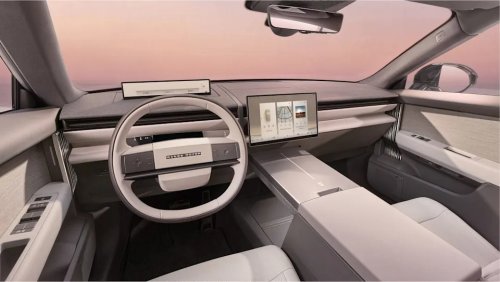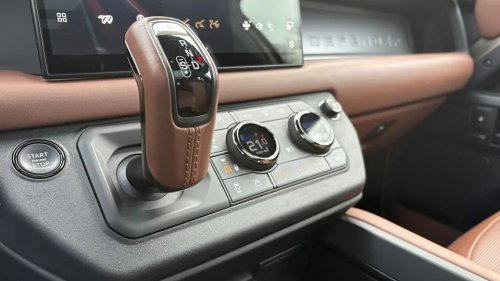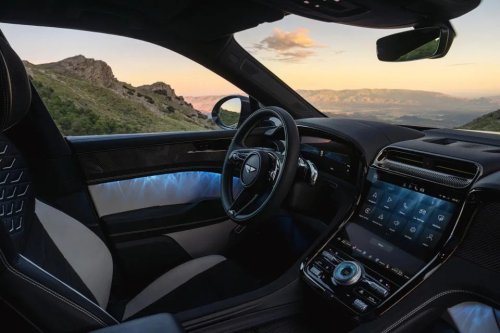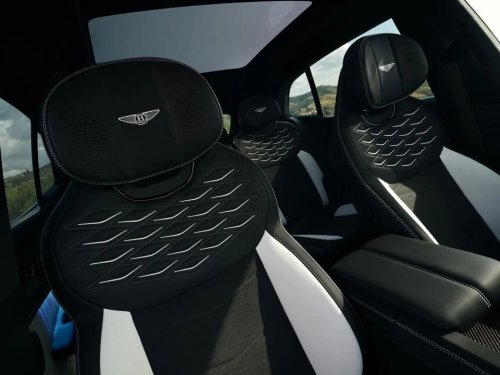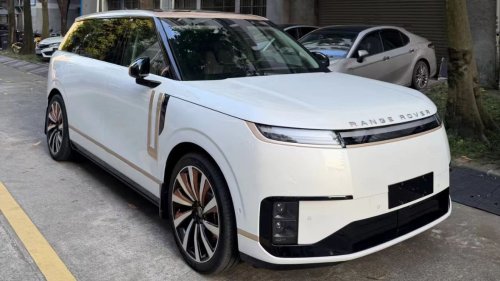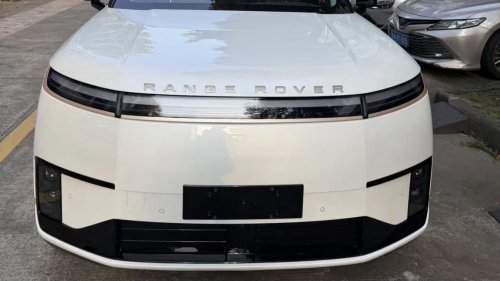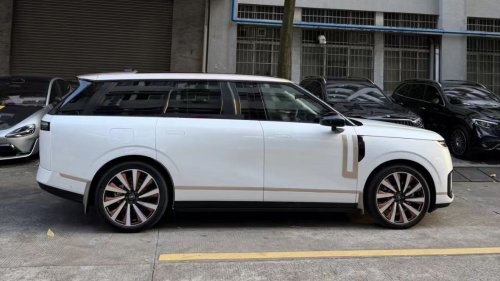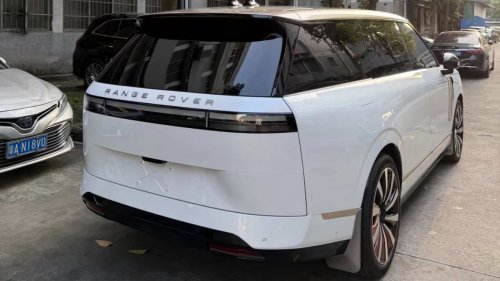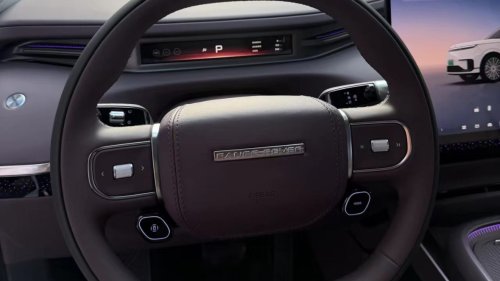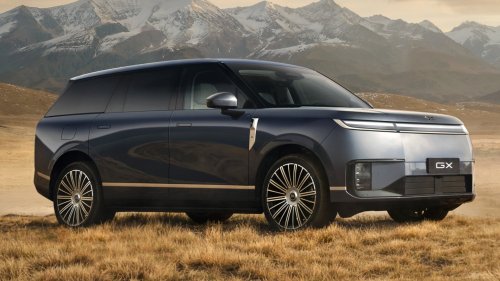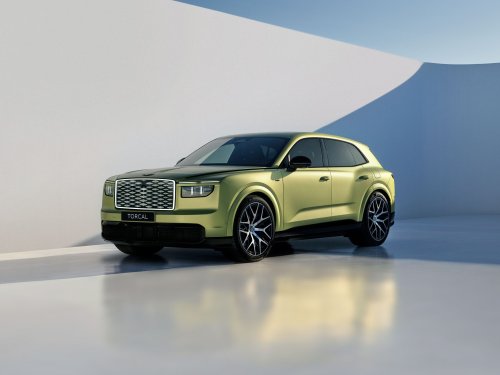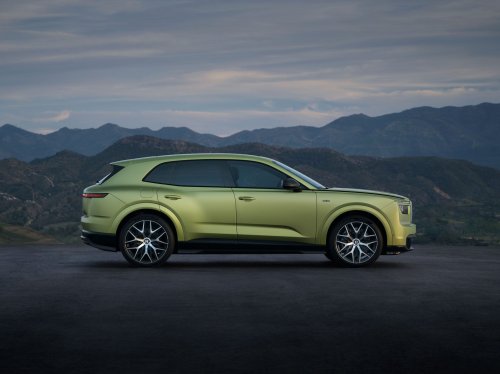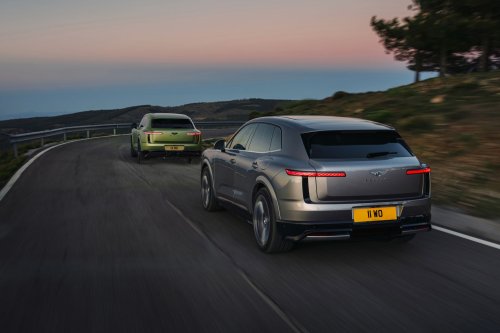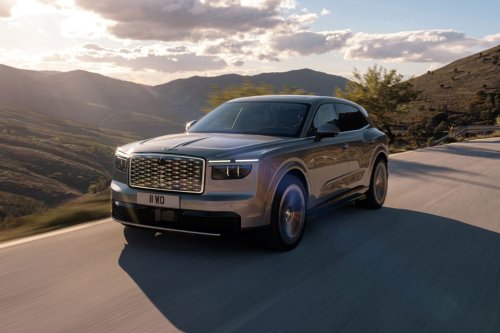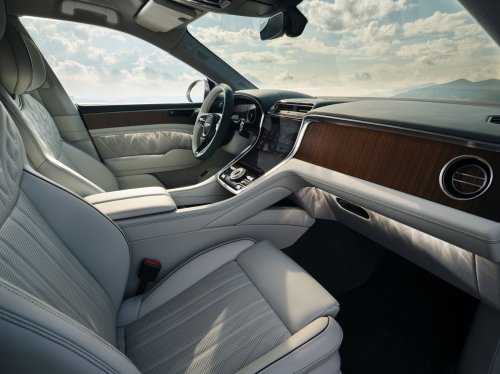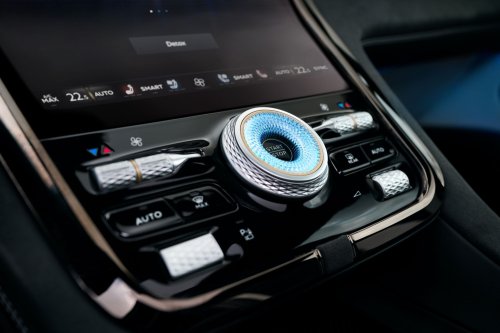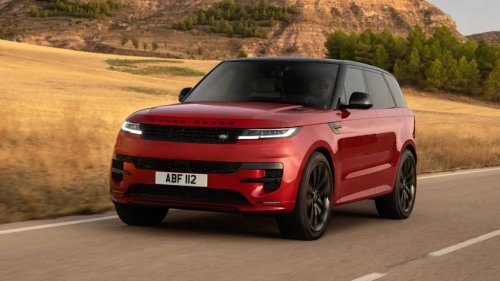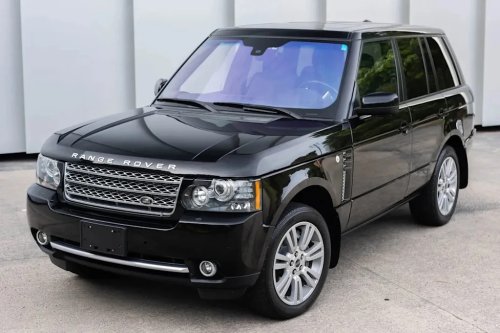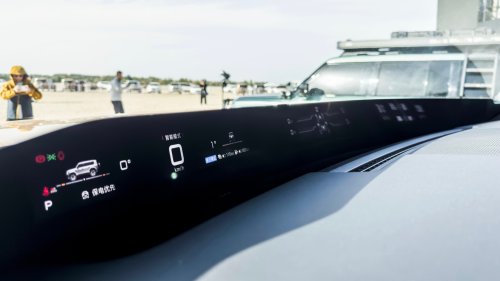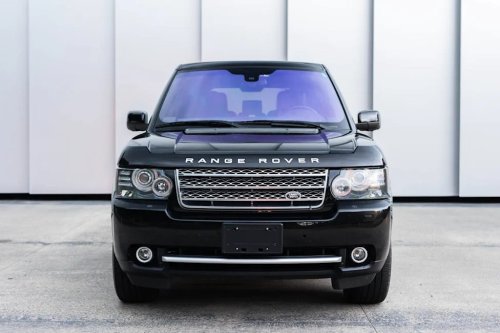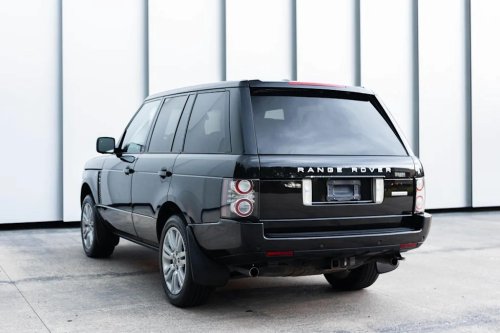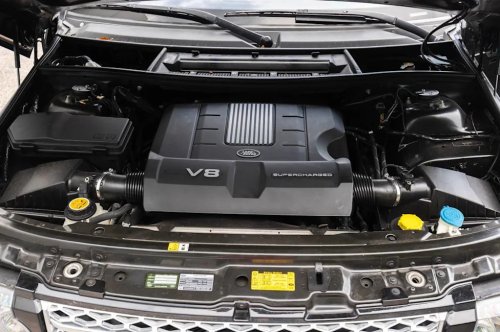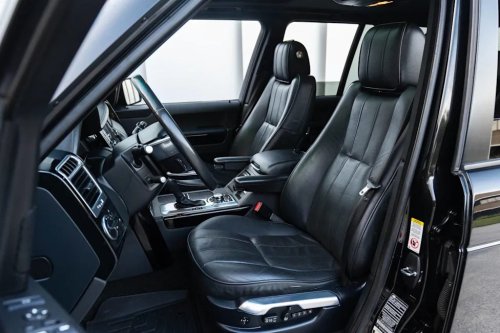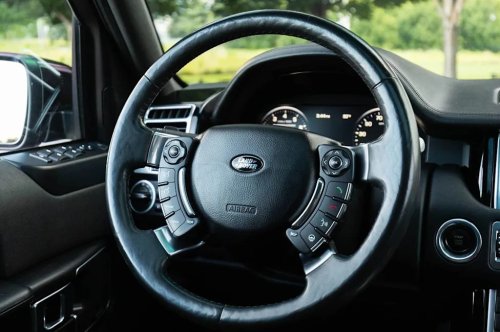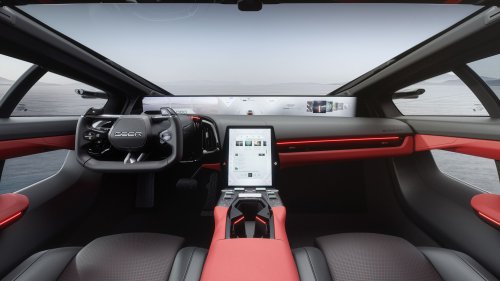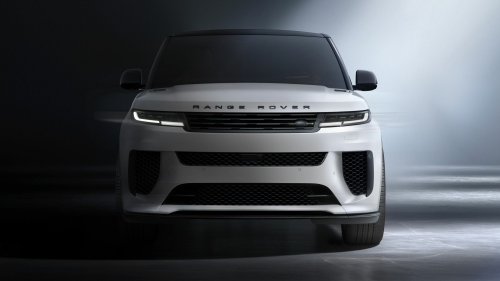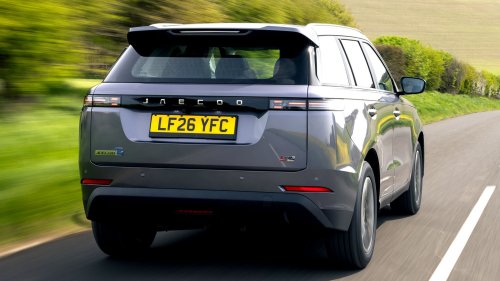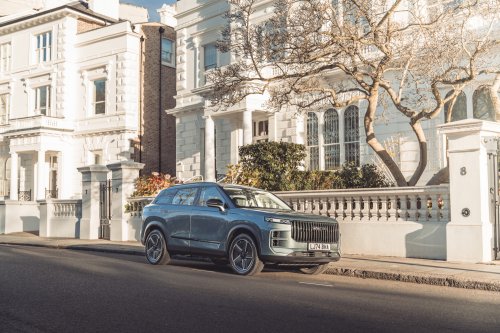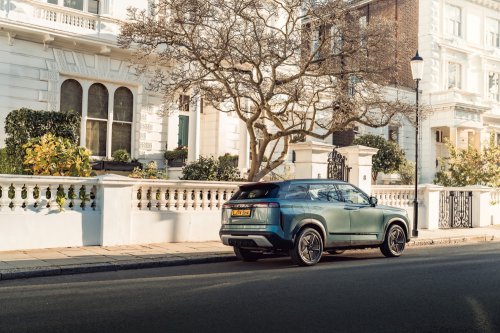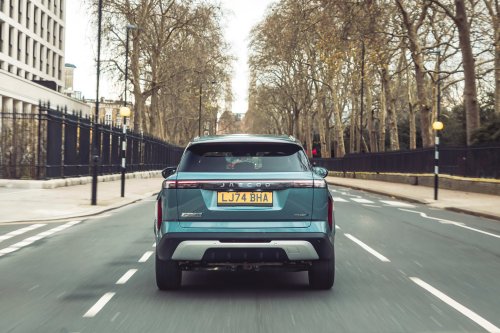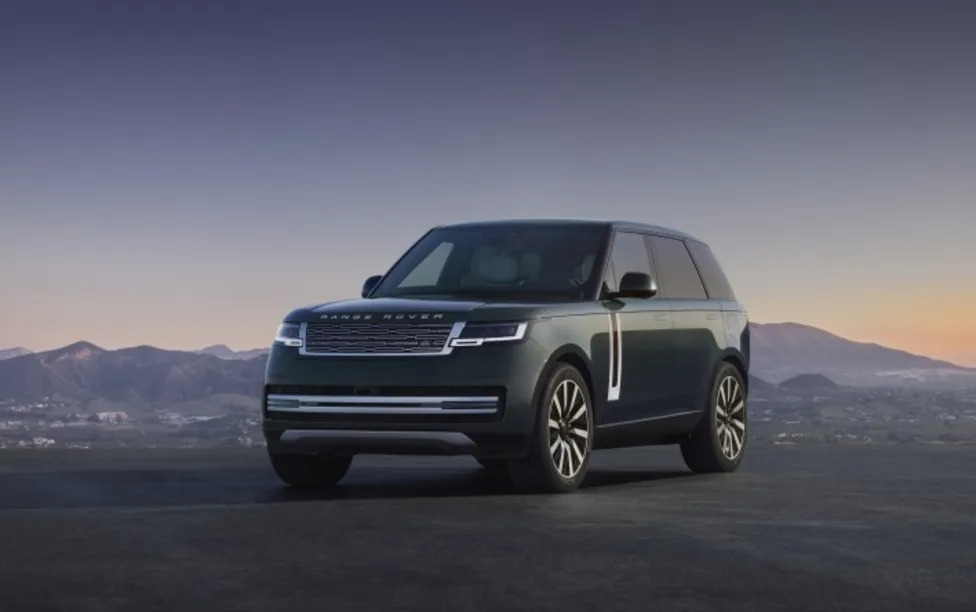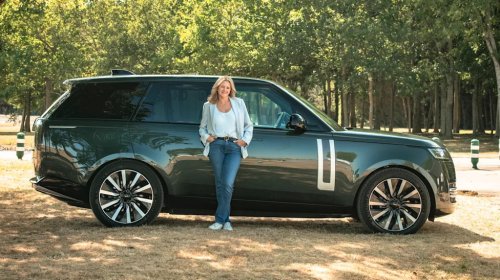
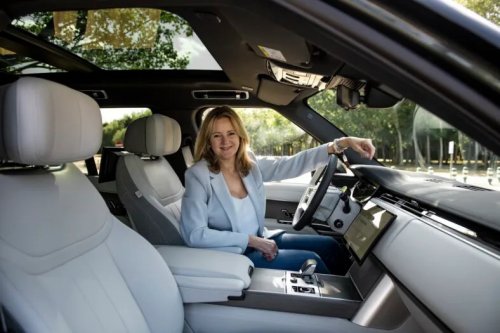
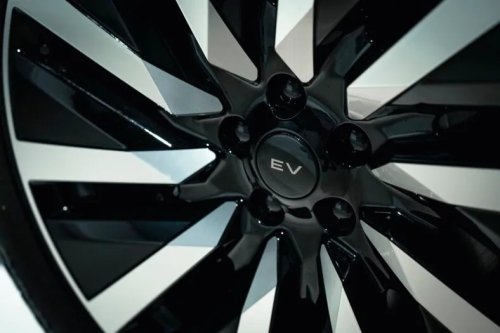
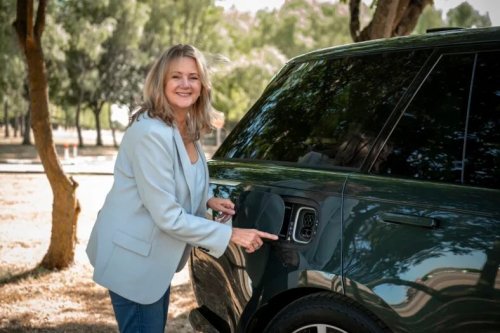
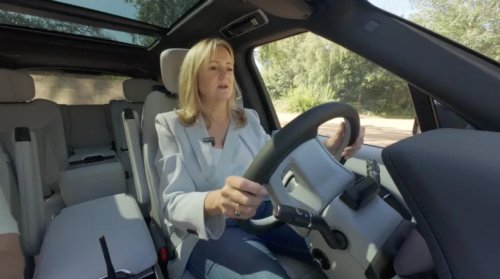

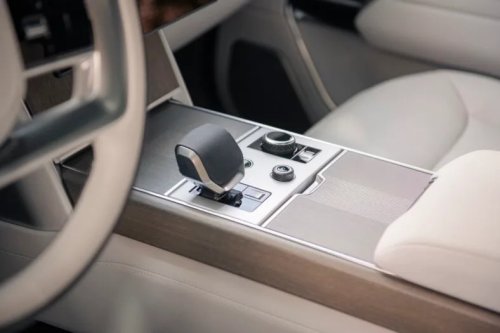



















Scotty ReissLuxury means never compromising—on power, features or capability.When I think of Range Rover, my mind always goes to a commercial the company produced a few years ago called The Spillway. In it, a stunt driver named Jessica Hawkins basically drives up a waterfall spillway in a Range Rover Sport. That's after driving through rushing water, through a large drain pipe and over a rocky expanse surrounding the spillway. It's all pretty harrowing, but also, this is just what Range Rover does. Relaxing in the brand's quiet, modern, minimalist cabins you might forget just how capable this SUV is. Until you need it, that is. AdvertisementAdvertisementAnd that's the idea behind the newest SUV from the British legend: the Range Rover Electric, priced from $138,000, is designed to do what it does and deliver what is expected, agnostic of its power source. Not long ago I got to spend the day learning about the newest model from Range Rover and was pretty impressed by the innovative ideas, the sources of inspiration and the extent to which the company goes to push the definition of luxury. And then, I got to drive it.This story is 100% human-researched and written based on actual first-person knowledge, extensive experience and expertise on the subject of cars and trucks. Additionally, I was a guest of Range Rover for this test drive but all opinions are my own.Meet the Range Rover Electric—and Its Innovations (If You Care to Notice)The elegant front cabin of the Range Rover Electric belies its rugged soulTo plan for the future of driving, Range Rover began a few years ago (well, a decade ago, considering how long sister brand Jaguar I-Pace has been on the road) with the inevitability that electric driving will dominate our collective futures. AdvertisementAdvertisementBut unlike the Jaguar I-Pace, which was designed from scratch and intended to be electric, the Range Rover Electric was designed to be simply … a Range Rover. Under its skin, there are differences between the gas-powered and plug-in hybrid electric models. But as a purely electric luxury SUV, the Range Rover Electric stands out for its characteristics: It's powered by a 118 kWh battery The dual motor structure enables all-wheel driveIts 800V architecture allows recharging the battery to 80% in 22 minutes at a DC fast chargerIt has a range of 333 miles on a single chargeThe EV is available in regular or long wheel base options In North America it'll be equipped with a Tesla-style NACS port for easy charging at public charge stations (though an adapter may be necessary)The EV was benchmarked against the Range Rover V8, so it delivers 542 HP, vs the V8's 523; both are priced from $138,000 Read: Range Rover SE LWB Review: This Intuitive 3 Row SUV Might Be the Best Ultra Luxe SUV— EverClever Differences Denote the Range Rover Electric The EV badge on the wheels of the Range Rover ElectricLooking at the Range Rover Electric, you might not be able to decipher the difference between it and its gas-powered siblings. But look closer; the flat grille is a telltale sign, as are the "EV" badges on the wheel caps. And of course, there are no tailpipes because there are no emissions. And then, inside the Range Rover Electric, there are some clever differences: to use one-pedal driving, pull the gear shifter to "S" mode, which stands for "single pedal" driving; you can maximize your regenerative braking on the touch screen. AdvertisementAdvertisementWhat you won't notice is a lack of cargo or passenger space inside. The battery pack was specially created to fit under the frame of the Range Rover so there were no cabin adjustments or loss of space to accommodate it. Even the transmission tunnel was used to house battery components. Read: The New Genesis GV90 is the Brand's Most Ambitious Flagship Yet as an All-Electric, Ultra-Luxe Full-Size Luxury SUVRange Rover's "House Made" EV System Was Put to the Test The sliding door of the power port on the Range Rover Electric; North American models will have a NACS portBattery electric technology has evolved quite a bit over the years and all car makers have benefited. Much of it is thanks to many of the innovations that Jaguar forged with the I-Pace, which many of us know as the car that Waymo uses. With a front seat to that learning journey, as well as evolution in the technology, Range Rover was able to customize and innovate its own battery technology in the electric model. The company retooled much of its manufacturing capability in the UK to accommodate not just assembling the Range Rover Electric, but building the batteries, too.In the Range Rover Electric, batteries are designed to be protected and sealed, and each has a digital twin so that anomalies and issues can be detected; if a problem crops up as it charges in your driveway, the engineers in Wolverhampton, UK, will see it too—using the digital twin. The battery pack itself is a bit unusual; it's comprised of a double-stacked battery pack—think a few pallets of soda cans stacked on top of another few pallets—with each cell separated by a gel pad to prevent overheating. AdvertisementAdvertisementAnd then, all of it is sealed—the batteries as well as the electronics—so that the Range Rover is capable of water fording; it can drive through up to 35" of water and not damage the electrical system.To ensure integrity, Range Rover tested the Electric model for four years, over 1 million miles of driving that took 250,000 hours to complete. Phew.Read: I Drove the Rivian Gen 2 R1 Quad and Now I'm A Rivian PersonTaking the Range Rover Electric Out on the Test TrackMe behind the wheel of the Range Rover ElectricBut the real test came behind the wheel, which I was able to do later during our Range Rover experience. We were taken from the company's headquarters to the nearby proving grounds where the company tests its vehicles. A proving ground for off-roading isn't necessarily designed to be the most rigorous, but it is intended to prove that the vehicle is capable of traversing standard obstacles and ensure the ride quality, comfort, noise and other considerations are as good as possible. We headed out on a paved road before turning onto a dirt trail. Here, the Range Rover Electric was quiet and comfortable. I pulled the gear selector to "S," which is usually for Sport mode, but here it stands for Single Pedal driving; then, I set it to maximum brake regeneration mode so I'd use the car's power to modulate my speed, a benefit of EV driving.AdvertisementAdvertisementOnce on the trail, I was able to drive at a rather quick speed. The SUV's seats cradled me as I'd expect and the suspension absorbed much of the bounce; it was pretty comfortable. And the rear-wheel steering helped me to angle with precision through a narrow stand of trees (I've learned that Land Rover likes to set these up on their courses).What I didn't expect was the quiet capability of the Range Rover. I never felt the car's wheels spin, nor did I feel the transmission searching for the right gear (because, no transmission) or hear it struggle. A dual motor, AWD EV is much more at home off-road than you'd think. It has a natural penchant to just keep going along, no matter what's ahead and the Range Rover did this with ease.Read: 2025 Volvo EX90 First Drive: The All Electric 3-Row SUV You've Been Waiting ForAnd, Then, Climbing a Hill of RocksThe rock hill we drove up in the Range Rover ElectricThen, we came to the obstacles: My guide Ruairidh (pronounced Rue-ry) took me across a route of tight, steep trails, through wheel articulation, up a few hills and down a steep downhill climb. And then, we came around a corner to find a steep hill of rocks. The Range Rover Electric's powertrain and rear-wheel steering made it all look rather easy. The trail's landscape would make a rigorous day of hiking were you to do it on foot; in the Range Rover, it took a bit of slowing and attention here and there but even on some of the more challenging parts, it was more than capable. And that's what you expect in an SUV like this. Pegged to the V8 in both Performance and Price The simple, modern center console in the Range Rover ElectricIn developing the Range Rover Electric, the company realized that the dual-motor, AWD system would produce a lot of power, so it was pegged to the V8 version, which delivers a slightly lower power output at 523 HP vs the 542 HP of the EV. AdvertisementAdvertisementWith improved body stiffness, noise cancellation to enhance the quietness of the cabin and most of the same trim options—First Edition, Autobiography and the super-luxe SV edition— buyers can truly pick the power they prefer. And, buyers can indulge in the enhanced Meridian sound system with Body & Soul seats; these use transducers to allow you to feel the sound through seats and on the floor. Land Rover says this allows you to get the same premium sound experience but at a lower volume, perhaps saving your ears and those of your passengers. Buyers will also get a phone app to find and pay for charging, and the company will assist with buyers setting up a home charging station. The Range Rover Electric starts at $138,000; the Autobiography is priced from $174,800; the First Edition is $176,700; the SV starts at $219,000 and SV Ultra starts at $252,800—gas, hybrid or electric.And that's the luxury of Range Rover: Get what you want in an SUV that does what you need, agnostic of the power source.AdvertisementAdvertisementRelated HeadlinesThe 2026 Toyota C-HR XSE All-Electric SUV is a Delightful Spin on a Quirky ClassicThe 2026 Jeep Grand Cherokee L Summit Was My Family's Favorite Review—After a Week, It Became Mine, TooWhich is the Better Hybrid: Toyota RAV4 or Mazda CX-50? Both Offer Luxury, High MPG and AWD. Here's How They're DifferentRead more at A Girls Guide to Cars