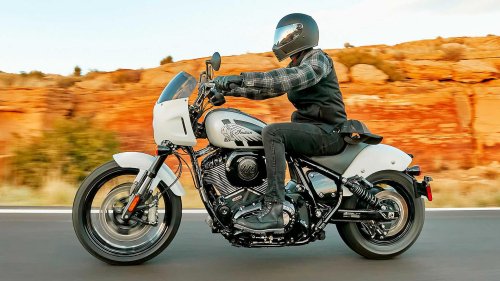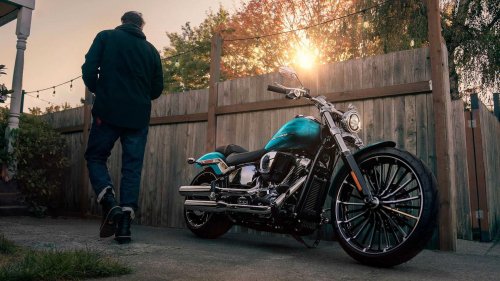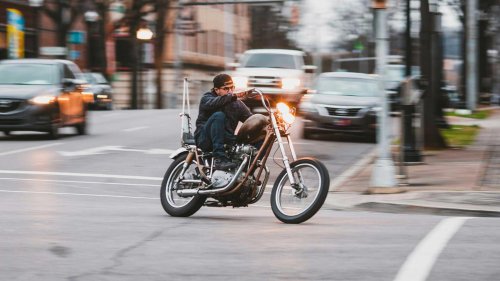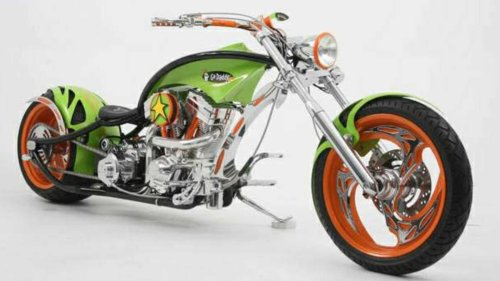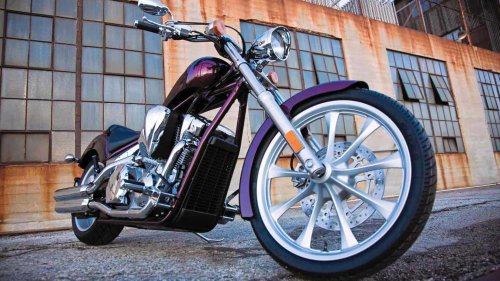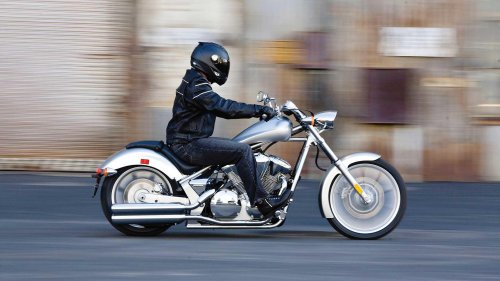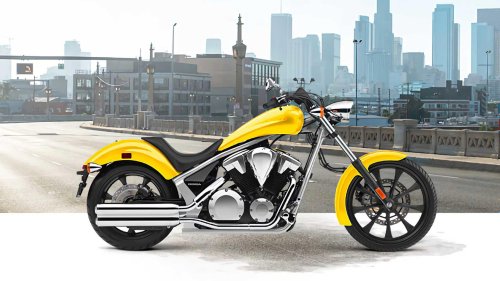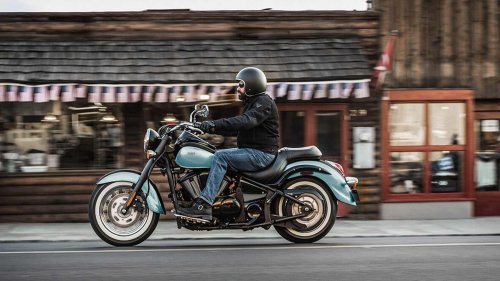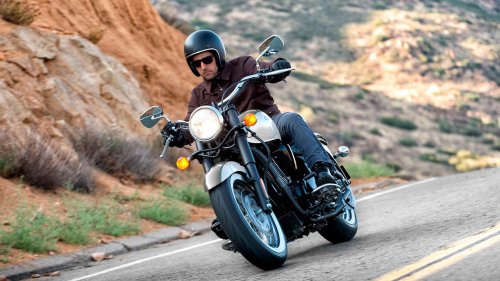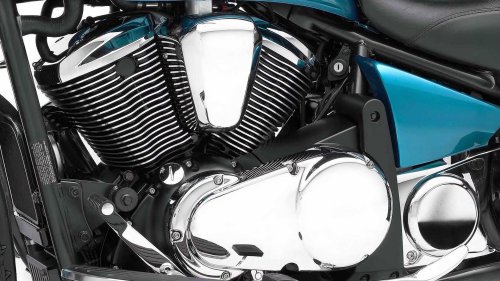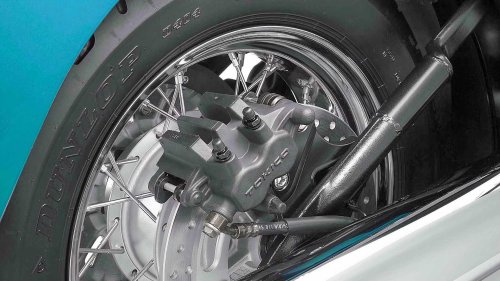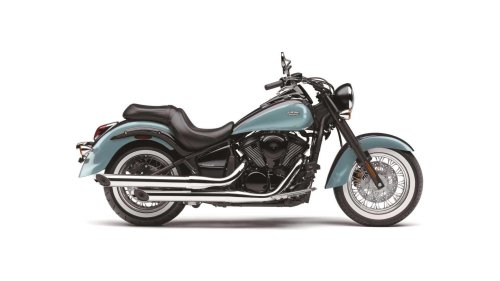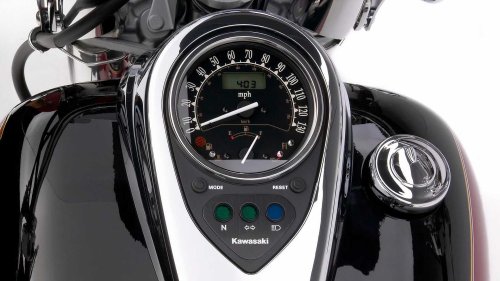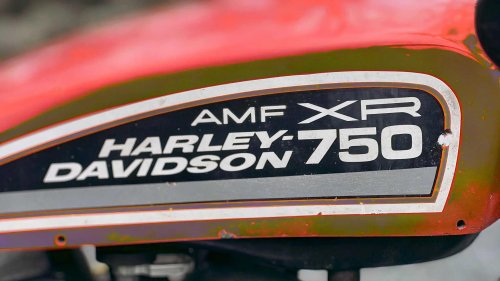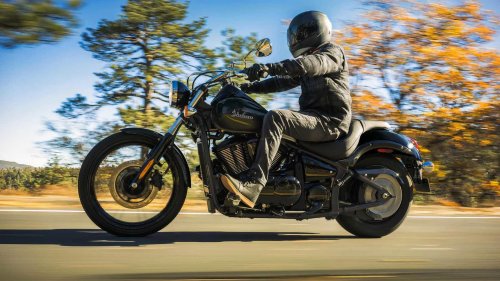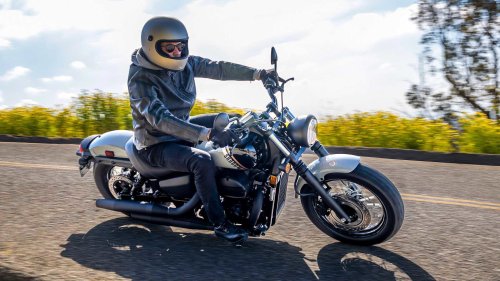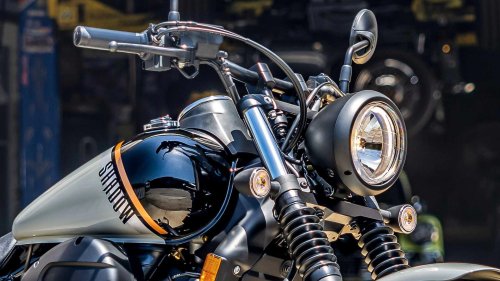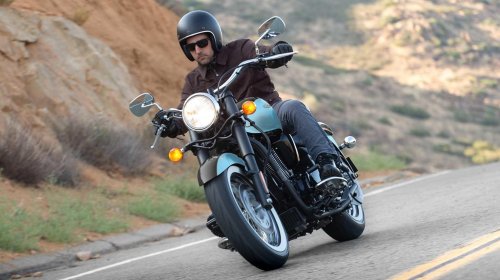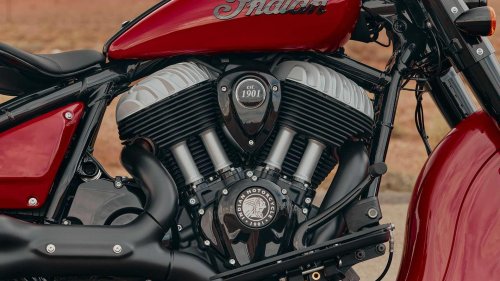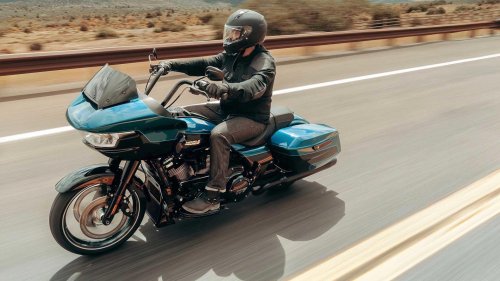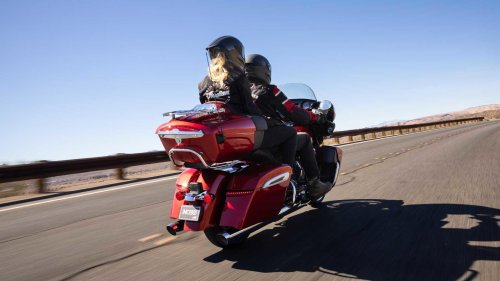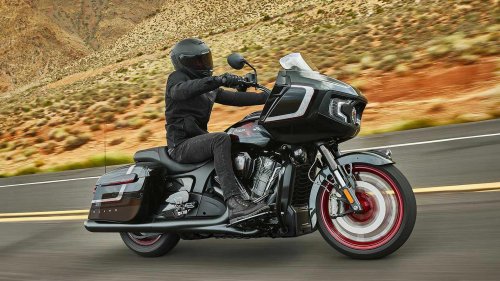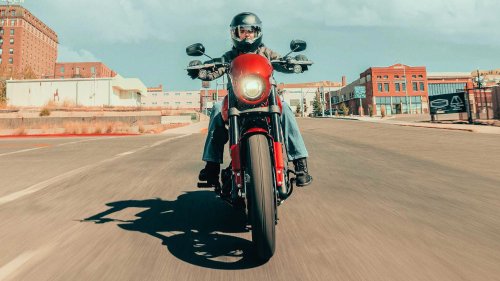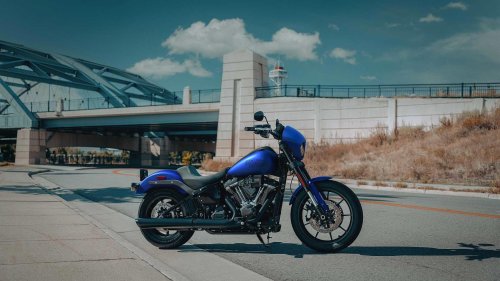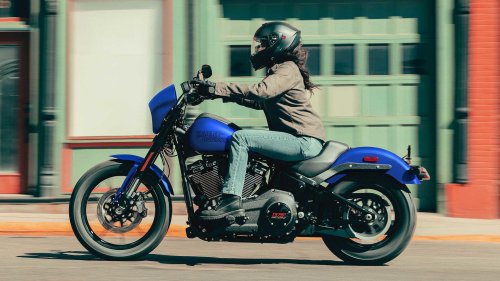
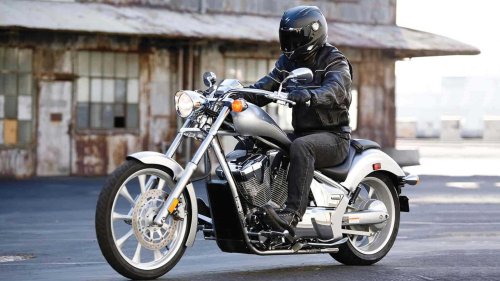
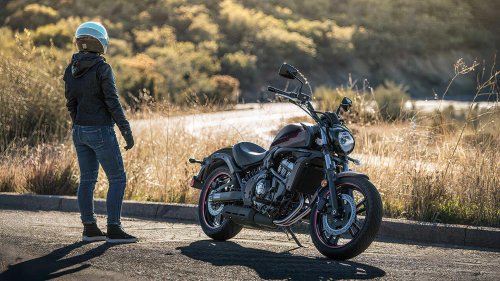
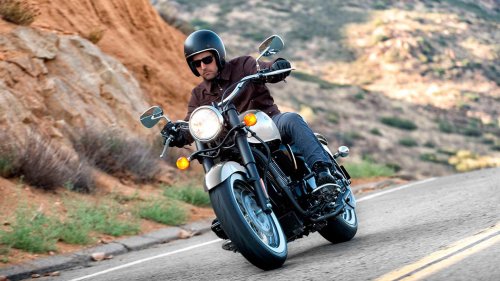
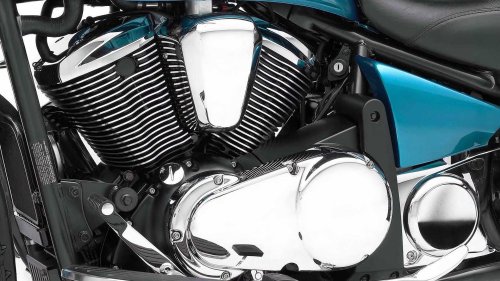
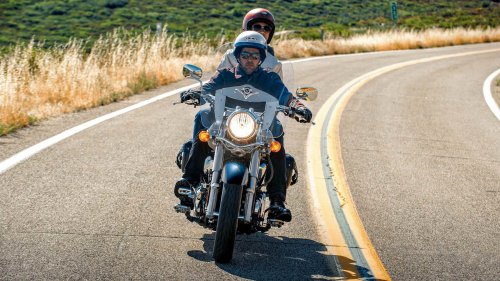
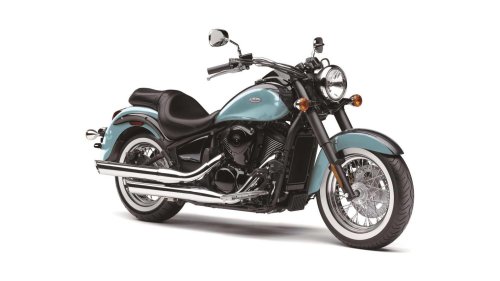
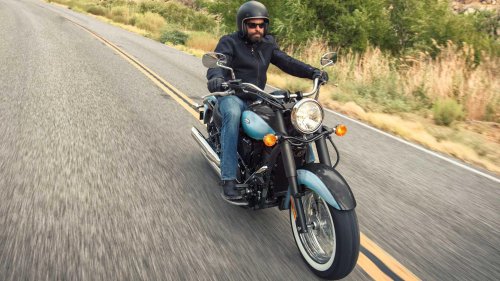
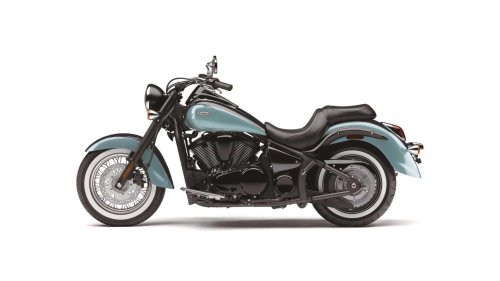

















Buyers in the market for cruiser motorcycles often assume they need to spend big money on a heavyweight American V-twin to get the look, sound, and road presence that define the segment. After all, some of the most iconic cruisers ever built come with large-displacement engines, premium badges, and price tags that can easily climb well into five figures. For many riders, that's simply accepted as the cost of entry into the world of classic cruiser ownership.But what if the visual impact mattered more than the logo on the tank? What if you could get the same long-and-low silhouette, the same commanding stance, and the same relaxed riding experience without taking on the cost, complexity, or maintenance demands that often accompany larger machines? That's where a handful of Japanese cruisers have carved out a loyal following over the years. Big Cruisers Have Always Been About More Than Just Engine Size Harley-Davidson For decades, the cruiser segment has been built on emotion rather than outright performance. Riders don't typically buy these motorcycles to chase lap times or dominate canyon roads. They buy them because of how they look, how they sound, and the unique experience they deliver on the open road. A cruiser isn't just transportation. It's a statement of style, personality, and a particular approach to motorcycling that prioritizes comfort and character over speed.That formula has remained remarkably consistent regardless of brand. Whether you're looking at a machine from Milwaukee, Tokyo, or anywhere in between, the ingredients are largely the same. A low seat height, a relaxed riding position, a rumbling V-twin, and styling that makes the bike appear larger than life. The appeal comes from the entire package rather than any single specification. Why Visual Presence Matters More Than Speed Indian Motorcycle Ask most cruiser riders what drew them to their cruiser bike, and horsepower numbers rarely come up. Instead, they'll talk about the long silhouette, the sweeping fenders, the chrome accents, and the way the motorcycle commands attention even when parked. A big cruiser doesn't need superbike performance because that's never been the point.In many ways, appearance is the product. Wide handlebars, stretched wheelbases, chunky fuel tanks, and low-slung bodywork create a visual identity that's instantly recognizable. Some motorcycles can disappear into traffic. A proper cruiser rarely does. It projects confidence and presence, often making people assume the machine is far more expensive or more powerful than it actually is. Reliability Has Become An Underrated Luxury, Too Honda Powersports As motorcycles become increasingly sophisticated, many riders have started appreciating something that used to be taken for granted: dependability. Modern electronics, advanced rider aids, and increasingly complex powertrains bring undeniable benefits, but they can also add cost and complexity. For many cruiser owners, simplicity remains a major selling point.That's especially true for riders who actually use their motorcycles rather than simply admire them in the garage. Long-distance touring, weekend rides, and daily commuting all become more enjoyable when ownership is straightforward. A motorcycle that demands little beyond routine maintenance often ends up getting ridden more than one packed with features that its owner worries about preserving. The Appeal Of A Motorcycle That Simply Starts Every Time Kawasaki There's something reassuring about a proven platform that has already demonstrated its durability over many years. Owners aren't forced to become beta testers for new technology, and parts availability is usually excellent. That confidence can be difficult to quantify on a spec sheet, but it becomes incredibly valuable when you're hundreds of miles from home. The best motorcycles often disappear beneath the rider. They don't demand constant attention or require complicated ownership strategies. They simply do their job every time the starter button is pressed. The Kawasaki Vulcan 900 Classic Boasts Japanese Reliability And American-Bike Presence KawasakiThe motorcycle that perfectly embodies this philosophy is the Kawasaki Vulcan 900 Classic. Introduced as a middleweight cruiser but styled like something from a larger displacement class, the Vulcan has spent years proving that visual presence doesn't necessarily require a massive engine or a premium price tag.At first glance, many people assume the Vulcan belongs in the same category as much larger cruisers, especially in its more premium Classic LT trim. Its substantial fenders, teardrop fuel tank, generous use of chrome, and stretched proportions give it a distinctly American-inspired appearance. Yet underneath that styling lies the engineering discipline on which Kawasaki has built its reputation. The result is a motorcycle that successfully blends classic cruiser aesthetics with Japanese reliability. A Middle Ground Between Entry-Level And Full-Dress Cruiser Kawasaki Power comes from a liquid-cooled 903cc V-twin engine featuring fuel injection and four valves per cylinder. Kawasaki rates output at around 51 horsepower and 58 pound-feet of torque. Those numbers aren't intended to set performance records, but they provide exactly what cruiser riders typically want: accessible torque, smooth power delivery, and relaxed highway cruising characteristics.The engine is paired with a five-speed transmission and a low-maintenance belt final drive. The belt system is particularly noteworthy because many competitors at this price point continue to rely on chain drives. For riders who prioritize convenience, eliminating chain cleaning and adjustment is a welcome benefit. Combined with fuel injection, it contributes to the motorcycle's reputation as an easy machine to live with. A Platform Built For Comfort And Practicality Kawasaki Comfort is another area where the Vulcan excels. The seat sits just 26.8 inches from the ground, making the bike approachable for a wide range of riders. Suspension duties are handled by a 41 mm telescopic fork up front and a hidden Uni-Trak rear shock with seven-way preload adjustment. Braking consists of a 300 mm front disc and a 270 mm rear disc. The motorcycle rides on a 16-inch front wheel and a 15-inch rear wheel wrapped in cruiser-specific tires.Kawasaki Despite its big-bike appearance, the Vulcan remains manageable. Its 676-pound curb weight is substantial enough to provide stability and road presence without becoming intimidating. The long 64.8-inch wheelbase further contributes to its relaxed cruising manners, while the 5.3-gallon fuel tank allows for extended stretches between fuel stops. The Vulcan 900 Classic Has That Timeless Appeal Kawasaki One reason the Vulcan 900 Classic continues to attract buyers is that Kawasaki resisted the temptation to reinvent it. While many motorcycles undergo constant redesigns and technology overhauls, the Vulcan's core formula has remained largely unchanged because it works. The styling still looks authentic, the mechanical package remains proven, and the overall ownership experience continues to appeal to riders seeking substance over novelty.That timeless approach also helps justify its current MSRP of $9,599 for the base version and $10,599 for the more premium Classic LT variant. In a market where motorcycle prices continue climbing, the Vulcan occupies an increasingly attractive position. It delivers the visual drama associated with larger cruisers, offers practical features such as fuel injection and belt drive, and carries the kind of long-term reliability reputation that many buyers actively seek.Kawasaki Perhaps most importantly, it understands exactly what it wants to be. The Vulcan 900 Classic doesn't try to imitate a sports bike, chase adventure-bike trends, or overwhelm riders with technology. Instead, it focuses on the fundamentals that made cruisers popular in the first place. For riders who want an American-bike presence without sacrificing Japanese reliability, it's difficult to think of a motorcycle that executes that mission more effectively.Source: Kawasaki