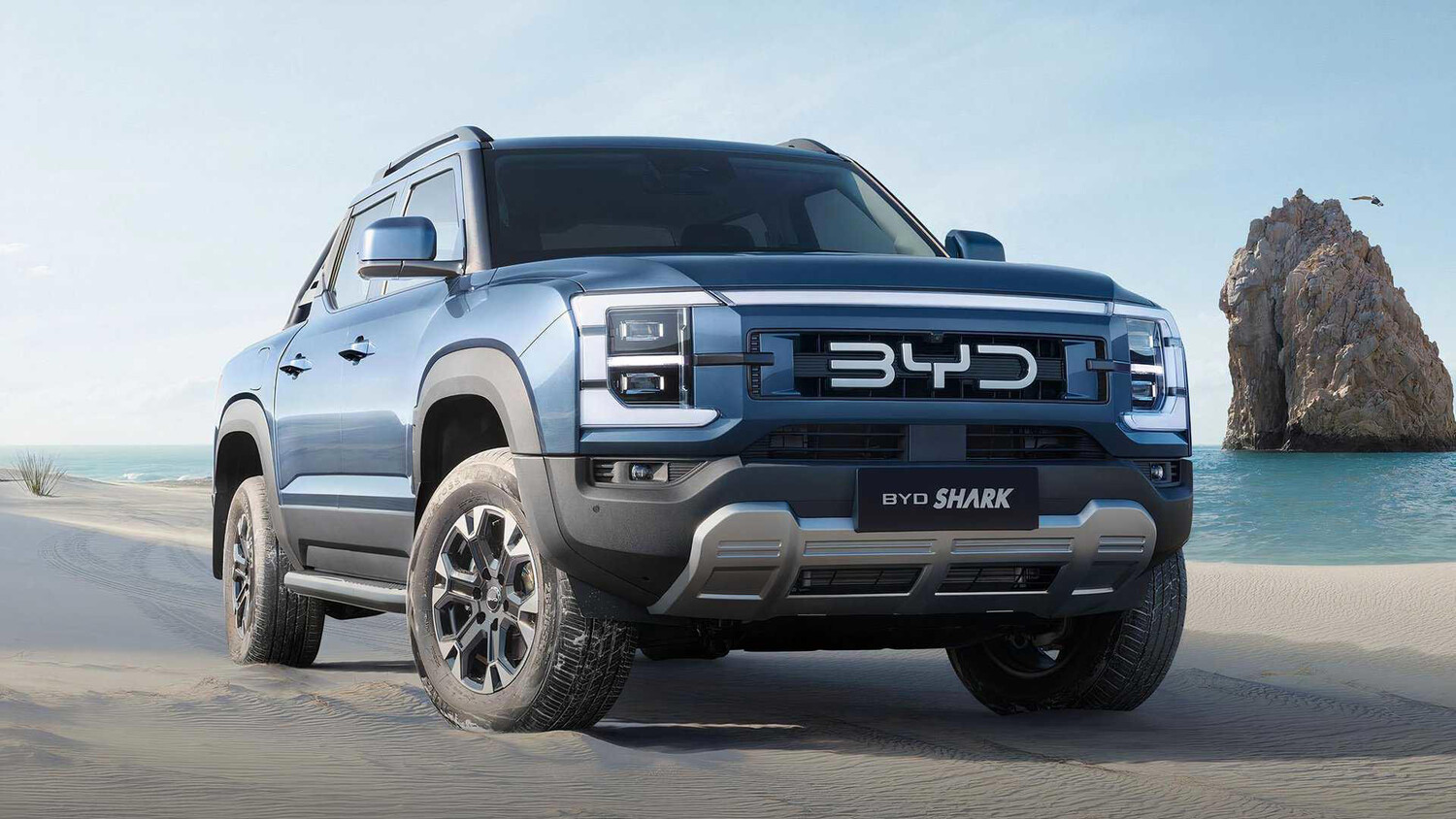
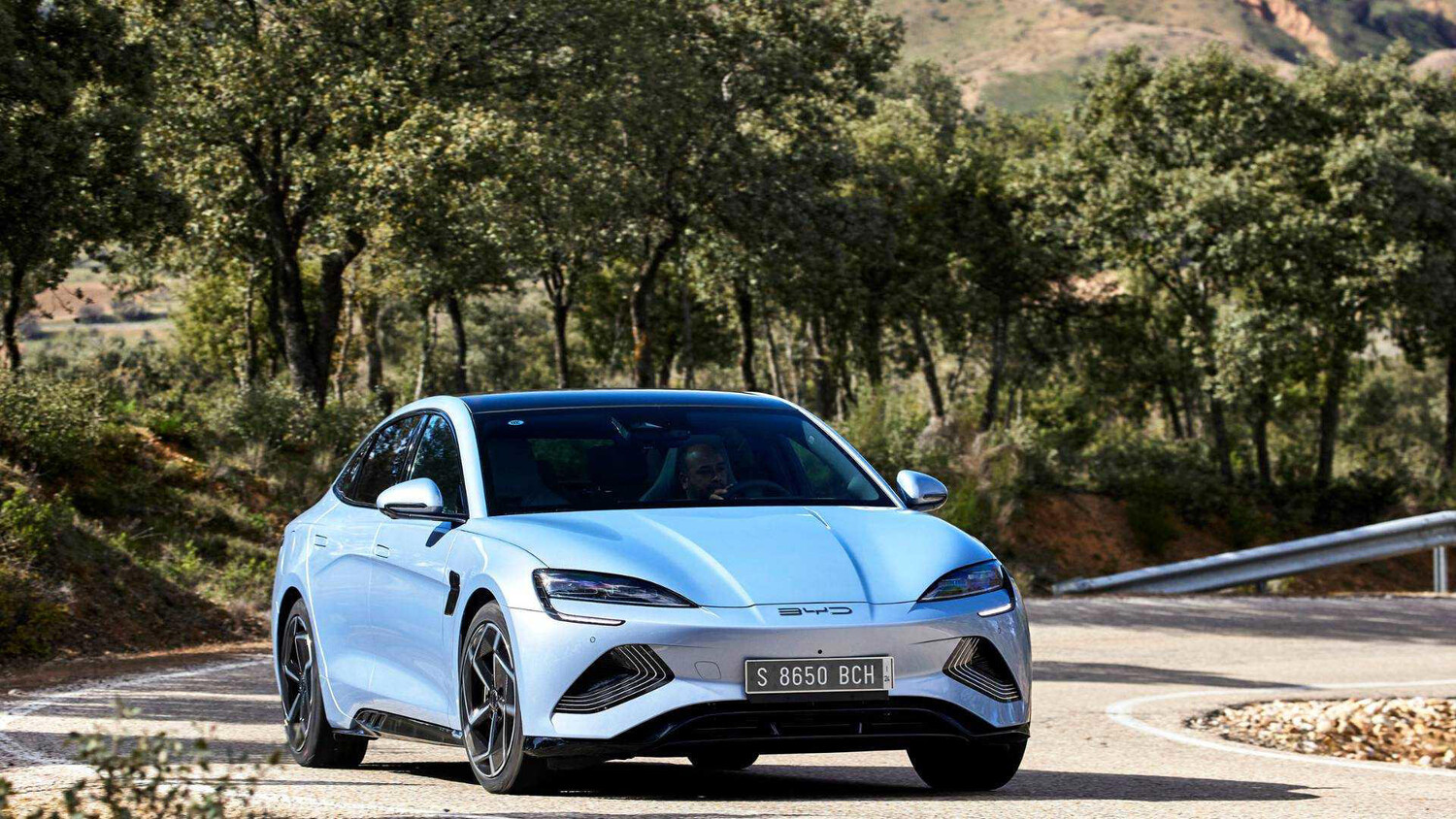
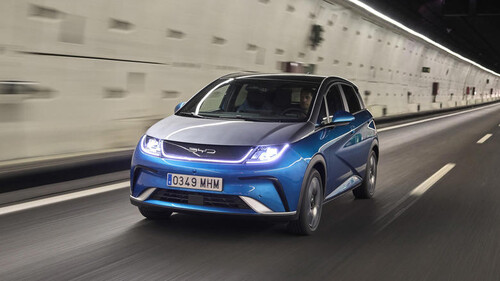
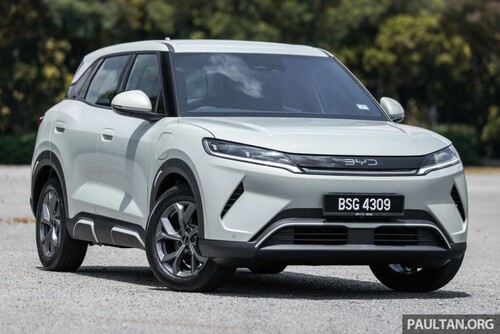
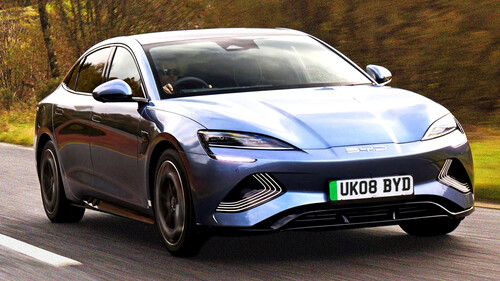
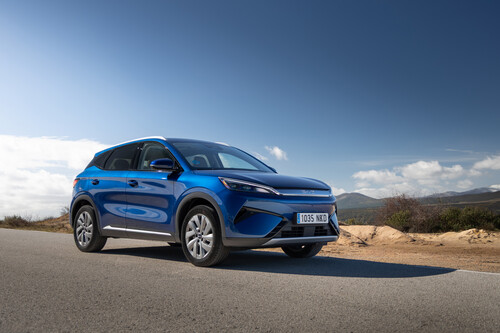
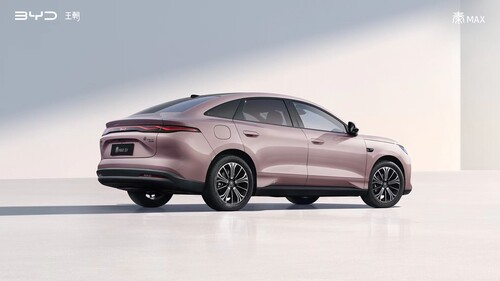
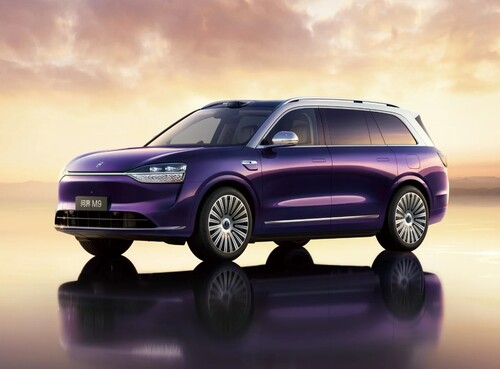
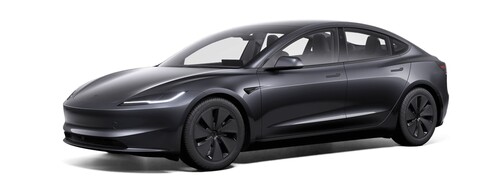
Jump LinksChinese auto manufacturers are more than ready to spread their corporate wings and fly to other parts of the world, and North America is firmly on their itinerary. For now, the United States is not open to such visitors, but Canada is.The Chinese giant BYD is taking full advantage of the situation. The company reportedly aims to add 20 new Canadian dealerships within one year, with Toronto set to be the first. BYD is taking advantage of Canada's revised import rules and sweeping aside the fact that it will have to deal with a 6.1% tariff on trade. Inquisitive Canadians are interested to see what arrives, and BYD has plenty of potential offerings across its lineup.Even though BYD hasn't fully announced its Canadian lineup, it's interesting to predict which ones could be hits. Compact SUVs Will Likely Do The Heavy Lifting BYDCanadians have been moving away from traditional passenger cars for years, so they're likely to find BYD's crossover SUVs quite attractive. Last year, Canadian sales of new passenger cars fell once again while light trucks rose, as compact SUVs sold more than 553,000 units to remain the country's single biggest segment. Just like their counterparts in the US, Canadians love vehicles that blend hatchback practicality, family usability, and elevated seating. And they also favor vehicles that perform particularly well in their brutal Canadian winters.The new Atto 3 EVO might be the obvious lead contender when it comes out as part of the broader Atto 3 family. The larger Sealion 7 might also prove to be popular. Certainly, sedans, such as the BYD Seal, can help to establish the brand in Canada, but most attention would likely turn to those crossovers. Pickup trucks are still just as important in Canada as they are in the US, which is why the BYD Shark 6 deserves attention for its utility. However, compact and midsize SUVs are the main initial push.Even though BYD has some bold aspirations, it's still aware that Canada's EV market has been cooling. Zero-emission vehicles fell to 8.7% of all new vehicle sales in Q1 2025, down from 11.7% in the same quarter of 2024. BYD hopes its efforts can help rebuild the Canadian EV story as well. The Atto 3 Should Be BYD's Biggest Hit BYD The Atto 3 is not the most glamorous vehicle in BYD's portfolio, but it surely sits in the sweet spot of the North American market. The model first came out as a compact SUV with 201-horsepower, 420 kilometers (260 miles) of WLTP range, a multi-link rear suspension system, and a generous cargo area. The newer Atto 3 EVO pushes the stakes further, along with up to 510 km (317 mi) of WLTP range, faster charging, more storage space, and available all-wheel drive. The extra range could be particularly appealing in wide-open Canada, where buyers place considerable emphasis on everyday usability.The Atto 3 is neither too small nor too imposing, and it's more of a core global model for the company. Over in the United Kingdom, the latest EVO starts at £38,990 (about $52,000 USD or $72,500 CAD), making it a mainstream family SUV in that market. While Canadian trims and pricing levels are not yet confirmed, buyers may be able to enjoy the EVO's 74.8 kWh battery, up to 220 kW of DC fast charging, 17.3 cubic feet of rear cargo space, and a standard heat pump.To bolster its entry, BYD may not need to do much explaining and could start selling the Atto 3 in good numbers. After all, this is the sort of product that could attract buyers from multiple directions, not just those looking for Tesla alternatives. It could be attractive to those who might otherwise buy a Hyundai Kona Electric, Kia Niro EV, or Chevrolet Equinox EV. Plus, the model might be an alternative for buyers considering a used premium crossover. The Sealion 7 Looks Like The Family Upgrade Choice BYD While Atto 3 handles volume for BYD, the Sealion 7 could become an aspirational step-up buy. It's a larger electric SUV for bigger family units with upgraded performance and cargo space. In the UK, the Sealion 7 has up to 312 miles of WLTP range, up to 523 hp in dual-motor form, available all-wheel drive, and a 0 to 62 mph time of 4.5 s. You can get 18.4 cu. ft of rear cargo space as standard, which expands to 63.2 cu. ft if you fold the rear seats down. It also has a standard heat pump and available ultra-fast 230 kW DC charging on the top versions.Canadians tend to like vehicles that are roomy and all-weather capable, able to cover family hauling, weekend road trips, commuting, and winter duty without compromise. The Sealion 7 should be up to those tasks because it also looks and feels upmarket and is quite a long way from that “cheap Chinese EV” label. It ought to be able to compete with the Tesla Model Y and similar electric crossovers.In the UK, the Sealion 7 is notably more expensive than the Atto 3, starting at £44,990 ($60,228 USD). It's more of an upgrade solution than a default entry point in the broader market, but it could still do much of the heavy lifting for the brand in Canada. The Dolphin And Shark 6 Could Each Find A Niche BYD BYD’s Dolphin is relatively small and, on the face of it, not ideally suited for a Canadian buyer. However, the model could still play a part there. The Dolphin offers 260 miles of WLTP range in its UK specification, supports 30-80% DC charging in 29 minutes, has a standard heat pump, and a 12.2-cubic-foot trunk. With those stats, it might turn out to be the practical urban and suburban EV for inquisitive Canadians. BYD also appears ready to ship a significant number of lower-cost offerings, suggesting the automaker sees room to play in more affordable segments as well.Meanwhile, the Shark 6 may also be popular in a country where large pickups represent the second-biggest segment. This is a plug-in hybrid pickup with a 1.5-liter turbo engine, dual-motor AWD architecture, 430 hp, 479 lb-ft of torque, and a 5,500-pound braked towing capacity. It even has a “snow” mode in export form. Should BYD choose to prioritize the Shark 6 for Canada, the company might also capture a good share of this important segment. The Seal Will Matter, But Probably Not Be The Sales Leader BYDBYD's Seal is among the brand's most prominent models in China, but it might not be as popular in Canada. The sedan offers 354 miles of WLTP range and up to 523 hp in top all-wheel-drive form. However, the passenger car segment is shrinking rather than growing. Luxury cars were hit especially hard in 2025 in Canada, and so it's unclear what buyers might think of this performance-leaning electric sedan.In summary, the Seal may well be the car that gets Canadians talking about BYD, but the Atto 3 and the Sealion 7 would likely lead the charge. It's still unclear what models might arrive in Canada, but BYD is starting from a position of strength. The automaker has a portfolio that should map surprisingly well to what Canadian buyers already like. If the company executes sensibly, it might start a cascade of new vehicle sales. The Atto 3 may turn out to be the first genuine hit, and others like the Sealion 7 could follow closely behind.