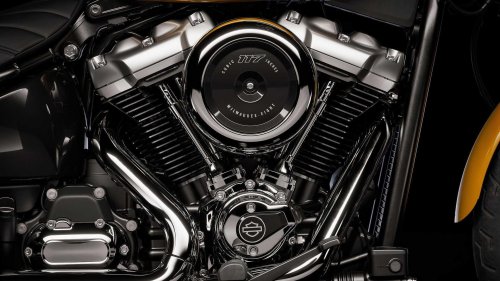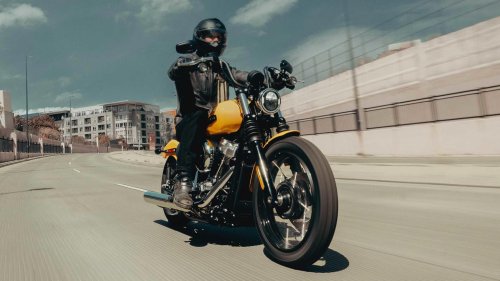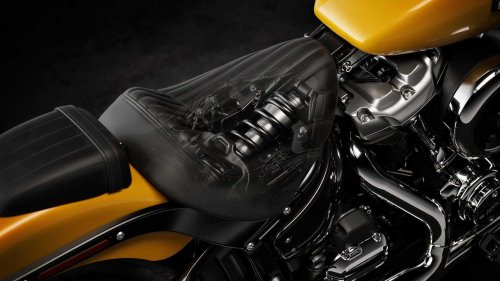
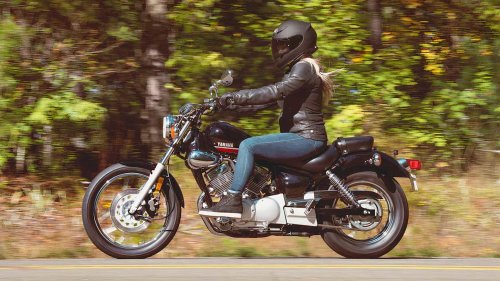
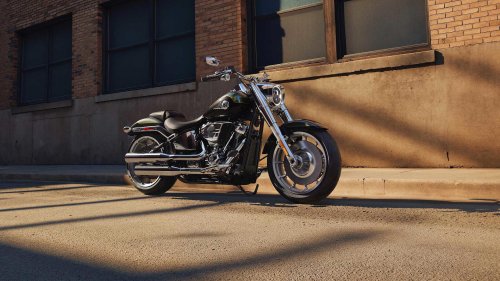
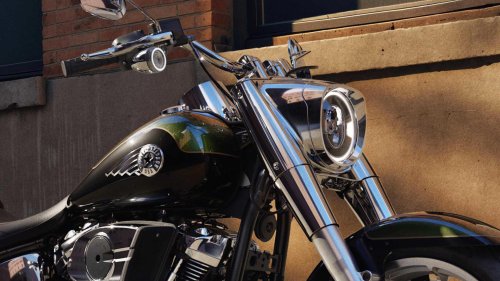
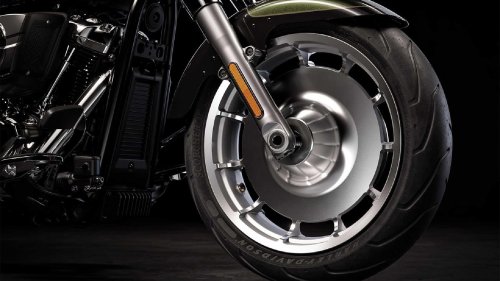
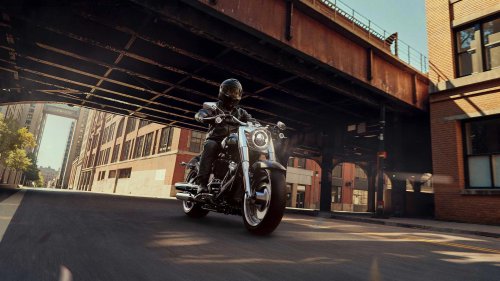
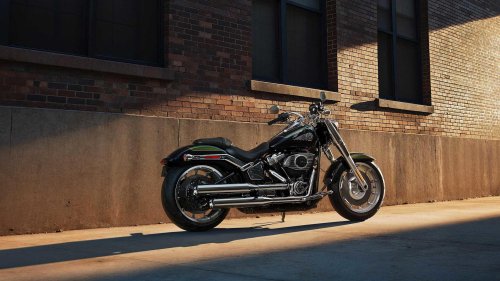
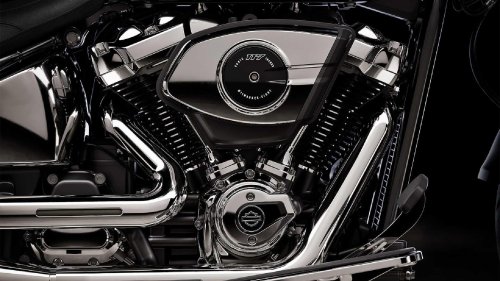
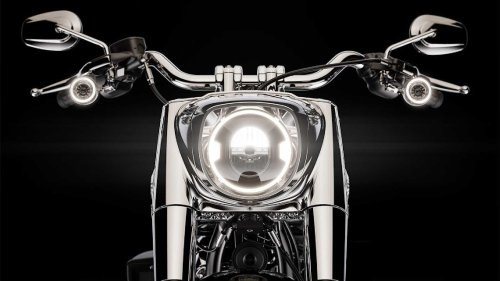
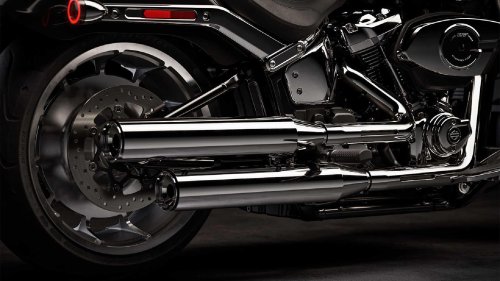
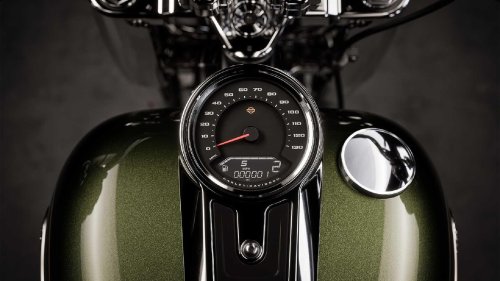
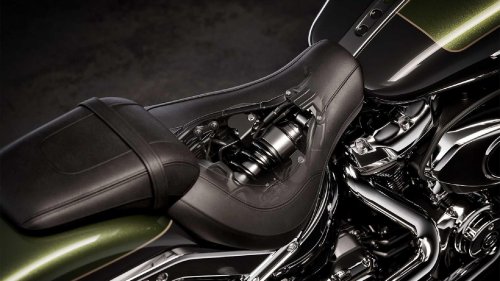
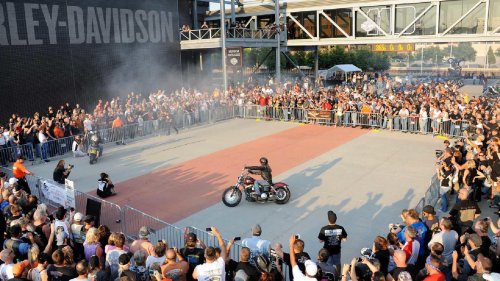
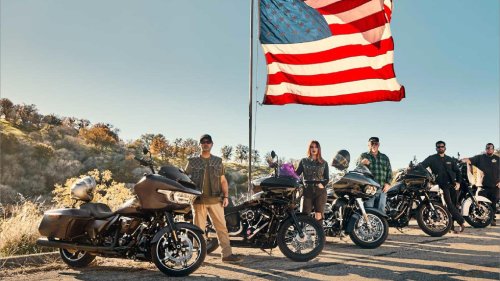
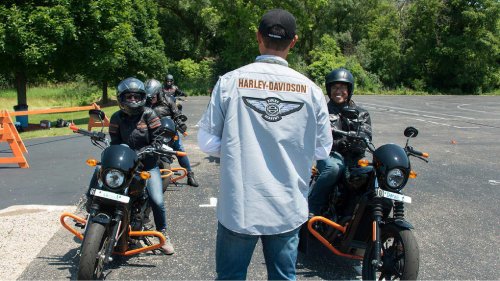











If you take a close look at the motorcycle industry, the cruiser segment tends to operate under a slightly different set of rules. Sales figures still matter, of course, but they don’t tell the full story. With cruisers, manufacturers place a strong emphasis on building a relationship that extends well beyond the initial purchase.That connection reveals itself over time when riders choose their next bike, recommend the brand to friends, or decide which logo earns a place on their garage wall or riding gear. Brand loyalty exists in other segments, like sports bikes and adventure motorcycles, but it rarely matches the depth and consistency seen in the cruiser space. Some Motorcycles Sell Numbers, Some Sell Culture Harley-DavidsonWhile this could be said of several facets of motorcycling, it is particularly true of the American cruiser market, which has seldom been driven by purely rational purchasing decisions. Where sports bike and adventure bike riders tend to be more discerning about specifications and performance figures, cruiser buyers often prioritize a different set of values like heritage, identity, and a sense of community. The Cruiser Segment Is Crowded At Every Price Point YamahaEntry-level cruisers start from as low as $4,799 for something like the Yamaha V-Star 250, and with every thousand dollars you add, several other models join the foray. As you move towards the middle of that spectrum, you’ll start to find both established American brands – Harley-Davidson and Indian Motorcycle – and overseas competition like the Triumph Rocket 3 that costs around $27,000. The sheer number of options means buyers have genuine alternatives at every price level; however, brand loyalty remains remarkably strong and is typically tied to one of the two American marquees. A Legacy The Other American Cruiser Brand Can't Match Indian MotorcycleThe brand Indian Motorcycle predates Harley-Davidson by two years, but the companies followed different paths through the twentieth century. While the former recently celebrated its 125th anniversary since inception, it is currently undergoing a tumultuous period with major management and ownership shuffles at the top.Harley-DavidsonHarley-Davidson, on the other hand, has managed to stay in continuous production since 1903, surviving multiple economic downturns. This unbroken history has created generations of families who grew up around Harley-Davidson motorcycles, and the cultural impact extends beyond the motorcycles themselves. You’ve probably seen the brand represented across countless movies and media as a symbol of American motorcycling culture. In its current lineup, there is one bike that builds loyalty like no other bike. The Fat Boy Is One of The Models Harley-Davidson Fans Love Most Harley-DavidsonSome motorcycles transcend their role as products to become cultural icons. In the relatively recent past, the Fat Boy has been the Harley-Davidson model that achieved this status quickly after its introduction and has maintained it three decades later by prioritizing recognition rather than reinvention. Harley-DavidsonThe original Fat Boy made its debut in 1990, featuring solid disc wheels, silver paint, and muscular proportions that stood out from Harley-Davidson's existing lineup. The design drew inspiration from military motorcycles while creating something distinctly modern for its era. For a lot of people, the moment that brought the motorcycle into the limelight was its appearance with Arnold Schwarzenegger in Terminator 2 in 1991.Harley-DavidsonThe movie's massive success exposed the motorcycle to audiences who might have otherwise never visited a Harley-Davidson dealership, building name recognition that transcended the motorcycle industry. Over three decades, the Fat Boy has evolved through updates to essentially every aspect, but it has maintained its core design language that made it distinctive. The 2026 model carries a clear lineage to the 1990 original through its solid wheels, chrome nacelle, and steamroller stance. Starting Price: $22,599 Harley-DavidsonThe 2026 Fat Boy carries a base MSRP of $22,599, positioning it in the middle of Harley-Davidson's cruiser lineup. Paint options add to the base price, with the olive green and metallic black colorway commanding the biggest premium of $1,100. For the price, you get the Milwaukee-Eight 117 engine wrapped in distinctive styling that defines the model. You also get the ownership experience, including access to Harley-Davidson's extensive dealer network and community. The Milwaukee-Eight 117 Does The Heavy Lifting Harley-DavidsonHarley-Davidson updated its entire cruiser lineup with the Milwaukee-Eight 117 engine for 2025, replacing the previous 107 and 114 configurations. The larger displacement provides plenty of performance for effortless cruising while maintaining the V-twin character Harley-Davidson riders expect. This mill displaces 1,923cc and prioritizes bottom-end torque delivery, making performance more accessible from low in the RPM range. Peak output figures are 103 hp at 4,800 rpm and 126 ft-lb of torque, which is produced at just 3,000 rpm. A V-Twin Tuned For Torque 2026 Harley Davidson Fat Boy engineThis suits cruiser riding, where acceleration, passing slower traffic, or maintaining highway speeds effortlessly matter more than outright top speed. Elements like the two-into-two exhaust system add both visual appeal and the auditory character of the V-twin. The bike features an airflow-optimized touring intake that moves more air through the engine for more consistent power delivery, whether accelerating from rest or maintaining highway speeds with luggage and a passenger. The high-torque engine also means less gear shifting and throttle input, reducing fatigue on long rides. The Iconic Design Language Hasn't Changed Much 2026 Harley Davidson Fat Boy headlightThe Fat Boy hasn’t reinvented itself with each model year, and taking a look at the most recent iteration, you’ll see styling lines and cues that trace back to the original from over three decades ago. The steamroller stance defines the Fat Boy through wide tires mounted on solid disc Lakester cast aluminum wheels. These create a visual mass that makes the bike appear planted from every angle.Harley-DavidsonCutback fenders expose the tires while maintaining the flowing lines that connect front to rear. The sculpted chrome nacelle frames the LED headlight and creates the distinctive face that has defined the Fat Boy since 1990. The five-gallon tank features a Fat Boy-specific medallion, and the Softail frame mimics the clean lines of classic hardtail motorcycles. The design and low stance prioritize straight-line stability, matching how most cruiser riders actually use their motorcycles. Modern Touches That Don't Break The Charm 2026 Harley Davidson Fat Boy gaugeDespite the silhouette that traces back to multiple generations of the Fat Boy, Harley hasn’t fallen behind in updating the motorcycle to keep up with the times. The bike gets all-LED lighting, with the distinctive headlight maintaining the same visual proportions as previous generations while offering superior illumination.The instrumentation includes a 5-inch circular analog speedometer on the fuel tank with a digital cutout for other information like the odometer, fuel level, ride modes, and a gear position indicator. You also get creature comforts like a USB-C charging port, cruise control, TPMS, an adjustable brake lever, and easily accessible controls on the switchgear for quick access to riding functions, including selectable ride modes that adjust throttle response and traction control intervention. The Fat Boy Is Commanding And Confident Harley-DavidsonThe Fat Boy commands a physical presence that matches its visual impact. The motorcycle is low-slung with a raked-out front end, unique wheels, wide tires, and wide handlebars, all giving it a commanding appearance that turns heads. It’s a substantially heavy motorcycle (almost 700 pounds), which aids its highway manners, and the low seat height (25.9 inches) makes it decently manageable even at slower speeds. Suspension is handled by a thick 49mm dual-bending valve fork at the front and a preload-adjustable monoshock at the rear. Ergonomics Built For The Long Haul The riding triangle puts riders in a fairly neutral position. While the footpegs are positioned forward, the handlebars reach back towards the rider rather than forcing an extreme stretch, resulting in a laid-back and non-aggressive riding posture. The Fat Boy seat has been known to provide sufficient padding for long-distance comfort, and Harley recently improved cushioning based on rider feedback. An Ownership Experience Unlike Any Other Harley-DavidsonBuying a Harley-Davidson means joining a community with infrastructure and culture that competitors cannot easily replicate. Harley ownership experiences have been known to extend far beyond the motorcycle itself. Harley-Davidson maintains an extensive dealer network across the United States, with authorized dealerships across states, some even with dozens within a fairly small radius. These dealers provide factory-trained technicians, genuine parts availability, and warranty support, making ownership a more hassle-free experience. Plus, the dealerships function as community gathering points, hosting events, rides, and social activities.Harley-DavidsonThe same applies to the aftermarket ecosystem surrounding Harley-Davidson. Companies like Drag Specialties, Vance & Hines, and countless smaller manufacturers produce parts and accessories specifically for Harley-Davidson models, allowing riders to customize their motorcycles extensively with bolt-on parts requiring minimal modification. The Fat Boy’s long production history ensures parts availability for older models and an extensive knowledge base for maintenance and upgrades. The Community: Harley Owners Group (H.O.G.) Harley-DavidsonThe Harley Owners Group represents the largest factory-sponsored motorcycle club worldwide, with hundreds of thousands of members across multiple countries. H.O.G. membership comes with new bike purchases and provides access to organized rides, rallies, and social events. Local chapters organize regular activities ranging from charity rides to multi-day tours, and the system is built in such a way that riders who relocate to new cities, or simply want to expand their riding circle can do so with ease.H.O.G. chapters welcome all Harley-Davidson riders regardless of model, and it’s this social dimension that adds an extra layer to owning a Fat Boy – or any Harley, for that matter – that keeps riders loyal to the brand long after the initial excitement of purchasing the motorcycle may fade.