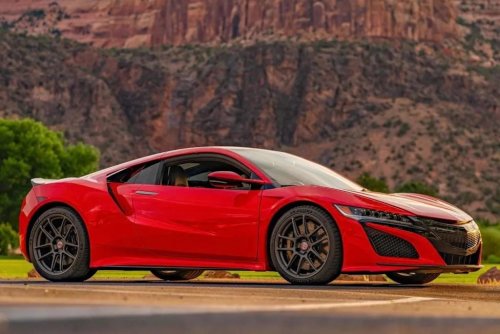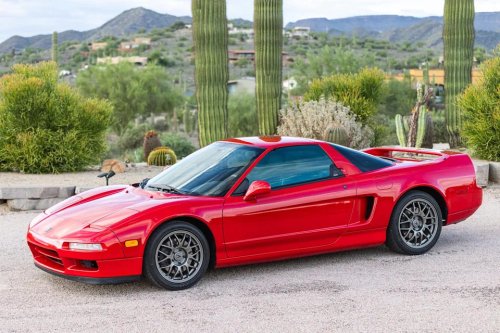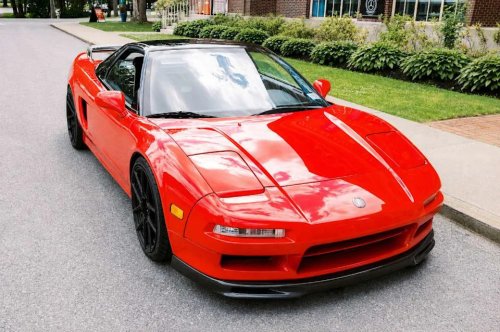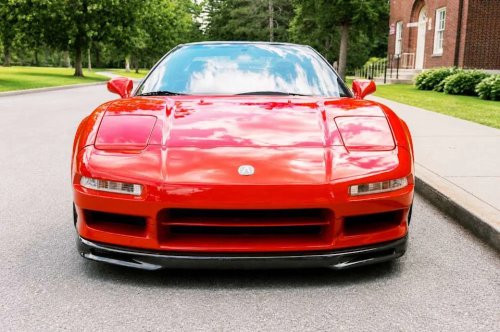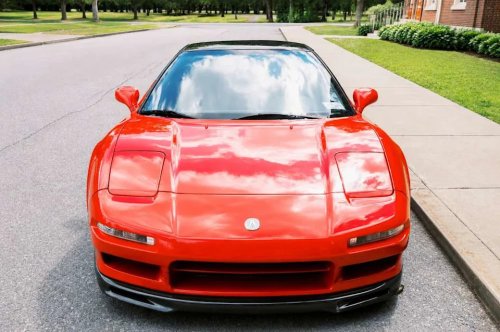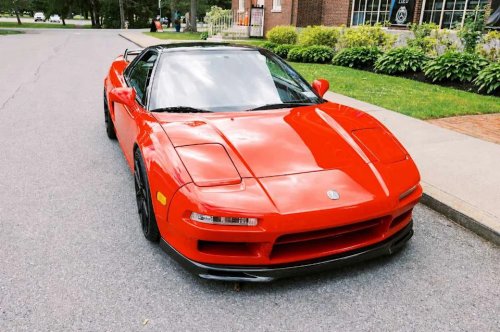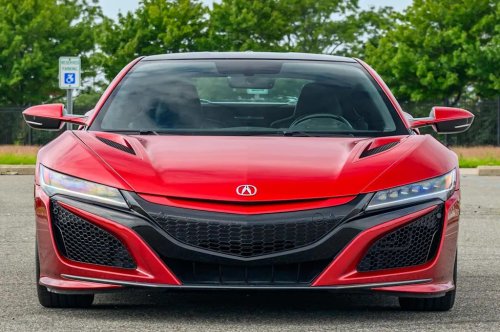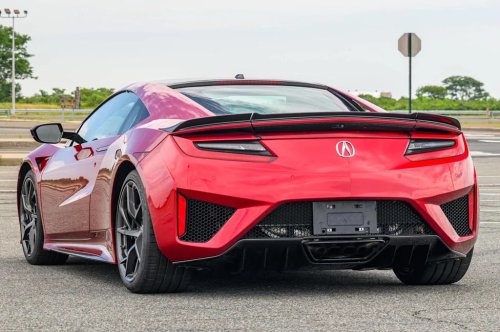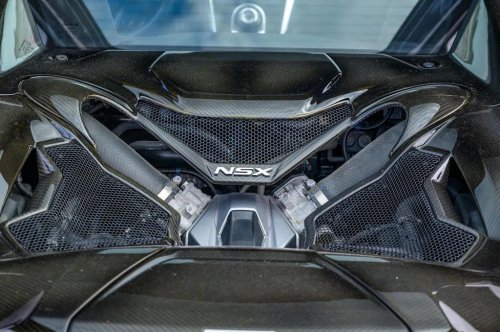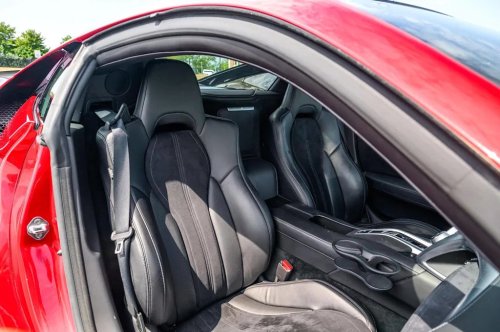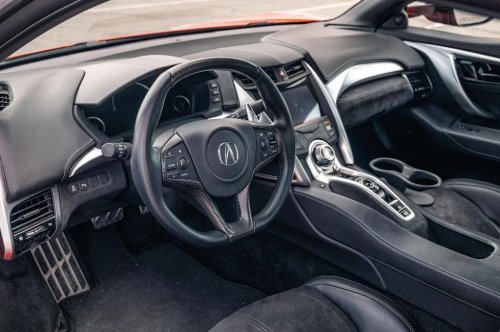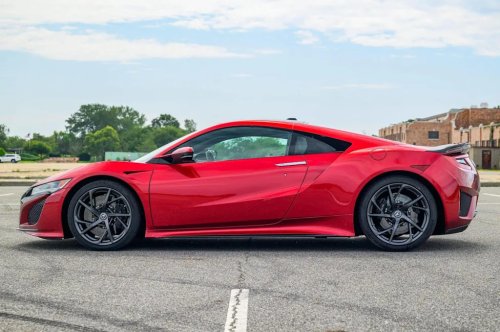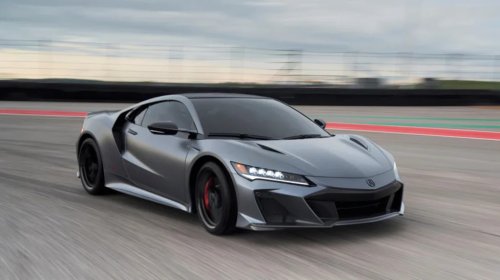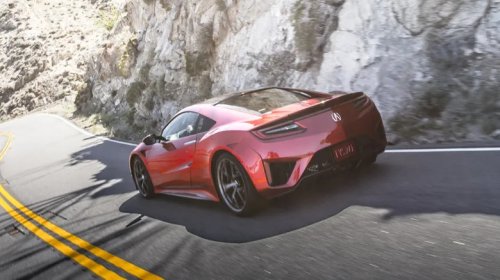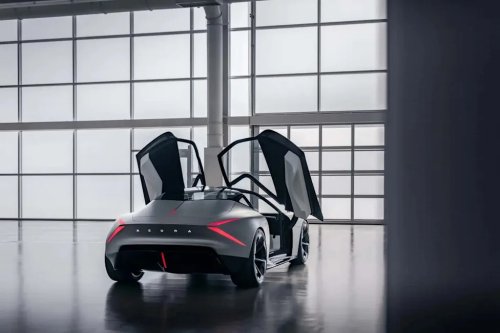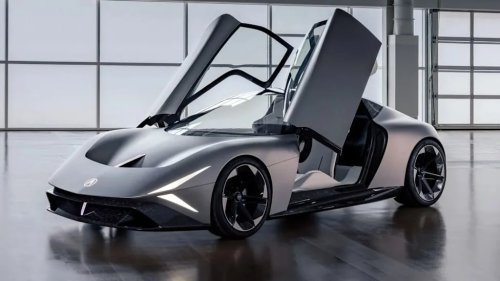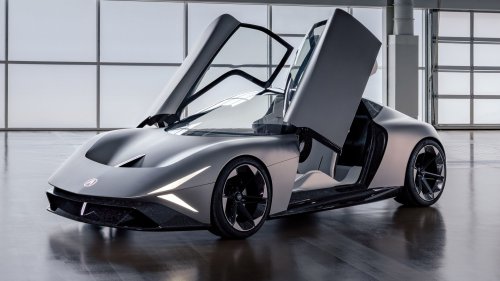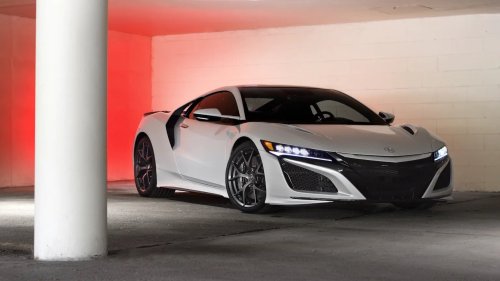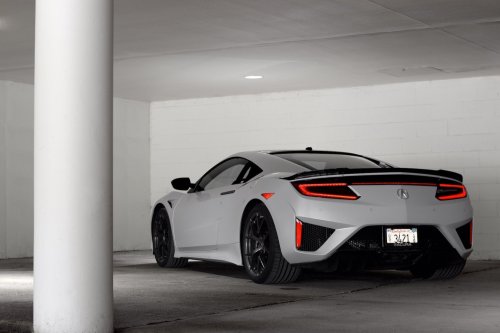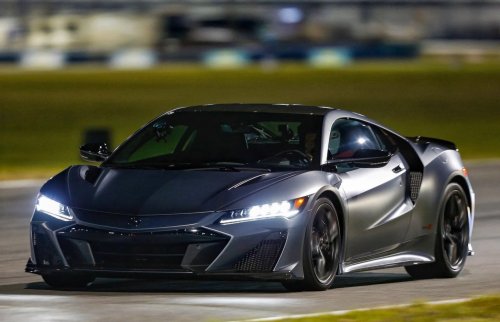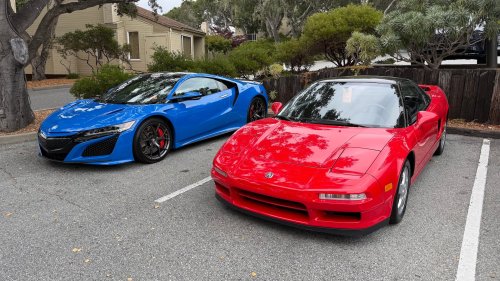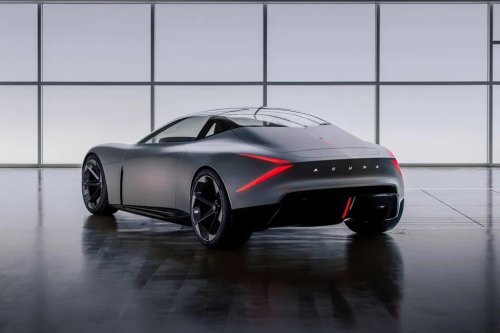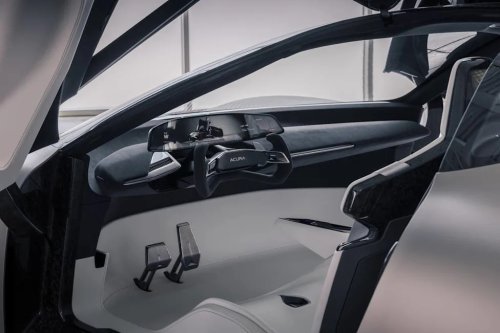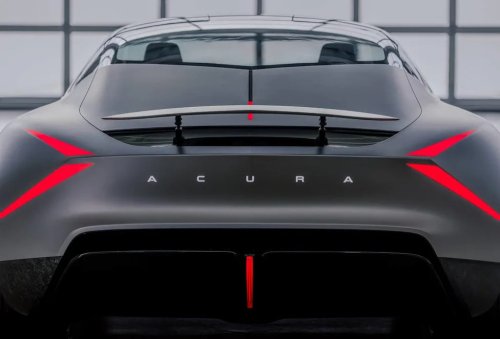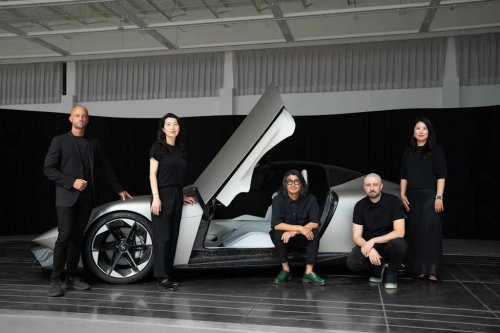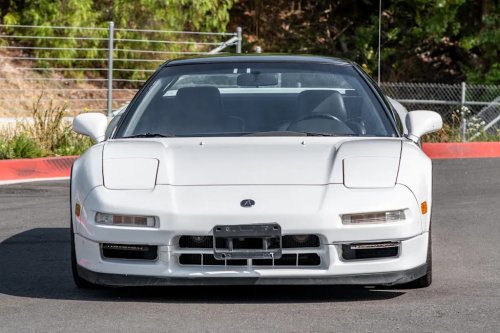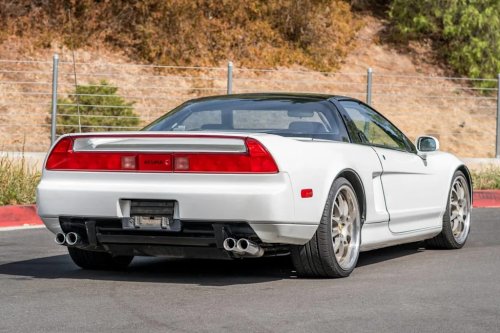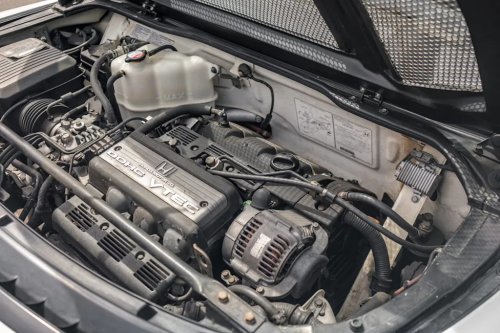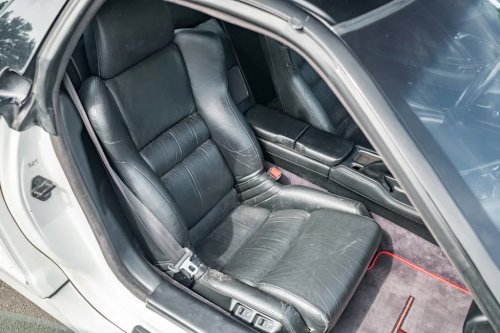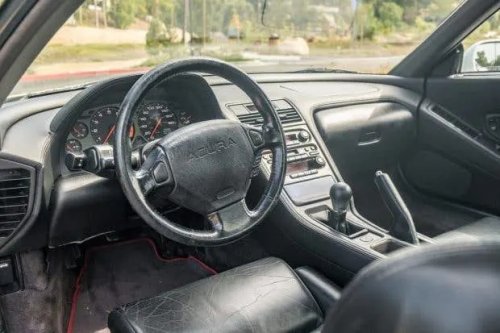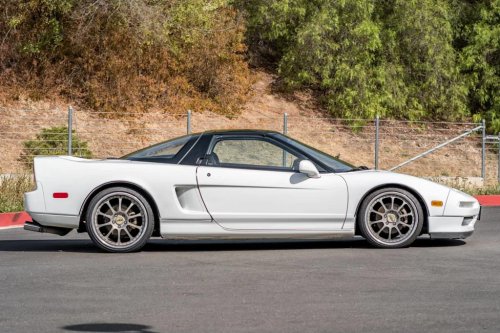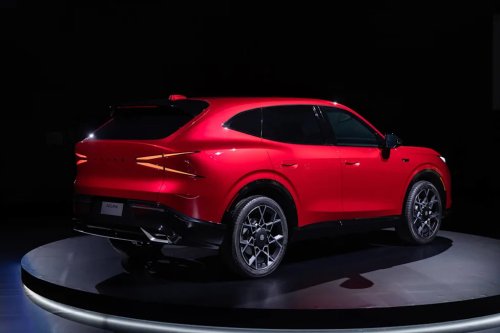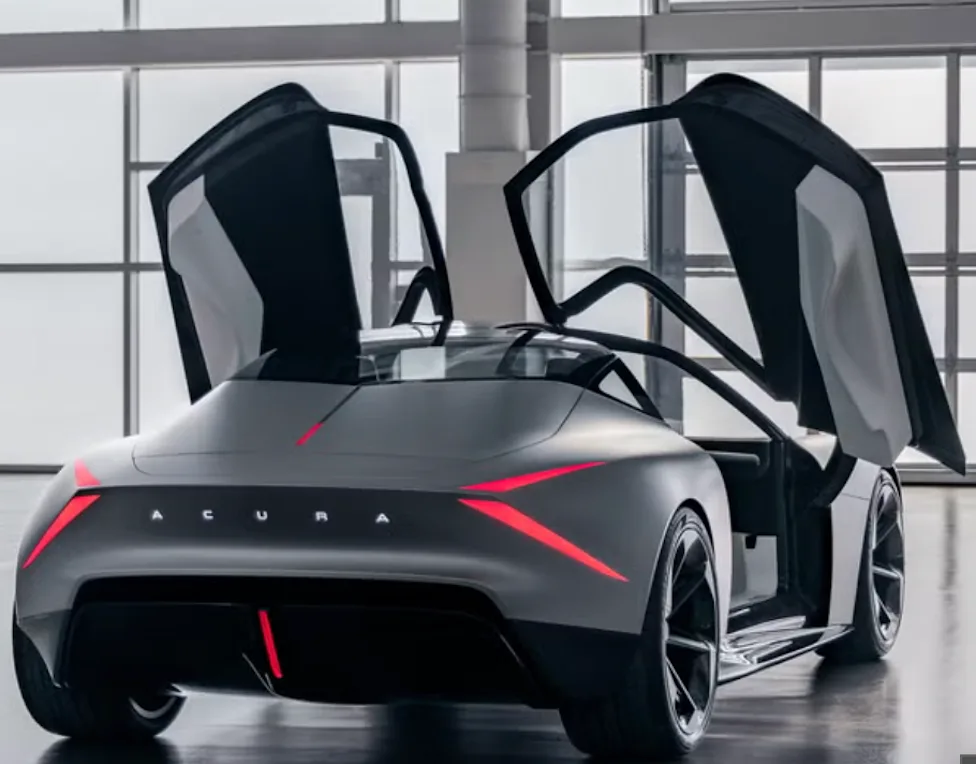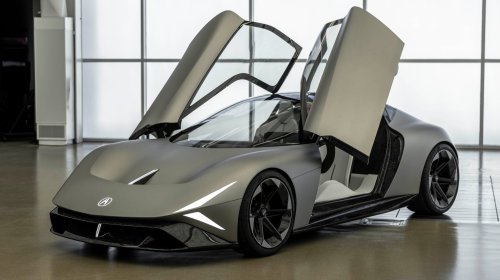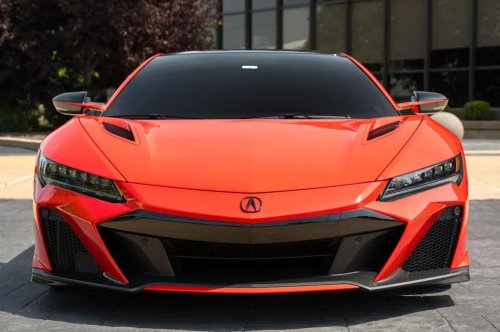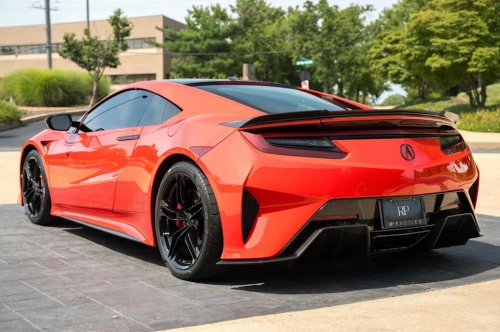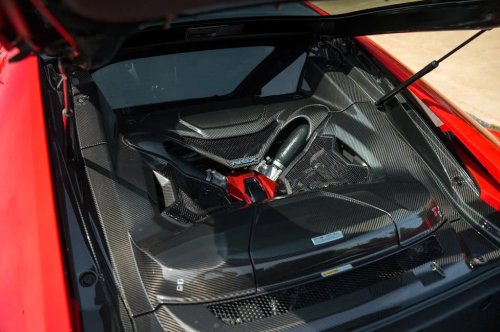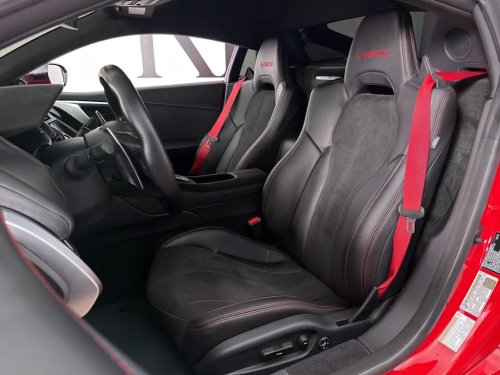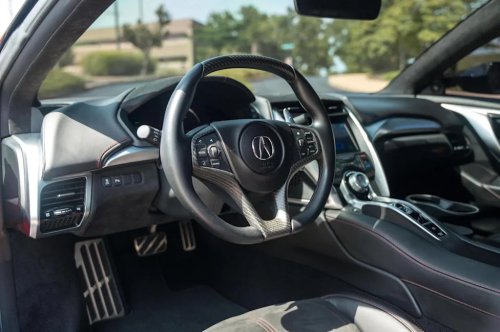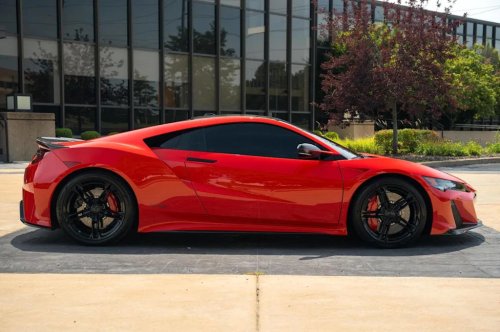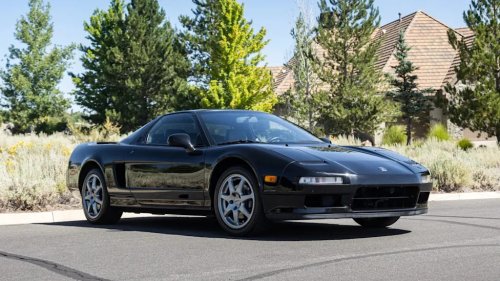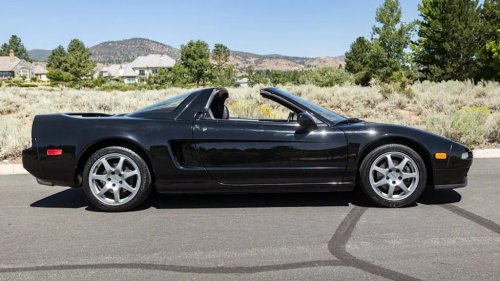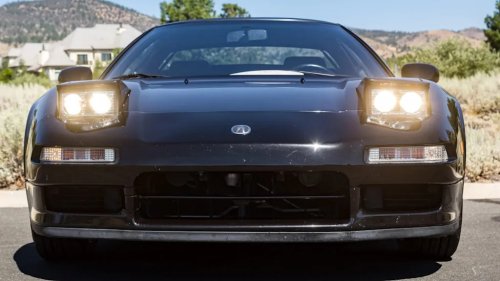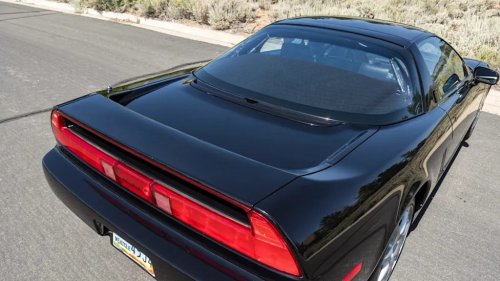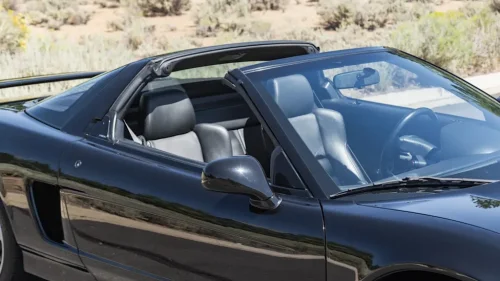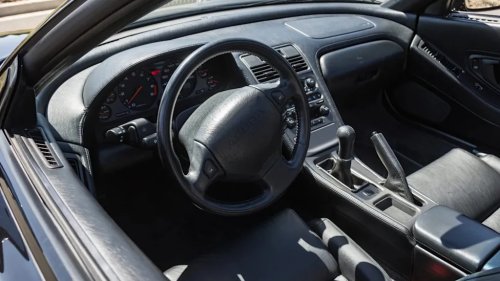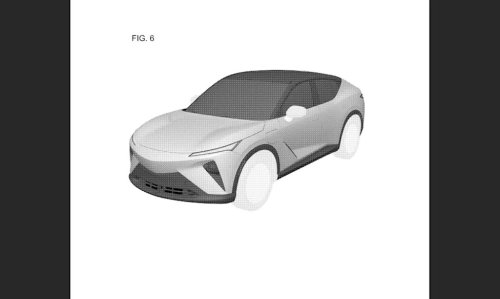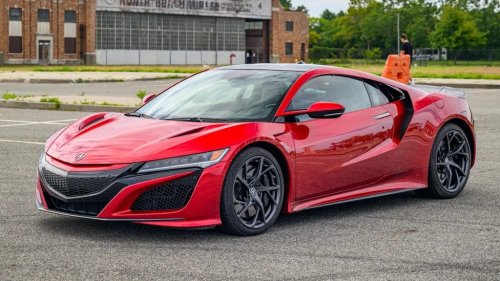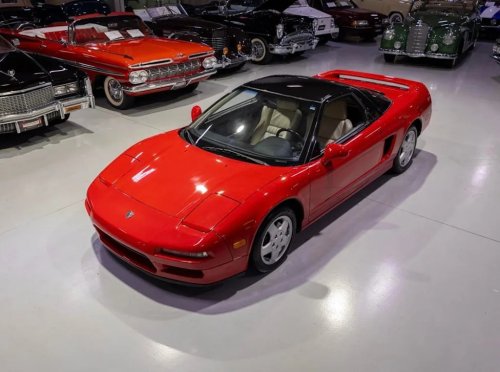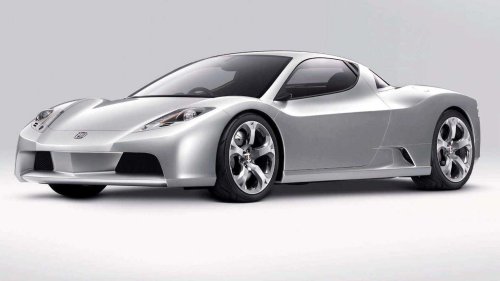
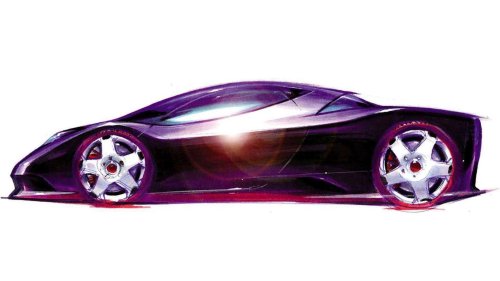
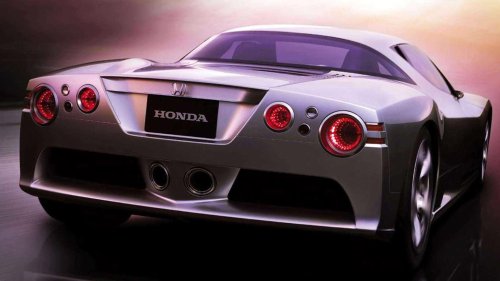
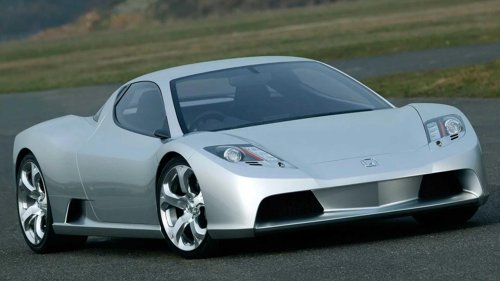
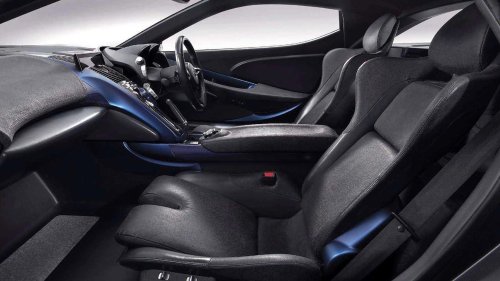
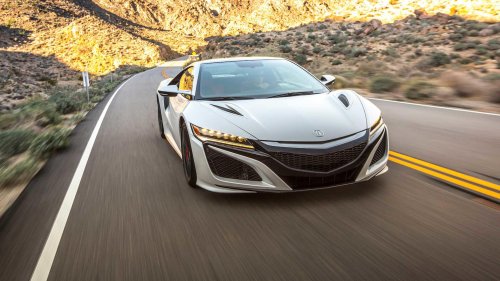



















The Honda, or Acura in the states, NSX was the Japanese automotive giant's first attempt at producing a full-bore sports car. As opposed to models from Europe, like the Ferrari 348, the NSX was designed from the outset to be a dependable and usable everyday machine. It proved ultra-successful due to how easy it was to drive and live with, as well as how intoxicating its Ayrton Senna-influenced chassis and high-revving V6 engine performed.The machine proved Honda could mix it with the most prolific performance carmakers in the highly competitive market, allowing it to add another string to its bow. By the early 2000s, Honda was looking for a way to enhance this even further, which led to the introduction of a concept sports car that would blow the doors off the old NSX. It never reached production, but it likely would have proven a potent offering had it done so. The HSC Was Envisioned As A Successor To The Venerable NSX Honda By the early 21st century, the NSX was getting on a bit. The sports car was on its second evolution following its 1990 introduction, and Honda was ultimately planning to cart it off to retirement. This enforced sabbatical eventually transpired in 2005, though the operation was thinking up ways it could replace it with something new. It fancied playing about with different ideas, and thus, the HSC was never officially built as a full-fat successor to the NSX, but an idea for how a future Honda sports car could take shape. The HSC Had Supercar-Inspired Styling Honda The finished HSC concept was unveiled at the 2003 Tokyo Motor Show, and it immediately drew eyeballs due to its rather wild styling, at least when compared to the contemporary NSX. Its body was lower and sleeker than the NSX's, affording it a silhouette that had more in common with supercars such as the Koenigsegg CC8S and Pagani Zonda.The flowing nose and roofline led into an aggressive flat tail, which housed two large exhaust tips. To finish off the look, the HSC was provided with look-at-me scissor doors, which opened upwards like those found on many supercars of the time. The HSC wasn't developed simply to look aggressive either, as Honda wanted a potential finished article to properly perform, too. The HSC Stuck To The Original Recipe Of The NSX Honda Despite not being angled as a successor to the NSX, the HSC featured underpinnings that were clearly influenced by Honda's halo performance machine. The concept was equipped with a mid-mounted naturally aspirated VTEC-boosted V6 engine like the NSX, though it had been enlarged to 3.5 liters. This meant peak power sat at a handy 310 horsepower, around 20 hp more than the NSX could muster. This grunt was sent the way of the rear axle like a typical sports car, though there was no manual transmission to be found. Wanting to show off its technology for the future, the HSC was equipped with a six-speed Formula 1-inspired automatic gearbox that was controlled by one of two methods.Flappy paddles were hidden behind the steering wheel, just like in an F1 car, but you could also use a small dial shifter arrangement located on the center console. It's thought the car would have been able to break the 60 mph barrier in 4.7 seconds, which, while not supercar quick, was still pretty brisk. Honda Envisioned The HSC As A Balanced Sports Car Honda Like the NSX before it, Honda's engineers prioritized making the HSC as light and responsive as possible. To this end, the creation was graced with independent double wishbone suspension front and rear to afford it plenty of compliance over a range of surfaces, as well as a Brembo braking system to get it rapidly slowed for the upcoming apex. In addition, Honda wanted to keep the weight of the HSC as low as it could get away with, so the chassis was constructed from strong but light aluminum.This weight-saving approach continued with the car's commanding body, which was constructed from carbon fiber. The result was a mid-engined performance machine that tipped the scales at just over 2,500 pounds, which likely would have resulted in an engaging and agile performance weapon. Honda Wanted To Continue Its Usable Performance Approach Honda Aside from being better to drive and faster than the NSX, Honda also wanted to make sure the HSC would still act as a usable daily driver. The double wishbone suspension was a key element of this, as not only did it allow the driver more control of the machine, but it also provided a more compliant ride. When cruising along the uneven roads of the world, the last thing you need is a stiffly sprung monster that'll fire you into the nearest ditch the moment you look at a bump the wrong way.Furthermore, the HSC's well-appointed cabin was lavished with comfortable leather seats and sporty aluminum and carbon trim, as well as a leather-wrapped steering wheel. Honda also looked to flex its technological muscles with the HSC, as, instead of traditional side mirrors, the car had a pair of cameras that afforded an expansive view of the space around the vehicle. The cameras sent their images to a screen mounted in the dash, while a full reverse camera kicked in once the vehicle was shifted into reverse. While a staple of modern cars, such as the charming little Honda-E, this technology was eye-catching back in 2003. The HSC Never Reached Production, But A New NSX Eventually Did Acura Sadly, the wild-looking HSC was never destined to reach public hands. It was always envisioned as a testing concept for the automaker, rather than a production model in waiting, which goes some way to explaining why it was packaged with so many wild features, in comparison to the relatively tame NSX that inspired it. Honda didn't feel it fit in with its future performance vision, so the green light was given to a new project that featured a screaming V10 from its F1 program instead. Ultimately, this never reached fruition either, primarily due to the effects of the 2008 financial crash. Honda wasn't done in the high-end performance arena though, as in 2016 the NSX name was resurrected after an 11-year slumber.It was vastly different to the original model though, with the naturally aspirated V6 replaced by a twin-turbocharged 3.5-liter unit. A trio of electric motors were also employed alongside, making the second-gen NSX a full hybrid. The result of this was a bonkers 573 hp, which was delivered to the road via all four wheels. To retain optimal chassis balance, the powerplant was once again placed in the middle of the car. A rapid-shift eight-speed DCT transmission helped channel the NSX's considerable grunt down, while torque vectoring and adaptive damping were on hand to ensure the reborn legend could still slay the bends as well as anything out there. The chassis was also constructed from aluminum, like the HSC concept was.The 2016 NSX was also graced with a more supercar-like body design than the original, once again showing clear influence from the HSC. Unfortunately, the car didn't prove to be as successful as the OG NSX, so it only lasted six years before it met its untimely end. Still, at least all that hard work on the HSC Concept didn't completely go to waste.Sources: Honda.