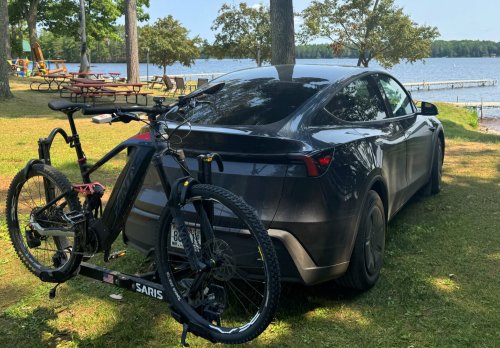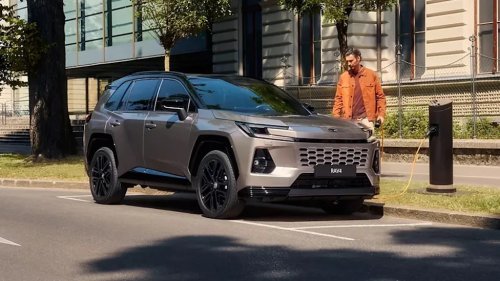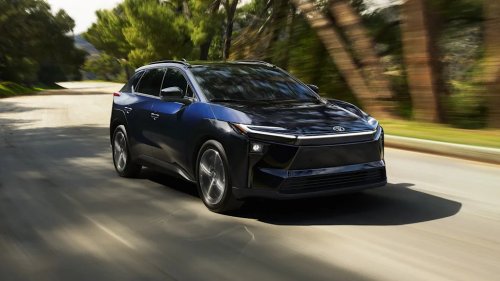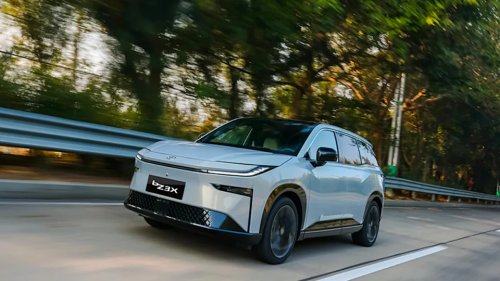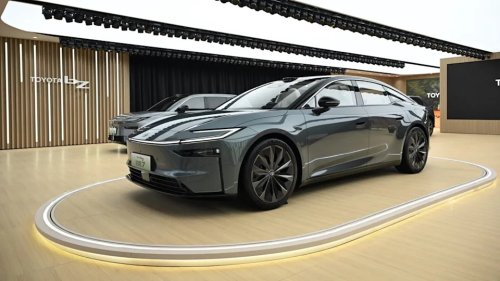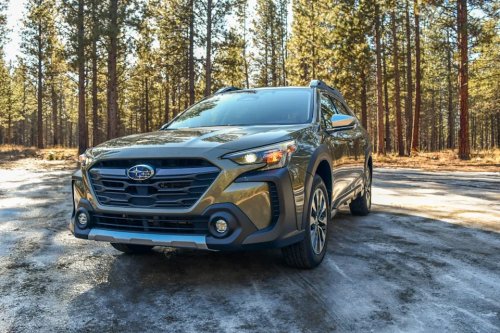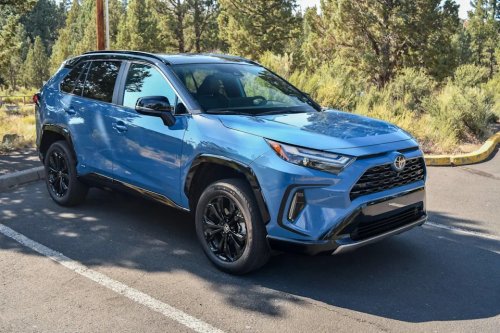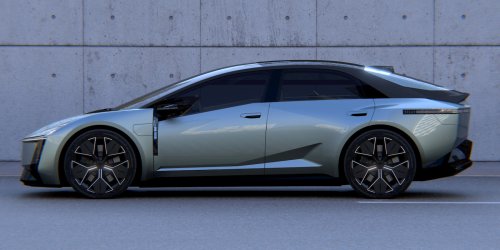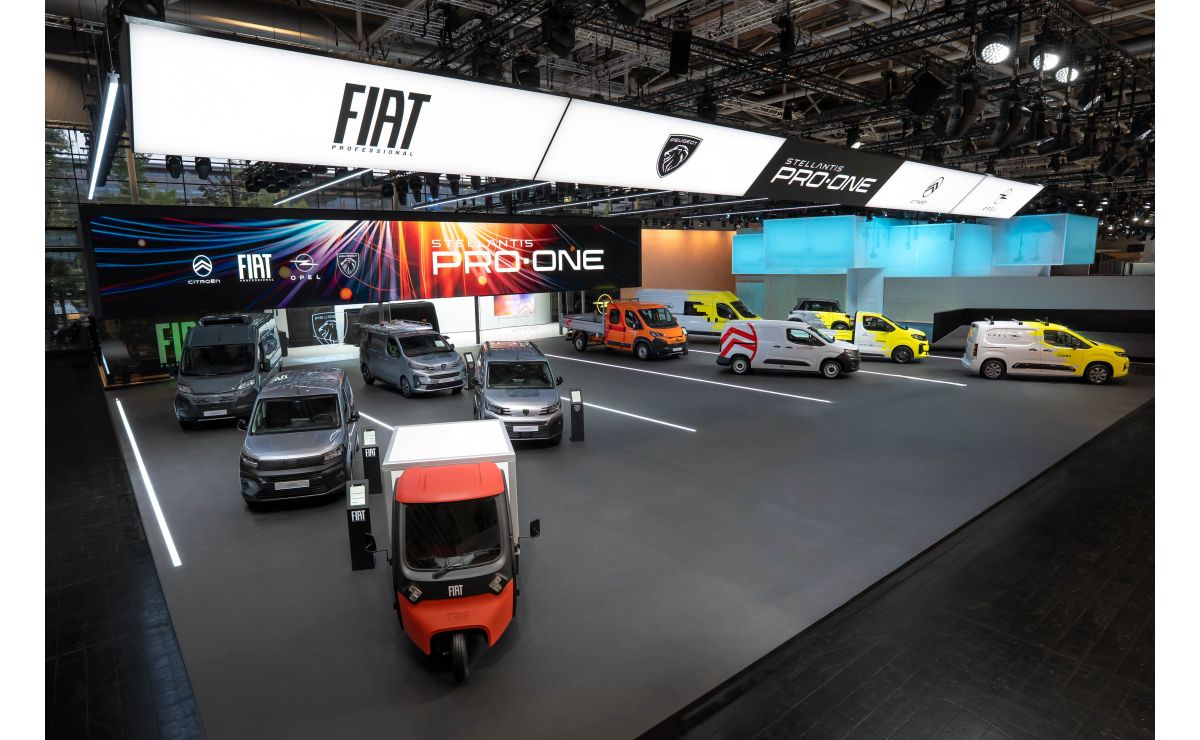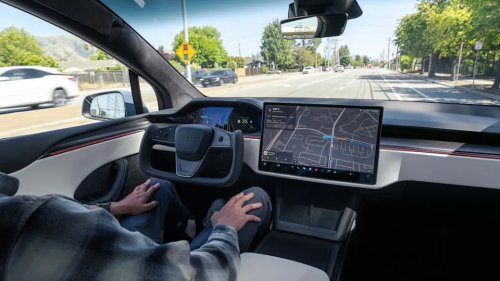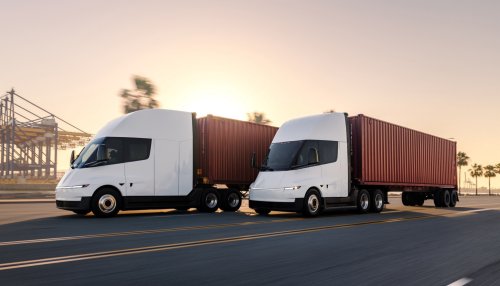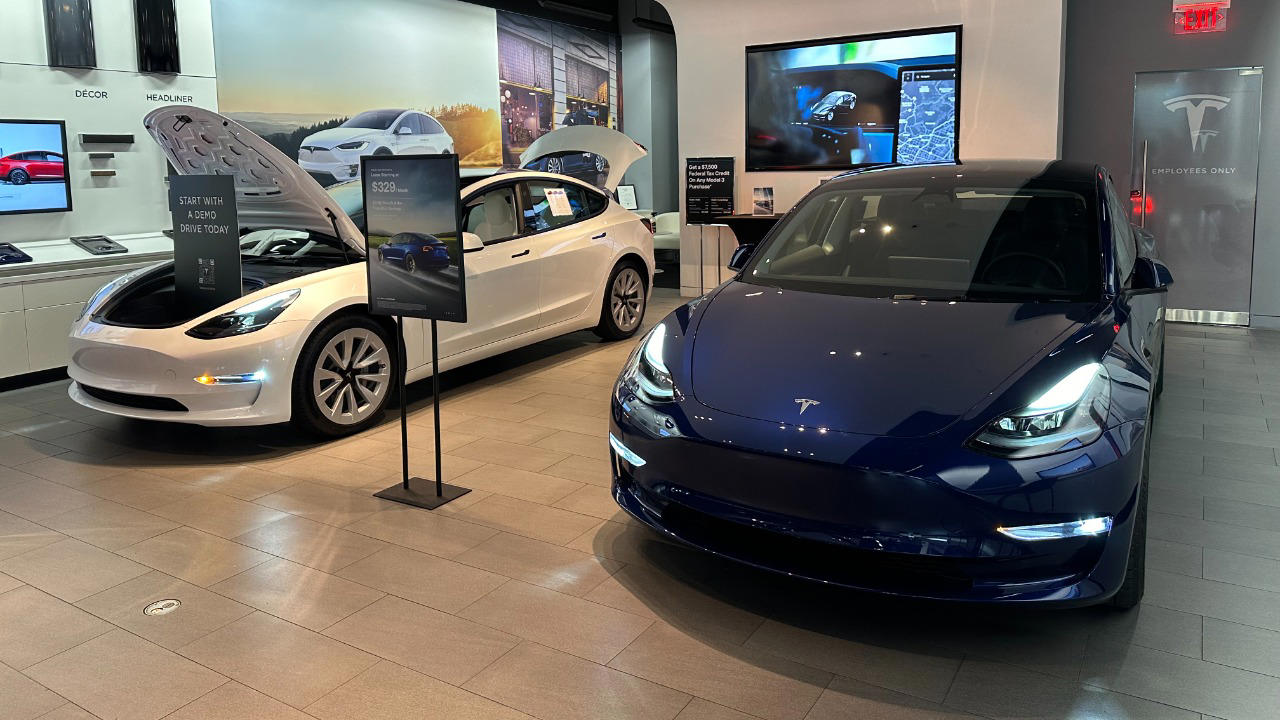



















Tesla’s lucrative business of selling emissions credits in Europe has entered a more challenging phase as Toyota and Stellantis walk away from its carbon-credit pooling deals. The loss of these heavyweight partners removes a major revenue stream just as traditional carmakers are finally selling enough low-emission vehicles to stand on their own. The shift not only dents Tesla’s financials but also underscores how European climate rules are reshaping the competitive balance between early electric leaders and fast-following incumbents. With Toyota and Stellantis stepping back from buying cover, Tesla must lean more heavily on its core vehicle business in a market where rivals no longer need its regulatory lifeline. How Tesla turned carbon credits into a profit engine Tesla built a substantial side business by selling regulatory credits to manufacturers that struggled to meet European fleet emissions rules. Companies such as Toyota and Stellantis, along with Mazda and Subaru, pooled their electric and hybrid sales with Tesla’s zero emission lineup so that their combined fleets met strict CO2 thresholds, a structure explained in detail in reporting on pooled emissions. In practice, this meant Tesla could monetize its surplus of clean-vehicle credits while its partners effectively paid a compliance fee instead of facing penalties or accelerating their own electric transitions. The scale of this business was significant. One analysis of Tesla’s financials highlighted that in a single quarter the company generated $692 million from selling regulatory credits, with the same report also describing the figure as $692 m, and that this revenue accounted for nearly 30 percent of net income for the period, according to a review of Tesla’s credit profits. Additional discussion among investors has pointed out that last year Tesla made around $2 billion from these credits globally and that this line represented a double digit percentage of its European sales, according to a detailed TLDR summary. Those figures underline why any shift in client demand for credits has an outsized impact on Tesla’s bottom line. Toyota and Stellantis walk away from the EU CO2 pool The latest blow comes from Toyota and Stellantis, which have both decided to withdraw from Tesla’s European CO2 pooling arrangements. Reporting on the change explains that Toyota and Stellantis are exiting Tesla’s EU pool after their own electric and hybrid sales improved enough to meet fleet emissions targets without outside help, a move that takes “billions” in potential future credit purchases off the table according to analysis of Toyota and Stellantis. The same coverage notes that the change was highlighted under the byline of Fred Lambert and that the story drew 89 Comments, while a photo of a New Tesla Model was used to illustrate Tesla’s position in this evolving market. Investor focused analysis frames the decision as a direct hit to Tesla’s revenue diversification strategy. One breakdown of the development describes the “Client Loss Impact” of Toyota and Stellantis stepping away from the pool and stresses that these manufacturers will not purchase credits from Tesla in Europe going forward, as set out in a report on Major Clients Exit. A separate discussion among Tesla investors characterizes the situation as a sign that several legacy automakers have achieved regulatory self sufficiency in Europe, which reduces their reliance on Tesla’s credits and leaves the company more exposed to fluctuations in its own vehicle demand. A pattern that started with FCA and spreads across the industry The departure of Toyota and Stellantis fits into a longer running pattern in which large carmakers gradually outgrow the need to buy Tesla’s credits. Earlier, FCA had been a major buyer of European CO2 credits from Tesla, but that relationship changed once FCA’s leadership concluded that its own fleet could comply. In a notable statement, Tavares said, “Thus, we will not need to call on European CO2 credits, and FCA will no longer have to pool with Tesla or anyone,” a line that encapsulated the strategic shift and was reported in coverage of FCA and Tesla. That declaration signaled that once traditional automakers scale their own electric offerings, the economic logic of buying credits erodes quickly. Commentary on Tesla’s broader financial picture has also connected the decline in credit dependence among rivals to pressure on Tesla’s core business. One analysis noted that Tesla’s sales in some regions were falling to the point that the cash it rakes in from carbon credits risked overshadowing profits from vehicles, particularly as more manufacturers such as Toyota, Stellantis, Mazda, and Subaru had joined pooling arrangements in earlier years, as described in coverage of Tesla sales and. As those same companies now improve their own CO2 performance, they are effectively closing a chapter in which Tesla could count on them as recurring customers for regulatory relief. What the loss of credit buyers means for Tesla and climate policy The immediate consequence of Toyota and Stellantis leaving Tesla’s EU CO2 pool is financial, since it removes a predictable stream of high margin revenue that had helped smooth out volatility in car sales. Investor oriented analysis warns that this “Client Loss Impact” forces Tesla to compete more directly on product strength and pricing at a time when rivals are rapidly expanding their electric lineups, as highlighted in the detailed credit revenue assessment. Commentary from a widely viewed discussion on carbon credit “scores” has described Elon Musk’s arrangements with other automakers as “dirty deals” in the sense that they allowed slower moving companies to buy time instead of cutting emissions at the source, a criticism aired in a video on Elon’s dirty deals. As those deals unwind, Tesla loses income, but the climate policy objective of pushing every manufacturer to clean up its own fleet is arguably being met. More from Fast Lane Only Unboxing the WWII Jeep in a Crate 15 rare Chevys collectors are quietly buying 10 underrated V8s still worth hunting down Police notice this before you even roll window down