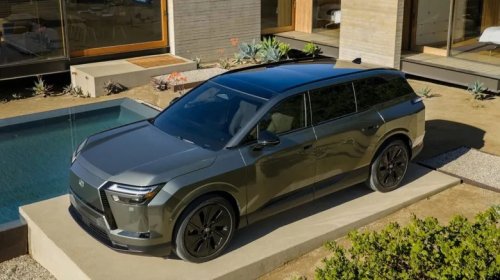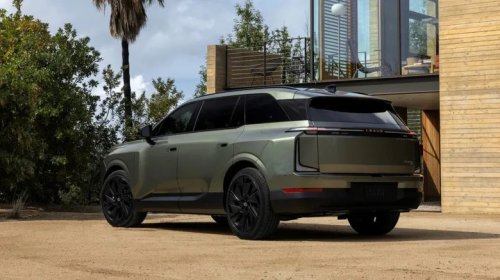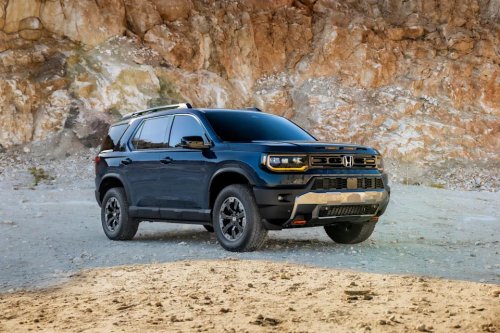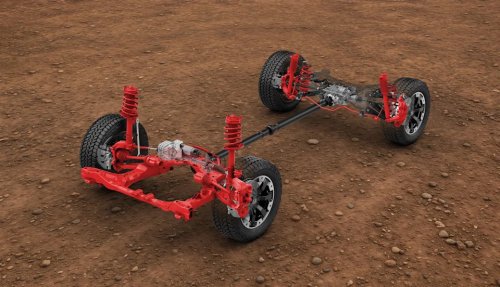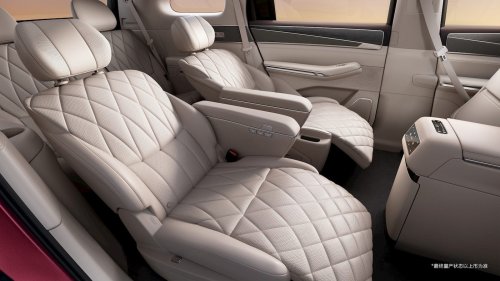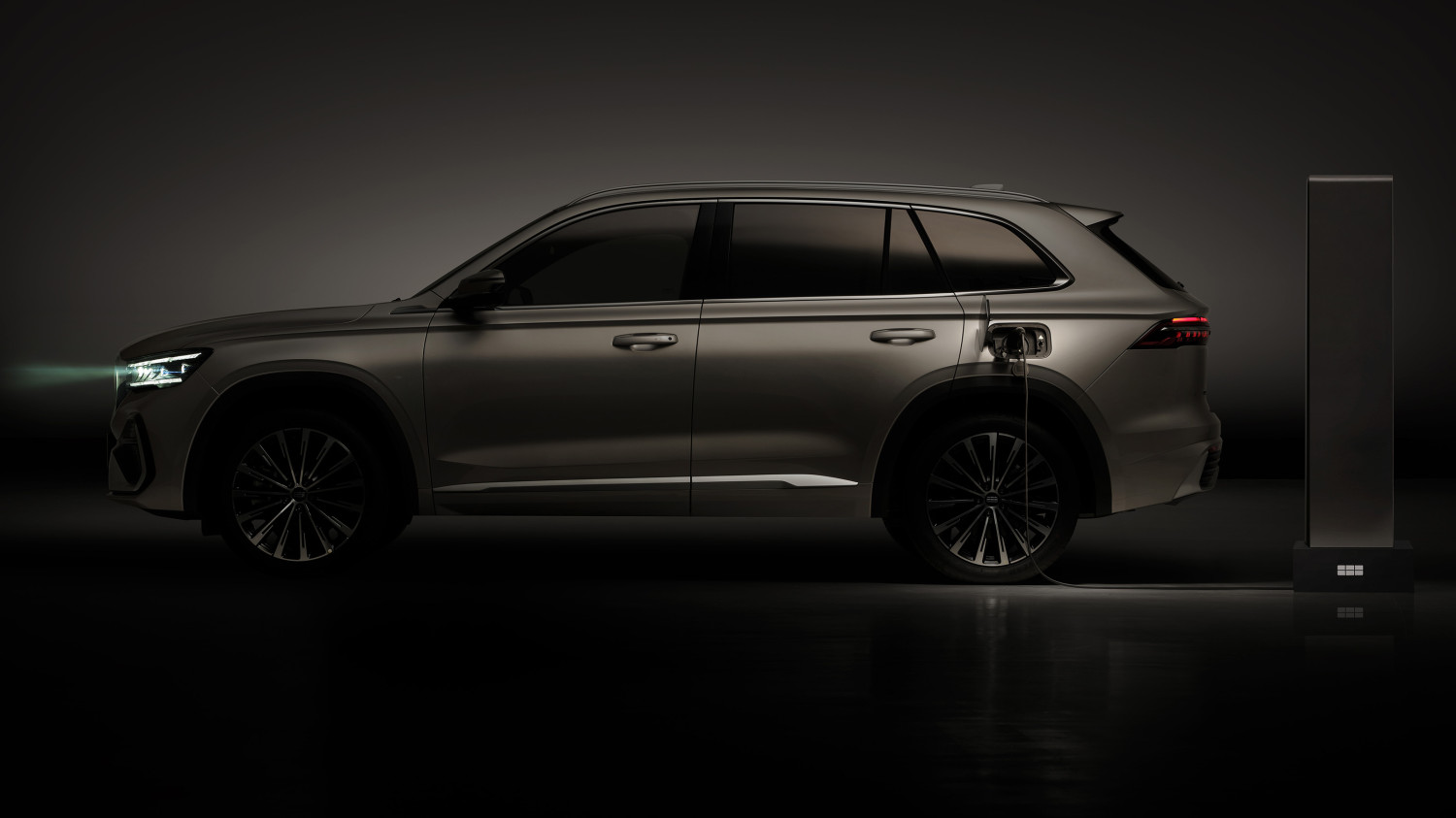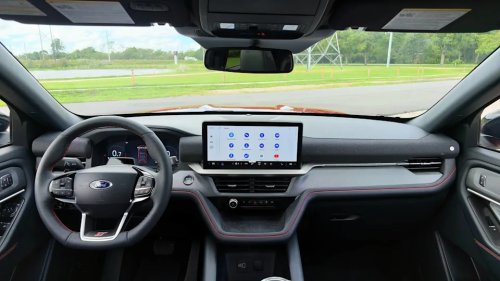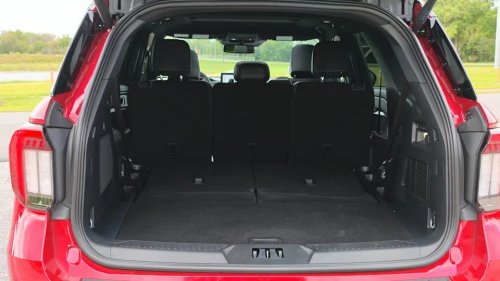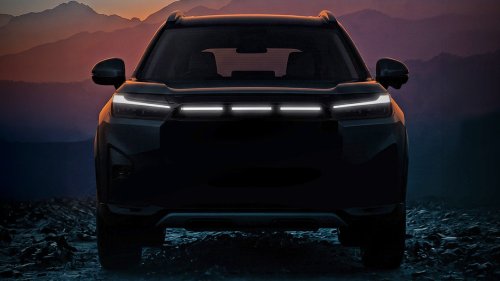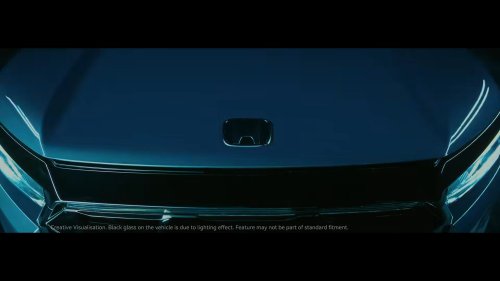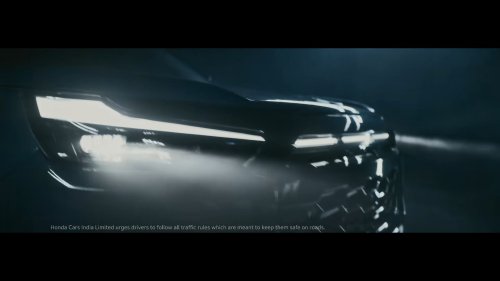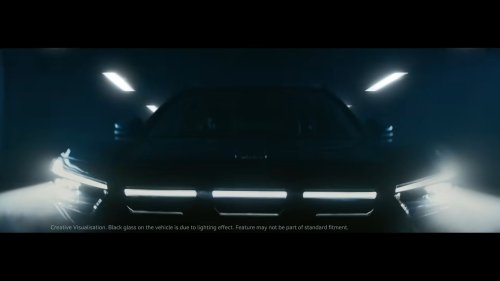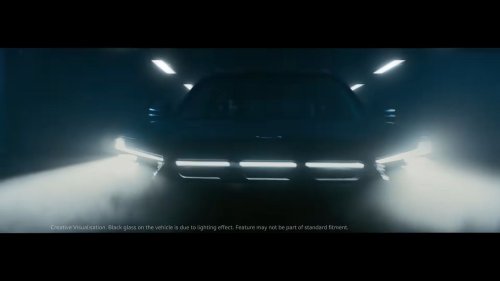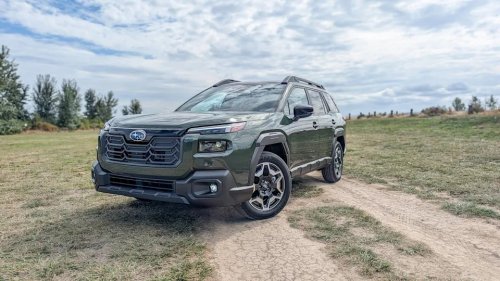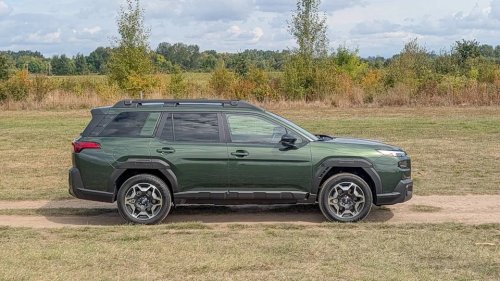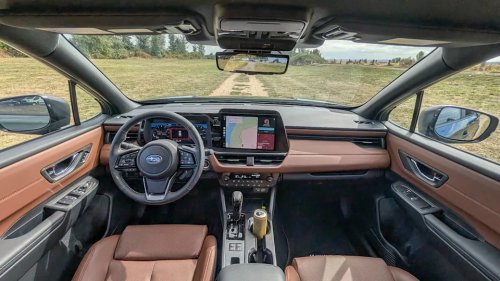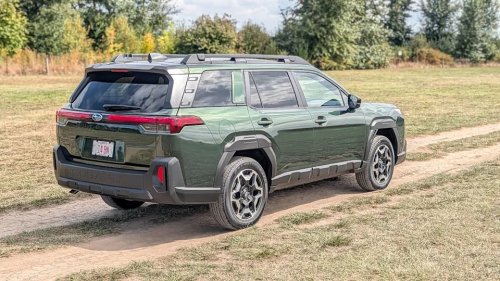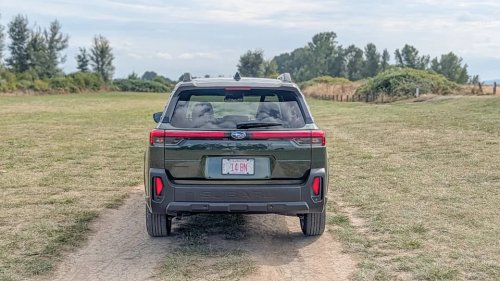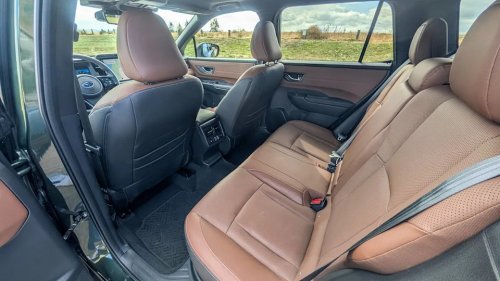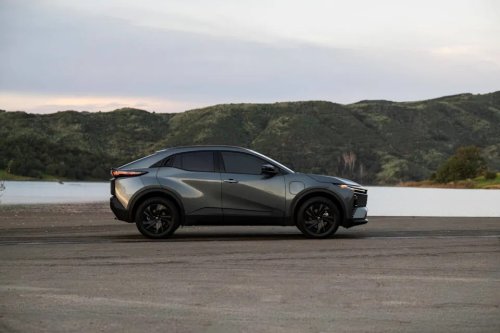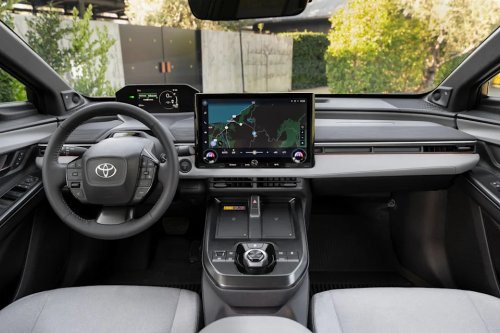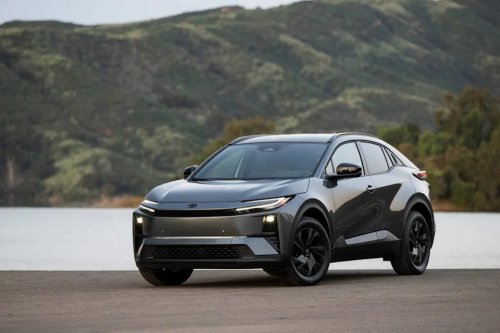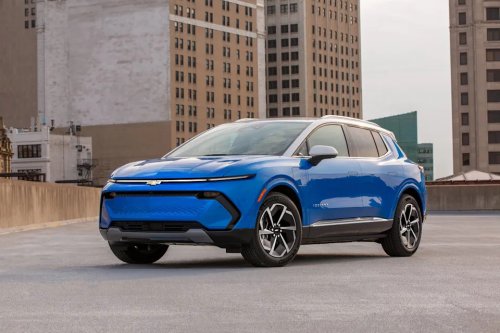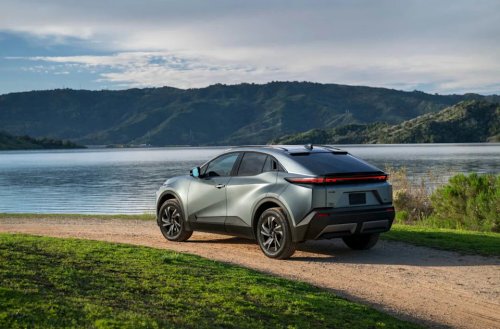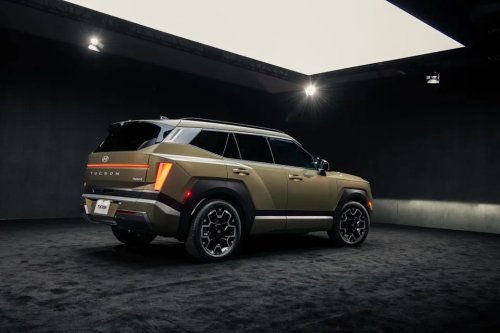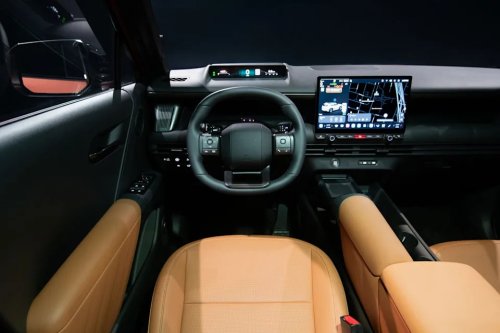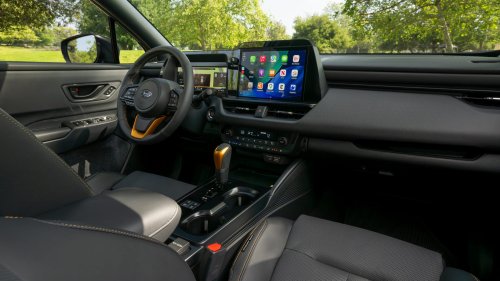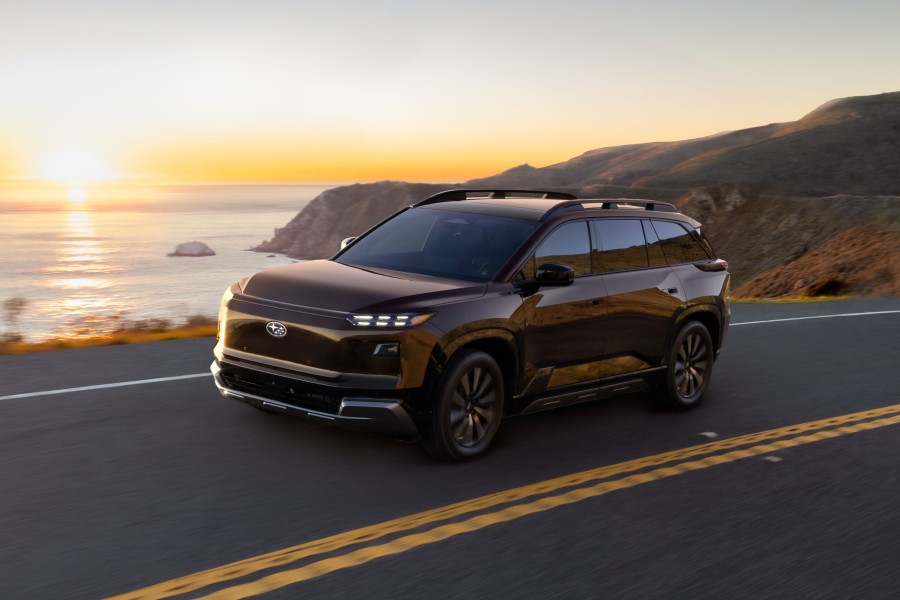





















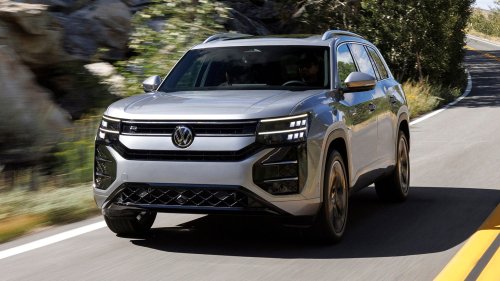
Image: SubaruSubaru has traditionally aligned its electric models closely with Toyota, and this remains the case for the new Getaway, a battery-electric SUV with seating for up to seven, designed for the US market. Like the Toyota Highlander, unveiled in February, the Getaway is expected to be based on Toyota’s modified TNGA-K architecture. The platform, originally designed for internal combustion engines, has been adapted to accommodate a large high-voltage battery. Both sister models feature batteries with capacities of 77 or 95.8 kWh. However, Subaru uses its own all-wheel-drive system.The Japanese manufacturer states a range of up to 480 kilometres, though this is still a preliminary figure. The all-wheel-drive model’s maximum system output is rated at 309 kW (originally specified as 420 PS), significantly surpassing the Toyota Highlander’s maximum of 249 kW. No other powertrain options are mentioned – while Toyota, for example, also offers a front-wheel-drive version. Subaru specifies a charging capacity of 150 kW, which is relatively modest for a 96 kWh battery. As a result, charging from 10 to 80 per cent takes around 30 minutes. To achieve this, both battery variants feature battery preconditioning. The charging port uses the NACS system, now standard in the US, and is located on the front passenger side between the door and the front wheel.Subaru has opted for a clean, minimalist front design for the exterior, while the interior features distinctly elegant lines. The seating configurations in the three-row SUV are designed to be flexible, accommodating up to seven passengers. The infotainment system is controlled via a 14-inch multimedia touchscreen, and, like the Toyota Highlander, a 12.3-inch cockpit display is included. Subaru particularly emphasises the SUV’s 21 centimetres of ground clearance and off-road capability. Additionally, the model supports a towing capacity of up to 1,588 kilogrammes.Subaru highlights that the Getaway was developed in collaboration with Toyota. The market launch in the US is scheduled for late 2026. Meanwhile, at the end of 2025, the manufacturer announced plans to reduce its investments in battery-electric vehicles and redirect more resources towards hybrid models in the future. While the collaboration with Toyota on battery-electric SUVs will continue, Subaru is reportedly reviewing the timeline for its planned in-house development of further electric models.subaru.co.jp, media.subaru.com