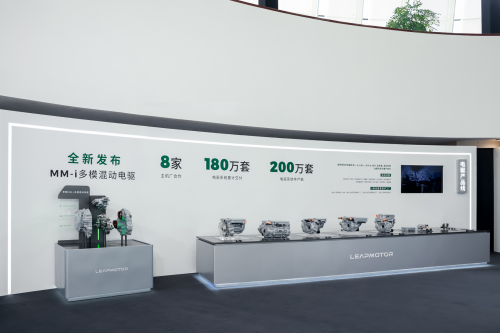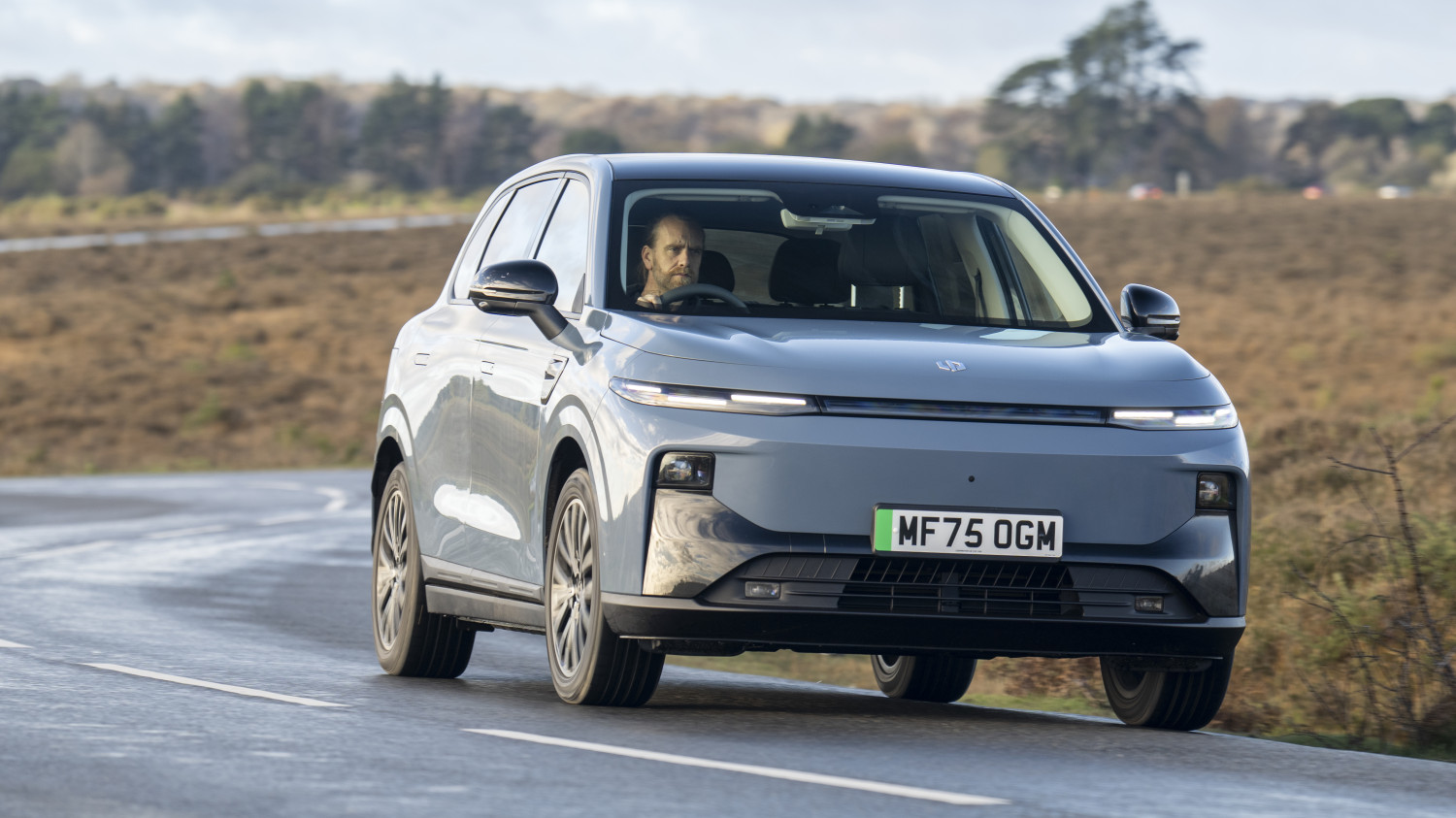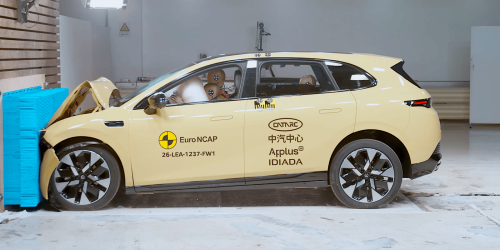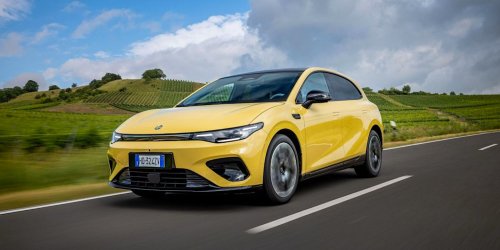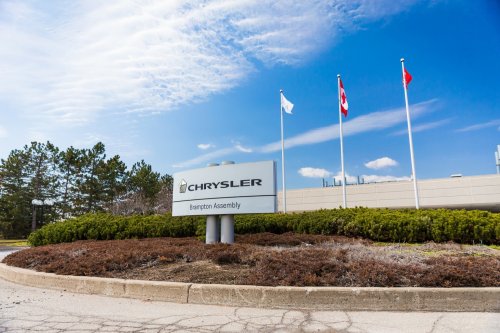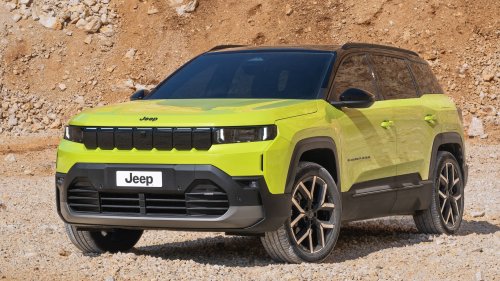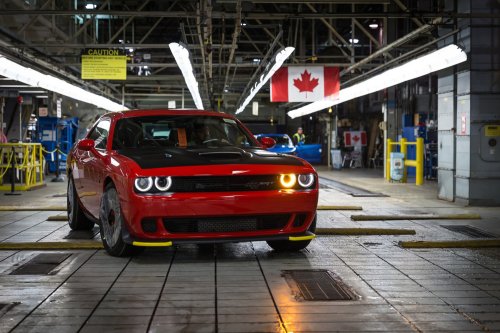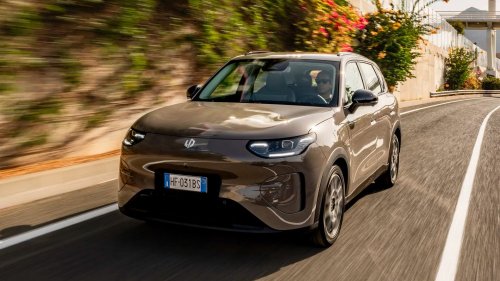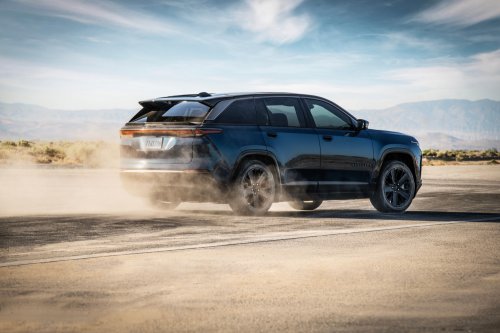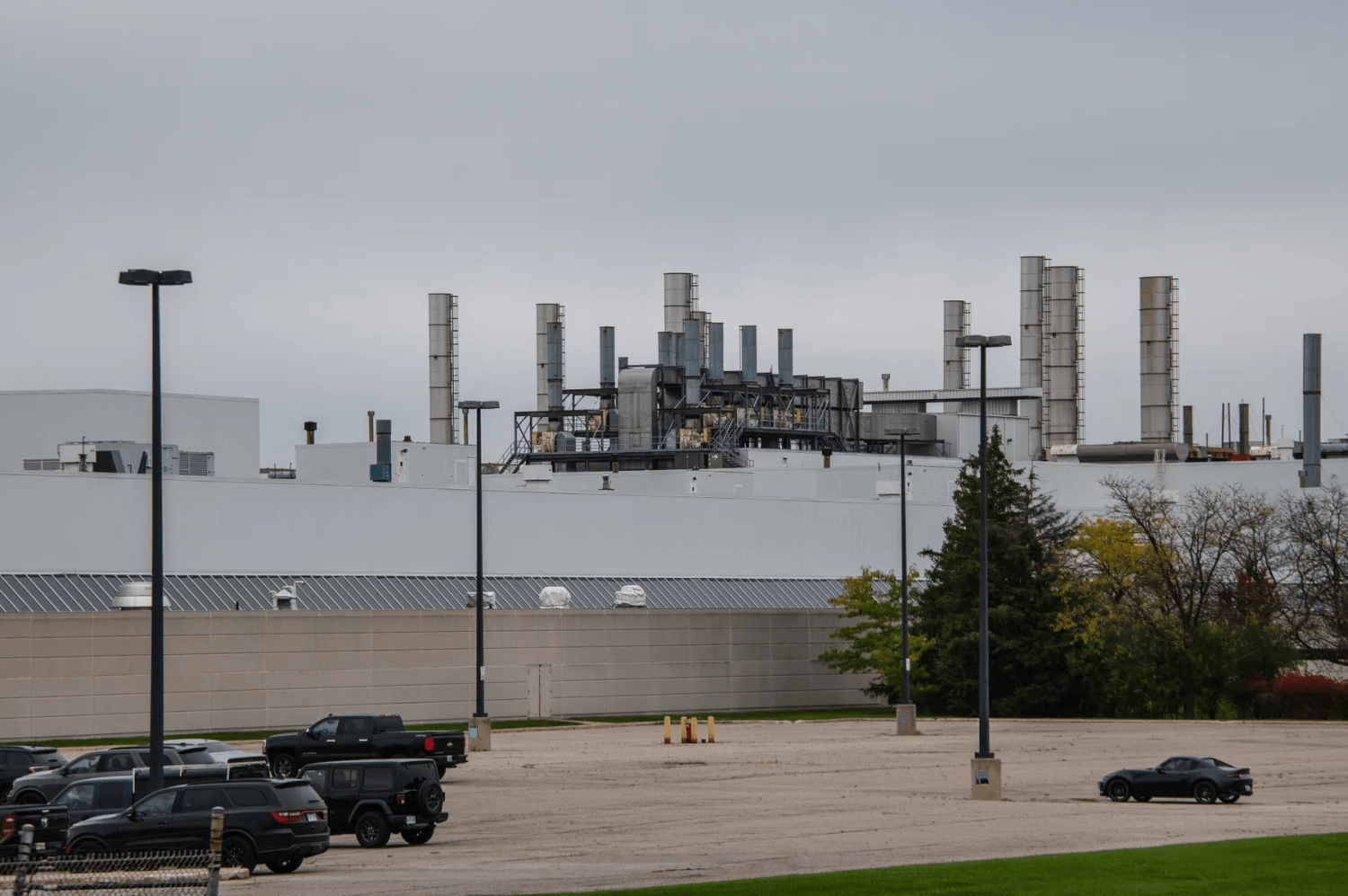
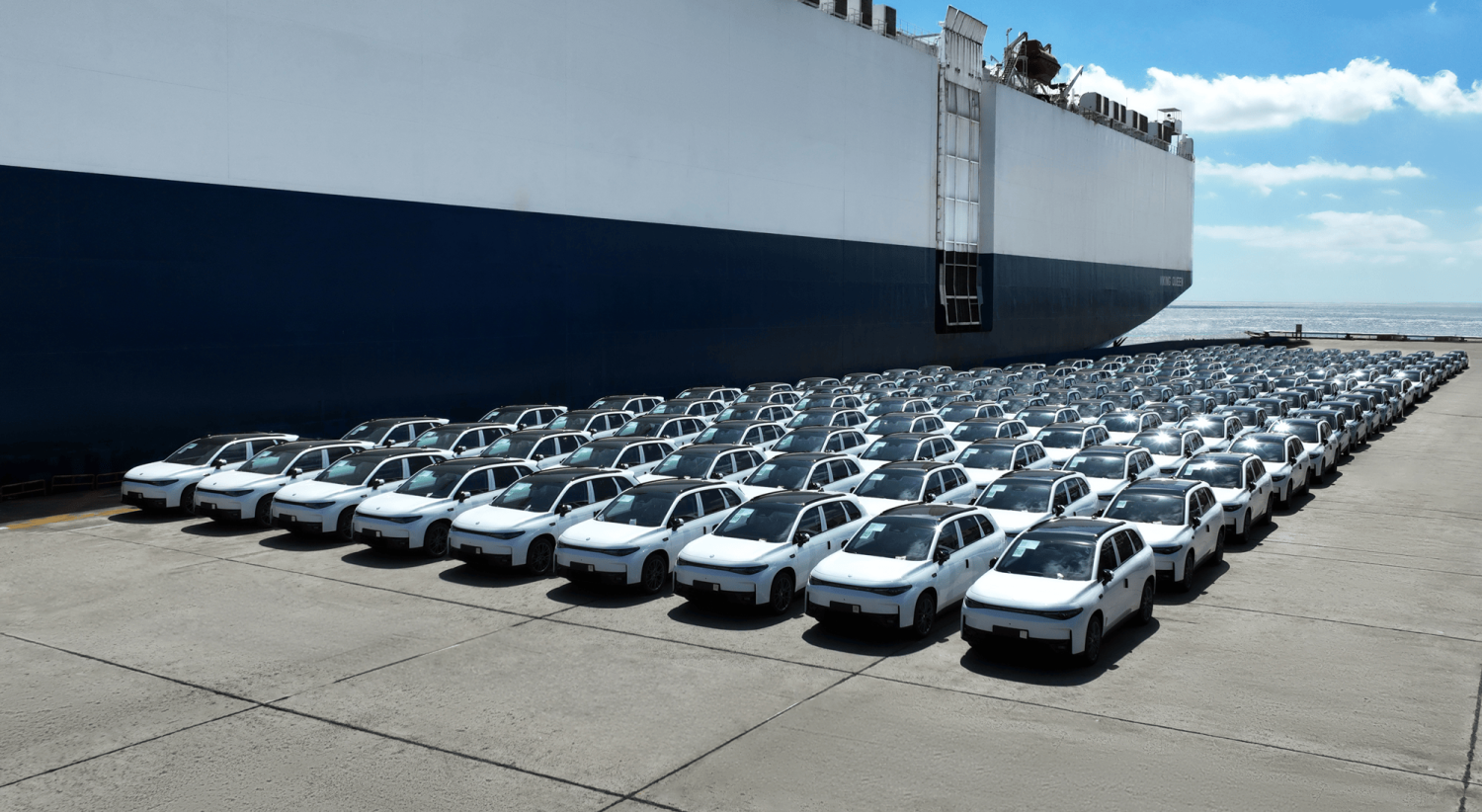




















Stellantis is in early-stage discussions with its Chinese partner Leapmotor on the possibility of producing electric vehicles in Canada, accoding to Bloomberg report, citing people familiar with the matter. The talks are focused on an idled assembly plant in Brampton, Ontario. The facility, which has been in operation for nearly 40 years, was originally scheduled to resume production in 2025 after upgrades, with plans to build the Jeep Compass. Stellantis idled assembly plant in Brampton, Ontario However, after the U.S. government imposed tariffs on Canadian goods, Stellantis adjusted its North American production strategy, relocating the model to Illinois and suspending the Brampton plant upgrade. The move triggered dissatisfaction from the Canadian government. Stellantis had previously committed to maintaining local production in exchange for financial support. After the project was paused, Canadian authorities threatened to reclaim subsidies. Both sides entered a dispute resolution process in November last year to push for a restart. Against this backdrop, bringing in Leapmotor has emerged as a potential option. In 2023, Stellantis acquired a 21% stake in Leapmotor for about $1.6 billion and established Leapmotor International, a joint venture majority-owned (51%) by Stellantis to handle overseas production and sales. Leapmotor International ships the first batch of Leapmotor EVs from China to Europe Under existing plans, Leapmotor International is set to begin production of an electric SUV at a plant in Spain this year, with batteries supplied by a joint venture between Stellantis and CATL, and some components sourced from the Sino-Spanish JV Lieder Automotive. The two sides are also planning to expand production in Brazil and Malaysia, initially using a completely knocked-down (CKD) assembly model, with core vehicle manufacturing completed in China and final assembly carried out overseas. In comparison, the potential Canada project presents greater complexity. Local authorities have made clear that any new investment must prioritize domestic labor and supply chains. Leapmotor C10 exported to Europe via Leapmotor International Labor unions have also expressed caution toward Chinese automaker involvement, particularly opposing assembly-only models. The report noted that it remains unclear what conditions the project would face in Canada, with discussions still at an early stage and no final decision reached. Adding to the uncertainty, U.S. Ambassador to Canada Pete Hoekstra recently suggested that Chinese-made EVs entering Canada under reduced tariffs could potentially be blocked at U.S. border entry points. Details of implementation remain unclear, but any transit restrictions or certification barriers could directly affect the feasibility of the project.