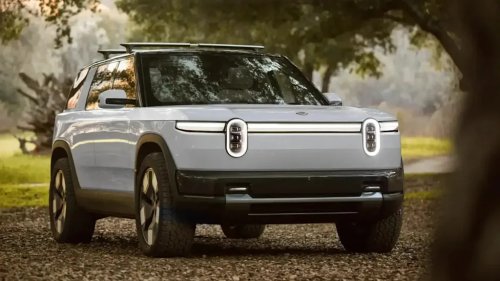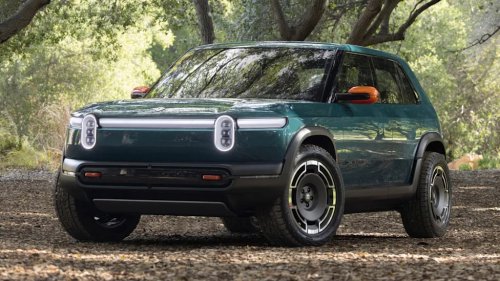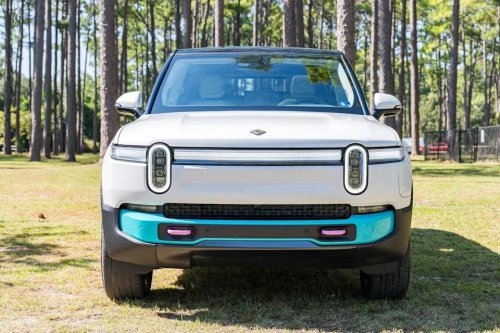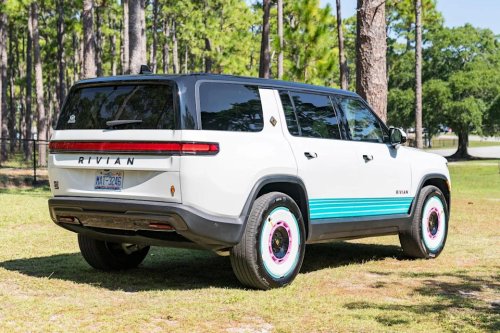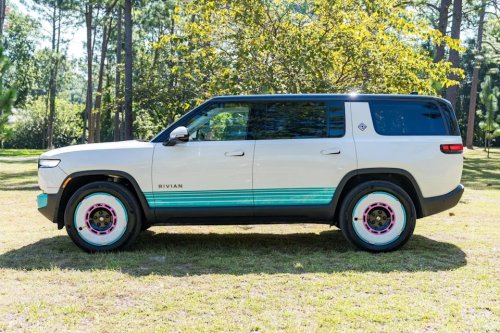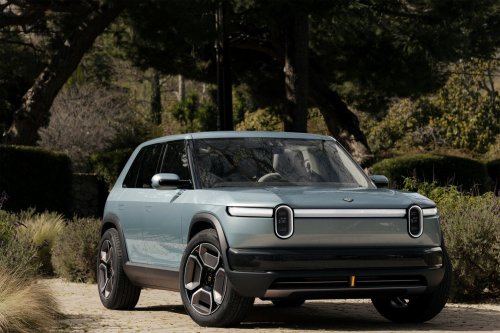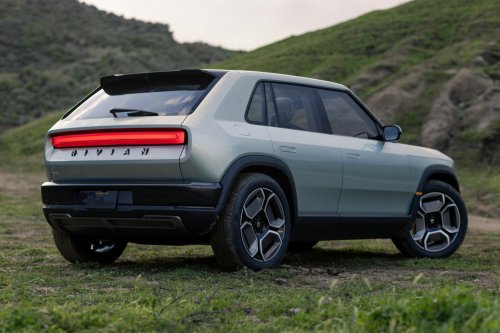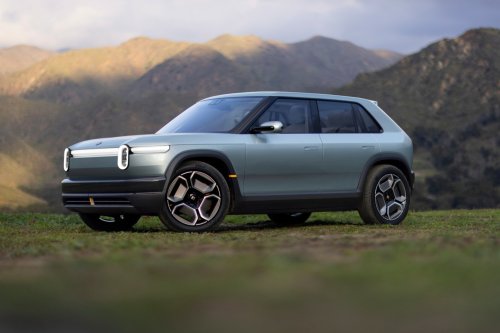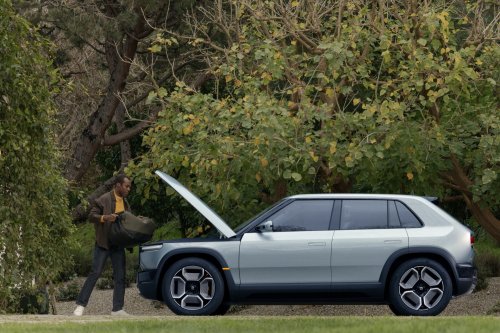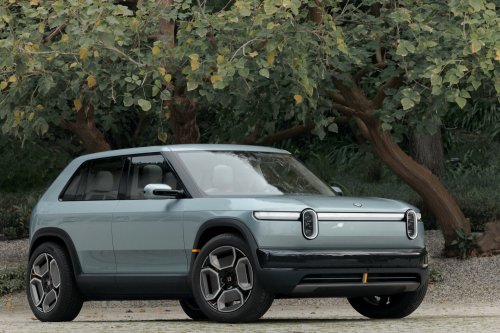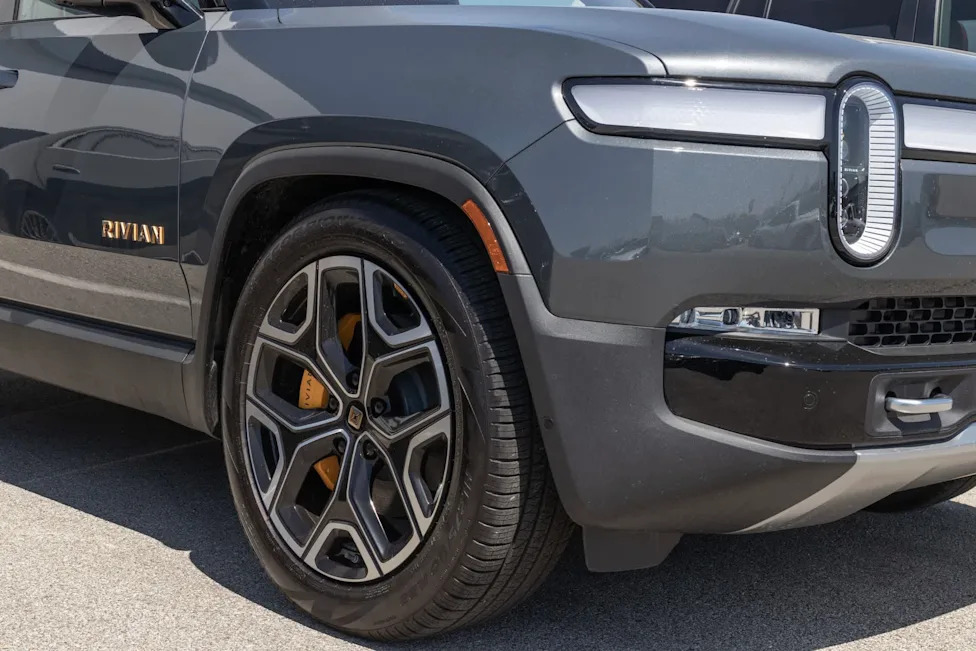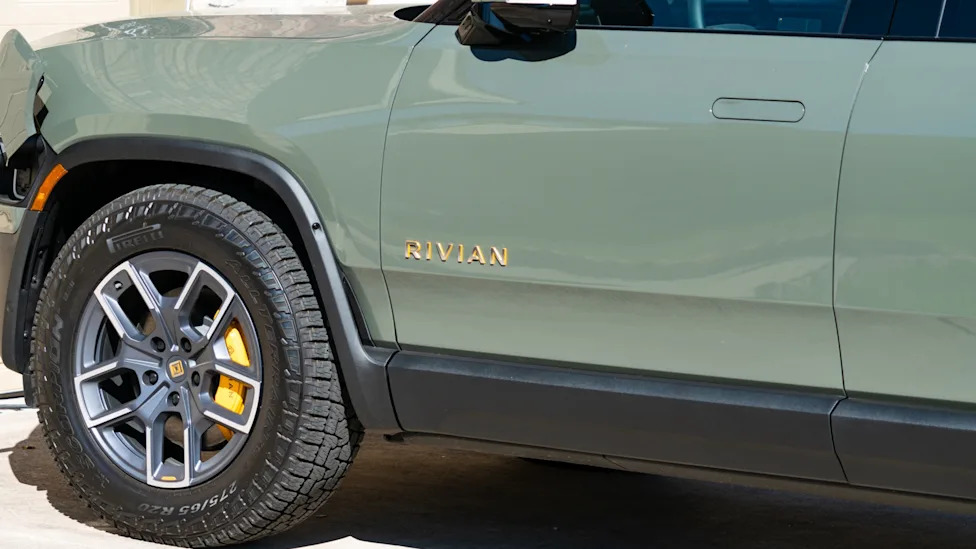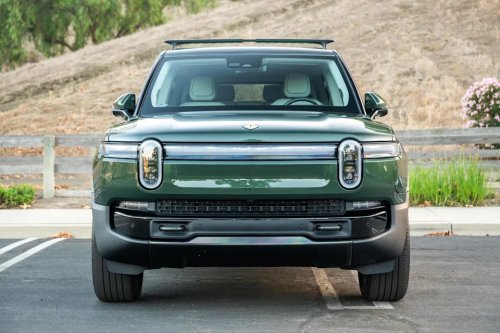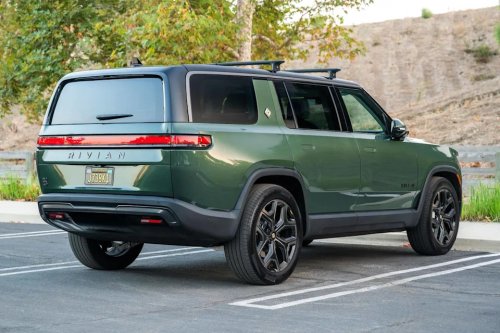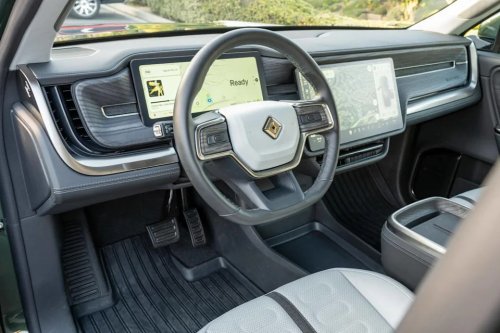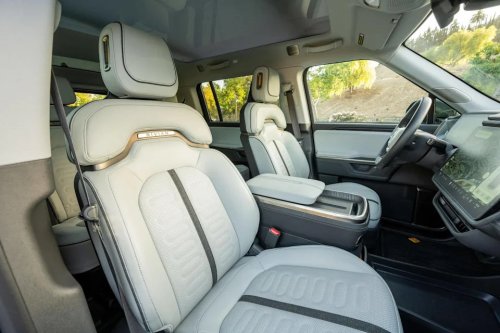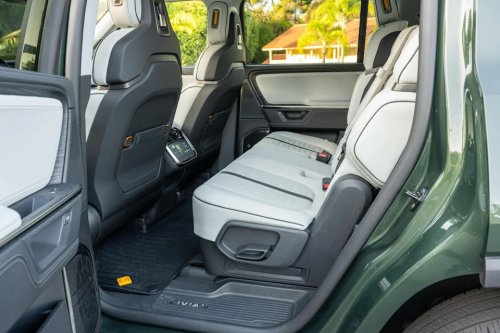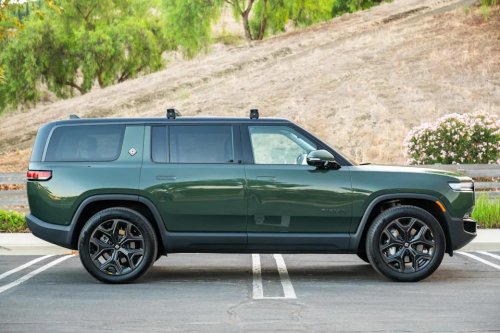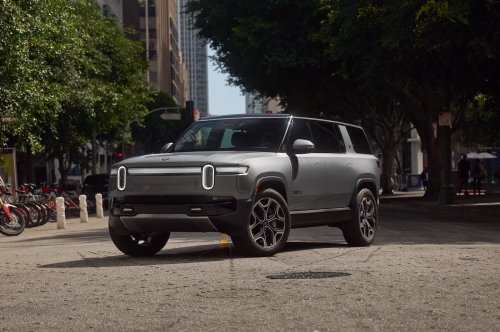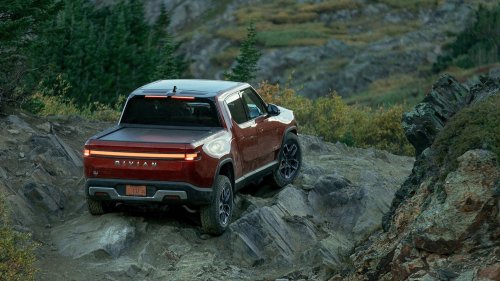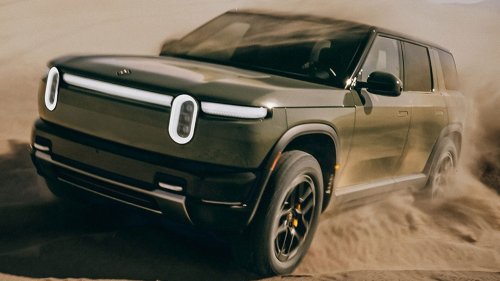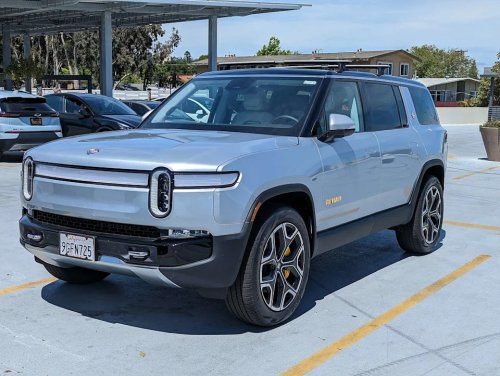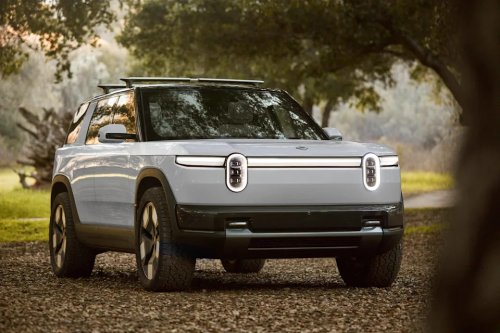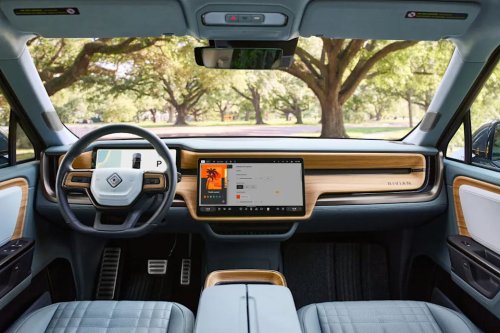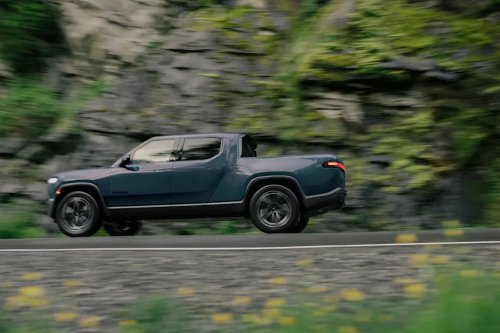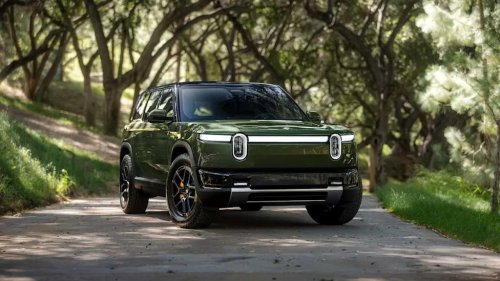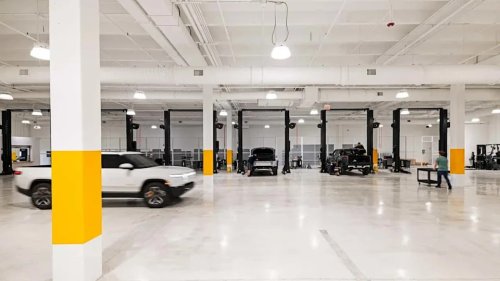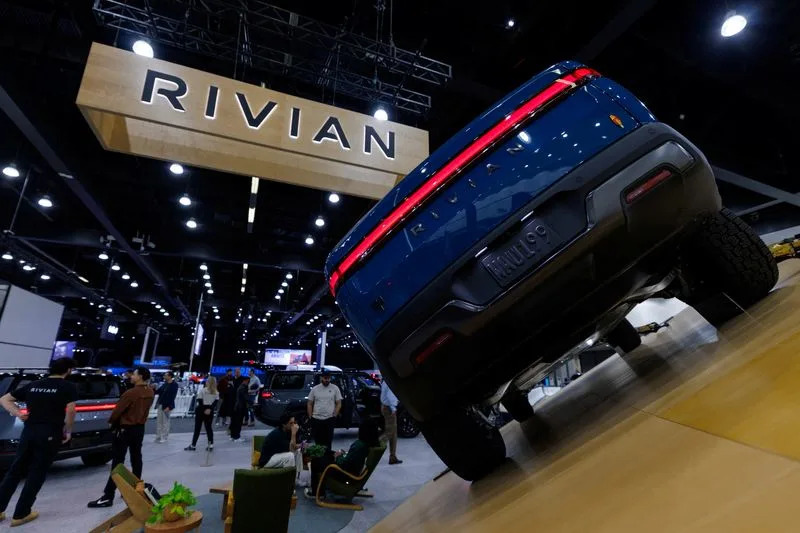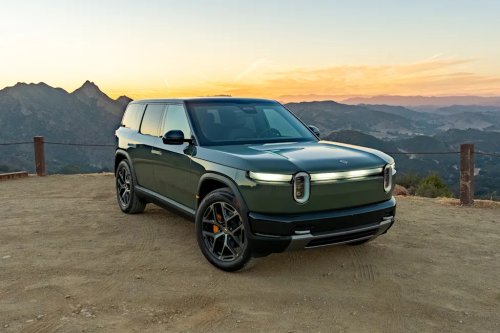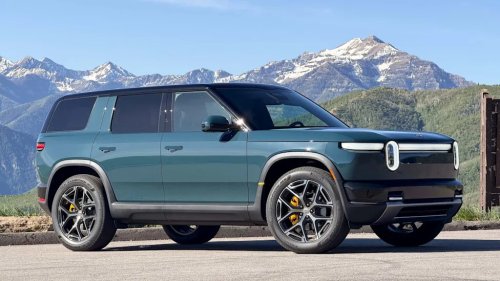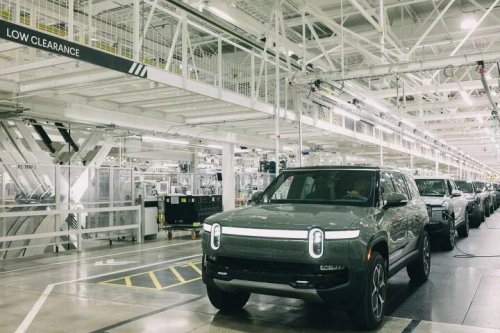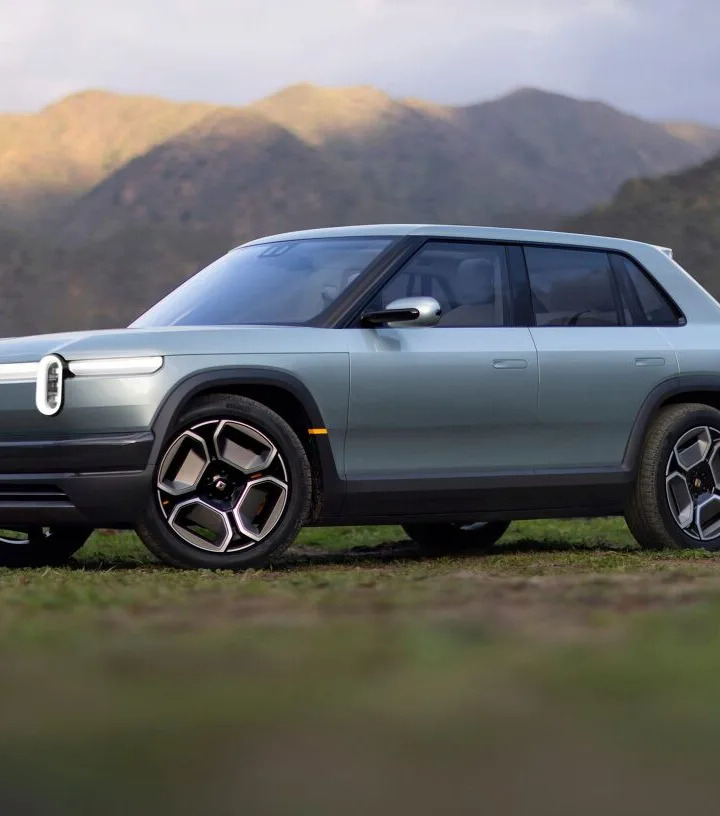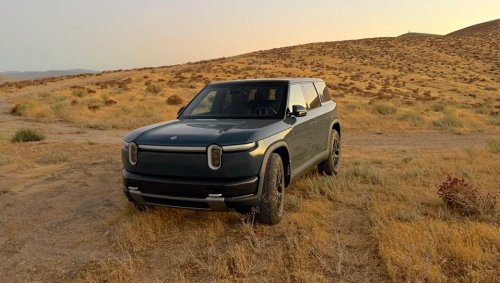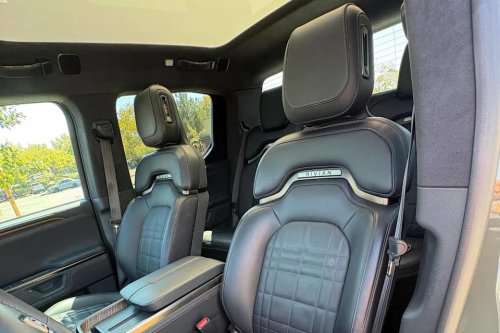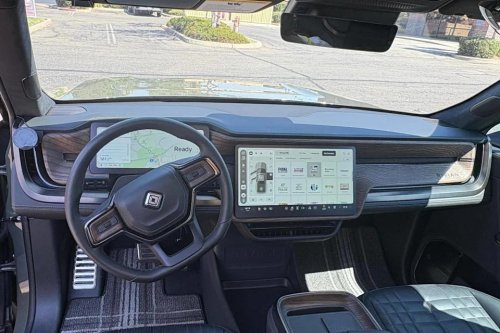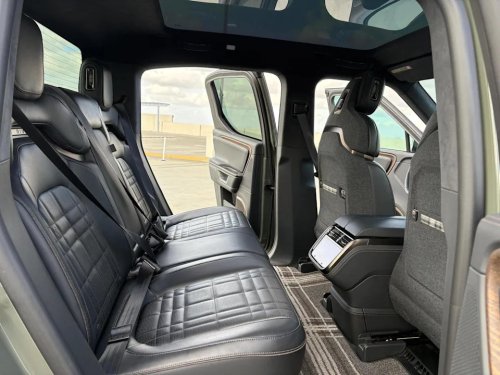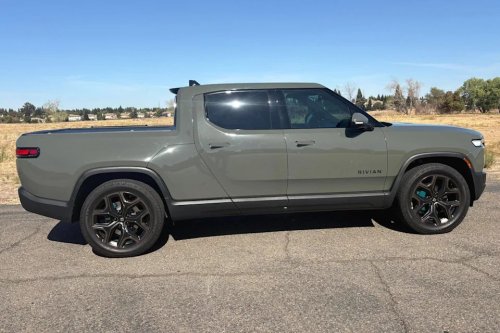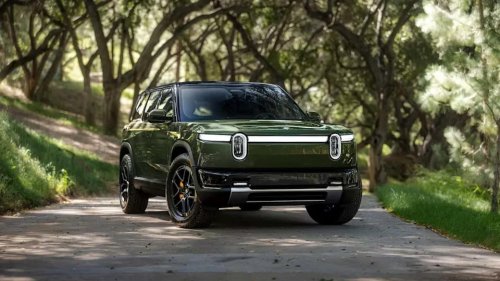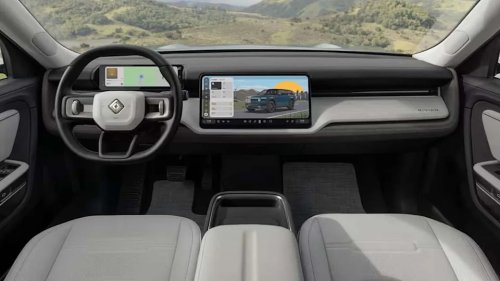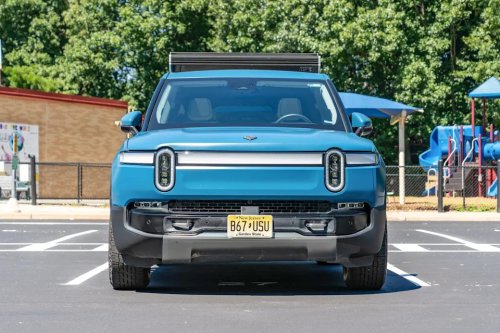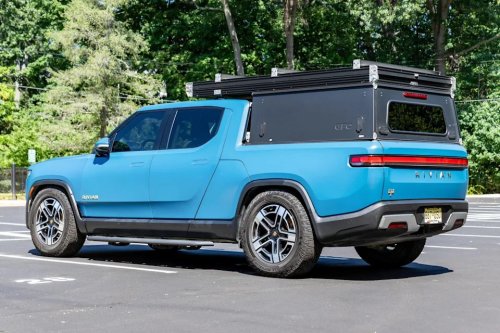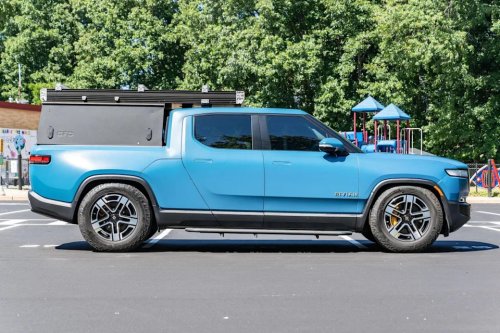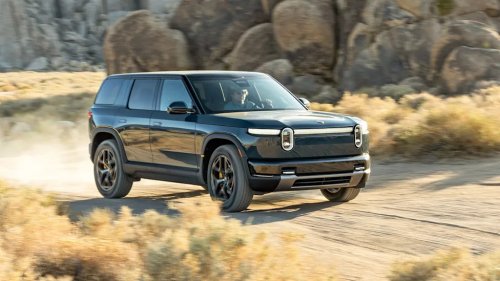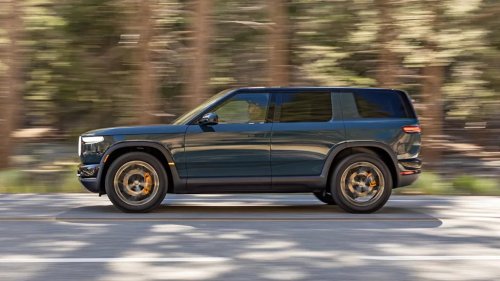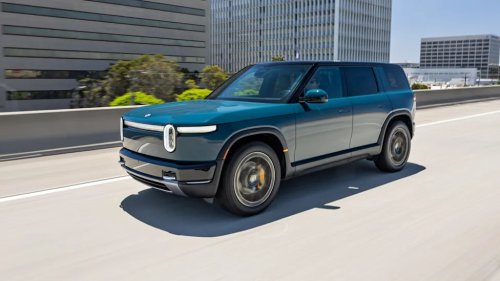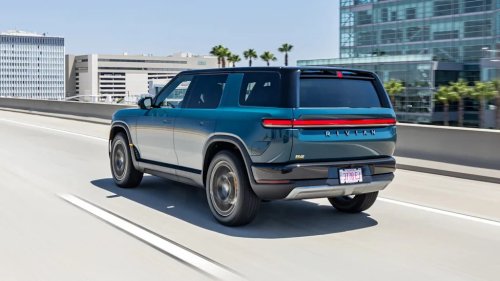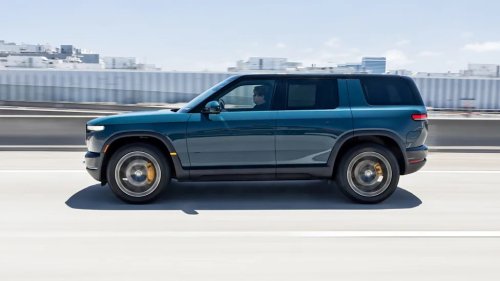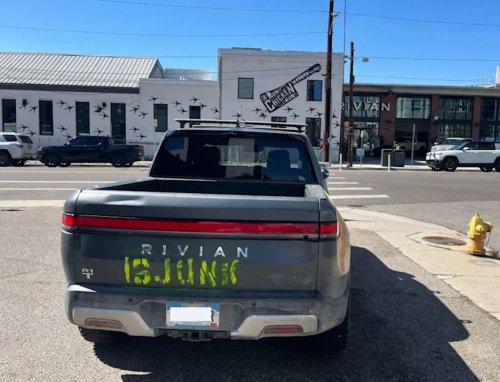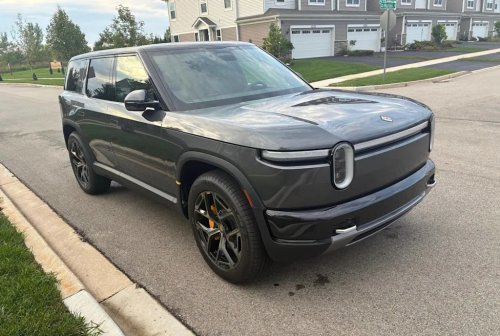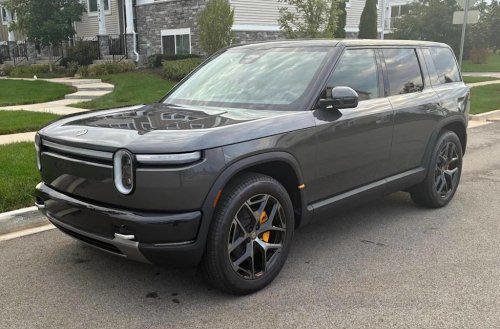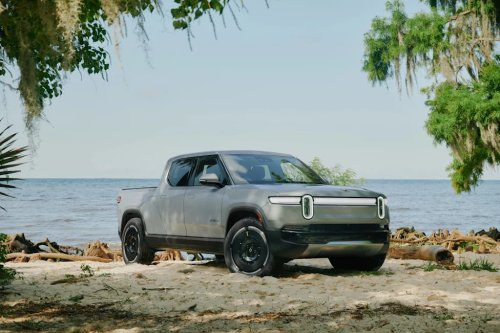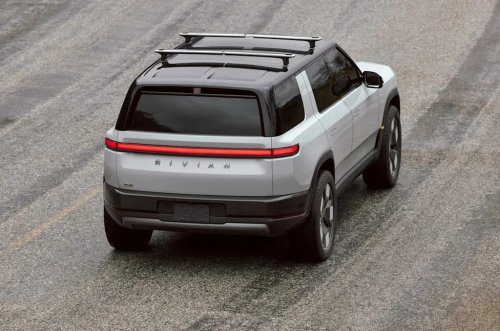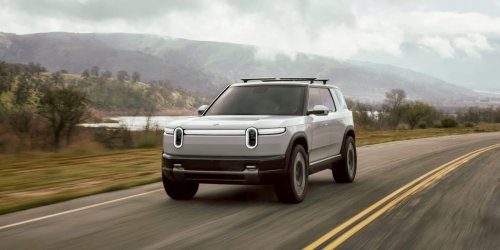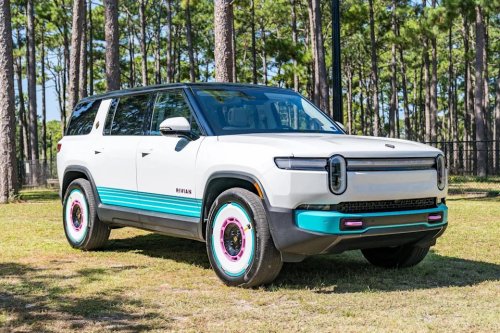
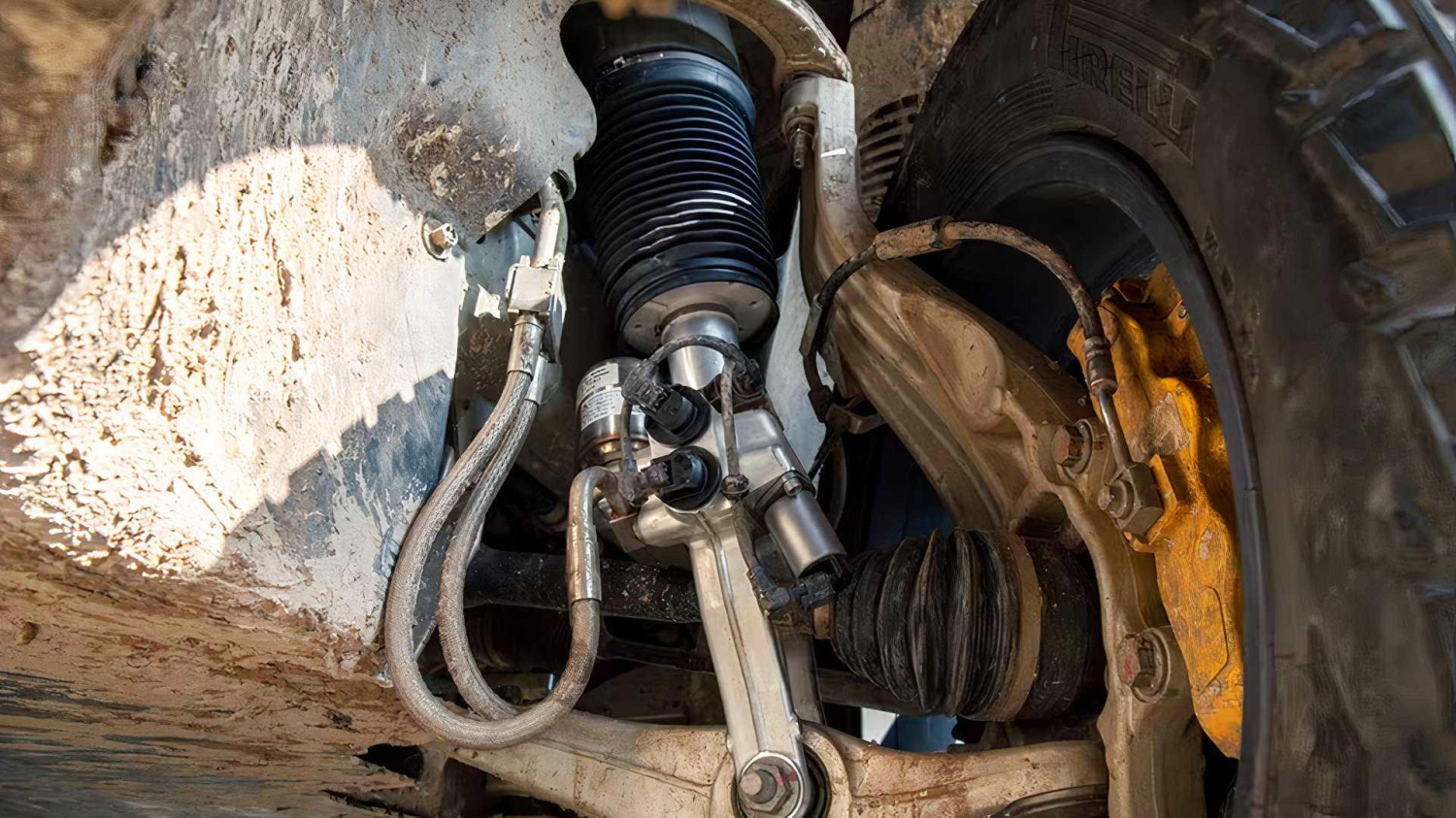
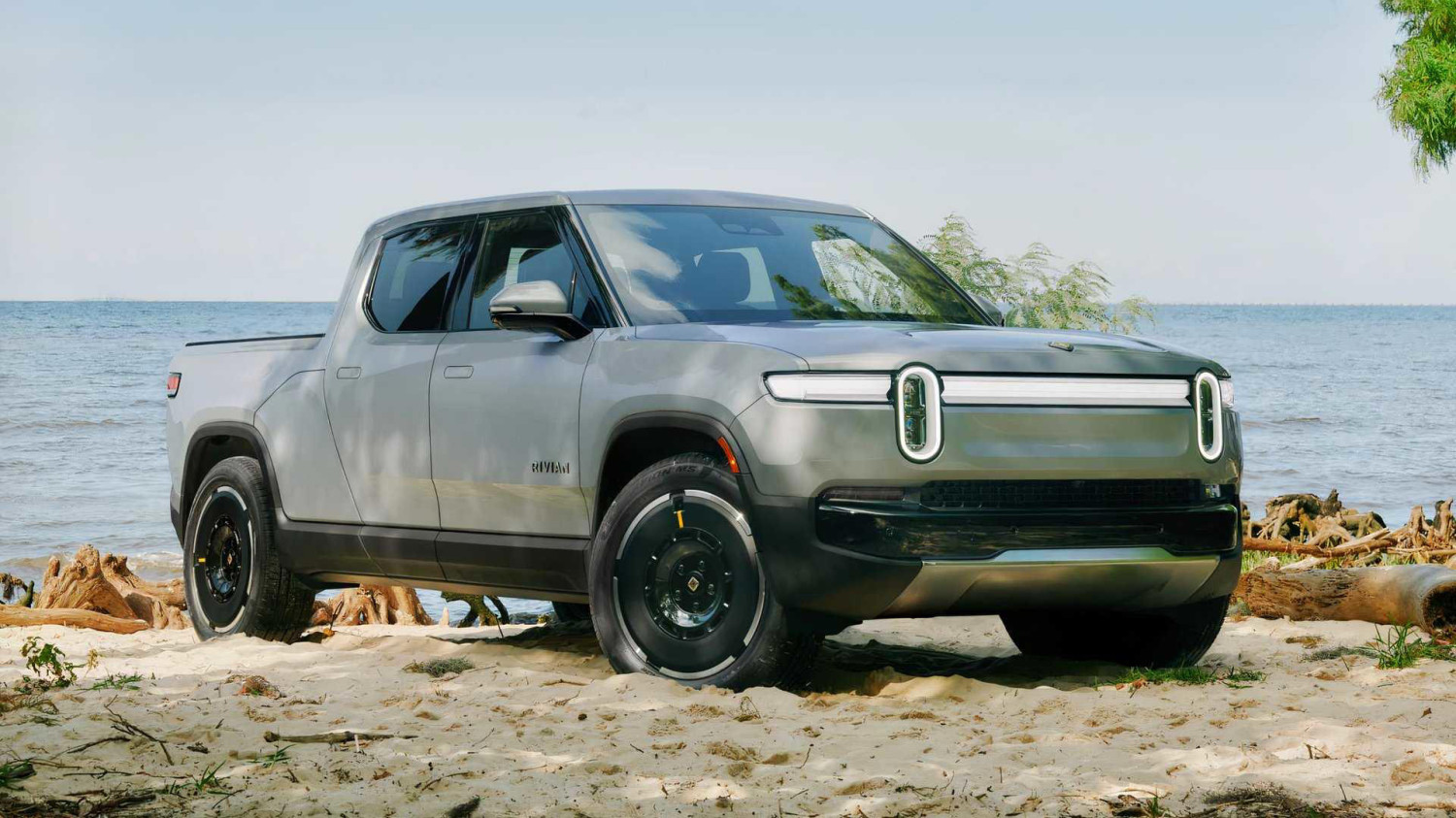



















Federal safety regulators are now investigating more than 114,000 Rivian vehicles over a suspension issue that could potentially cause drivers to suddenly lose control for owners of the electric pickup trucks and SUVs, the details are serious enough to demand attention.On May 28, 2026, the National Highway Traffic Safety Administration officially opened a preliminary investigation into Rivian R1T and R1S models over potential rear toe link failures, a suspension component issue that can dramatically affect how the rear wheels behave under load. While no recall has been issued yet, NHTSA does not open investigations involving more than 100,000 vehicles lightly, especially when the reported issue centers around vehicle stability and loss of control. Rivian Trucks Could Suddenly Become Unstable At Highway Speeds IIHSThe rear toe link is one of those components most drivers never think about until something goes wrong. Its job is to control rear wheel alignment and keep the vehicle stable while braking, cornering, or changing direction. When the component begins failing, the vehicle can start behaving unpredictably.According to the investigation details, symptoms linked to a potential toe link issue can include rear-end wandering, instability during turns, sudden changes in handling balance, excessive sensitivity to crosswinds, and unusual movement from the rear suspension. In more severe cases, the rear of the vehicle can unexpectedly shift or step out during emergency maneuvers. On a sports car, that would already be concerning. On a 7,000-plus-pound electric truck or SUV, it becomes significantly more serious. The investigation currently covers 114,922 Rivian R1T and R1S vehicles, making this one of the largest federal safety probes Rivian has faced since the brand entered large-scale production. The Investigation Could Become Much Bigger YouTube Right now, the probe remains in its preliminary phase, meaning NHTSA is still gathering owner complaints, engineering data, field reports, and information directly from Rivian. But investigations like this can quickly escalate if regulators determine the issue creates a genuine safety defect. And honestly, suspension-related handling issues are among the problems regulators tend to take very seriously because they can dramatically affect driver control with very little warning.The bigger concern for owners is how subtle the symptoms may initially feel. A truck that suddenly feels loose on the highway, wanders slightly under braking, or develops unusual rear tire wear may not immediately seem catastrophic. But those small changes can point toward suspension geometry beginning to shift in ways the driver cannot predict. Rivian Owners Are Being Told To Pay Attention Now RivianFor current owners, this is the point where paying attention matters. NHTSA says drivers should watch for symptoms including rear-end looseness, lateral drifting at highway speeds, pulling sensations, unusual tire wear, or clunking noises coming from the rear suspension.Even though the investigation is still ongoing, documenting those symptoms early could become important if the issue eventually results in a formal recall or repair campaign. Owners can also check whether their VIN falls within the investigation scope directly through NHTSA’s database. And while a preliminary investigation does not automatically mean every Rivian is defective, it does signal that federal regulators believe the complaint pattern is serious enough to justify a deeper review.For Rivian, the investigation arrives at a difficult time as the company continues trying to establish long-term trust in the highly competitive EV truck market. And for owners, the possibility that a truck could suddenly become unstable at speed is exactly the kind of safety concern nobody wants hanging over a vehicle this expensive. But look at it this way, it's better to break a toe link than recall records like Ford.