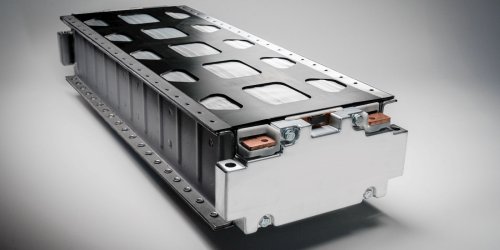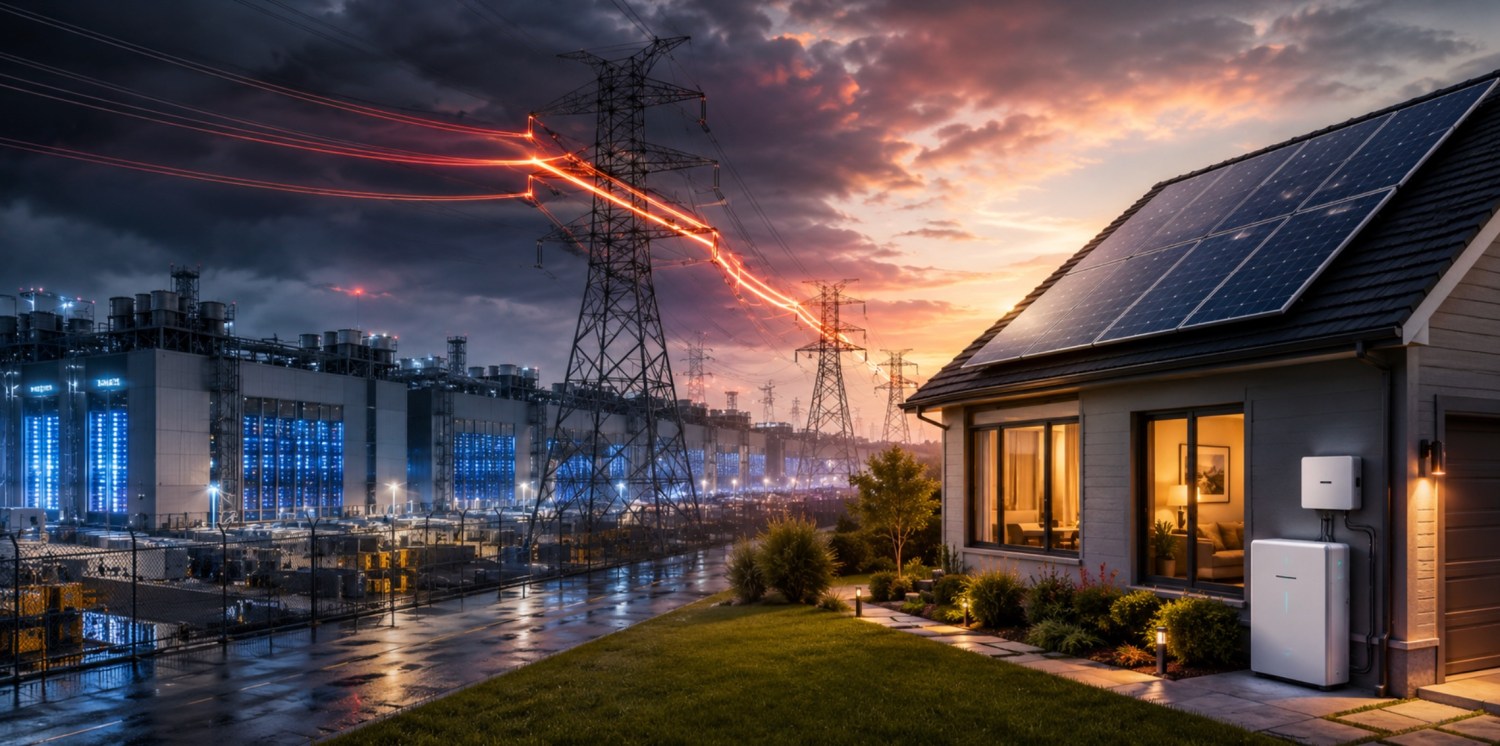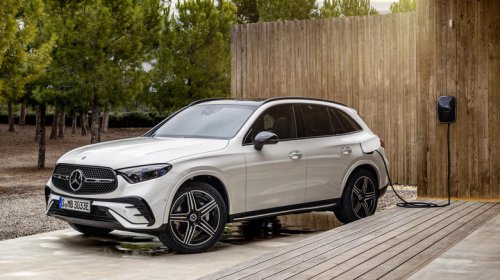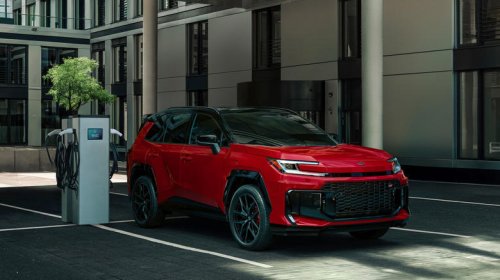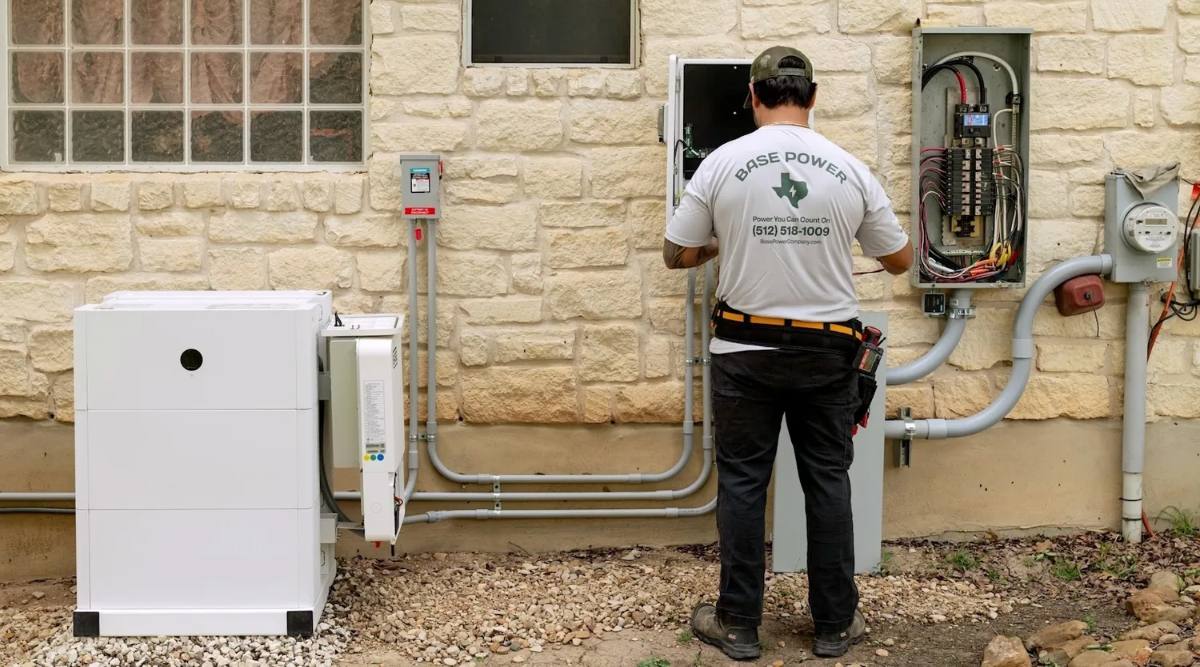
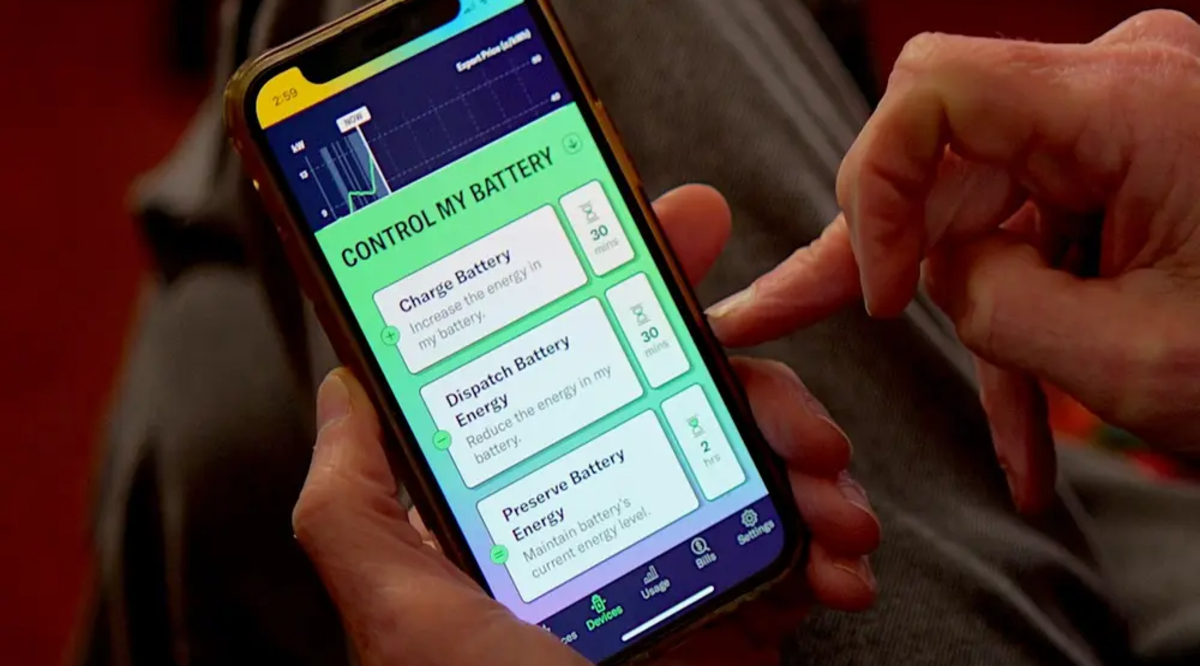



















In the “old days,” if a homeowner put solar panels on the roof, any excess electricity could be sold back to the utility company for close to the normal retail rate. This arrangement was called net metering. In many cases, the money earned by selling electricity back to the utility company could pay for the system in three to five years. After that, people with rooftop solar could consume their own electricity and reduce their monthly utility bill substantially. The utility companies soon came to hate net metering and convinced legislatures in many states to severely reduce or eliminate the amount of money homeowners could earn by using it. Part of the reason the utilities were mad about net metering was because ever since the days of Thomas Edison, the grid had been a one-way street. It was never designed to permit bidirectional flows of electricity. But there was another reason as well. Most of the electricity being fed back into the grid by those rooftop solar systems was generated in the afternoon, which just so happened to be precisely when the utilities were getting maximum benefit from their own grid-scale solar assets. What do utilities do when they have too much electricity? Sometimes they pay someone to take it off their hands, and sometimes they can’t find anyone who will take it, so it just goes to waste. No sane business person wants to pay for something that will never add ten cents to the bottom line. That’s Capitalism 101. Residential Batteries Surge That was then; this is now. Today, more and more homeowners are installing storage batteries, which allow them to save some of the electricity generated during the day for use later — usually after the sun sets. According to ArsTechnica, US homeowners have embraced home batteries in record numbers this year, partly because of state incentives and partly as a way to lower their utility bills. New home battery installations reached a record 673 megawatts in the first quarter of 2026, according to the US Energy Information Administration. The battery installation spree coincides with rising electricity costs for US residential customers. The latest data from the EIA shows the average cost for residential electricity was seven percent higher in April 2026 than it was in April 2025. The residential battery trend is a natural next step for states that have a high rate of solar adoption among homeowners. California and Hawaii accounted for the majority of new residential battery storage, while Texas and Arizona also saw significantly higher numbers of installations. California offers homeowners with solar panels who also install batteries better prices for electricity exported to the grid after sunset. Hawaii offers a one-time payment of $400 for every kilowatt of battery storage that a homeowner installs. The Rise Of The VPP Increases in home battery capacity also provide more options for grid operators to manage rising electricity demand — particularly virtual power plant arrangements that coordinate the energy storage and discharge of thousands of home batteries while compensating homeowners for the electricity provided. Some home battery providers have built this into their business models, Ars says. Base Power in Austin, Texas, offers heavily discounted home batteries and electricity rates in exchange for the ability to manage all the batteries in its network as a virtual power plant. The amount of US home battery capacity covered by virtual power plants soared by 153 percent in 2025, according to Yale e360. It also highlighted a demonstration in July 2025 that showed how 100,000 home batteries could provide more power than a large gas peaker plant. Some companies even see opportunities to tap home battery capacity for the AI data centers that are contributing significantly to rapidly rising electricity demand across the United States. On June 24, Sunrun, Renew Home, and Tesla announced an agreement to combine “hundreds of thousands of home battery systems operated by Sunrun and Tesla” into “the largest distributed power plant in the country.” The companies claimed they could deliver more than 16 GW of power to both data centers and utility companies. The rapid expansion of home batteries and advanced software that aggregates thousands of decentralized energy sources is “transforming not only the way electricity is generated, but also how it is traded, delivered, and consumed,” a 2022 International Energy Agency report stated. These assets, the report said, “can provide valuable services to the grid when supported with appropriate technologies, policies, and regulations.” “We’re moving toward a world where homes don’t just consume energy — they store it, optimize it, and contribute back to the grid,” Joe Frodsham of Renon Power in Texas told Yale e360. A critical mass of home batteries scattered across a region and networked together through virtual power plants marks “the shift from energy storage as backup to energy storage as an active grid asset,” he said. Aggregation Without Aggravation Credit: Amber Energy Climate experts hope that grids can be balanced cheaply and effectively by using hundreds of thousands of batteries distributed across cities, suburbs, and rural areas. Some of those batteries may be in electric vehicles, others on the walls of garages or cellars, and some in utility-scale storage facilities. Aggregating the capacity of decentralized batteries — whether they are charged by solar panels or directly through the grid during off-peak hours — can replace dirty gas peaker plants. Large battery projects, says a May report from Ember, “are increasingly cost competitive and faster to build than new gas power plants.” And their carbon footprint is about 87 percent smaller than an average-size gas peaker plant. Home batteries offer similar advantages. When home battery systems are programmed to charge during times of high renewable output and discharge during peak grid demand, studies show they can reduce average household emissions by 2.2 to 6.4 percent. Residential storage markets function differently from country to country. This spring in Germany, the Octopus Energy PowerDrive bundle began providing customers with a smart meter and an EV charger that enables electricity to flow in both directions. Customers who allow it to manage their EV charging can be rewarded with up to 10,000 free miles of driving, plus an annual bonus of up to $409 if the EV is plugged in at home for 300 or more hours. Octopus makes money selling the power stored in those EVs when demand peaks and prices spike. Drawbacks Yale e360 warns that the needs of a residential storage battery or EV owner may be different than the needs of a VPP operator, who will want to charge and discharge the battery as needed to balance the grid even if prices at a particular moment are unfavorable to the homeowner. The primary drawbacks of joining a VPP, says Toby Couture of E3 Analytics in Berlin, are the household’s loss of control over when and how much power a third party can call upon — though, most plans allow battery owners to set a reserve level. Uncertain financial returns and some additional wear and tear on the battery from extra cycling may result. A 2025 study found that EVs enrolled in a VPP program degraded 9 to 14 percent faster over a ten-year period. Another drawback is the high purchase price of home batteries. Although, some countries and several US states do offer subsidies. Where two-way battery storage makes financial sense to grid operators and battery owners, virtual power plants will likely expand in places where regulatory conditions allow, experts say. This is the logic of a battery revolution that is just beginning to transform our electricity markets, Yale e360 says.