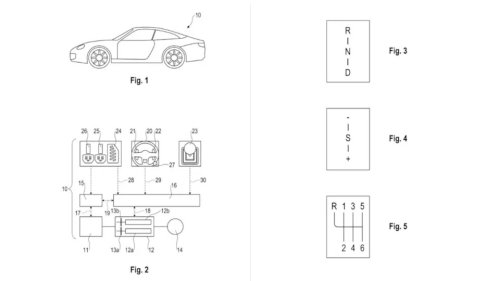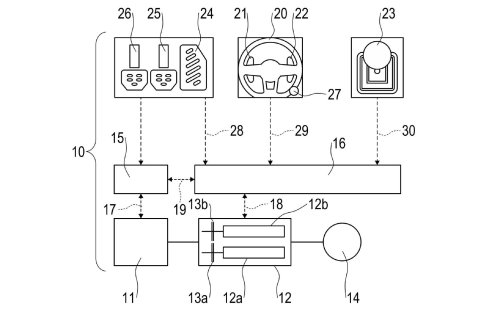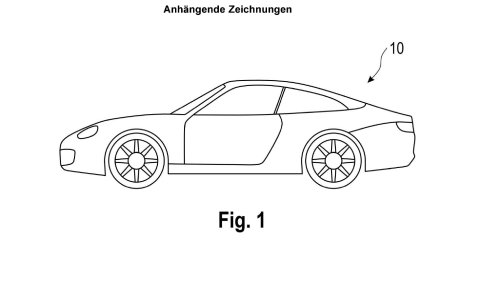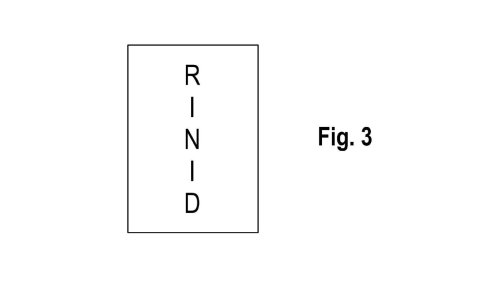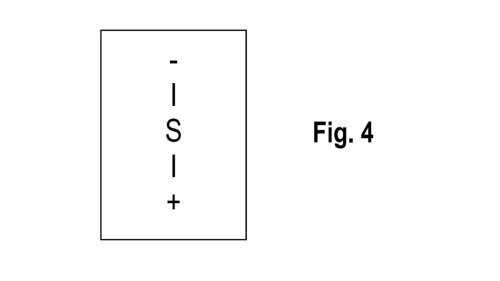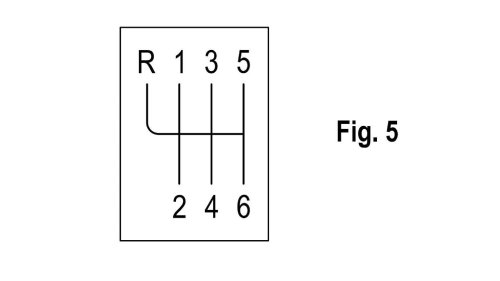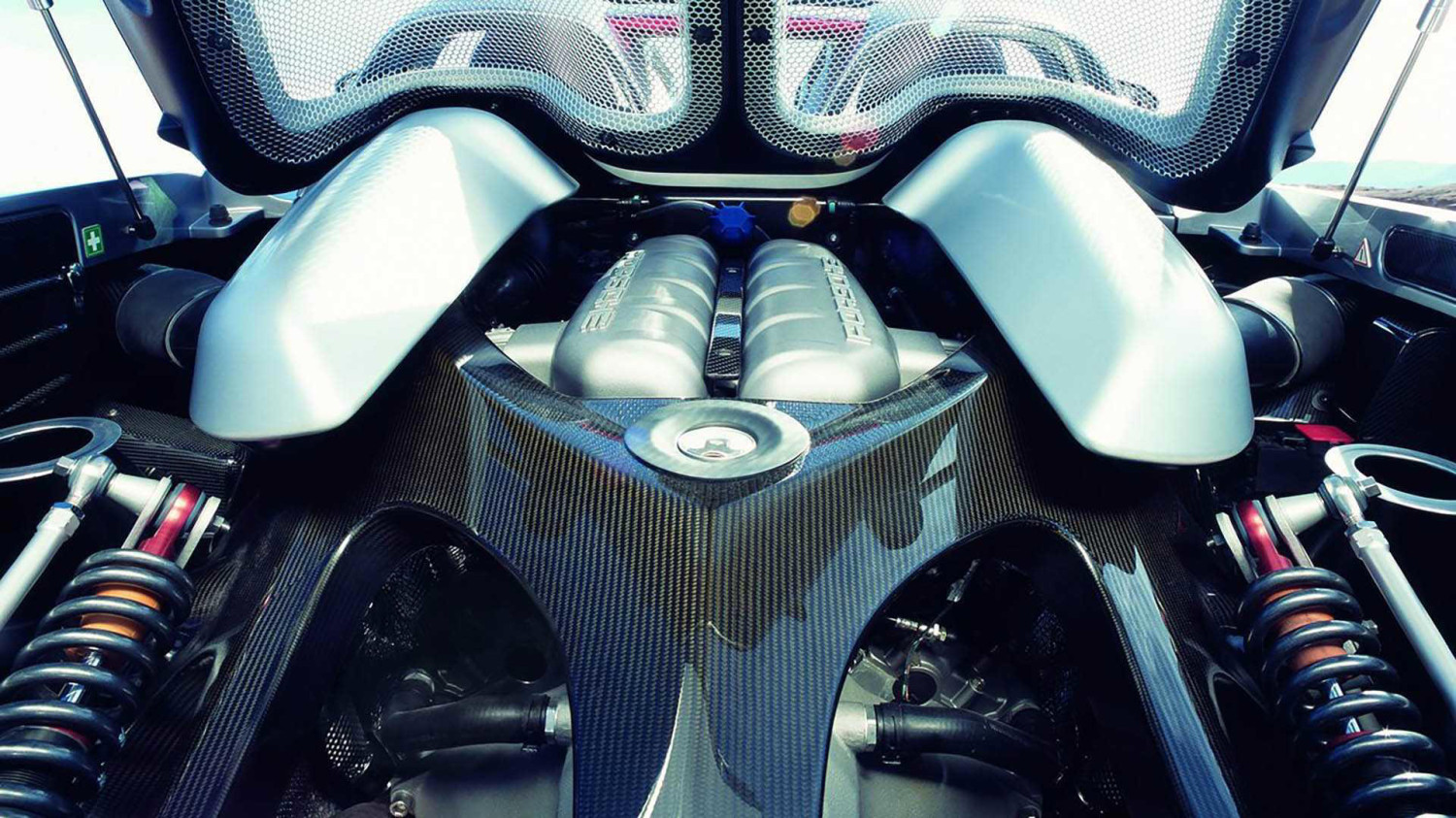
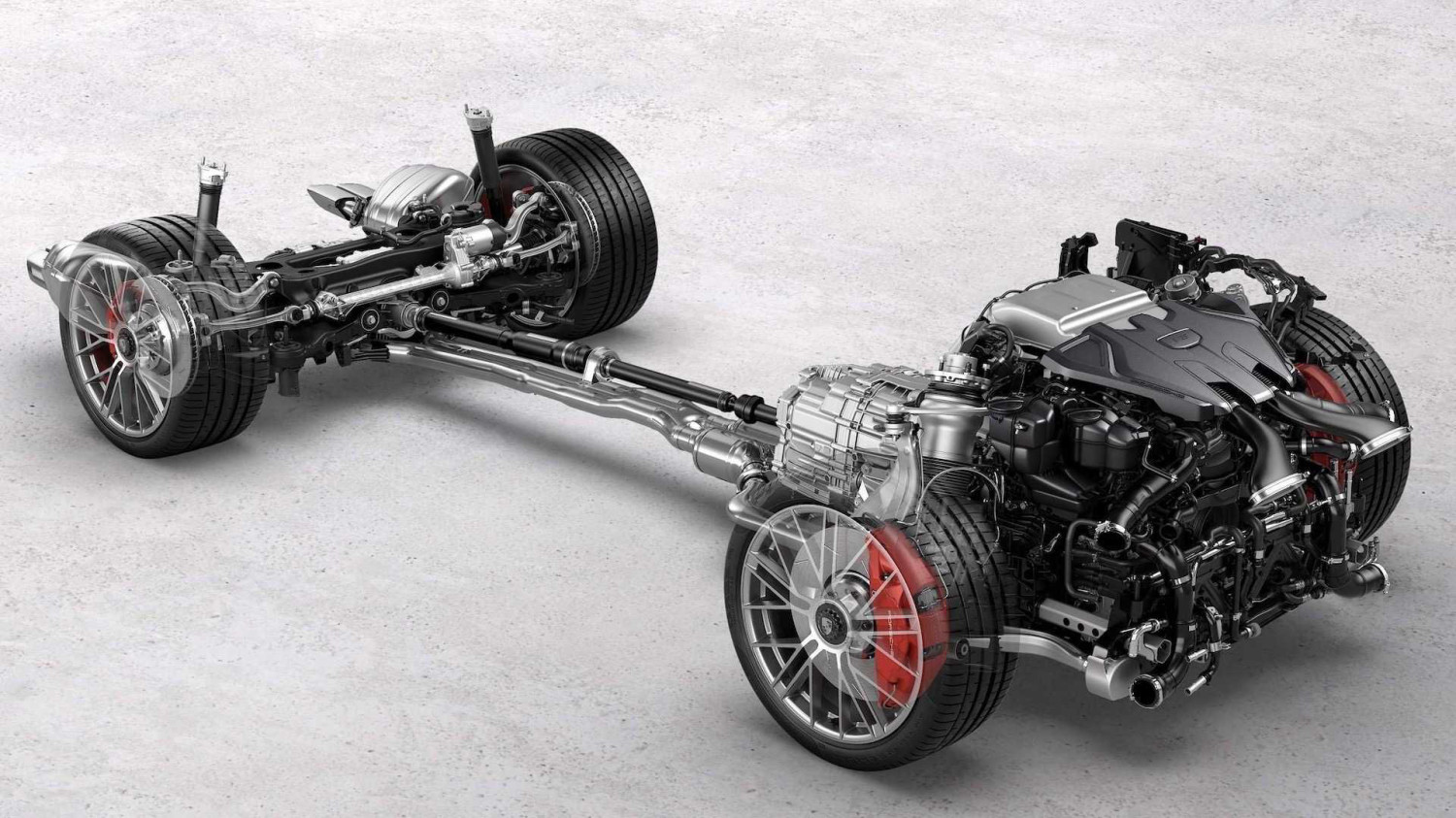



















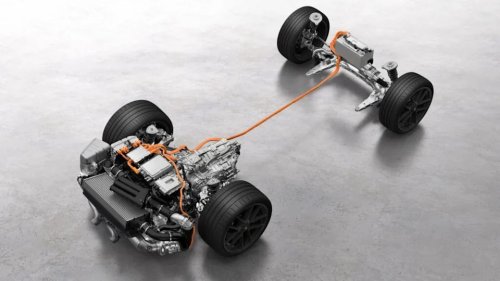
One of the main differences between an extended-range EV and a plug-in hybrid is the ability to have the engine drive the tires. EREVs can't do it; PHEVs can. CarBuzz has just found a patent from Porsche that blurs the line completely, and we mean completely.This crazy idea is a blend of everything, even involving an engine with half – yes half – the cylinders having a completely different design. This shows how eager Porsche is to use all the low-emissions tech possible, in the same vehicle, at the same time. Let's try and make some sense of this. Cylinder Deactivation With Two Completely Different Pistons Porsche This is a patent from Porsche, so naturally it's the gas engine that is the magic in the invention. Porsche's engineers propose using an engine with cylinder deactivation for economy and power modes. That's nothing new; GM has been doing it for years and even has a V8 that can run on just one cylinder.What's new here is that Porsche proposes designing half the cylinders, shown as one of the two banks, to be optimized for "coasting." The ideas it floats in the filing includes using ceramic bearings for reduced friction and even one less piston ring. When that bank isn't firing, it's designed to be as efficient as possible.The main bank would be designed like a normal Porsche engine. The difference would be that it has a variable valve train and/or variable compression.That engine would run in two modes. One would be the power mode, where every piston is firing and sending torque to the wheels. The other would be the efficiency mode, where the engine runs half the cylinders at higher loads and works only to create electricity for the battery pack. Electric Drive Some Of The Time, Gas Drive At Others Porsche As part of an extended-range hybrid system, the vehicle would be able to operate as either a series or parallel hybrid, depending on what the computers decided was best at that time. In most driving, the vehicle would be powered by its extended-range battery sending electricity to motors driving the front and rear axles. In those situations, it would feel like an EV.When the battery ran down, the gas engine would kick on in its generate mode. Only the one group of cylinders would fire, and they would run in a max-efficiency mode to turn the generator to make electricity. The engine would not be connected directly to the wheels in this mode. This is a typical EREV operation.Then, because it's a Porsche, there's the engine mode. All the cylinders fire, and they send torque to the wheels just like any conventional gas-powered Porsche. This would give the vehicle the ability to drive like a classic gas-powered Porsche whenever you wanted. So basically, Porsche wants to put multiple powertrains into one vehicle, in hopes of making everyone happy. In theory, anyway.It must certainly be a heavy theory, though, given the weight of the motors, engine, and battery. That would likely take a notable toll on fuel mileage for the engine in engine mode, and range in electric mode. Ignore the weight and cost, and it sounds like a perfect solution for low-emissions performance cars. Those two caveats, though, could be tough to ignore. CarBuzz Insight – Why This Matters: Some buyers will never be happy with electric vehicles, and automakers like Porsche have more customers who feel that way than most brands. This idea gives those buyers an EREV that should meet most upcoming emissions mandates and the ability to have the gas vehicle they really want.But building half of the cylinders in a different way, anticipating that they won't be used, is expensive. Adding a transmission is another massive expense. Regulators aren't likely to buy it as a zero-emissions solution, either, even if it meets the letter of current rules. It sounds great, but the reality is expensive, complex, and heavy. Other than the first one, they're not exactly things you want from a Porsche.Patent filings do not guarantee the use of such technology in future vehicles and are often used exclusively as a means of protecting intellectual property. Such a filing cannot be construed as confirmation of production intent.Source: DPMA