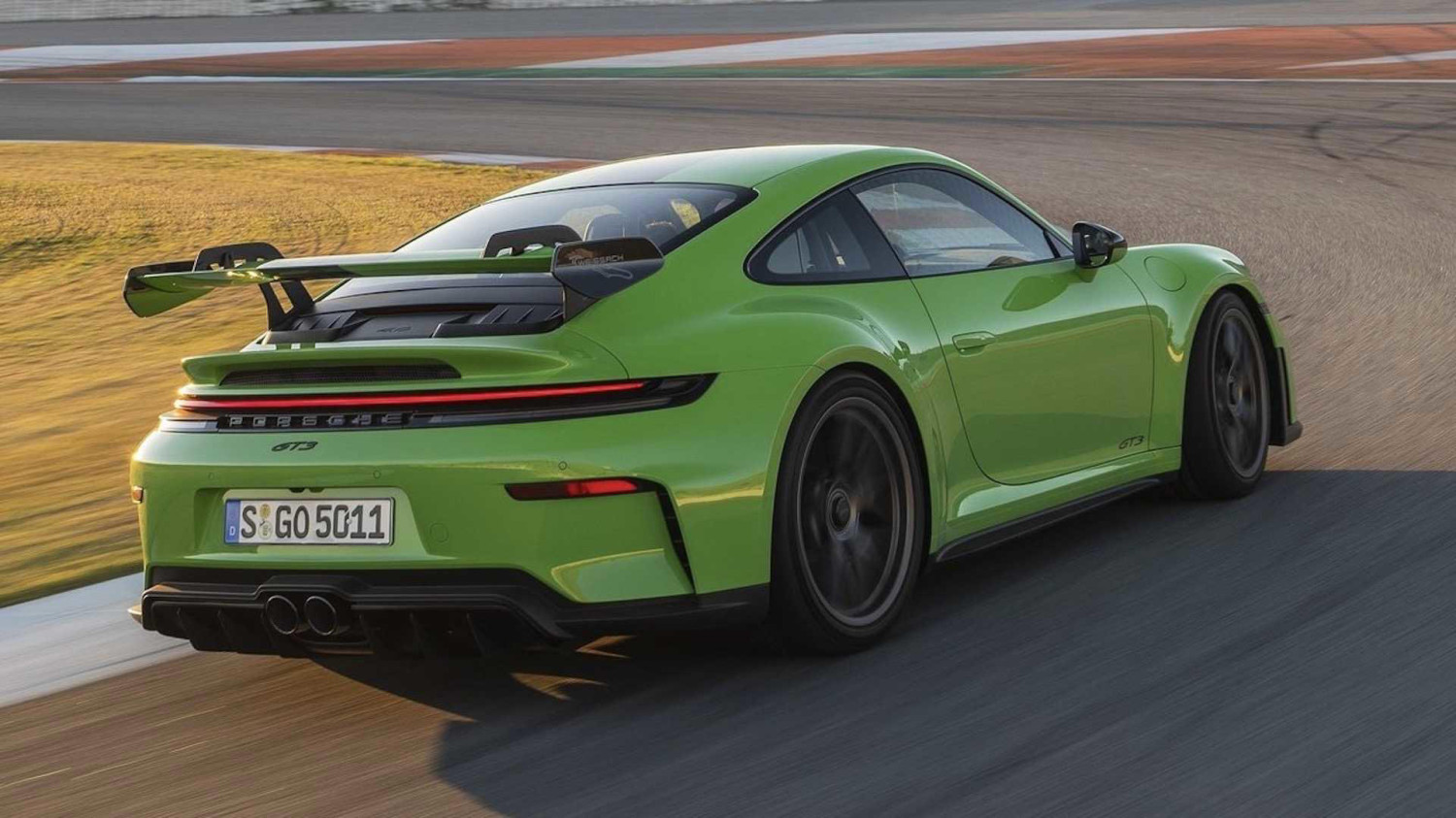
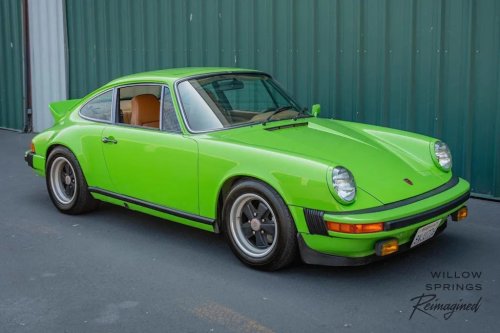
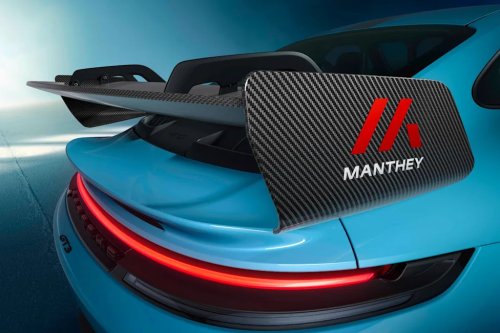
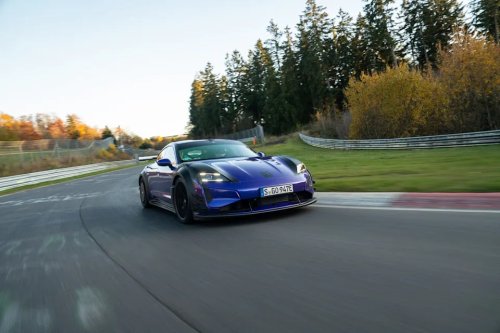
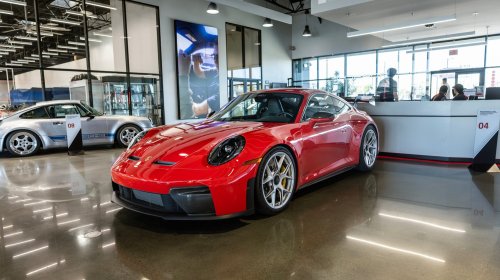
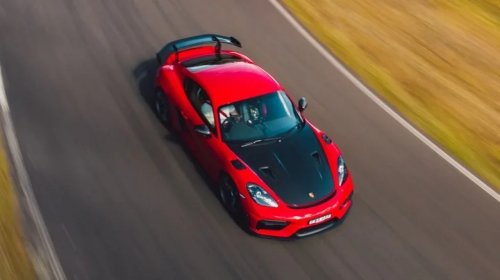
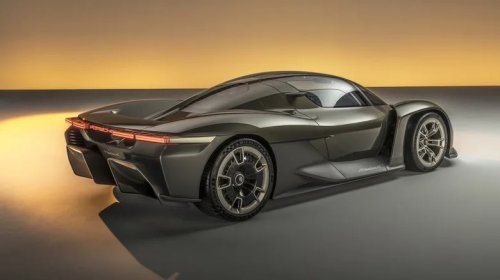
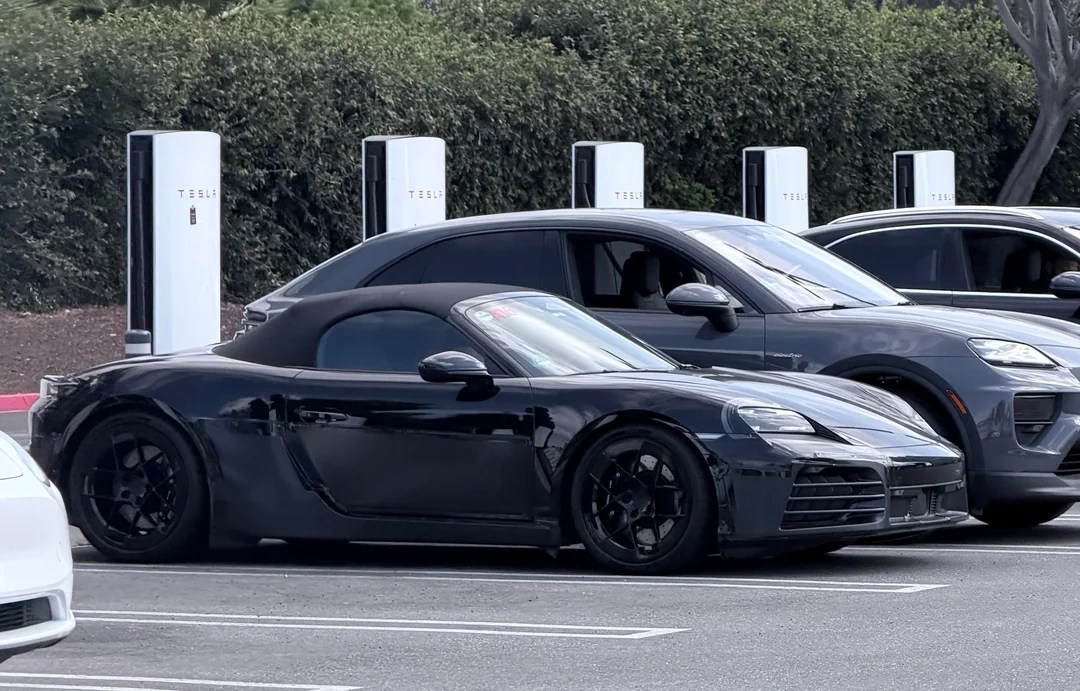
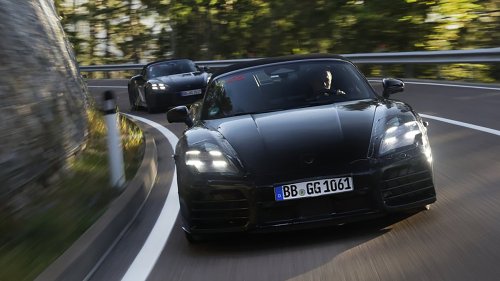
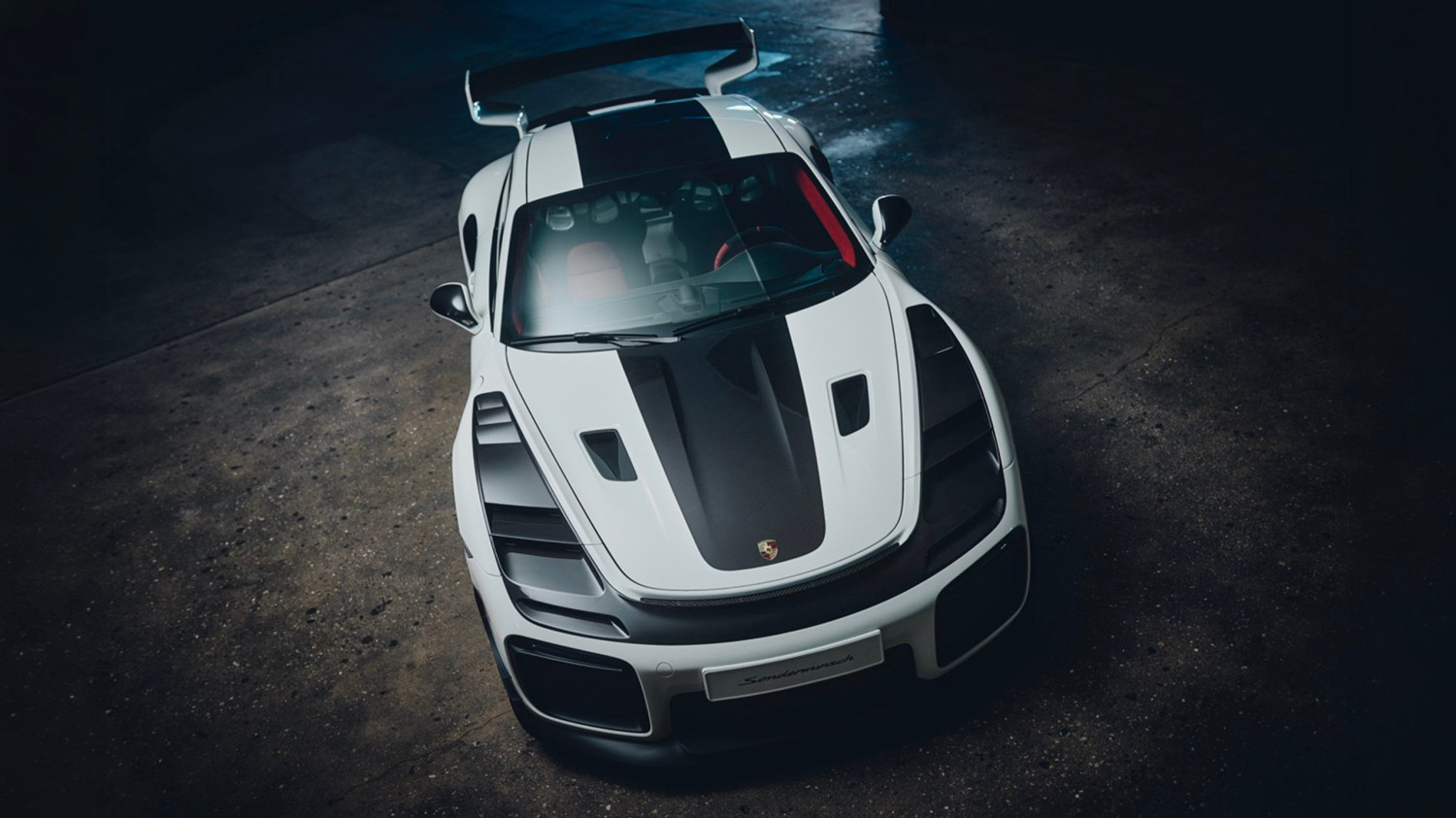
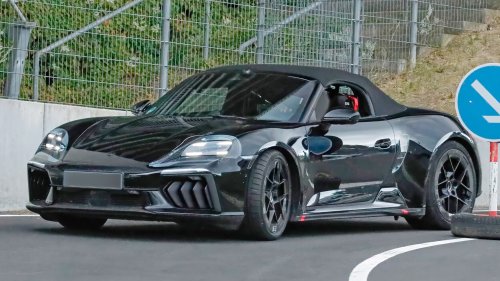
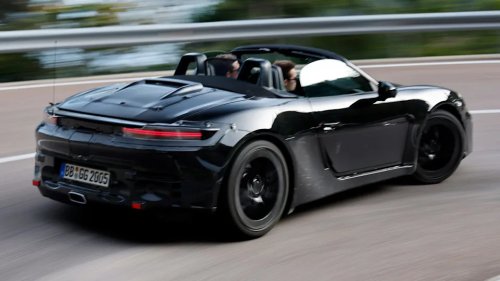
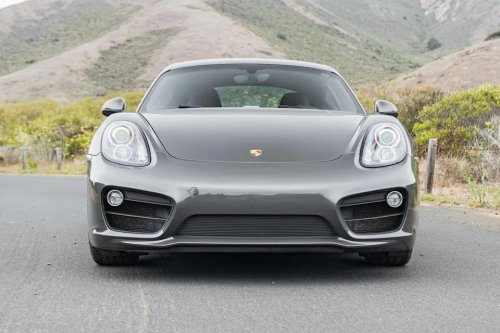
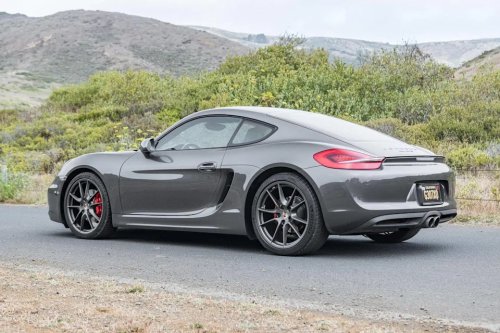
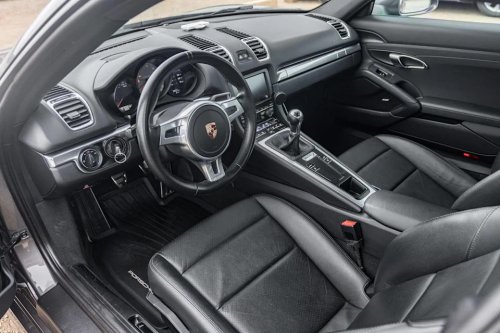
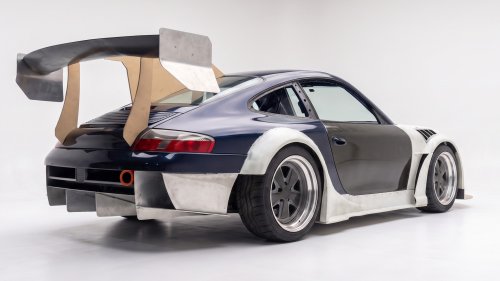
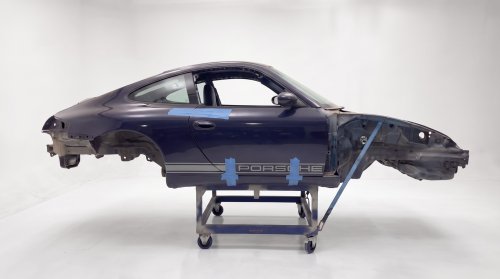
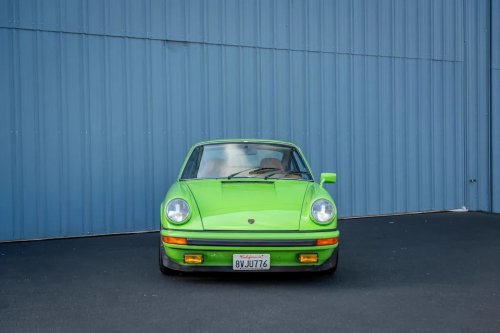
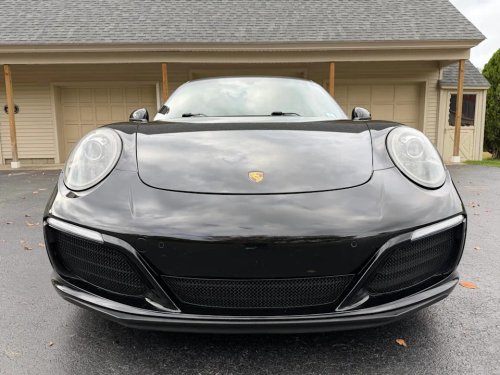
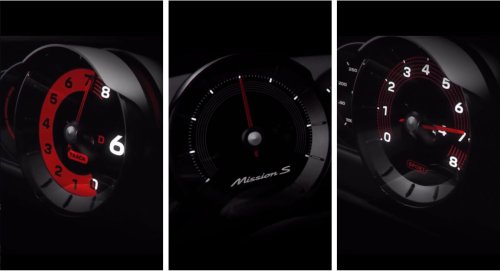
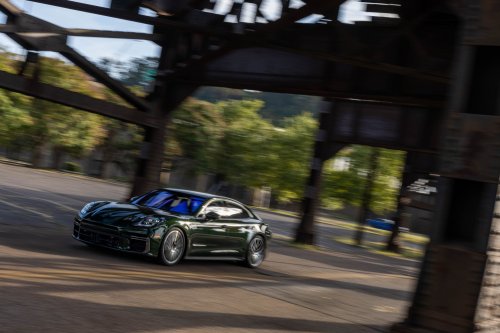
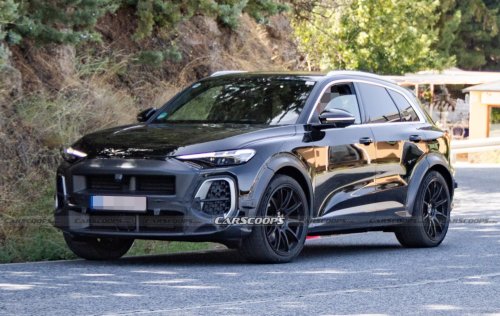
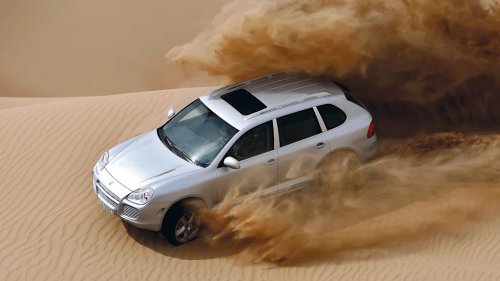
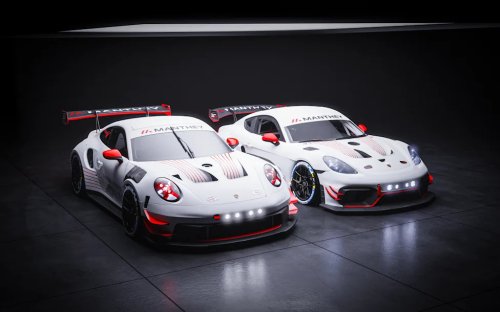
Porsche, besides making brilliant-driving cars, is also known for clinging to its designs, both mechanical and stylistic. The 911 is the best example of this, as its exterior design is a clear evolution from the 1963 original, and it still has a flat-six in the rear. Still, the company has had to make changes over the years, and fans don't always take them well. The change from air-cooled engines to water-cooled was controversial, and probably not helped by the 996 911's polarizing styling. Another feature of a Porsche icon may go away soon, too: the naturally aspirated GT3.Porsche Its Days Are Numbered The news comes to us from Car and Driver. One of their reporters spoke with Andreus Preuninger, who is the head of Porsche's GT car program, the one that develops things like the 911 GT3, 718 Cayman GT4, and others. Not only that, but he's been in charge of the program since 2000. During that interview, Preuninger was asked how long the naturally aspirated GT3 could survive, and what kind of performance boosters might be needed in future models.Porsche He didn't give any exact numbers, but seemed to indicate that the naturally aspirated versions would go away someday, probably sooner in Europe than in the U.S. This would be due to Europe's more strict and more consistent plans for emissions regulations than America's. He also noted that turbocharging would be a possibility.Now before anyone panics too much, he didn't say definitively that a future GT3 would be turbocharged. Porsche has some impressive engineers, and maybe they could find a way to keep the GT3's flat six breathing au naturel for a while longer. The company could even add some hybrid assistance to help reduce fuel use and emissions without having to force-feed the engine. We suppose some of it would have to depend on whether Porsche purists have more of a distaste for electrification or forced induction. The Rest Of The 911 Range Is Already Turbocharged Even though we'll be sad to see the GT3 lose its unfettered screamer of an engine, we can't say we won't be surprised. Even before Preuninger's comments, it was clear Porsche was having trouble keeping naturally aspirated flat-sixes around. Today, whether it has a Turbo badge or not, every non-GT3 911 has at least one turbocharger. The base model actually has a pair to make its 388 horsepower. The GTS has a single one, but it's a high-tech turbo with a tiny electric motor to keep it spun up and boost-ready.At the very least, if the future GT3s are turbocharged and/or hybridized, their engines will still likely be among the most responsive of their kind, in big part due to those fancy turbocharger developments. Not only that, but one of these hypothetical GT3s will probably be much more powerful than the GT3 has been for a while. For about a decade, the GT3 has been hovering around the 500 hp mark. Meanwhile, you can get a hybrid turbocharged GTS with 532 hp. Surely a GT3 would get a big bump in power over that, and there's plenty of space between the GTS and the 701-hp Turbo S.