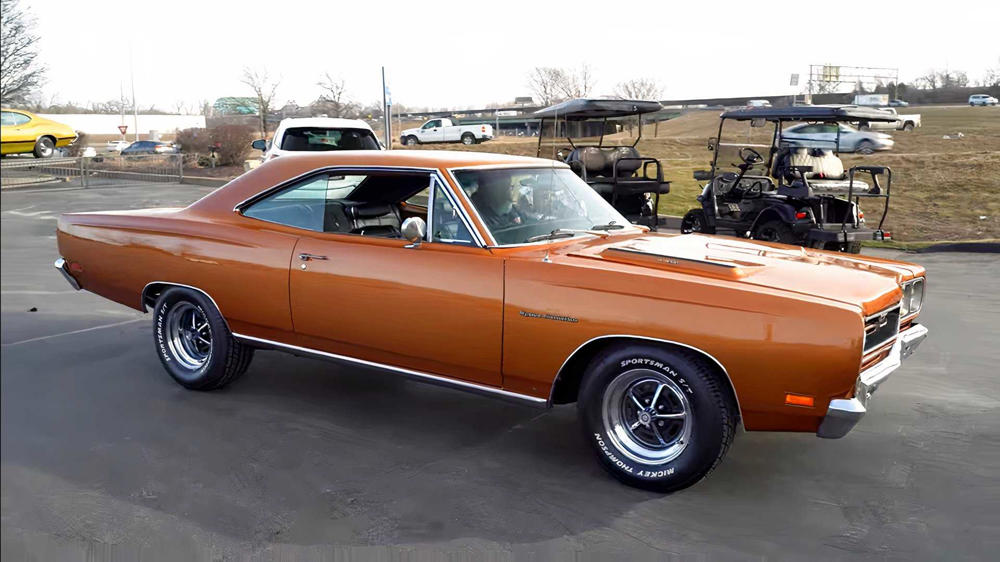
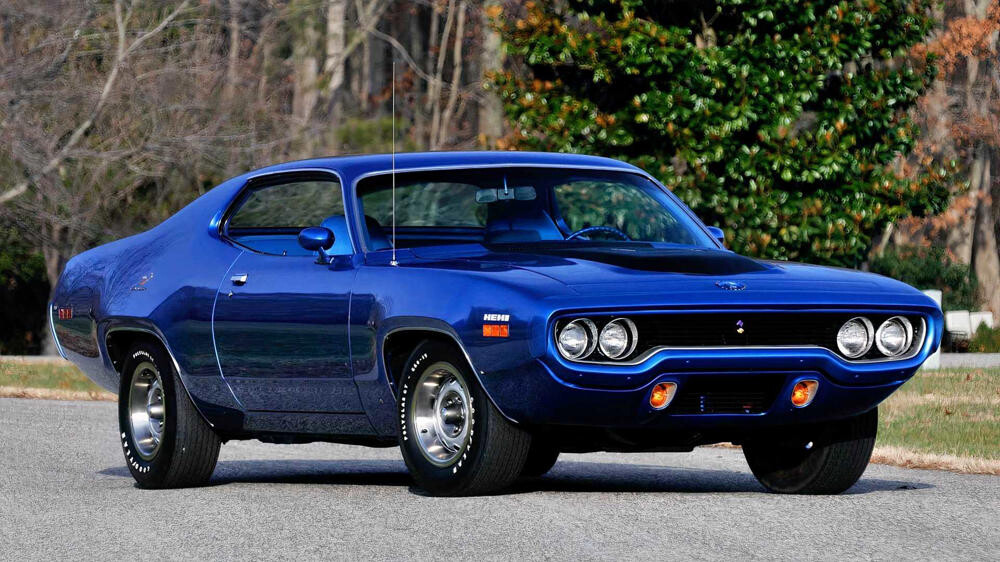
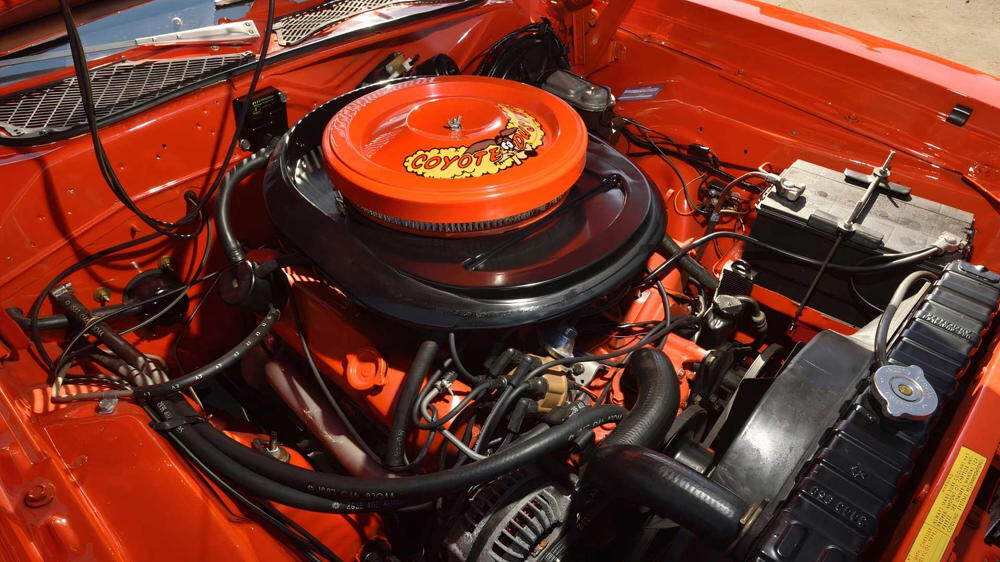
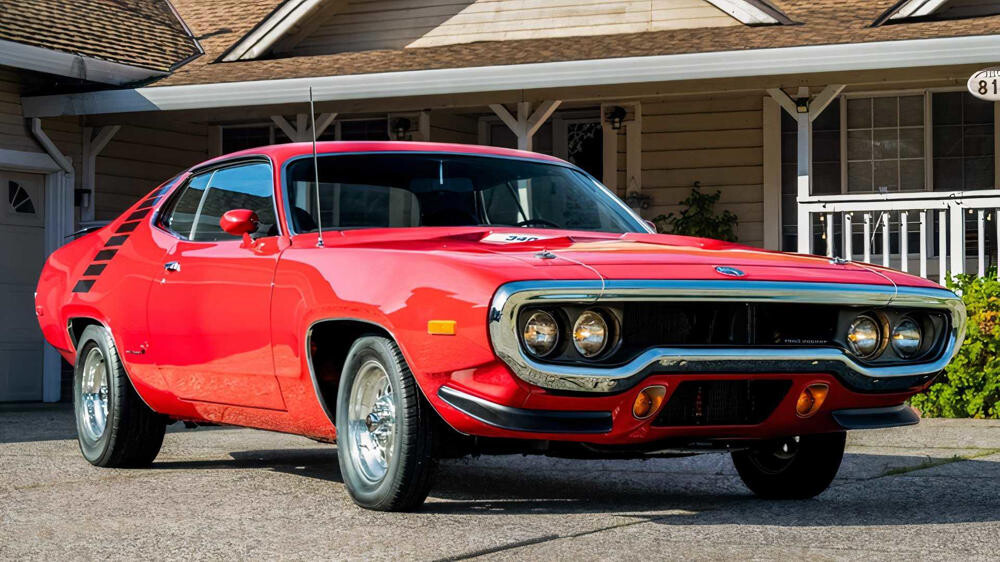
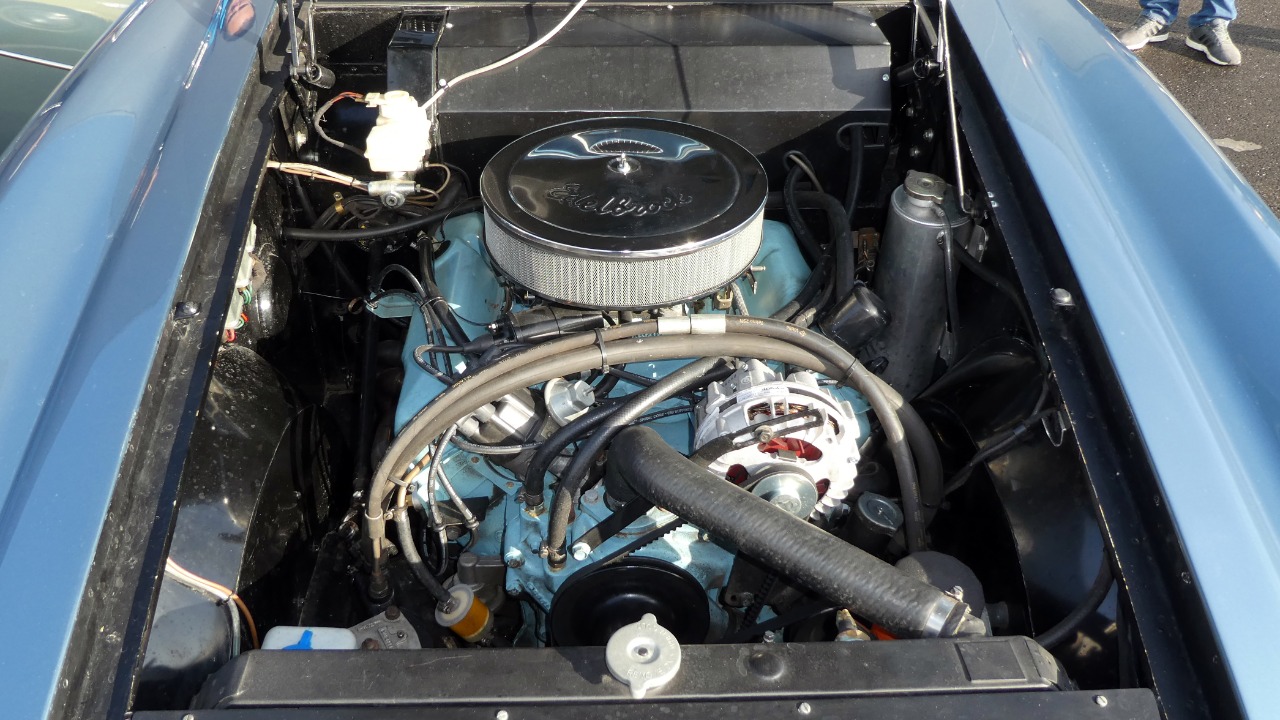
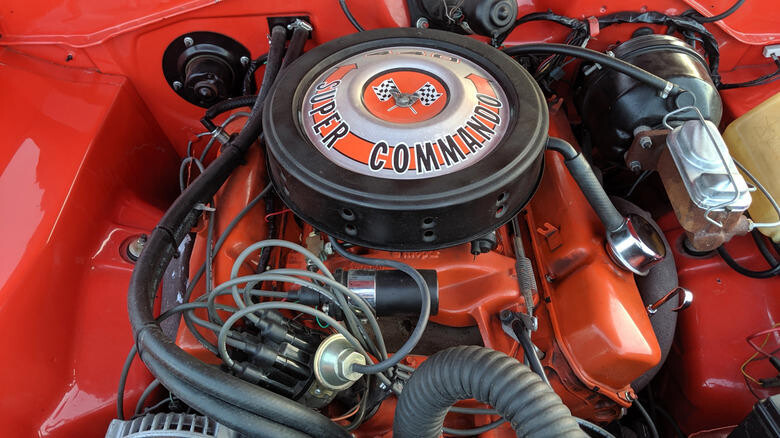
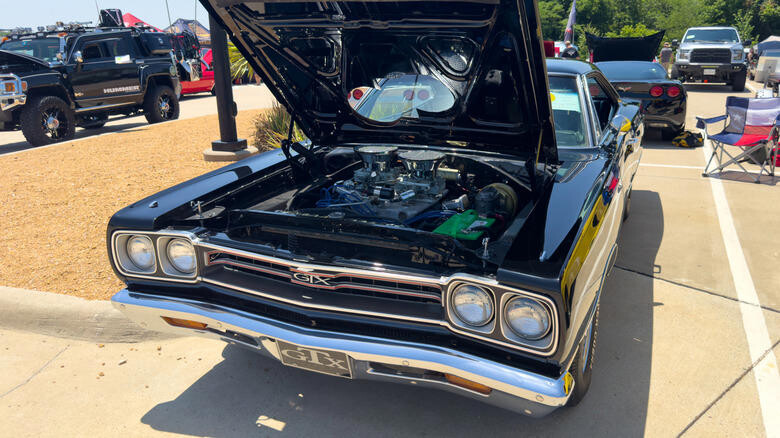
A nine-passenger station wagon was hardly the first place most people looked for a connection to Plymouth's muscle cars. Yet the 1969 Sport Satellite wagon shared the B-body foundations used by the Road Runner and GTX. That meant it belonged to the same family of cars built around a platform capable of carrying serious V8 power. The connection is interesting, but it needs a little care: the GTX's 440 is documented, while a 440-powered Sport Satellite wagon is not. Plymouth's Family Hauler Had More In Common With Muscle Cars Than Its Looks Suggested Plymouth's 1969 intermediate lineup was built around the B-body platform. The Belvedere, Satellite, Sport Satellite, Road Runner, and GTX all belonged to that family, sharing a 116-inch wheelbase and much of their basic architecture. Their personalities, however, were quite different. A Road Runner was sold as an affordable performance car, while the Plymouth GTX added a more upscale finish. A Sport Satellite sedan or wagon had a different job: carry passengers and luggage without looking like a stripped-down fleet special. The wagon could be ordered with seating for six or nine, and its long roof and woodgrain-style side trim made its purpose obvious. The sedan was more restrained, but it still had the Sport Satellite's extra exterior detailing. Neither body style advertised quarter-mile ambitions. Their connection to the muscle cars was underneath, where the shared B-body layout gave Plymouth a common foundation for several different models. That does not mean every engine listed across the range was available in every body. It does explain why the family versions belong in the same conversation. The 1969 Plymouth Sport Satellite Made The Family Body Styles More Upscale The Sport Satellite sat above the regular Satellite in Plymouth's intermediate range, short of the performance-focused GTX. For 1969, the line included a four-door sedan and station wagon alongside its two-door models. The trim gave these practical body styles a more dressed-up appearance, with body-side accent stripes, wheel-opening moldings, sill moldings, and a blacked-out grille with horizontal bars. Sedans received chrome door-frame trim, while the wagon wore simulated woodgrain along its sides. Plymouth Built Just 3,152 Nine-Passenger Sport Station Wagons The production figures show how easily these cars disappear behind the better-known coupes. Plymouth built 5,836 Sport Satellite four-door sedans and 3,152 nine-passenger Sport Station Wagons for 1969. Those numbers make the big wagon an uncommon sight today, even before considering its engine. The nine-passenger version had three rows of seating and could carry a full load of people without borrowing the Road Runner's image. It was an upscale family Plymouth, not a muscle car wearing a wagon body. The Sport Satellite Shared Its B-Body Foundations With The 375-HP GTX The shared platform is where the performance connection becomes more than styling. Plymouth's 1969 GTX came standard with a 440-cubic-inch V8 rated at 375 hp. The engine sat in the same broad B-body family as the Sport Satellite, and the wider Belvedere range offered several V8 choices. The Sport Satellite's documented high-performance 383 was rated at 330 hp, using a four-barrel carburetor. That is a strong engine for a family sedan or wagon, even if it does not carry the GTX badge. 1969 Plymouth Sport Satellite Engine Specs Engine Option Horsepower Torque (lb-ft) Bore x Stroke Carburation / Notes 383 cu in (6.3 L) V8 (Big Block V8) 330 hp 425 lb-ft 4.25 in x 3.38 in 4-barrel "Super Commando" 440 cu in (7.2 L) V8 (Optional/Upgrade Configuration) 375 hp 480 lb-ft 4.32 in x 3.75 in 4-barrel "Super Commando 440" The 440 Was The GTX's Calling Card, But The Options Need Careful Checking There is a reason to avoid claiming that a Sport Satellite wagon left the factory with the GTX's 440. Sources describe the 440 and 426 Hemi across the wider Belvedere platform, but the available evidence does not establish those combinations for the Sport Satellite sedan or wagon. The 440-powered Sport Satellite is a coupe as documented by Hemmings, not one of the family body styles. The 383 rating also deserves precision: the model-specific reference lists 330 hp for the Sport Satellite, while 335 hp is associated with the Road Runner. The shared B-body made the comparison natural, but it does not prove every engine-and-body combination existed. Ordering More Power Could Cost A Family Buyer Some Everyday Comfort A high-output Plymouth could demand compromises that mattered more to a family buyer than they did to someone building a weekend drag car. Hagerty notes that high-horsepower Belvedere configurations could not be ordered with air conditioning, cruise control, or any trailer package. The restriction is a useful reminder that engine choice affected more than acceleration. A buyer considering a powerful V8 might have to give up equipment that made a long trip more comfortable or a wagon more useful. According to Classic, the 2026 average sale price for the Satellite Coupe is around $66,763, while the Satellite Wagon is around $25,000. The Cost Of Speed Went Beyond The Price Of The Engine That trade-off gives the Sport Satellite story a practical edge. A nine-passenger wagon already had a clear purpose: carry people and their belongings in a more upscale package than a basic Satellite. The 3,152 built in 1969 were rare enough without inventing a separate production total for a high-performance engine combination. There is no verified count for 440-equipped Sport Satellite sedans or wagons, and the available evidence does not establish that those body styles received the GTX's engine. What can be said is more interesting than a guess: Plymouth put its family-oriented models on the same basic platform as its famous muscle cars, giving buyers a practical car with a direct connection to the brand's performance hardware. Sources: Classic, Classic Industries, Hemmings

 Liked by Madeleine Bouchard, Ella Moreau
 Liked by Madeleine Bouchard, Ella Moreau