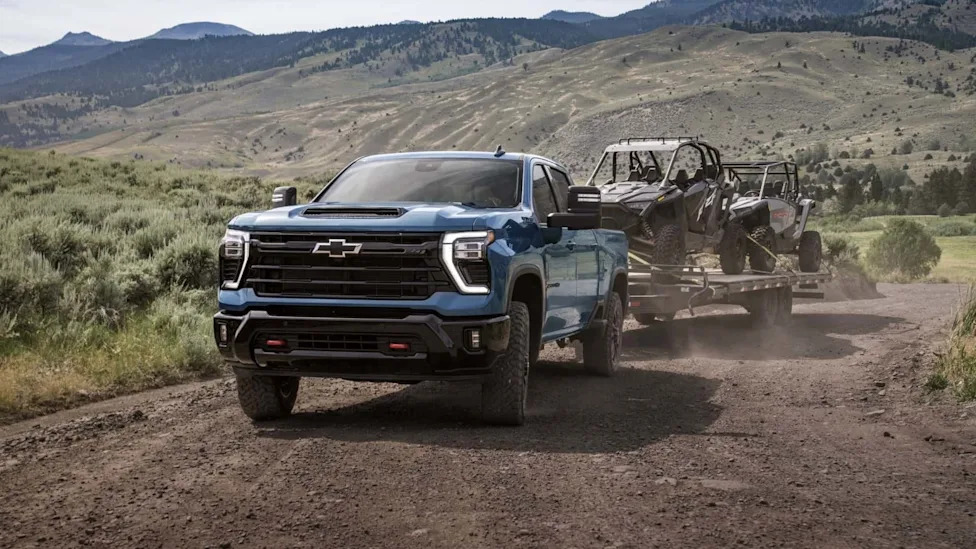
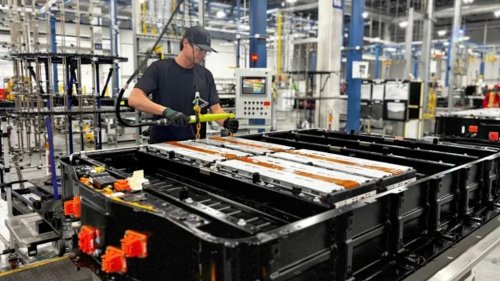
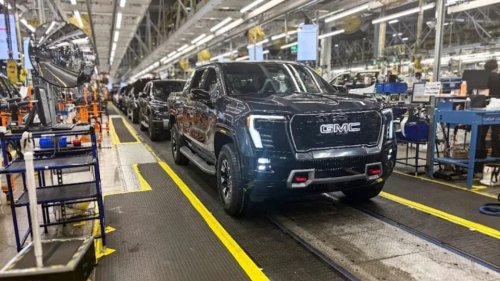
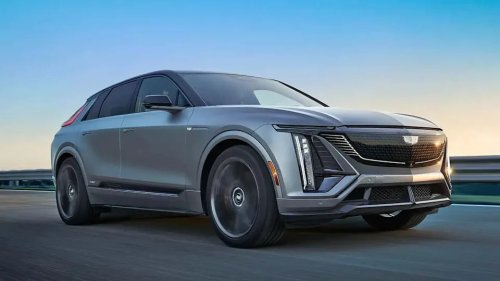
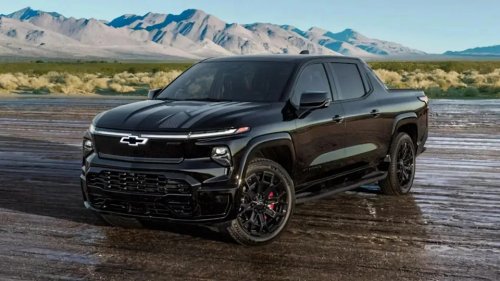
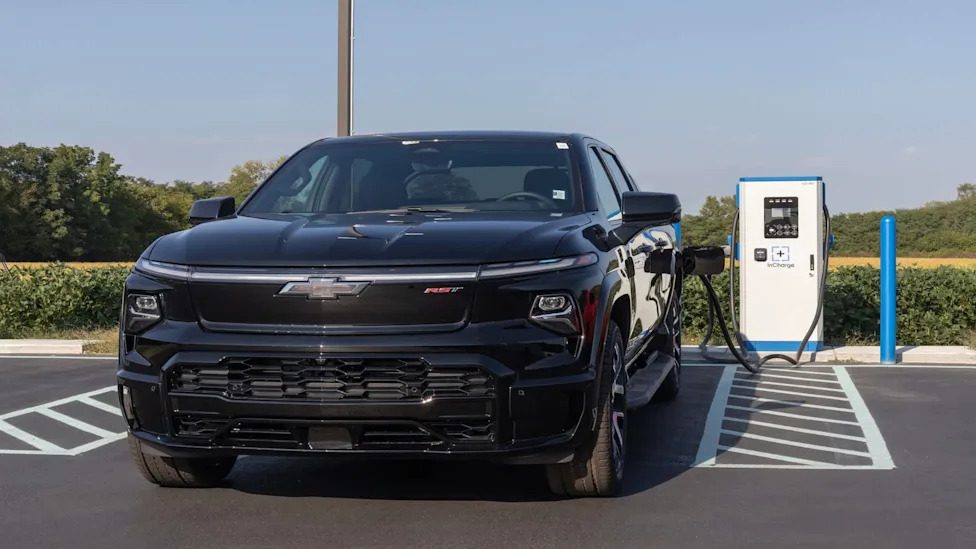
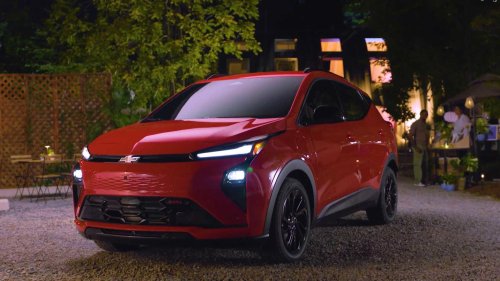
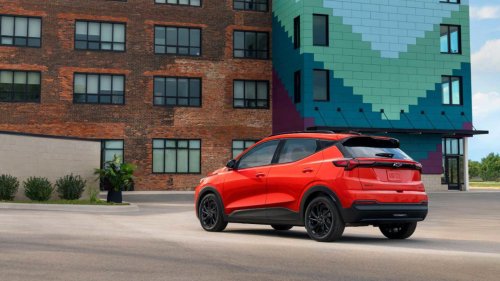
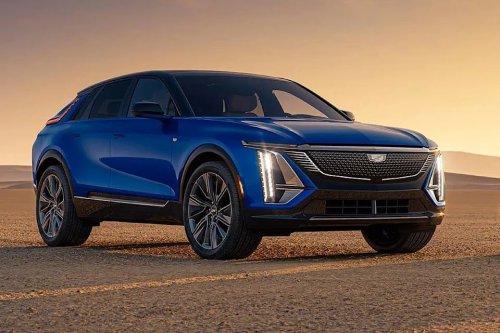
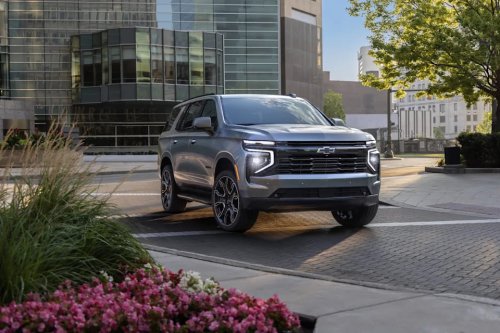
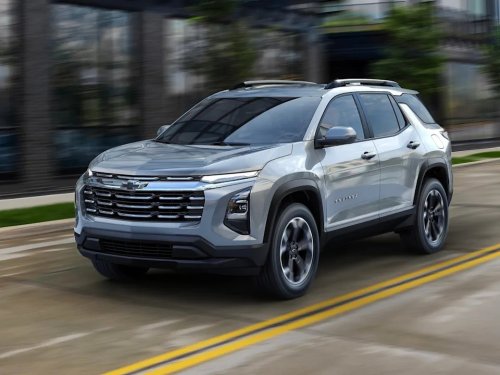
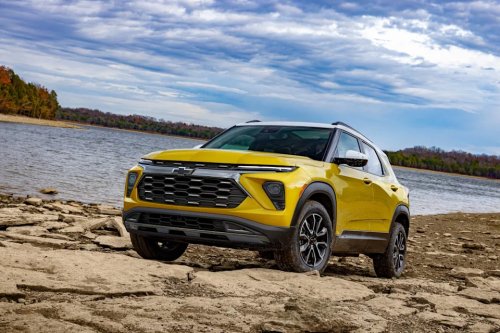
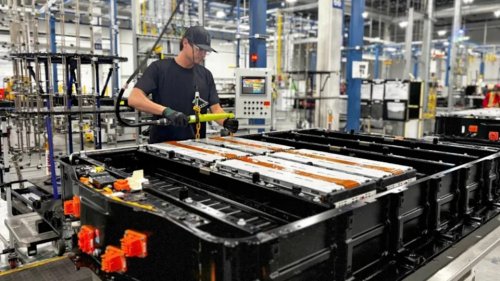
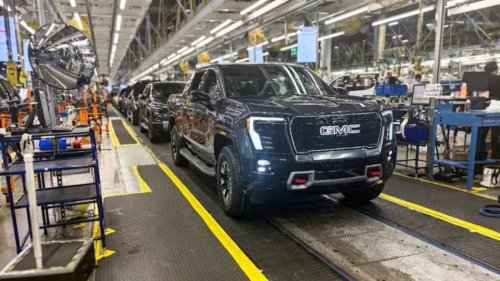
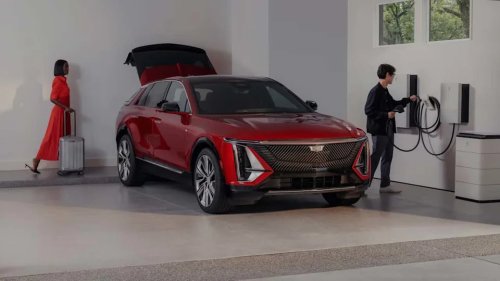
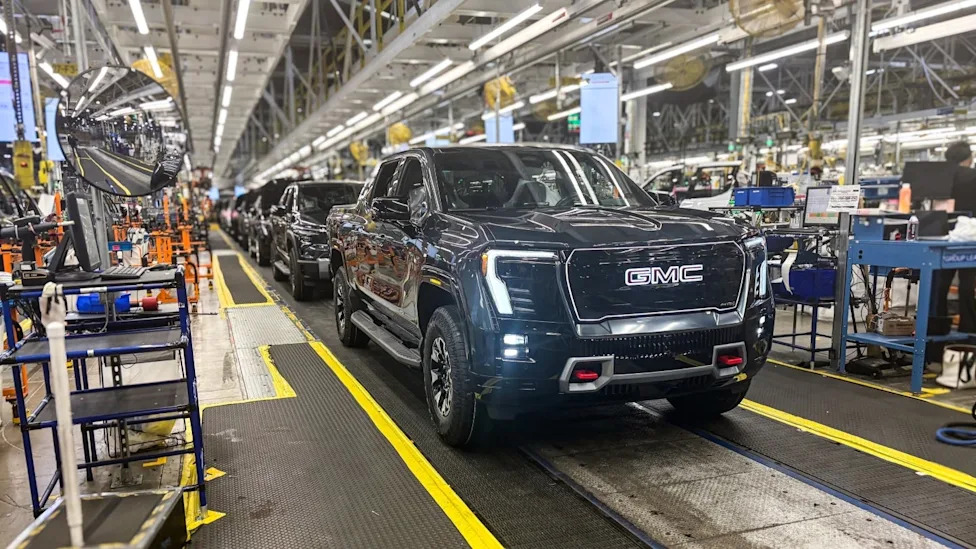
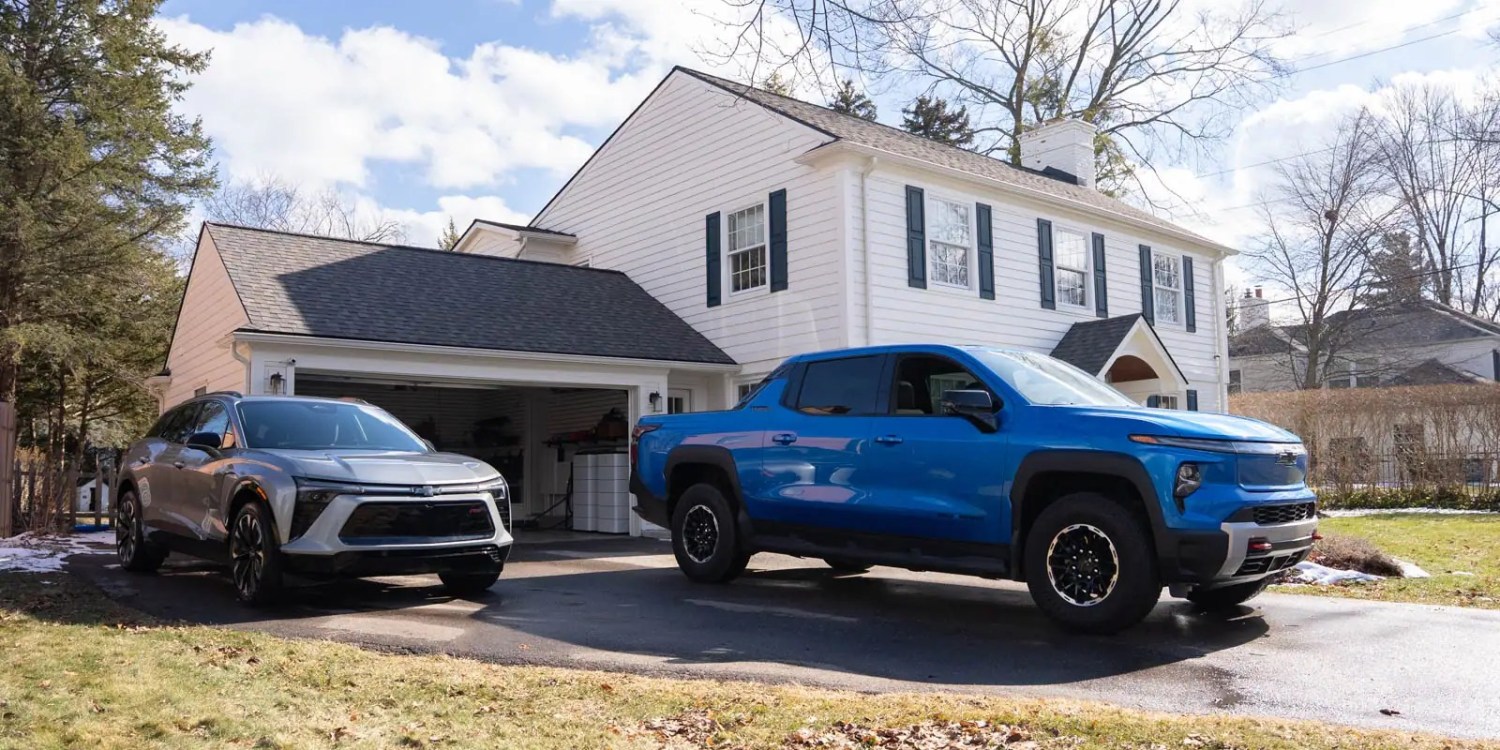
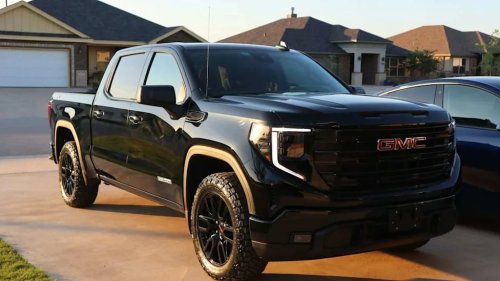
Over 1.1 Million GM Vehicles Face Investigation Over Potential Brake-Assist FailureMore than 1.16 million vehicles built by General Motors are now part of a federal investigation into a possible problem with the company's eBoost braking system. On August 21, 2026, the NHTSA initiated a further Engineering Analysis, designated EA26006, following the conclusion of its previous Preliminary Evaluation, PE24011.This is not a recall notice. NHTSA is still examining whether the system presents an unreasonable safety risk and whether GM must take corrective action.What NHTSA Is InvestigatingThis concern pertains to eBoost, the hydraulic brake-assist system utilized by GM, which is electronically managed. Unlike a conventional vacuum booster, it uses electronic controls to generate hydraulic assistance and interact with systems including stability control and driver-assistance features.AdvertisementAdvertisementShould this assistance fail, the vehicle can still engage the brakes, but the driver may need to apply much more force to the pedal for the same brake power. NHTSA's record includes newer complaints alleging that assistance disappeared suddenly while vehicles were moving. A harder pedal and longer stopping distance are the obvious concerns, particularly when the problem arrives without warning meaning the driver has to quickly adapt to the new feeling.The initial investigation was launched on April 11, 2024, in response to reports related to the 2023 Cadillac Lyriq model. Those reports described a firm brake pedal and a brake-system warning during startup or operation. NHTSA's current review counts 745 reports, including 227 submitted directly to the agency and 531 manufacturer early-warning reports after duplicate submissions were removed. The summary also includes 22 crash or fire reports, five incidents involving injuries, and six reported injuries. It lists no deaths.GM's 2024 response to NHTSA focused on a possible spindle fracture inside the Electronic Brake Control Module during certain anti-lock braking events. GM said its earlier assessment expected the loss of assist only after the vehicle had stopped, with conventional push-through braking still available. The company also said warning messages and a 70-kph, or 43-mph, speed restriction would follow once the fault was detected.The new reports describing assist loss while driving are part of why NHTSA wants a deeper look. Regulators are now assessing whether the failure's safety consequences extend beyond GM's earlier explanation.Which Vehicles Are Included?NHTSA estimates that EA26006 covers approximately 1,164,820 vehicles. The GM population includes the 2023-2026 Cadillac Lyriq, Chevrolet Colorado, and GMC Canyon; the 2024-2026 Buick Enclave, Buick Envision, Chevrolet Blazer EV, Chevrolet Equinox EV, Chevrolet Traverse, Cruise Origin, and GMC Acadia; plus the 2025-2026 Cadillac Celestiq and Cadillac Optiq.AdvertisementAdvertisementThe third-generation Colorado and Canyon are make this even more interesting because their addition makes the investigation clearly system-wide rather than limited to the Lyriq that started the original inquiry. Both pickups use the same eBoost brake-assist technology.NHTSA is also examining the 2024-2026 Honda Prologue and Acura ZDX as peer vehicles. GM manufactured those electric SUVs through its partnership with Honda, and they use the same underlying braking technology.During an Engineering Analysis, NHTSA can request additional technical records from GM, study the affected components, and conduct more detailed testing. The agency could eventually seek a recall if it finds a safety defect, but the 1.16-million-vehicle estimate is an investigation population, not a prediction that every vehicle will be recalled.Owners should pay attention to brake warnings, an unusually stiff pedal, or any change in braking performance. Those symptoms should be reported to NHTSA or a dealer. For now, the important distinction is that the government has escalated the investigation because the potential consequences deserve more scrutiny, not because GM has already been ordered to recall these vehicles.



















 +21 others