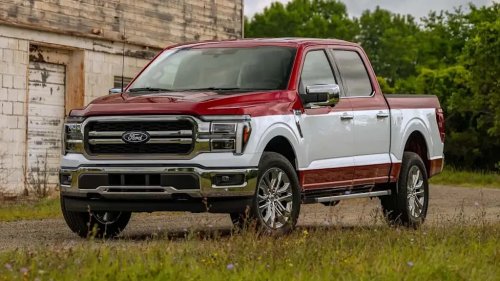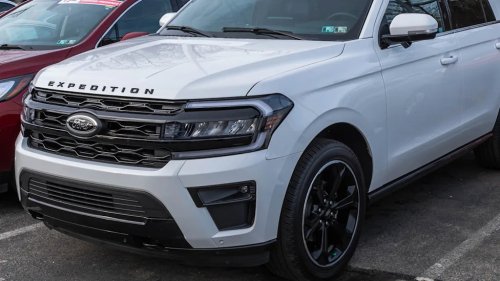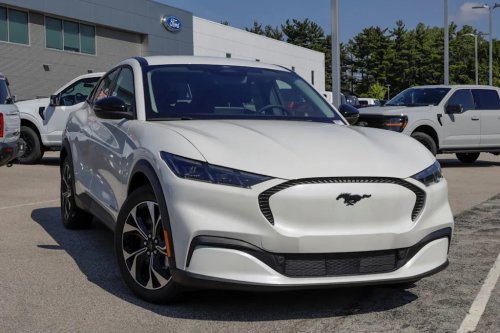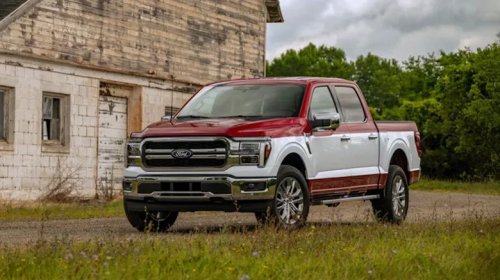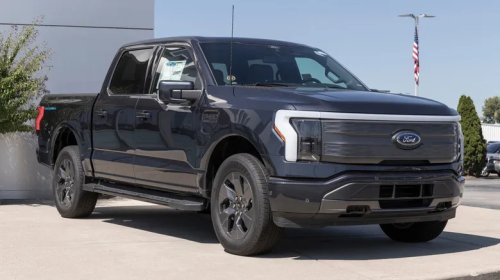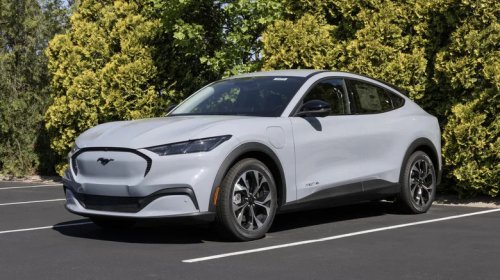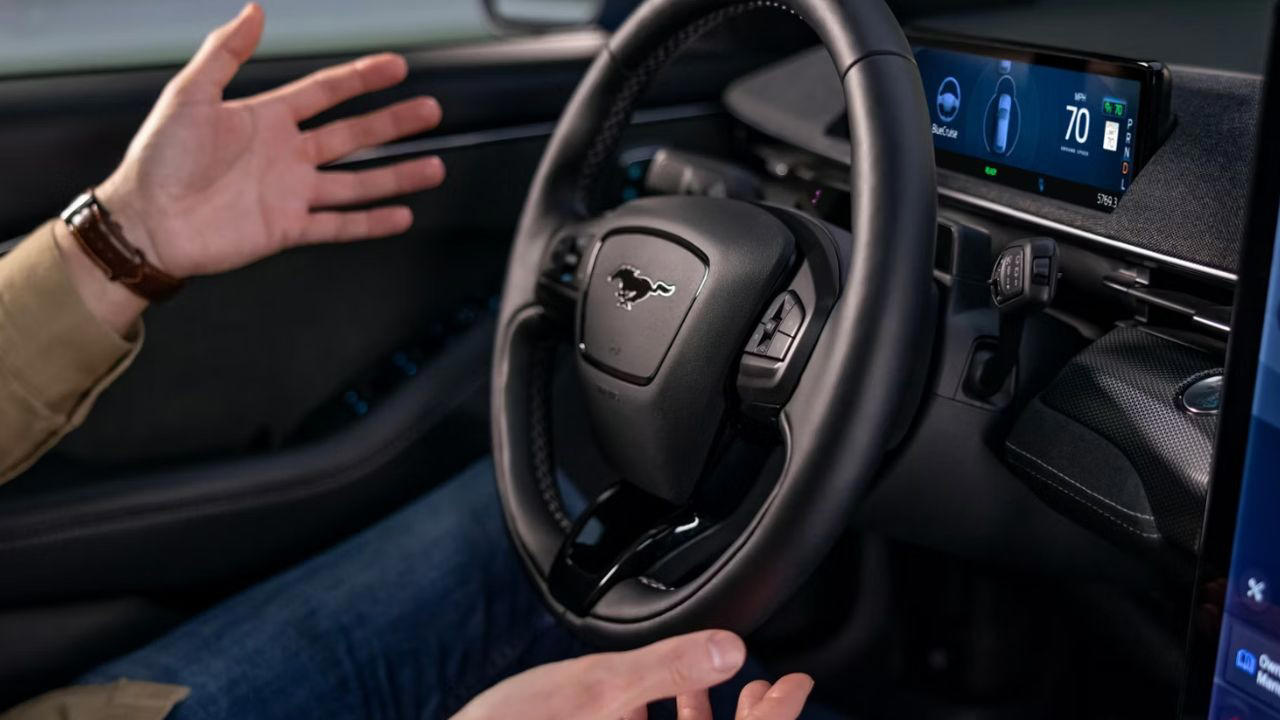

















NTSB criticizes Ford BlueCruise following fatal crashes, calls for stricter oversightThe National Transportation Safety Board has sharply criticized Ford’s BlueCruise driver-assistance system after investigating fatal crashes involving vehicles using the technology. The agency is pressing for tighter oversight of how these systems are designed, marketed, and monitored, arguing that current safeguards are not keeping up with real-world risks. At the center of the dispute is whether Ford’s hands-free system did enough to keep drivers engaged and whether regulators have set clear rules for a technology that sits between human driving and full automation. The findings arrive as carmakers race to sell advanced assistance features while safety investigators continue to document deadly failures. What happened Federal investigators examined multiple crashes in which Ford vehicles were operating with BlueCruise engaged, including at least one fatal collision where a Ford Mustang Mach-E struck a stationary vehicle ahead. In those cases, the NTSB concluded that the system allowed the driver to disengage from the driving task for extended periods while the vehicle continued at speed. BlueCruise, available on models such as the Ford F-150, Ford Expedition, Ford Mustang Mach-E, and Lincoln Navigator, is marketed as a hands-free driving assistant on pre-mapped divided highways. When active, it controls steering, acceleration, and braking while using a driver-facing camera to track eye and head position. Investigators found that in the fatal cases, the monitoring system did not intervene aggressively enough when drivers looked away from the road or failed to respond to alerts. According to the NTSB’s findings, the driver in one crash had BlueCruise engaged in a so-called “hands-free blue zone” when the vehicle approached slower or stopped traffic. The Ford did not brake in time, and the impact killed the occupant of the struck vehicle. The board faulted the system’s inability to reliably detect and respond to stationary objects at highway speeds, a known limitation of many Level 2 driver-assistance systems. In its review, the NTSB also scrutinized Ford’s driver-engagement strategy. The agency found that the in-cabin monitoring allowed drivers to look away from the road for several seconds at a time before issuing escalating warnings. In practice, this meant a driver could be visually distracted for long stretches while the vehicle traveled hundreds of feet, particularly at freeway speeds, with little or no corrective action from the system. The board noted that BlueCruise continues to present itself as a convenience feature on long highway drives, yet still relies on the human driver to handle edge cases and sudden hazards. The fatal crashes showed that when the system behaves confidently, many drivers treat it as more capable than it is, which increases the risk when the technology encounters a situation it cannot manage. In a pointed assessment reported by NTSB fault findings, investigators concluded that Ford’s safeguards were insufficient to prevent foreseeable misuse and overreliance. The board stressed that BlueCruise is a Level 2 system that requires continuous driver supervision, yet the combination of hands-free marketing and permissive monitoring encouraged drivers to disengage from active driving. Ford has defended its approach, pointing to over-the-air updates that refine object detection, lane-keeping, and driver monitoring, and to millions of miles driven with the system engaged. The company has said it cooperated fully with investigators and is reviewing the NTSB’s recommendations. Even so, the board’s conclusions place direct responsibility on Ford for the way the system was designed and presented to consumers, not only on individual drivers who misused it. Why it matters The NTSB’s criticism lands in the middle of a broader debate over how far carmakers can go in automating driving tasks without crossing into full self-driving territory. BlueCruise is one of several advanced driver-assistance systems that promise hands-free convenience on certain roads while still requiring drivers to stay alert. The fatal crashes show how fragile that balance can be when marketing, user expectations, and technical limits collide. For consumers, the distinction between “hands-free” and “self-driving” is often blurry. BlueCruise operates only on mapped divided highways and still depends on the driver to handle complex scenarios like construction zones, sharp curves, or unexpected obstacles. Yet the ability to take hands off the wheel, combined with branding that emphasizes comfort and ease, can lead drivers to believe the car will handle more than it truly can. The NTSB’s findings suggest that this gap between perception and reality is not just a communication problem, but a safety defect. If a system allows a driver to look away from the road for several seconds, fails to respond decisively to stationary vehicles ahead, and offers only limited escalation when the driver is inattentive, the technology itself becomes a contributing factor in crashes. The board is effectively arguing that design choices around alerts, engagement thresholds, and braking logic are as important as the underlying sensors and software. Regulators are also under scrutiny. The NTSB can investigate crashes and issue recommendations, but it does not write binding rules. That role falls to the National Highway Traffic Safety Administration, which has relied heavily on voluntary guidance and post-crash investigations rather than prescriptive standards for driver-assistance systems. The Ford cases raise the question of whether that approach is sustainable as more vehicles ship with hands-free features. So far, federal oversight has focused on data collection and defect investigations. Automakers must report crashes involving advanced driver-assistance systems, and NHTSA can open probes when patterns emerge. However, there are still no uniform federal requirements for how driver monitoring should work, how long a driver can look away before the system disengages, or how clearly companies must communicate the limits of automation. The NTSB is using the Ford crashes to argue for a more proactive framework. Its recommendations call for stricter performance benchmarks for Level 2 systems, including how they detect stationary objects, how they handle lane changes and merges, and how they escalate when a driver fails to respond. The board also wants clearer labeling and consumer education so that drivers understand that BlueCruise and similar systems are driver-assistance tools, not replacements for human judgment. The stakes extend beyond Ford. General Motors markets its own hands-free system, Super Cruise, on vehicles like the Chevrolet Silverado and Cadillac Escalade, while other manufacturers offer lane-centering and adaptive cruise combinations that approach hands-free capability. Any new standards or enforcement actions that come out of the BlueCruise investigation are likely to shape how these systems evolve across the industry. Insurance and liability questions are also in play. When a crash occurs with a driver-assistance system active, responsibility can be contested among the driver, the automaker, and sometimes the software supplier. The NTSB’s explicit finding that BlueCruise design choices contributed to fatal outcomes strengthens the case for holding manufacturers accountable when their systems encourage misuse or fail to manage known limitations. For families of victims, the distinction between human error and system failure can feel academic. What matters is that a vehicle sold with advanced safety features behaved in a way that allowed a preventable crash. The NTSB’s push for stricter oversight reflects a growing recognition that partial automation changes driver behavior, and that safety regulators must evaluate that interaction, not just the mechanical performance of the car. What to watch next The immediate question is how NHTSA and Ford will respond to the NTSB’s recommendations. While the board cannot force a recall, its reports often prompt regulatory action when they highlight systemic risks. NHTSA could open or expand defect investigations into BlueCruise’s object detection and driver monitoring, and could pressure Ford to adjust how the system operates in hands-free mode. One likely area of focus is driver monitoring. The NTSB has signaled that allowing drivers to look away from the road for several seconds is too permissive, especially at highway speeds. Regulators may push for shorter allowable distraction windows, faster escalation from visual to audible alerts, and more aggressive system disengagement when drivers do not respond. Ford could be asked to tighten these parameters via software updates for vehicles already on the road. Another front is how BlueCruise handles stationary or slow-moving objects. Investigators have long known that many Level 2 systems struggle with parked vehicles, crash scenes, and other non-moving obstacles, particularly on high-speed roads. The fatal crashes involving Ford vehicles give NHTSA a concrete basis to demand better performance in these scenarios, or to require clearer warnings to drivers about the system’s limits. Beyond technical tweaks, policymakers are weighing whether to set baseline standards for all advanced driver-assistance systems. That could include uniform definitions of automation levels, minimum requirements for driver monitoring, and performance tests for common highway hazards. The NTSB’s critique of BlueCruise adds pressure on federal agencies to move from voluntary guidance to enforceable rules. State governments may also step in. Some states already regulate testing of fully autonomous vehicles, but most have not addressed consumer-grade driver-assistance systems. In the wake of high-profile crashes, state legislatures could consider bills that limit how hands-free systems are marketed, require clearer dashboard labeling, or mandate driver-education modules when such features are activated for the first time. For Ford, the long-term impact will depend on how it balances safety improvements with the commercial appeal of BlueCruise. The company has promoted the system as a key differentiator on high-margin vehicles like the F-150 and Lincoln Navigator, and has tied it to subscription revenue through software-enabled features. Any changes that make the system feel more restrictive, such as more frequent disengagements or stricter monitoring, could affect customer satisfaction but may be necessary to satisfy regulators and reduce crash risk. Other automakers are watching closely. If Ford is pushed to adopt tighter safeguards, competitors may preemptively adjust their own systems to avoid similar scrutiny. That could accelerate a shift toward more conservative designs that prioritize driver engagement over comfort, at least until the technology reaches higher levels of automation. There is also a broader trust question. High-profile failures of driver-assistance systems risk eroding public confidence in automotive technology that, when used correctly, can reduce fatigue and smooth traffic flow. The NTSB’s message is not that automation should be rolled back, but that it must be matched with realistic claims and rigorous safeguards. How Ford and regulators respond will shape whether drivers see these systems as reliable aids or unpredictable risks. Looking ahead, the industry faces a choice between incremental improvement and a more fundamental rethink of partial automation. One path involves tightening monitoring, refining object detection, and adjusting marketing language while keeping the basic hands-free model intact. The other would move toward either more limited assistance that keeps drivers firmly in control, or more advanced automation that takes full responsibility in specific conditions. The NTSB’s criticism of BlueCruise suggests that the current middle ground, where the car does much of the work but the human is still legally responsible, may not be stable without stronger oversight. As investigations continue and regulators weigh new rules, the Ford cases will serve as a reference point for how far companies can go in promising automated convenience before safety agencies step in. More from Fast Lane Only Unboxing the WWII Jeep in a Crate 15 rare Chevys collectors are quietly buying 10 underrated V8s still worth hunting down Police notice this before you even roll window down