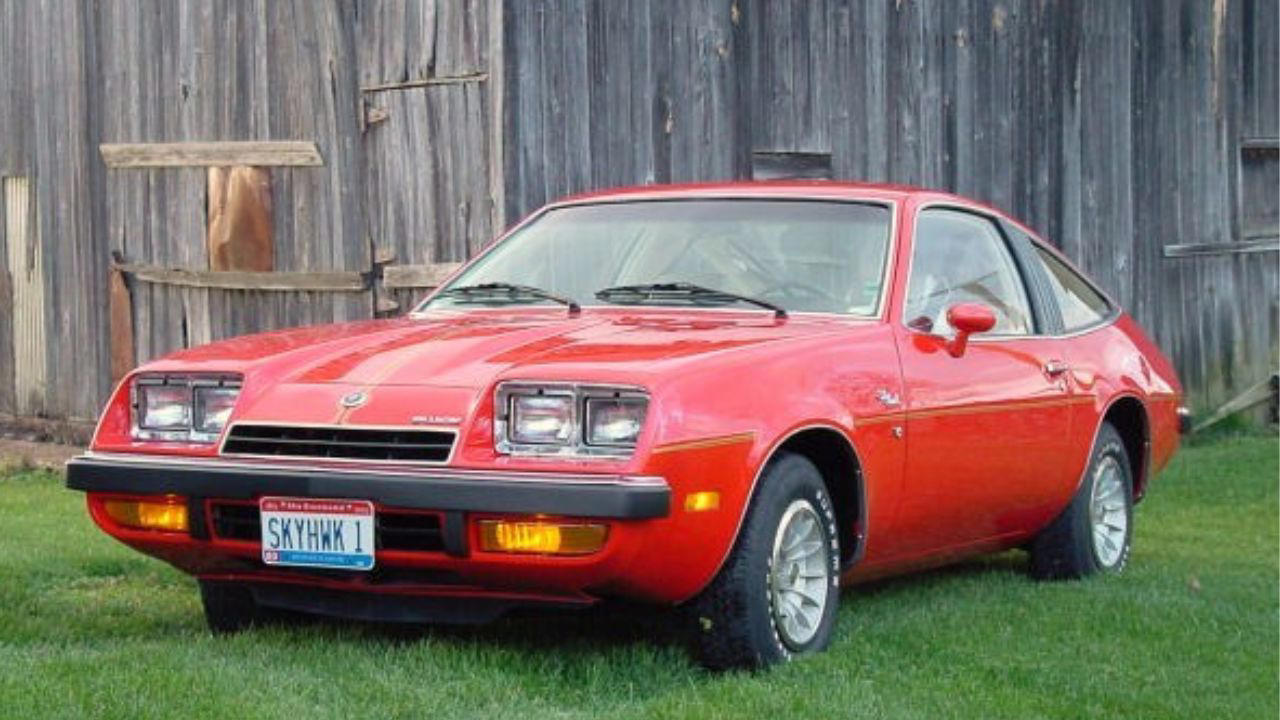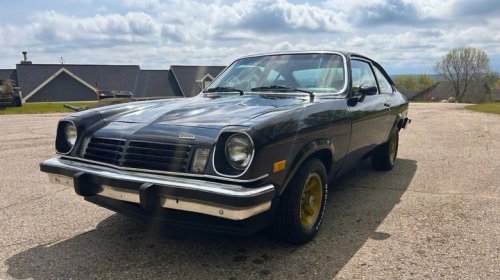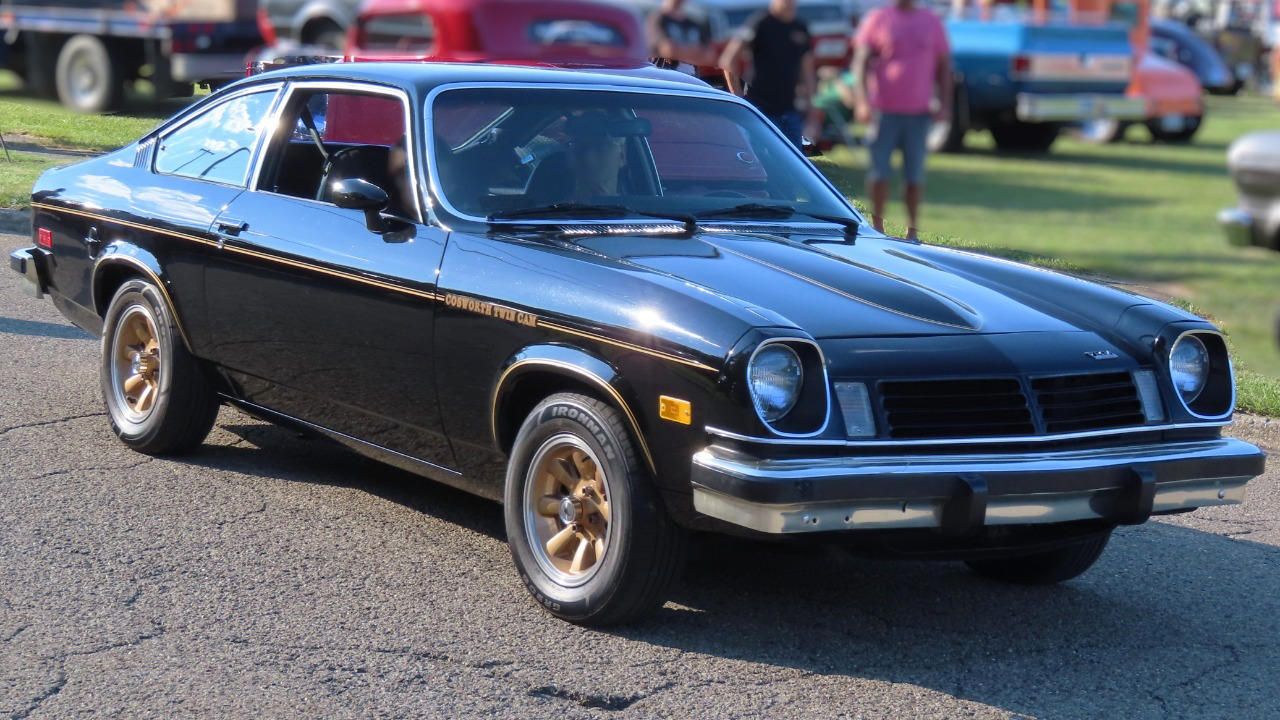



















Not every experiment fails but the 1975 Cosworth Vega came closeThe 1975 Chevrolet Cosworth Vega was supposed to be the car that proved Detroit could build a sophisticated small performance machine to rival Europe. Instead, it became a case study in how a promising experiment can be sunk by timing, price, and a flawed foundation. Not every engineering gamble fails outright, but the Cosworth Vega came close enough that its survival today depends more on curiosity and nostalgia than on the legend it once aimed to create. Half a century later, the car still fascinates because it embodies both sides of American innovation in the 1970s: genuine technical ambition wrapped in a body and business plan that never quite lived up to the promise under the hood. The big idea: an American DOHC experiment Inside Chevrolet, the Cosworth project was meant to prove that a domestic compact could carry cutting edge technology. The Chevrolet Cosworth Vega arrived as what one period description called American DOHC Experiment, a small hatchback with a race bred twin cam four cylinder that looked more at home in a European sports sedan than in a showroom next to full size Chevrolets. The project drew on a partnership between Chevrolet and Cosworth Ltd, the British engineering firm that had already built a reputation for high revving racing engines. The result was a hand worked version of the Vega engine with a new cylinder head, fuel injection, and a focus on precision that stood in sharp contrast to the mass market four cylinder it replaced. Where the standard car chased cost savings, the Cosworth variant chased sophistication. Within General Motors, the effort was framed as a statement about the future of Detroit. Company leaders such as Ed Cole had argued that American manufacturers needed to move into more advanced small cars. Later coverage of the 1975 and 76 model years would note that History would prove needed to get into that game. The Cosworth Vega was the bold, if flawed, attempt to do exactly that. From ordinary Vega to Cosworth halo car The context around the base Vega mattered. By the mid 1970s, the Vega had already earned a reputation for problems that went far beyond the usual teething issues of a new model. Reports described how the car had become notorious for corrosion, reliability concerns, and safety questions. A later assessment summarized that Vega itself had for several issues, from reliability to rust, which meant any special version would be fighting against a damaged nameplate. Those problems were not abstract. A separate look at the broader Vega story recalled how Chevrolet tried to recover from the failure that was the Corvair by launching a new small car program at the start of the decade. The video commentary on how Vegas and Chevrolet history intersected underscored how much pressure sat on the Vega line to succeed. When early engines developed issues, including overheating that could warp the aluminum block and in some cases lead to engine fires, the model quickly attracted the kind of attention no manufacturer wants. Into that environment, Chevrolet and its British partner tried to drop a halo car. The Cosworth version used a heavily reworked 2.0 liter engine with a Cosworth designed twin cam head and sophisticated fuel delivery. One description called it a super Vega and emphasized that this special model was the product of cooperation between Chevrolet and Cosworth, with the Vega transformed by British engineering expertise. Inside the company, there was real belief. Enthusiast coverage has pointed out that the mavens at Chevrolet were convinced enough to approve the Cosworth Vega for production, even though the base car already carried baggage. A later reflection on that decision noted that Chevrolet believed, that’s, and moved ahead with a car that would ultimately last only two model years. Engineering ambition meets showroom reality On paper, the hardware looked promising. The Cosworth engine featured dual overhead camshafts, four valves per cylinder, and a focus on breathing and high rev performance that American buyers mostly associated with European brands. The Chevrolet Cosworth Vega was marketed as a limited production performance version of the small hatch, carrying a black and gold color scheme and numbered dash plaques to reinforce the sense of exclusivity. The engine was hand assembled, and the car came with suspension and cosmetic tweaks that set it apart from an ordinary Vega. Yet the numbers that mattered in showrooms were not just horsepower figures. They were prices, and on that front the car stumbled badly. One retrospective on the model pointed out that the CV was originally intended to retail for approximately $4,000, a figure that already placed it at the upper end of the compact segment. In practice, the final sticker climbed even higher, pushing the Cosworth into territory where buyers could cross shop established European sports sedans. That price problem was compounded by the fact that the underlying car still looked and felt like a Vega. A later analysis of the Cosworth project described how the base platform had been plagued with recalls and quality issues, and that any special version would inherit that reputation. Commentators noted that Chevrolet tried to make the Vega compete with BMW, and that the attempt became a kind of cautionary tale. One piece on the effort described how this strategy turned into a hilarious failure, in part because the engine problems and rust concerns of the standard car were already well known. Dealers saw the conflict directly. The Cosworth powertrain looked exotic, but the cabin and structure around it were familiar to anyone who had sat in an economy Vega. When customers asked why they should pay sports sedan money for a car that still carried the same body shell and many of the same components as the cheaper version, sales staff struggled to answer convincingly. The BMW fighter that never was Chevrolet did not hide its ambition. The company positioned the Cosworth Vega as an American answer to European performance compacts, the kind of car that could be mentioned in the same breath as a BMW 2002. Later historians would describe it as a BMW fighter that never quite landed the punch. One detailed account stressed that There was also, and that the Vega had already become a byword for issues that no amount of tuning could fully erase. On the road, the Cosworth version did handle better than the base car, thanks to chassis tweaks and stickier tires. The engine revved more freely and delivered a character that felt more sophisticated than the pushrod fours that dominated domestic compacts. Even so, when compared with its European targets, the Cosworth often came up short in outright performance, especially given its weight and emissions constraints. Buyers who were willing to spend that kind of money on a small car could simply walk across the street to a foreign dealership and buy the real thing. The mismatch between ambition and execution showed up in production numbers. The Cosworth Vega was built only for the 1975 and 76 model years, and volumes stayed modest. A historical overview of the 1975 to 76 Cosworth Vega emphasized that the idea behind the Chevrolet Cosworth Vega was sound, but the execution was fraught with issues that limited its impact. Those problems were not just mechanical. The broader small car market in the mid 1970s was in flux, shaped by fuel crises, shifting regulations, and changing consumer expectations. Buyers wanted reliability and economy first, and many were skeptical of paying a premium for a high tech engine in a car whose badge already carried a cloud of doubt. Price, perception, and the short life of a halo car Inside Chevrolet showrooms, the Cosworth quickly became a hard sell. The original plan to price the CV at around $4,000 had assumed that buyers would see value in the exotic hardware and limited production. Instead, shoppers compared the Cosworth to cheaper domestic compacts and to imported sedans that had already proven themselves. The gap between what the car cost to build and what the market would bear narrowed the business case rapidly. Enthusiast groups that track the car today point out that the Cosworth program was always constrained. A community discussion of the model framed it as CHEVY COSWORTH VEGA: known American challenger to European sports cars, a car that tried to punch above its weight but never reached the volume or recognition its creators had hoped for. Dealers like Tom Forsyth, then a 26 year old Chevrolet dealer, experienced the fallout directly. Reports on the broader Vega saga recount how he watched customers walk away from the car once they learned about the history of engine problems and recalls. One account noted that overheating in early Vegas sometimes caused the aluminum block to warp, and that engine fires were reported. That baggage made it difficult to convince anyone that a more expensive version of the same basic car represented a safe bet. As a result, some Cosworth Vegas lingered on lots, discounted or bundled with incentives. The car that was supposed to be a halo for the line instead became a reminder of the risks of building a performance model on a troubled platform. By the time production ended after two model years, the experiment had clearly failed to reshape Chevrolet’s image in the way planners had imagined. What survived from the experiment For all its commercial disappointment, the Cosworth Vega left traces that mattered. Engineers inside General Motors gained experience with twin cam heads, electronic fuel injection, and tighter manufacturing tolerances for small four cylinder engines. Later small car programs would draw on those lessons, even if they did not carry the Cosworth name. Among enthusiasts, the car has found a second life as a collectible oddity. Modern auction listings treat the Chevrolet Cosworth Vega as a rare piece of 1970s experimentation, sometimes highlighting specific survivors from the 1976 model year. One listing for a 1976 car on a specialist auction platform, discovered through Cars and Bids, shows how collectors now value originality and low mileage in these cars, even if their performance numbers no longer impress. Online communities also keep the story alive. Enthusiast pages refer to the Chevrolet Cosworth Vega as a Bold Experiment and remind readers that Not every legend is born perfect, framing the car as a flawed but fascinating chapter in the brand’s history. One such post on the model describes the Chevrolet Cosworth Vega and uses that phrase to capture both the ambition and the missteps of the project. The car’s British connection also gives it a unique place in American automotive culture. While other domestic brands would later collaborate with foreign partners on engines and platforms, the Cosworth Vega stands out as an early attempt to graft European racing expertise onto a mass market compact. The fact that the experiment did not fully succeed does not erase the significance of that collaboration. More from Fast Lane Only Unboxing the WWII Jeep in a Crate 15 rare Chevys collectors are quietly buying 10 underrated V8s still worth hunting down Police notice this before you even roll window down