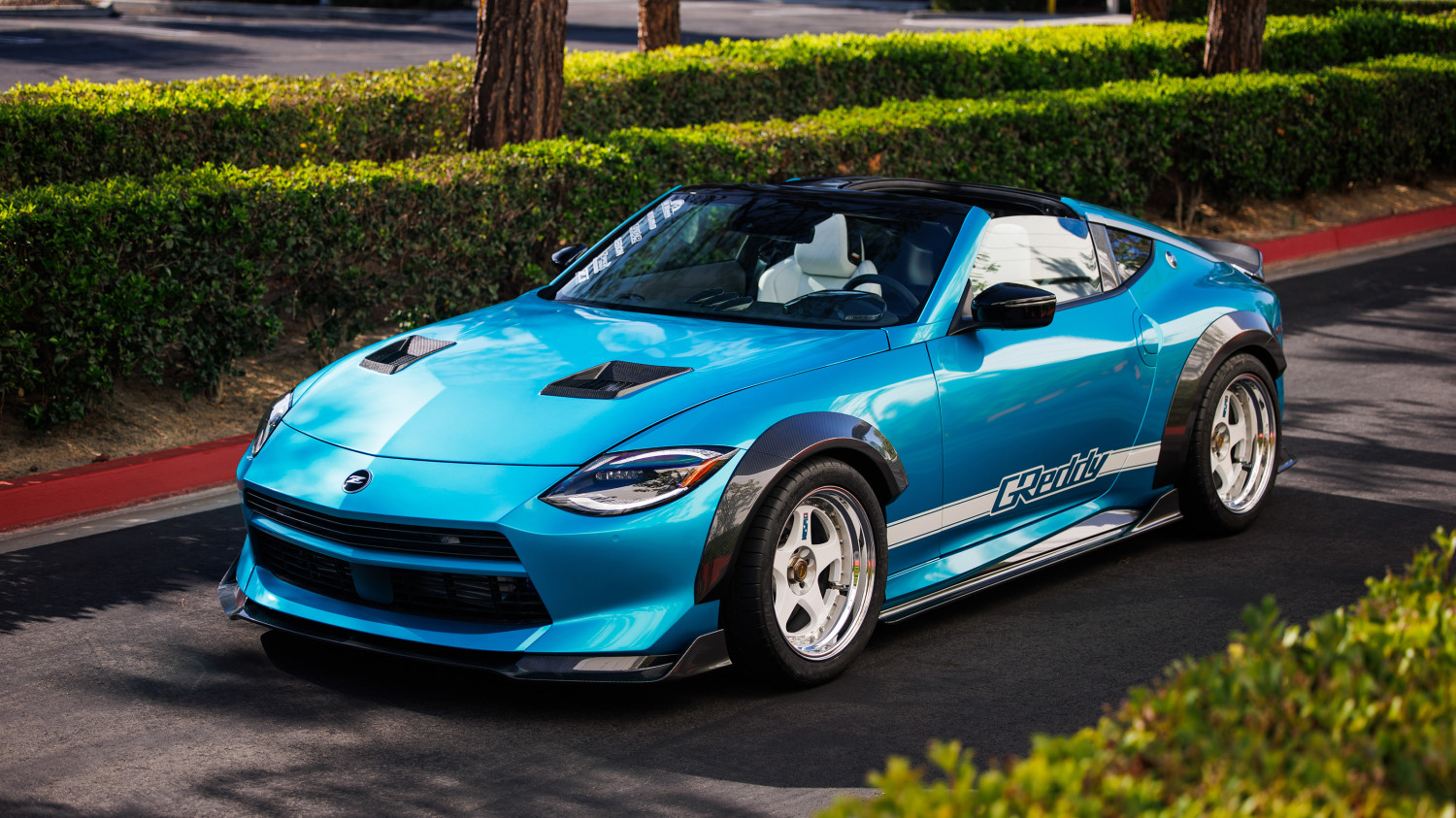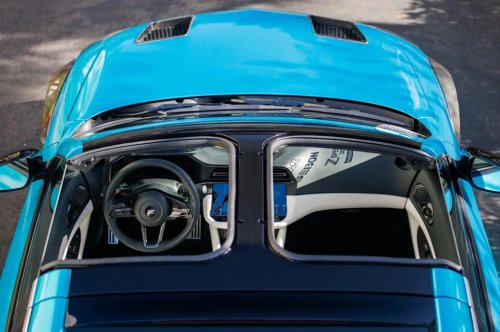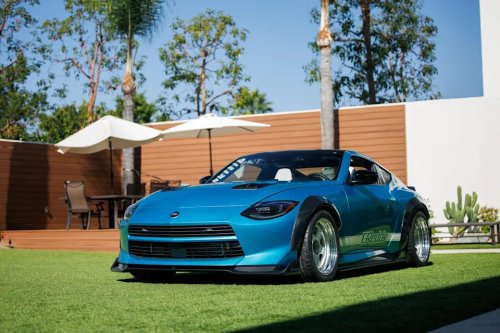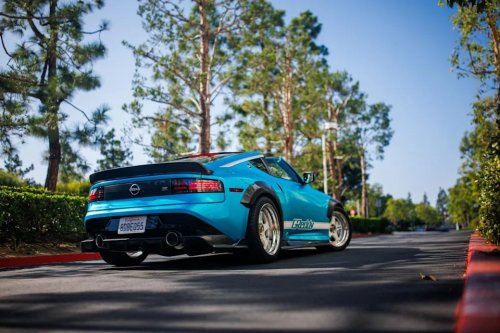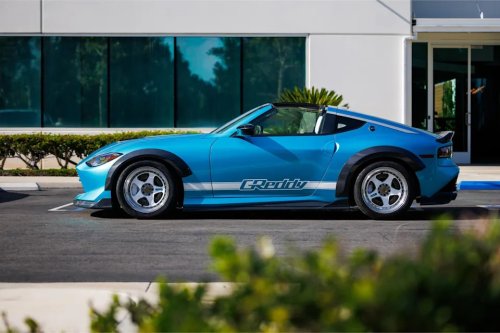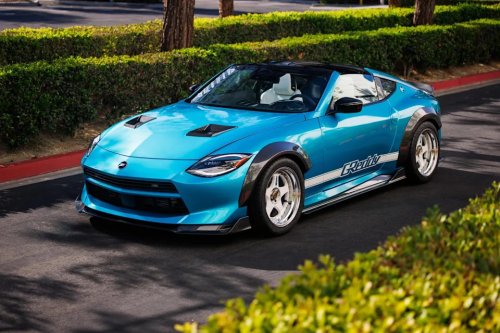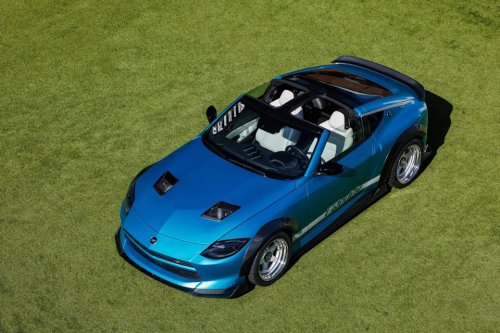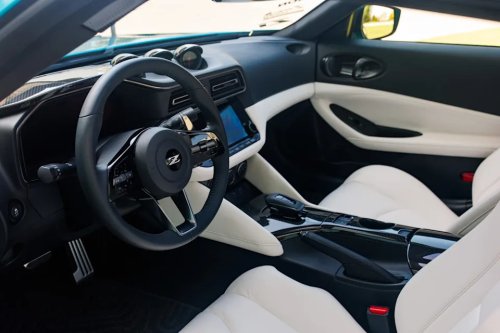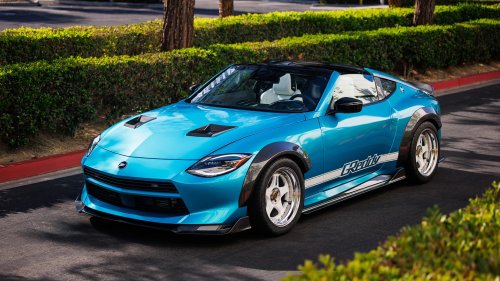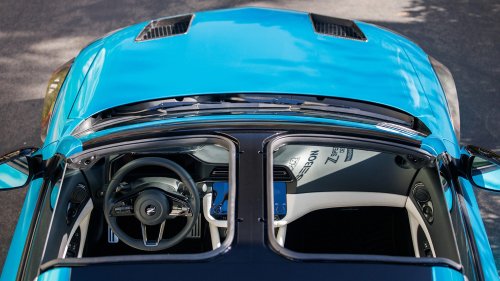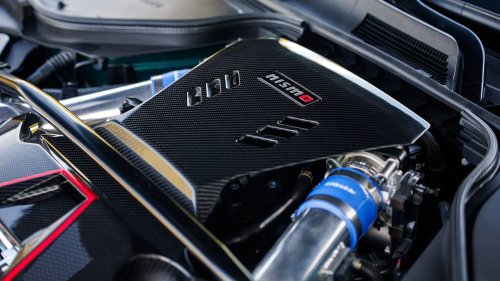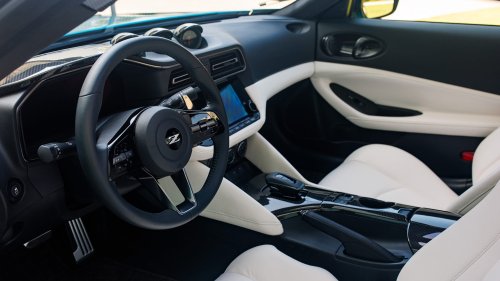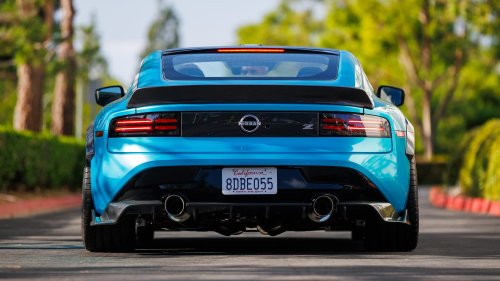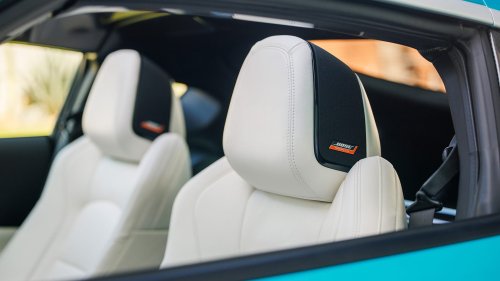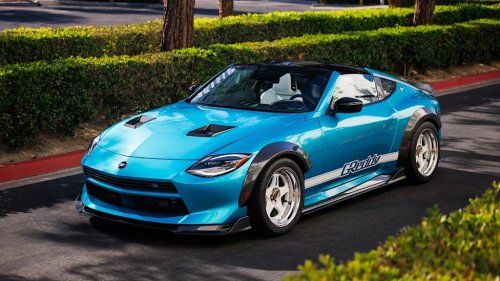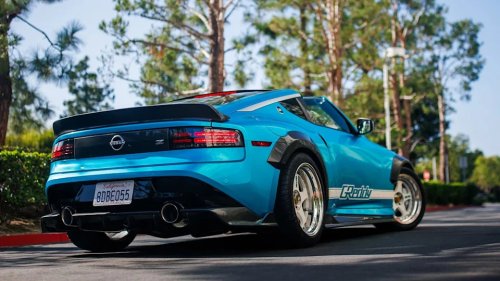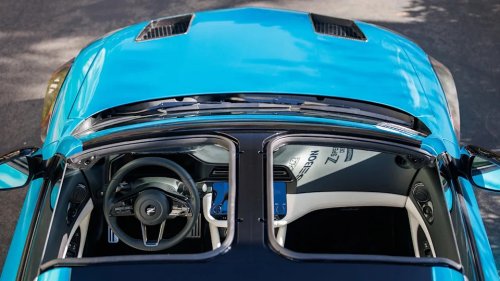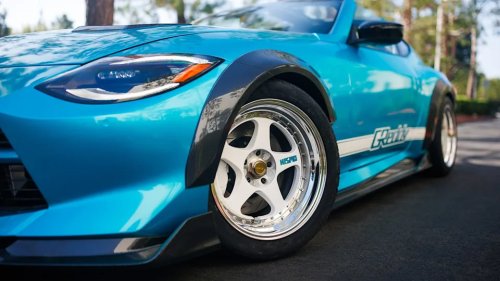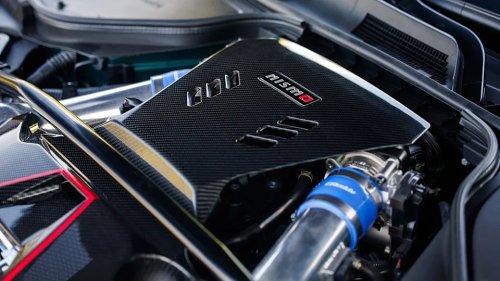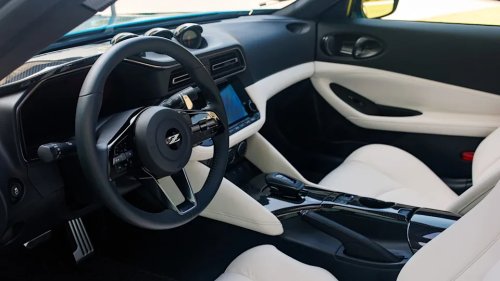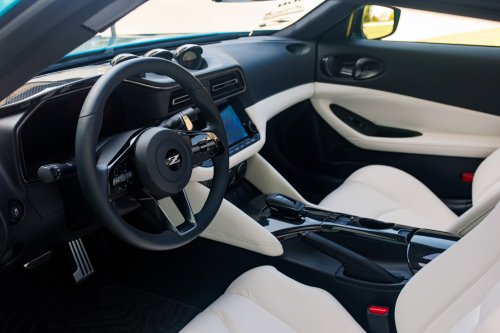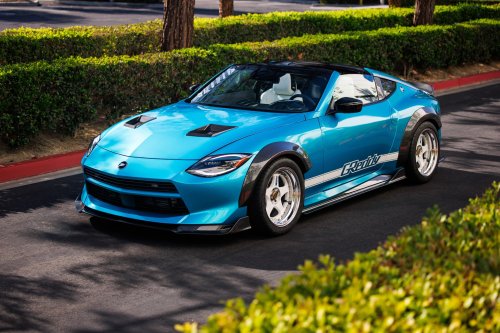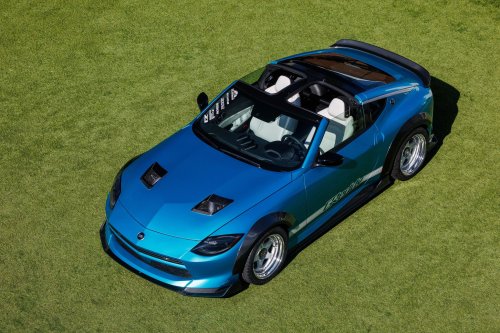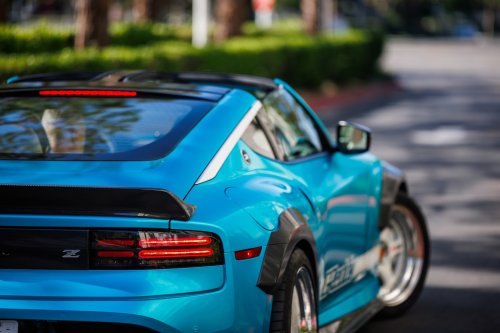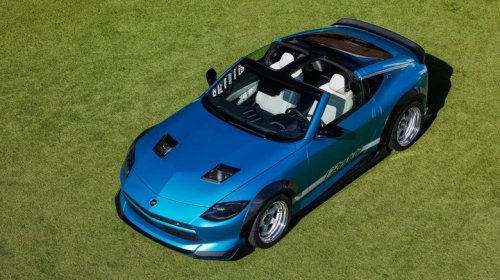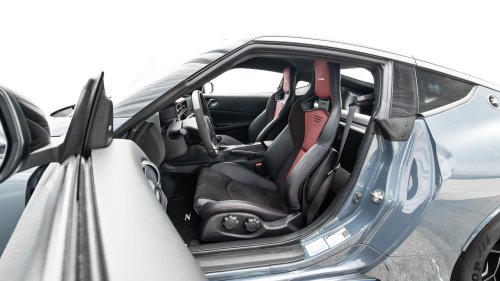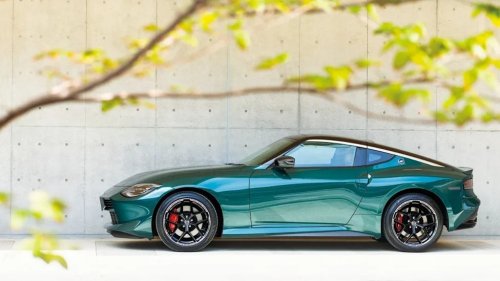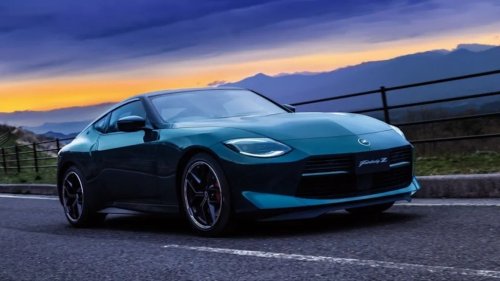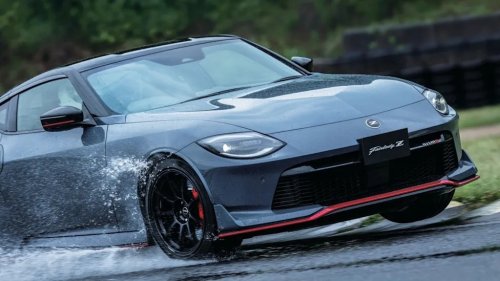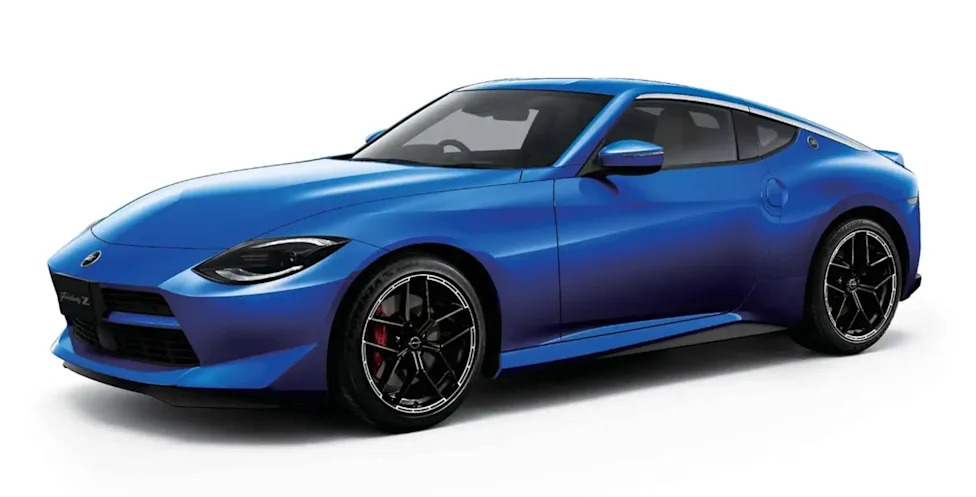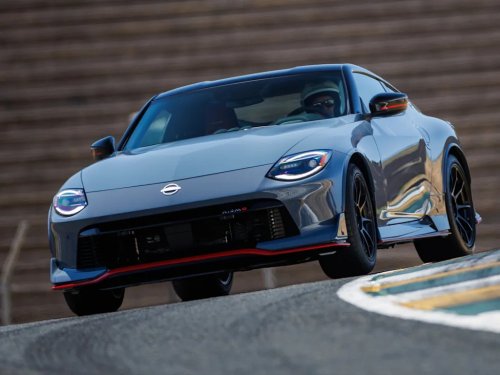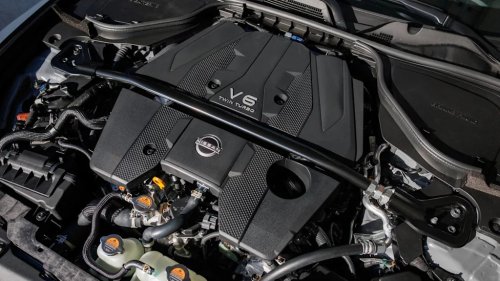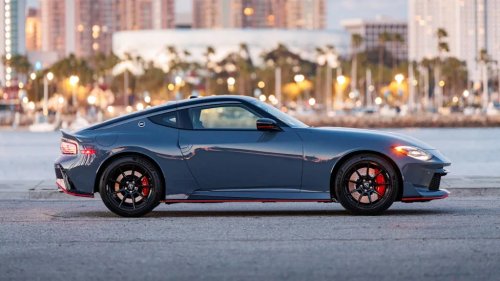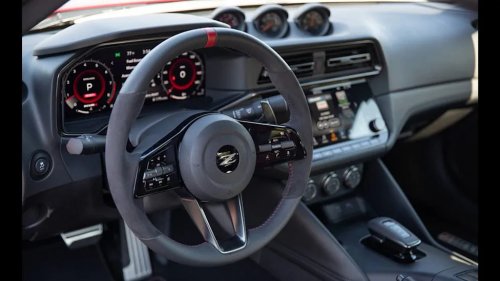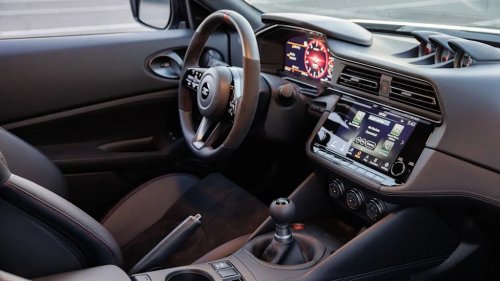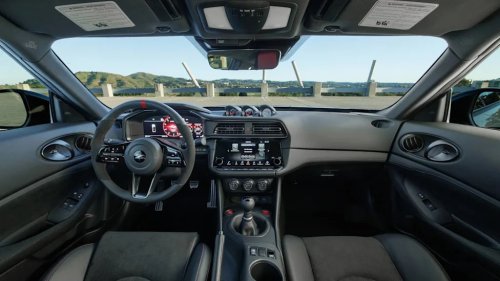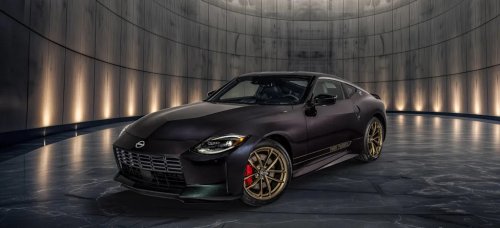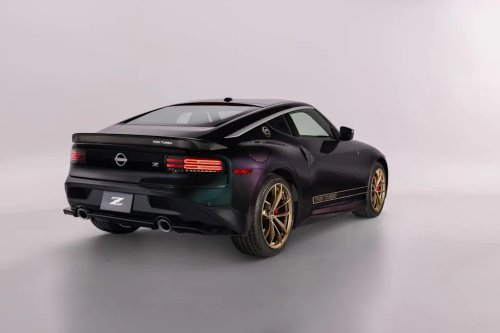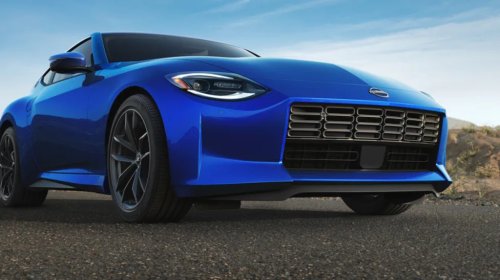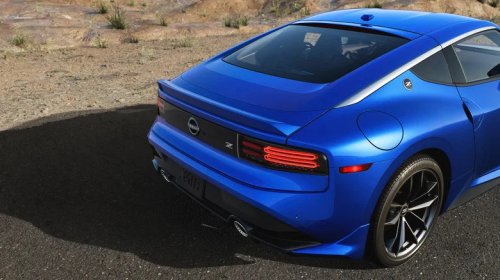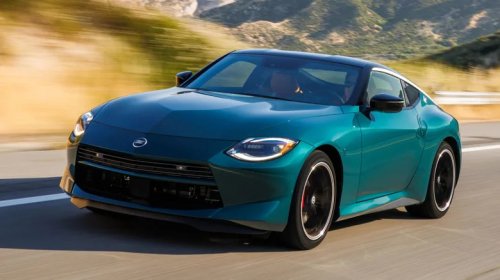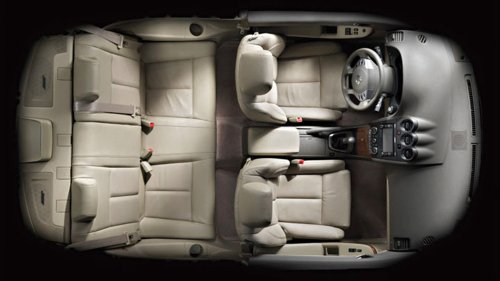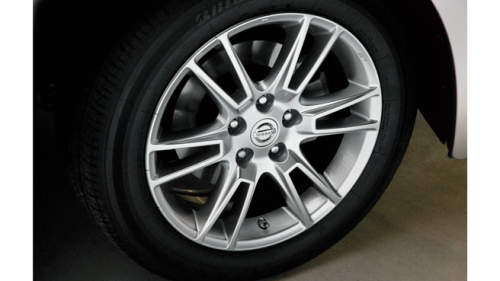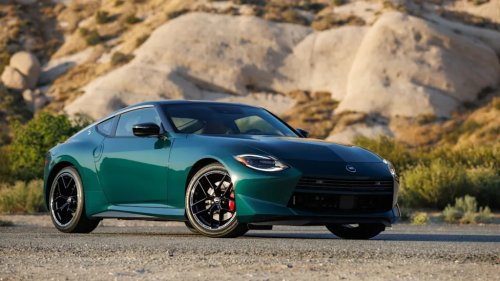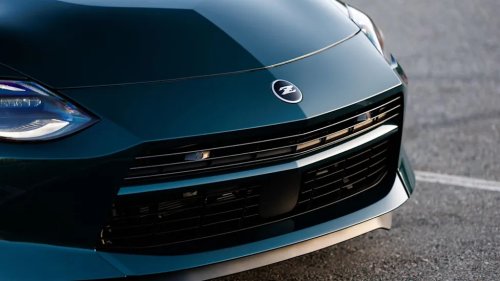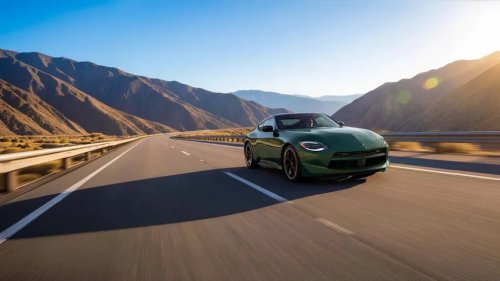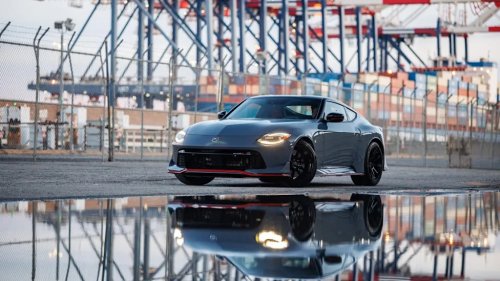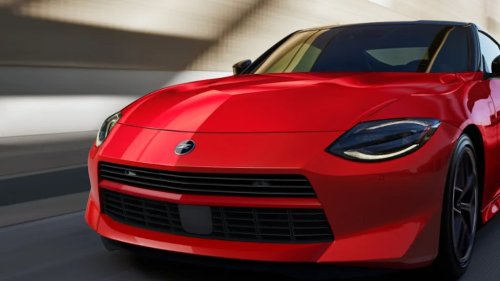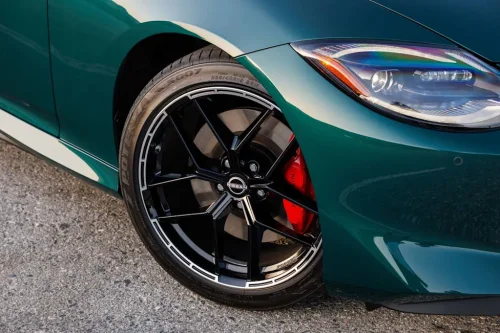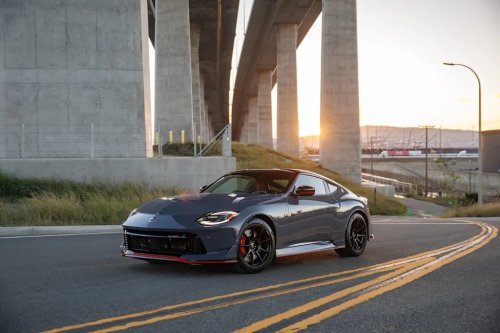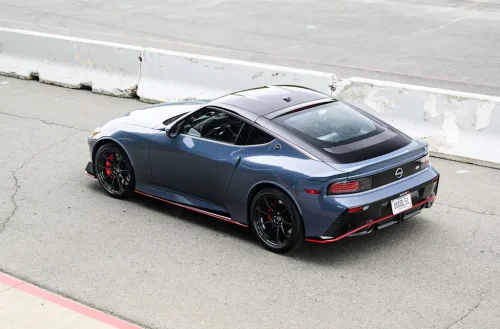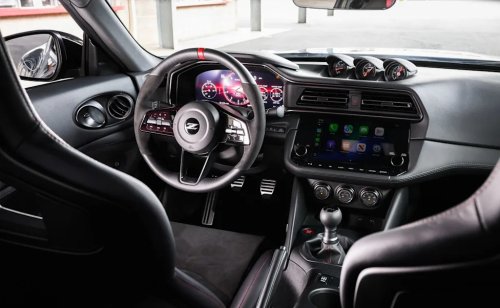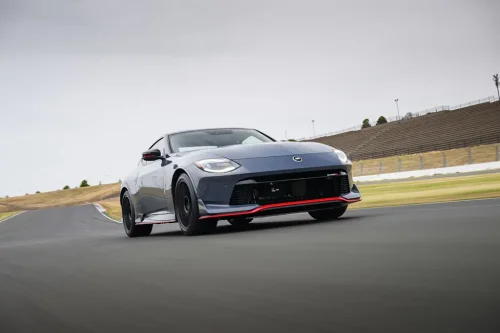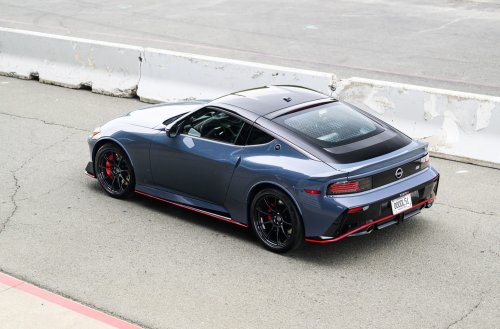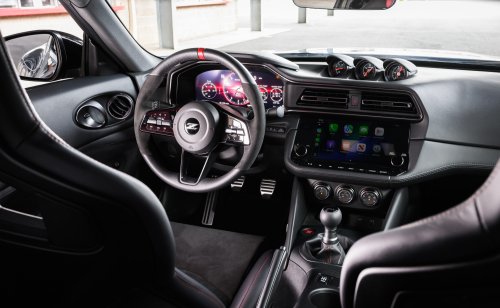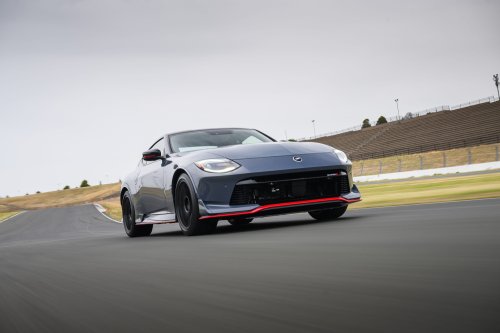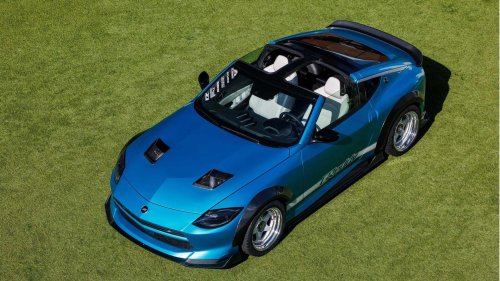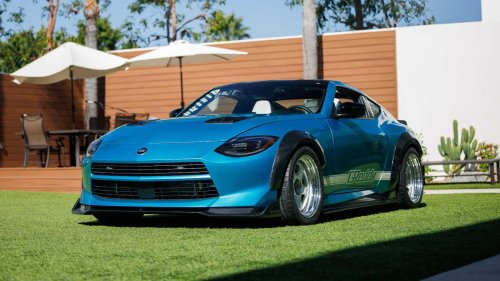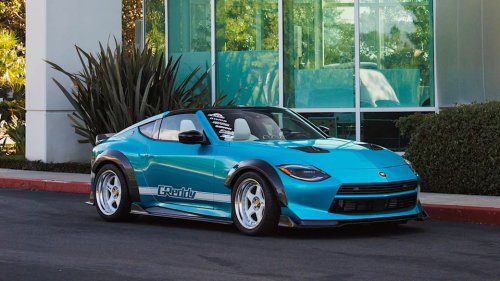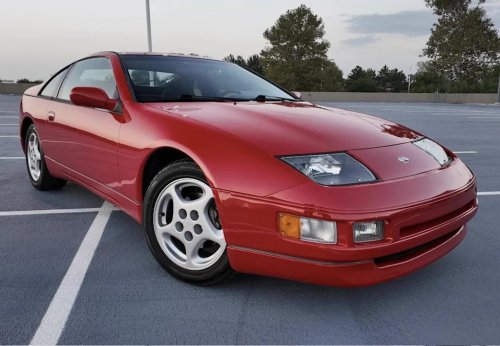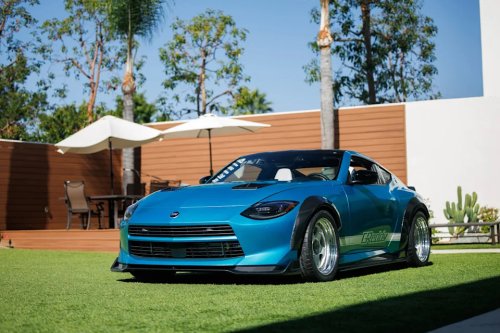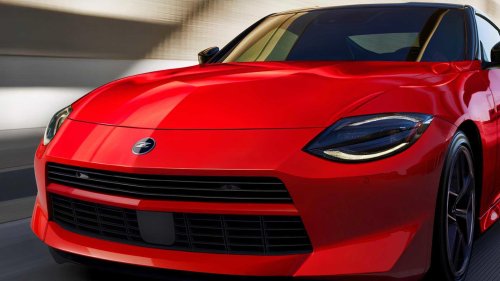
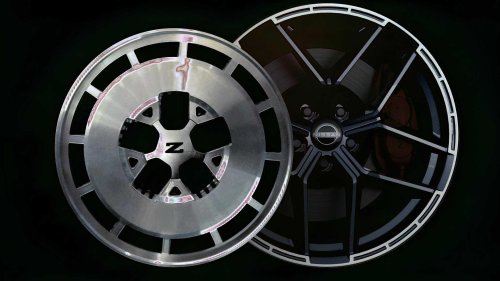
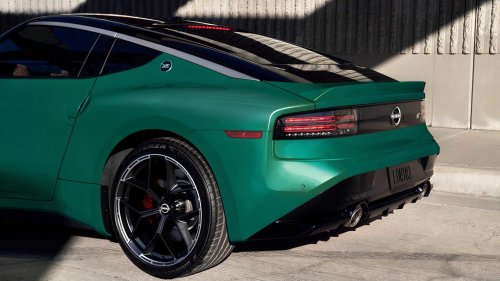
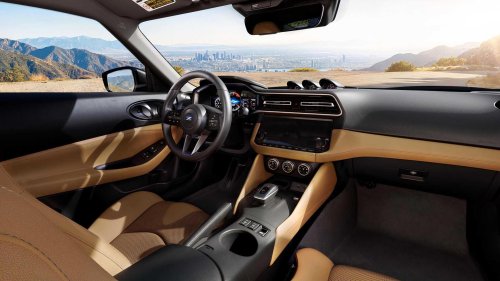
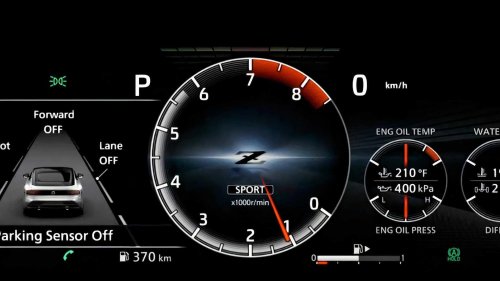
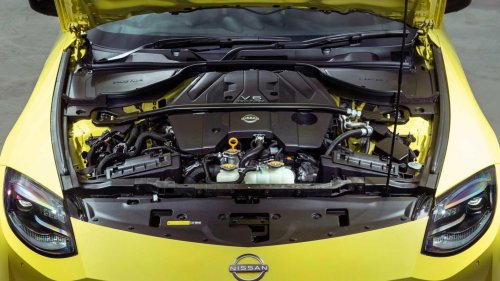


















The 2027 Nissan Z doesn't just wear its history — it earns it. Announced this week and expected in showrooms this summer, the updated Z arrives with five deliberate design callbacks to the generations that built the nameplate's reputation, from the split grille of the original S30 to a startup animation that cycles through all seven Z generations before you've even left the driveway.This isn't a styling department reaching for nostalgia because the brief said so. Program design director Shinichiro Irie and Nissan North America's Paul Hawson have been specific — almost surgical — about what each detail references and why. For Z enthusiasts who can tell an S30 from a Z31 at a glance, that specificity matters. The 2027 car is also a stronger performer underneath, with larger-diameter shock absorbers on Performance models and a new manual transmission option for Z NISMO. But the design story is the one worth sitting with. The Split Grille Is An S30 Reference, Not A Styling Accident NissanThe most immediately visible change on the 2027 Z is the front face. Where the current generation carries a single large grille opening — a concession to cooling demands that drew some criticism from purists — the 2027 car adds a horizontal bar through the mouth, splitting it into a form that directly echoes the 240Z's original front end. Hawson was candid about the tension that existed from the start. "When we launched this generation, there was a lot of discussion around the front face and the big grille for cooling," he said. "We've been able to maintain that cooling but have leaned further into the nostalgia by adding a horizontal bar through the mouth so it looks more like the S30 generation." Achieving that required designers to rework the grille shape while engineers re-packaged the front parking sensors around the new geometry — a small but telling example of how seriously the team took the reference.There's a second detail on the nose that Z historians will catch: the Nissan roundel is gone, replaced by a standalone Z emblem. That badge placement aligns the 2027 car with the S30, S130, Z31, and Z32 — four generations that wore the Z mark rather than the corporate logo. It's a quiet signal, but the right audience will read it immediately. New RAYS Wheels That Trace Back To The Z31's Machined Rims NissanZ Performance models roll on new 19-inch RAYS alloy wheels, and the design language is deliberate. The ten-spoke layout is arranged in a star pattern — a direct visual callback to the machined wheel option available on the Z31 (300ZX) in the mid-1980s, a wheel that became one of the more recognizable design signatures of that generation.Irie explained the balance the team was after: "The new wheel design carefully balances a modern look while paying homage to the beloved Z31. Plus, the thin spokes show off the Z Performance's large brake rotors and red calipers." That last point isn't incidental — the spokes are thin enough that the brake hardware becomes part of the visual statement, which is exactly what a performance wheel should do. The wheels are wrapped in Bridgestone Potenza S007 high-performance tires. Rear wheels are 0.5 inches wider than the fronts, a staggered setup that improves traction without requiring a separate rear-fitment tire size that would complicate ownership. Shinkai Green Is Grand Prix Green For The Modern Era — And It Won't Fade NissanOf all five heritage nods, the new Shinkai Green Pearl Metallic is the one that required the most engineering work to get right. The color is named for the Japanese word for "deep sea" and is explicitly inspired by Grand Prix Green, the shade offered on the original S30 that has become one of the most sought-after colors in Z collector circles.The problem with green paint is well-documented among enthusiasts: the pigments that produce rich, saturated greens are particularly vulnerable to UV degradation. A Grand Prix Green tribute that fades to a washed-out olive after a few summers would be worse than no tribute at all. Nissan's engineers addressed this by mixing ultra-fine yellow and blue pigments that read as green but carry better fade resistance than traditional green formulations. They also introduced a mild metallic flake to add depth and sharpen the car's character lines in direct sunlight.Shinkai Green is available on both Sport and Performance grades, so it isn't a NISMO-exclusive or a limited-run option. Paired with the tan interior available on Performance models, the combination lands exactly where Nissan intended — a color story that any S30 owner would recognize. The Tan Interior Completes The S30 Color Story NissanThe fourth callback is inside the car. Z Performance grades now offer a tan interior, a direct reference to the S30's original cabin palette. It's the kind of detail that gets overlooked in spec sheets but hits hard for anyone who has spent time in a first-generation Z — the warm, earthy interior was part of what made the S30 feel like a driver's car rather than a stripped-out sports machine.Irie described the thinking: "The tan interior provides a sophisticated impression that contrasts nicely with the black cabin materials on the upper dash and doors. We expect Z enthusiasts to love this new offering." The contrast he's describing — tan seats and lower panels against black upper surfaces — is a classic two-tone approach that avoids the beige-everywhere look that can make tan interiors feel dated.The pairing with Shinkai Green is the obvious choice, but Nissan confirmed the tan interior is also available with Black Diamond Pearl, Bayside Blue Quad Coat, Pearl White TriCoat, and Solid Red. That flexibility means the S30 color combination isn't the only story — it's just the most historically loaded one. The Startup Animation That Pays Respects To Seven Generations NissanThe fifth nod is the one you experience before you've moved an inch. Z Sport and Performance grades receive a new startup animation on the standard fully digital meter display — a sequence that cycles through previous Z generations as the car wakes up. "When you start up the car, you'll notice a new startup sequence. It includes previous Z generations popping out in an animation," Hawson said."It's more nostalgia — we're trying to pay our respects to the generations before." - Paul HawsonSeven generations means the S30, S130, Z31, Z32, Z33, Z34, and the current RZ34 all appear in that sequence. For a Z owner who came up through any one of those eras, seeing their car acknowledged in the instrument cluster before the engine even settles into idle is a small but meaningful thing. NISMO models, as before, carry their own distinct startup animation rather than the heritage sequence — a sensible split that keeps the NISMO identity separate from the broader Z lineage story. Performance Updates Underneath The Heritage Story NissanThe design callbacks would ring hollow if the 2027 Z were standing still mechanically, and Nissan made sure that isn't the case. Performance models receive larger-diameter shock absorbers, a change that sharpens body control without requiring a full suspension overhaul — the kind of targeted improvement that suggests the engineers were listening to feedback from Z Performance owners who wanted a more composed feel at the limit.The bigger news for NISMO buyers is the addition of a manual transmission option. The Z NISMO previously came only with the automatic, which was a sticking point for the segment of the Z community that considers rowing gears non-negotiable. That option now exists, and it brings the NISMO into alignment with what the driving-purist corner of the Z fanbase has been asking for since the current generation launched.Taken together, the 2027 updates read as a coherent statement: Nissan understands what Z enthusiasts actually want, both in terms of how the car looks and how it drives. The heritage callbacks aren't decorating a car that's otherwise coasting — they're layered onto a model that's also getting meaningfully better to drive. That combination is exactly what the Z story deserves.The 2027 Nissan Z arrives this summer. For Z faithful who've tracked every generation from the S30 forward, the five callbacks Irie and Hawson built into this car aren't just design details — they're proof that the people making decisions about the Z know exactly what they're working with. Let's hope they keep that standard when the next generation comes.