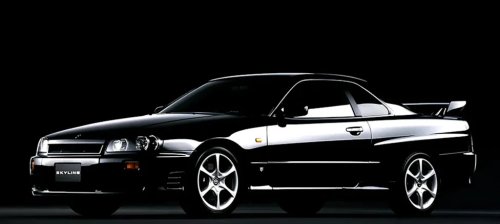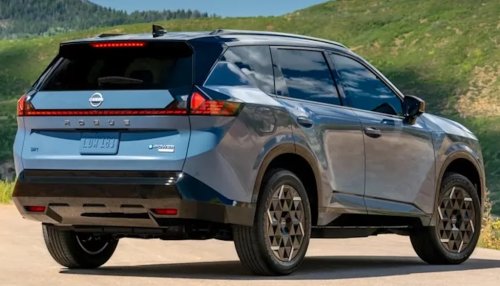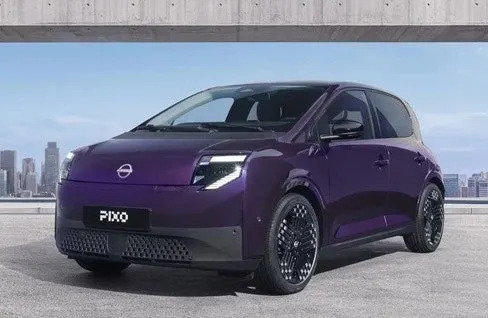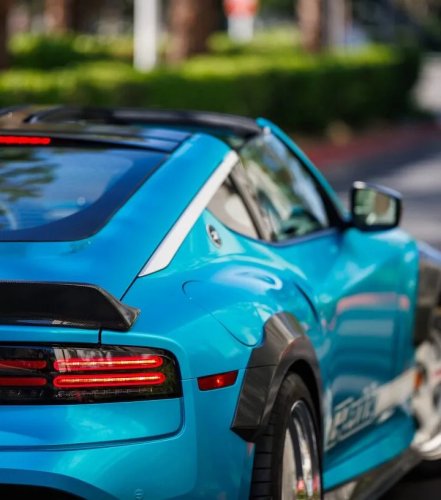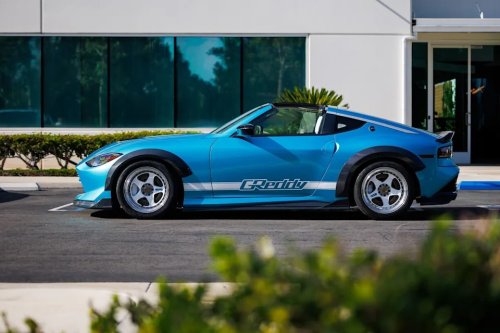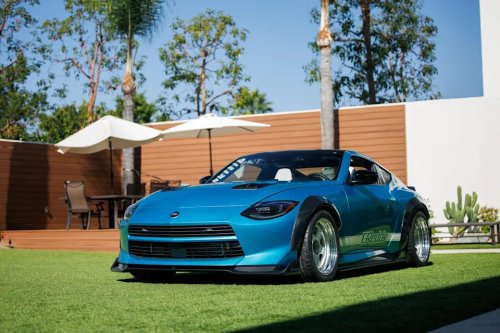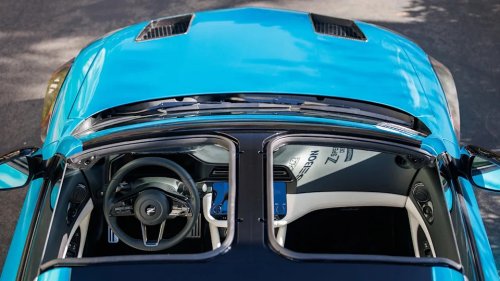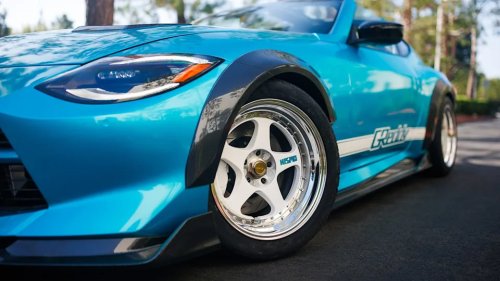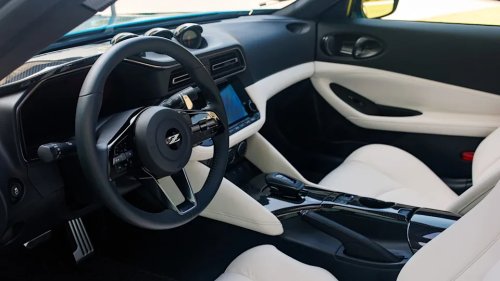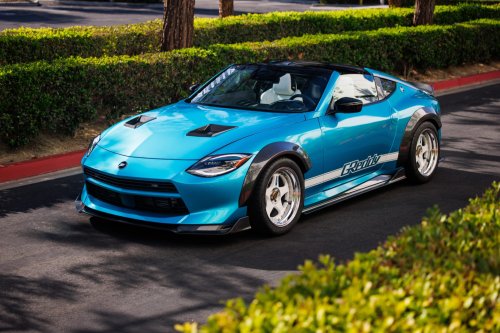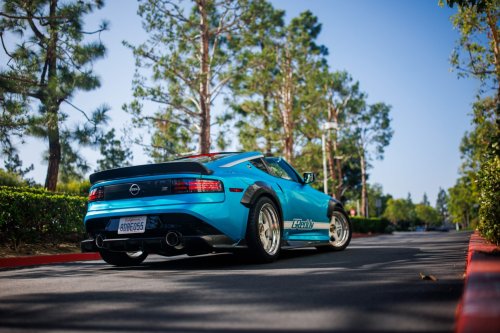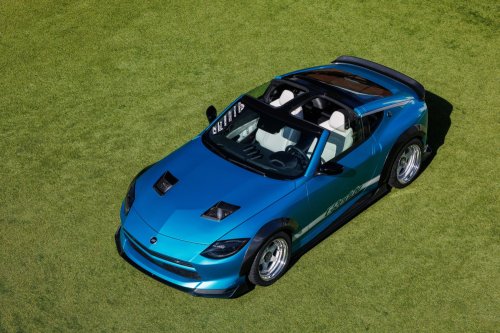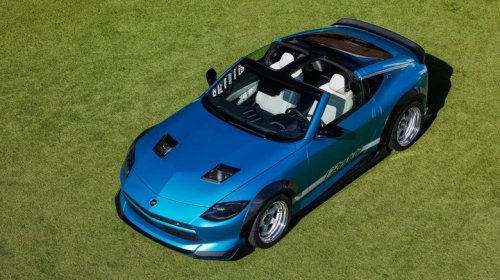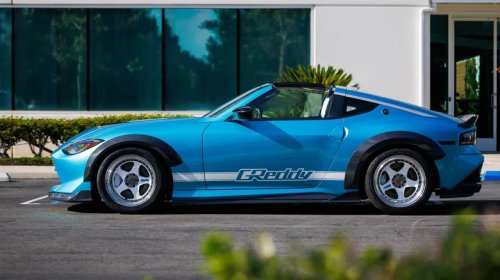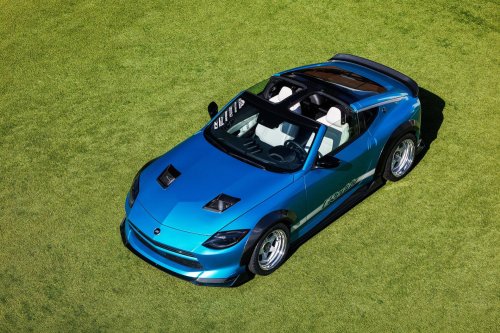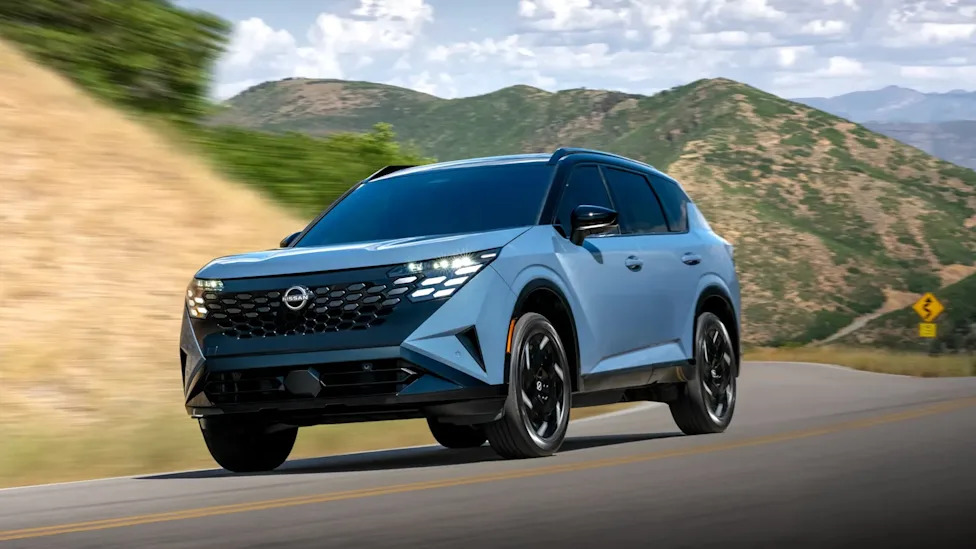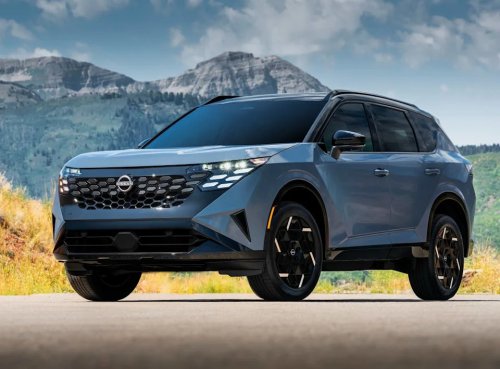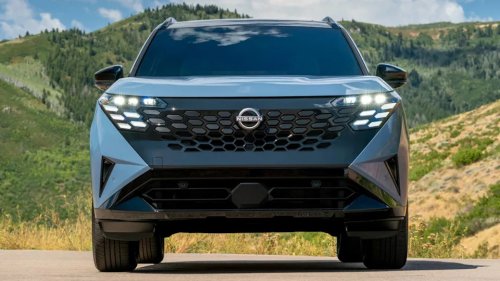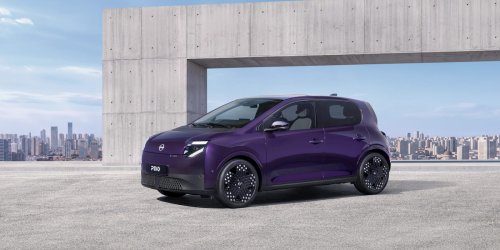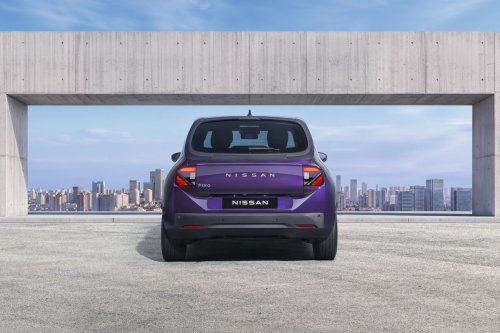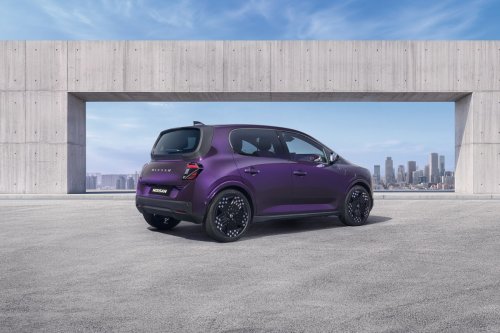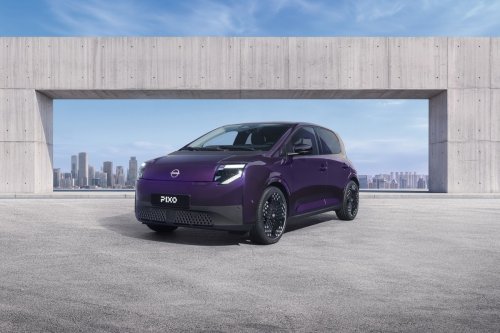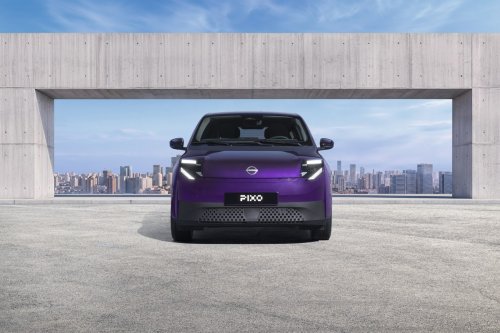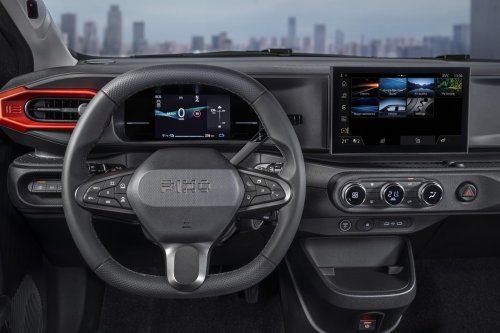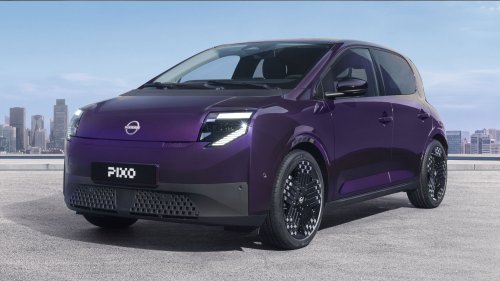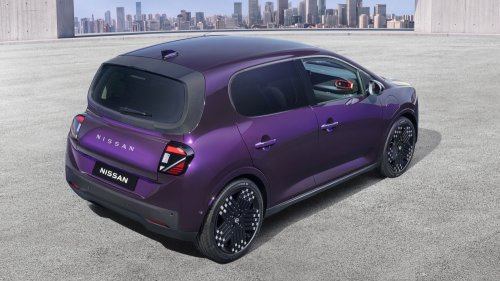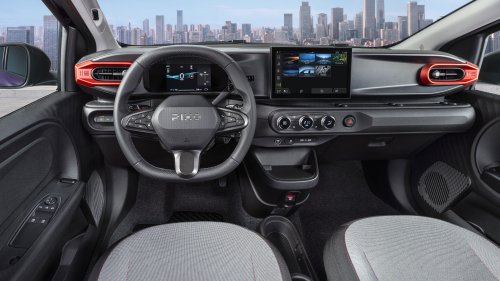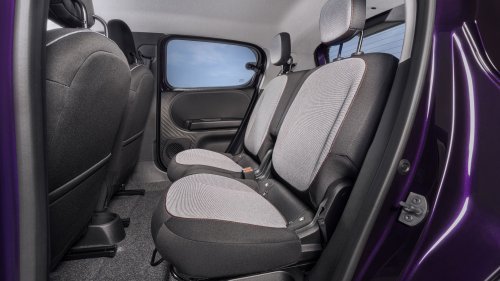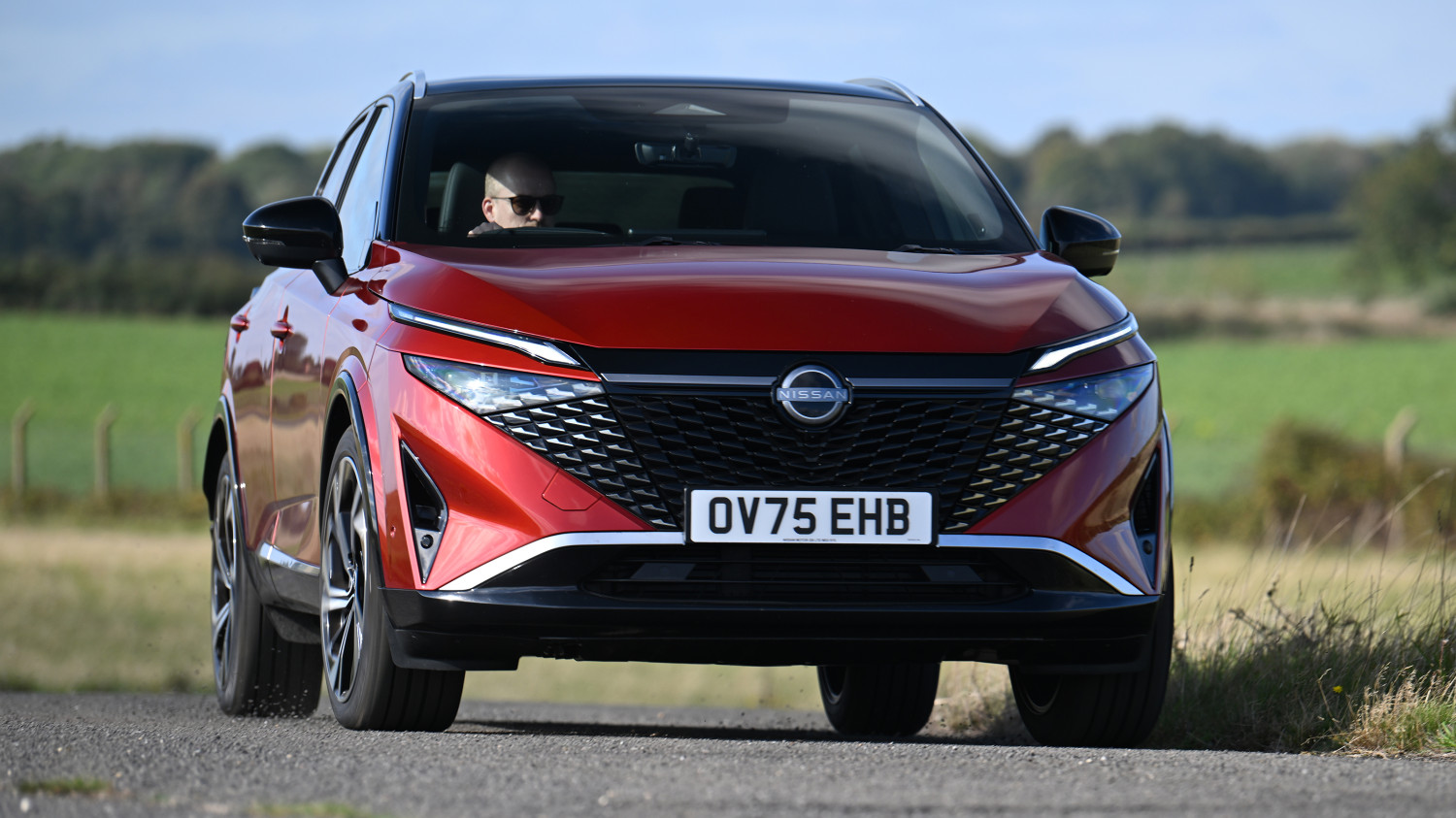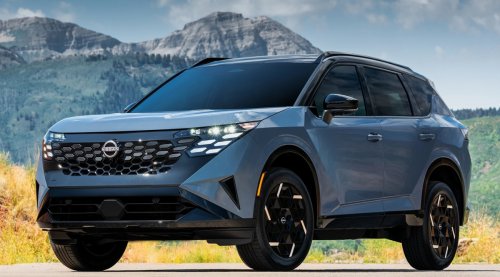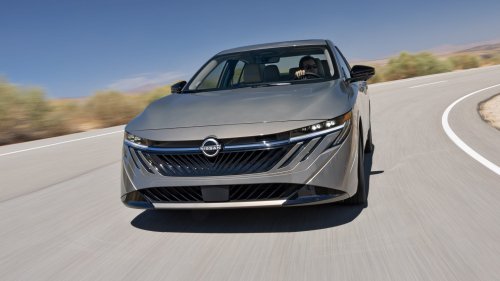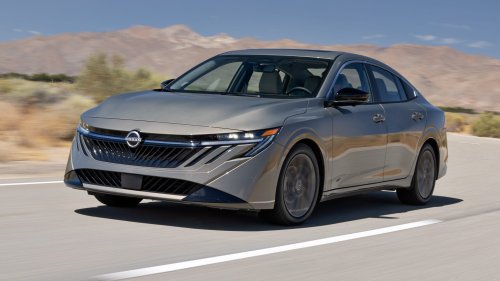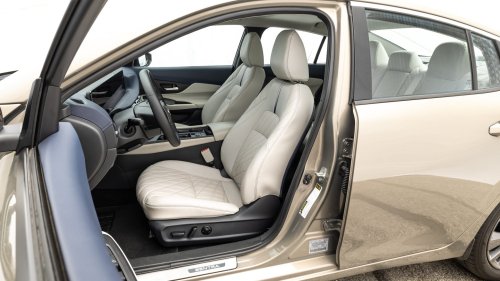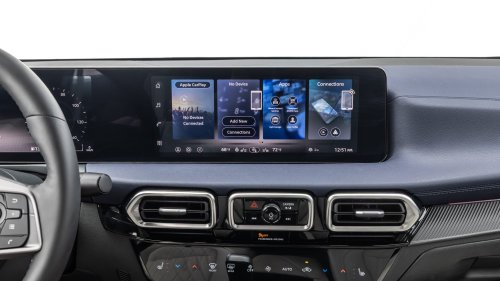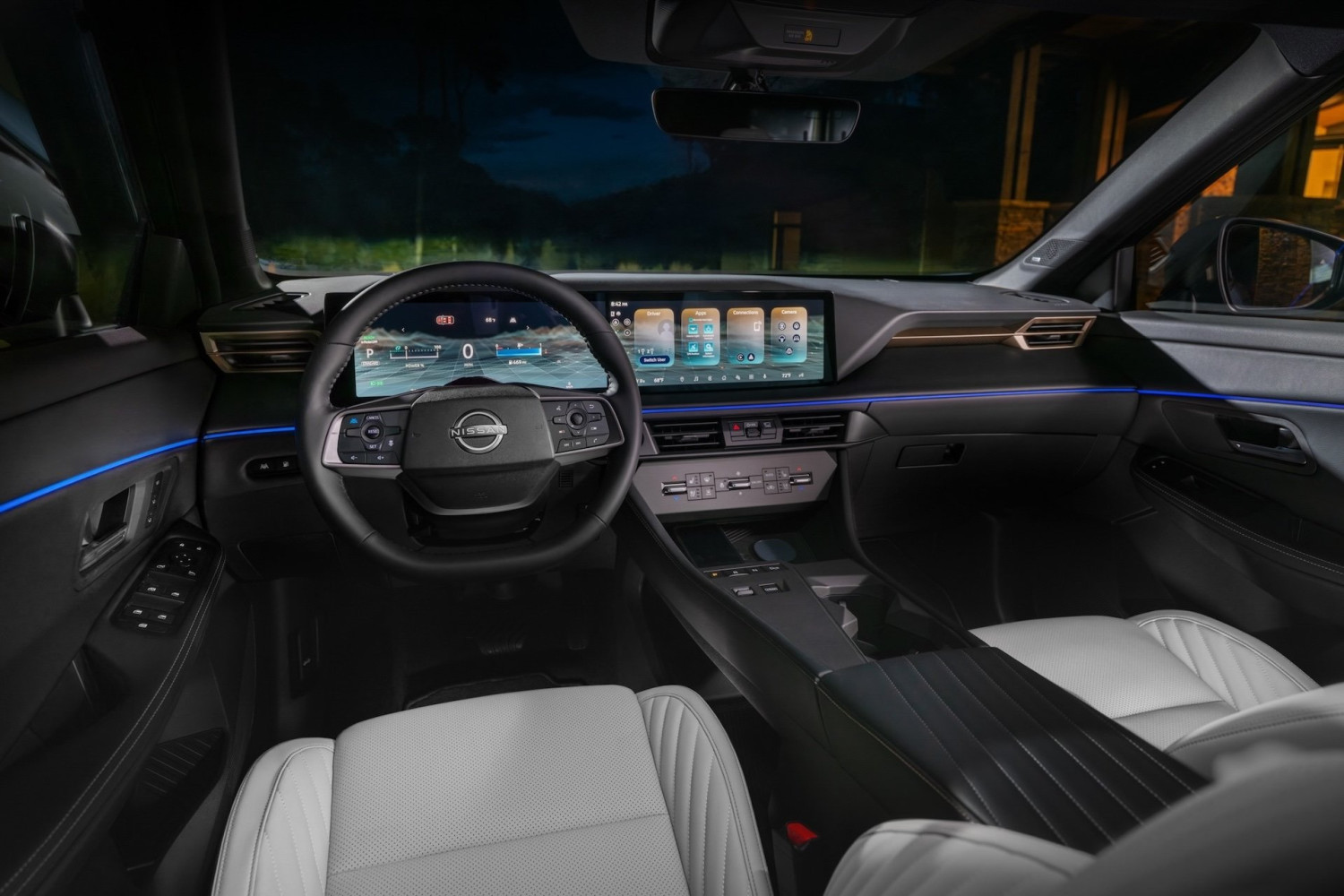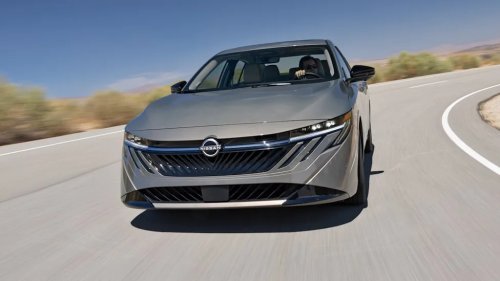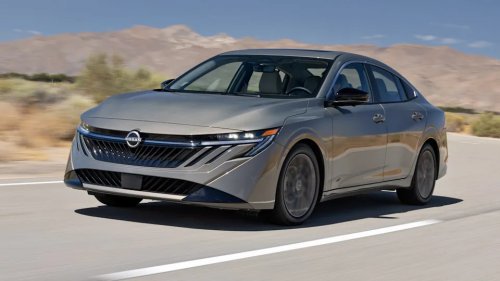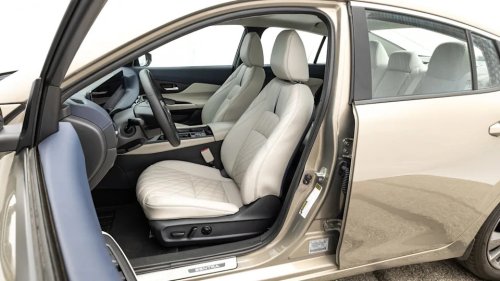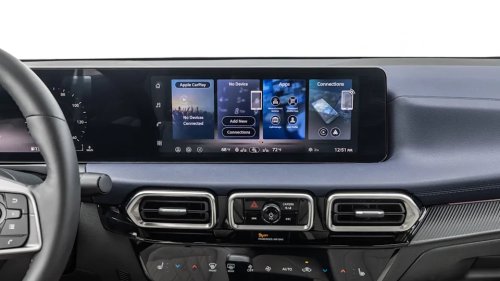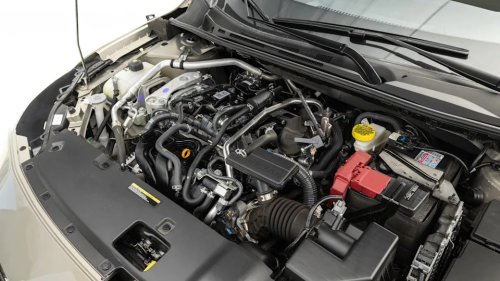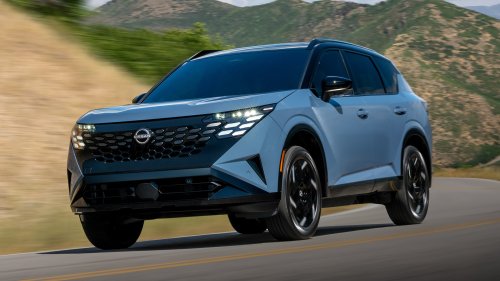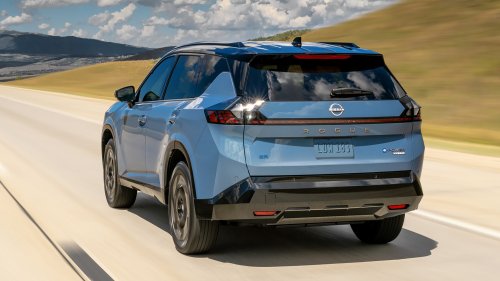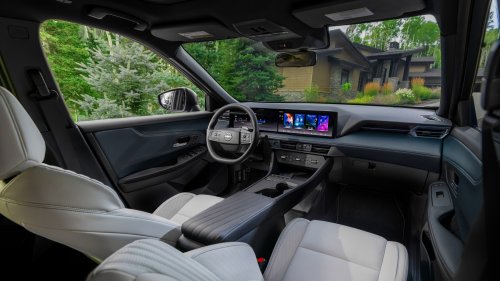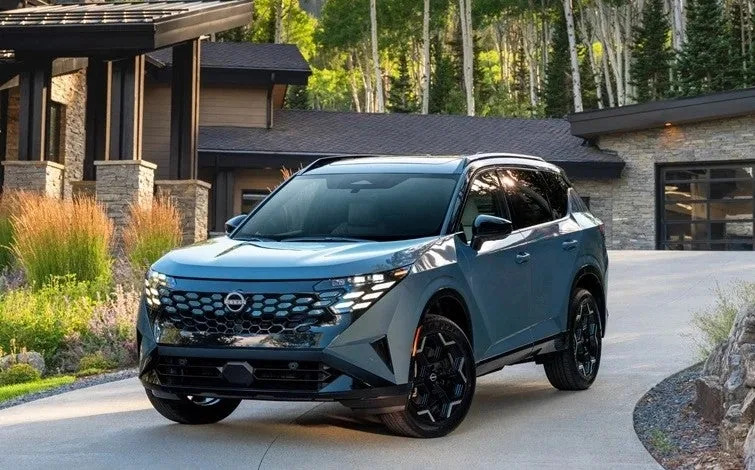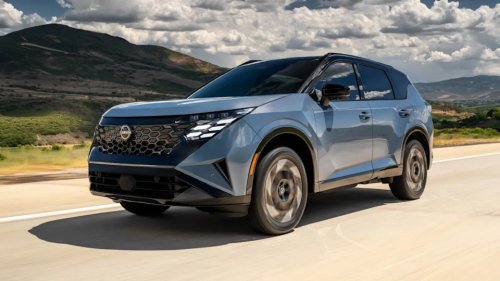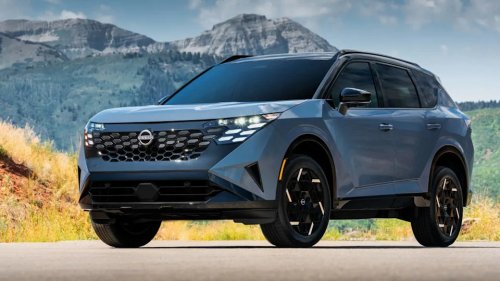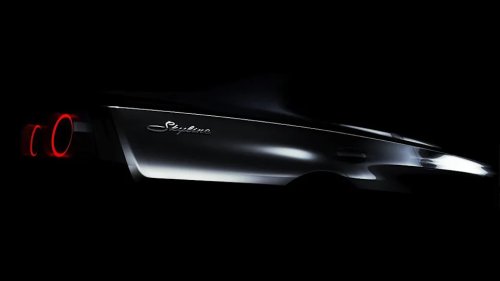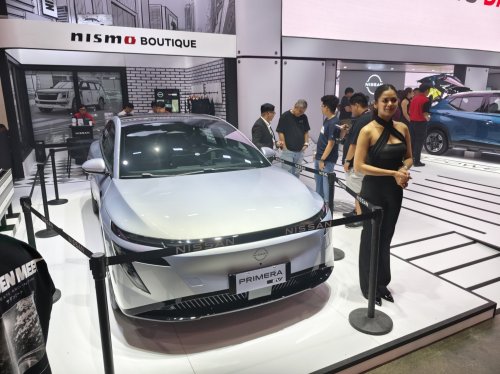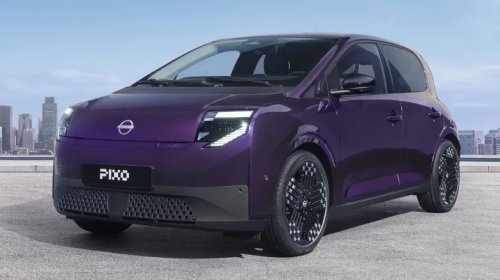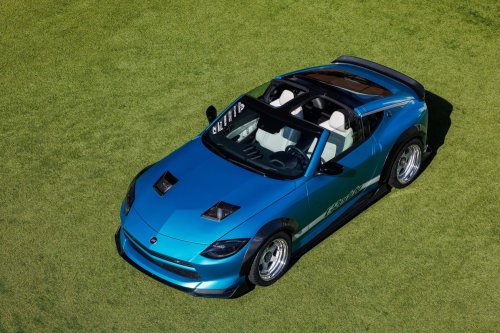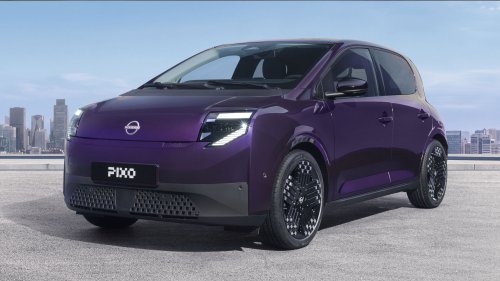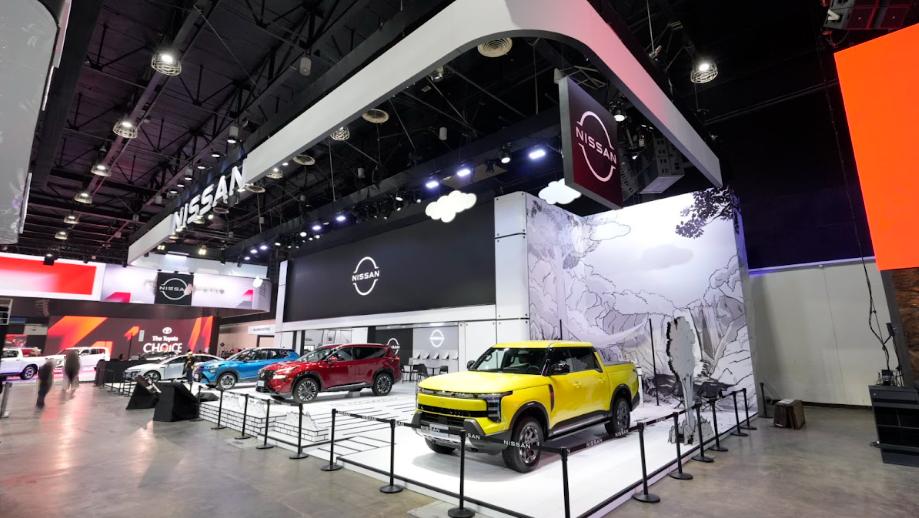
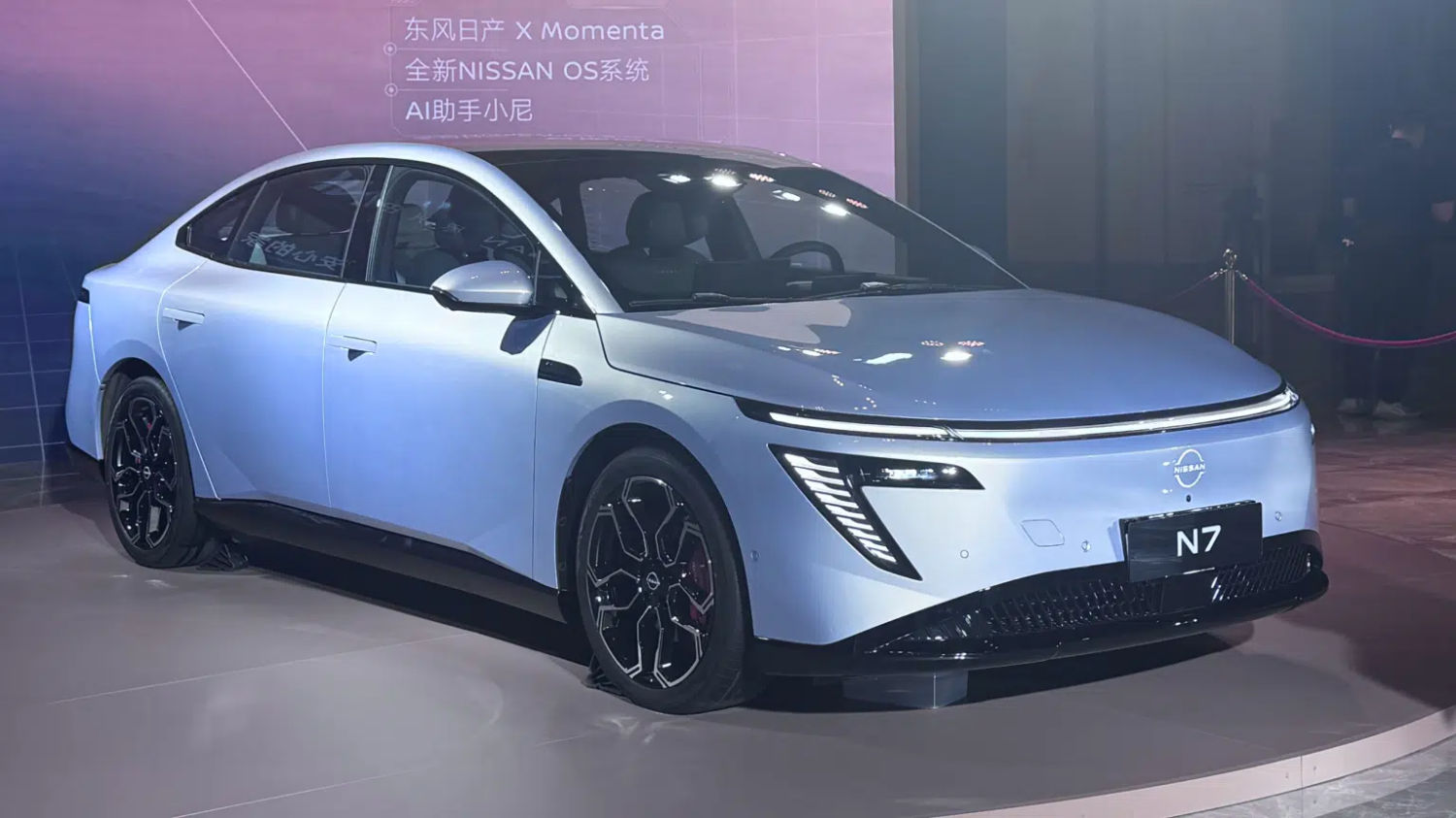
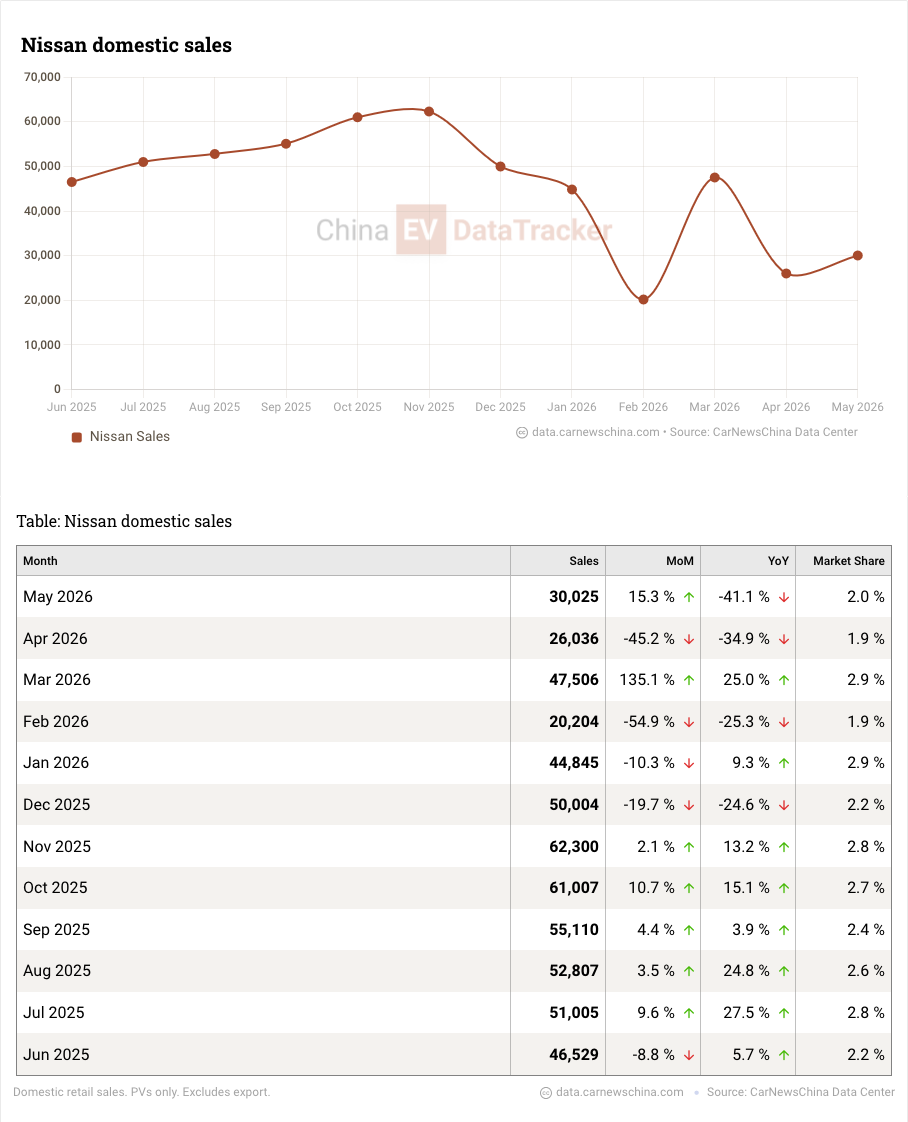



















Nissan China's products. Credit: Nissan China Understand China EV’s Market Real-time notifications when critical EV data is released All important data in one place 2,000,000+ data points Become a member Nissan Motor Co. announced on June 12 that it has successfully halved its vehicle development cycle, reducing the timeline from the traditional 55 months to just 26 months. This strategic shift, aimed at accelerating innovation, is heavily inspired by the AI-driven rapid iteration models pioneered by Chinese automakers. Nissan President Ivan Espinosa confirmed that the new development process has already been validated with the next-generation Skyline, scheduled for release in the winter of 2026. The company plans to implement this streamlined workflow across 90% of its vehicle projects within the 2026 fiscal year. Embracing the “China Model” Nissan’s transformation is deeply rooted in lessons learned from its operations in China. Through its joint venture with Dongfeng Motor, Nissan has integrated local expertise and technologies. Notably, the all-electric N7 model, launched in April 2025, served as a successful pilot for this strategy, achieving a development cycle of just two years. Nissan N7. To achieve this drastic reduction in time-to-market, Nissan is integrating Artificial Intelligence across the entire vehicle development lifecycle: Design: AI-assisted rapid modelling automatically generates design proposals that optimise both aerodynamics and aesthetics, significantly reducing the need for manual revisions. Testing: Virtual simulation is replacing over 60% of physical prototype testing, drastically shortening the time required for crash and durability assessments. Decision-Making: Advanced AI data analysis enables faster market responsiveness and streamlines management approval chains, enhancing overall organisational efficiency. Supply Chain: AI-driven predictive analytics anticipate component demand and supply risks, ensuring a seamless transition from research and development to mass production. Nissan’s sales performance in China. In May 2026, Nissan sold 30,025 vehicles in China, a year-on-year decrease of 41.1%. Editor’s comment Even so, a 26-month development cycle might still not be competitive enough in the Chinese market. For instance, CATL’s skateboard chassis products can help carmakers cut down new vehicle development to 18 months, however, not many manufacturers have adopted it so far, likely because development cycles in China are already short enough as it is.