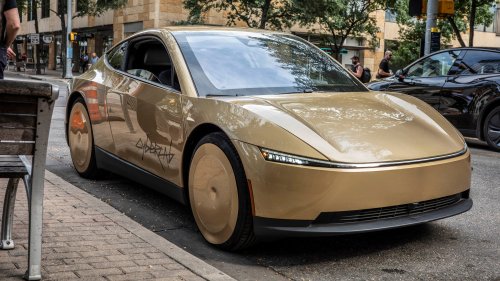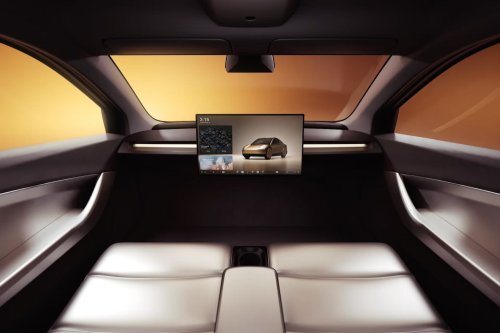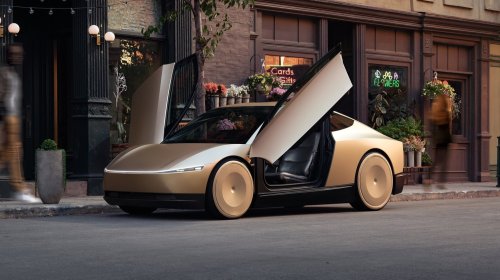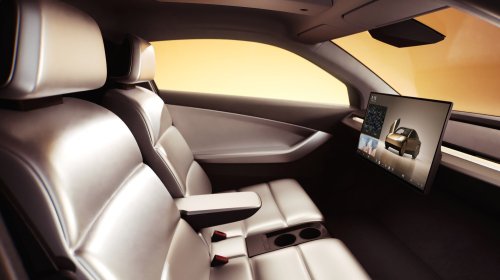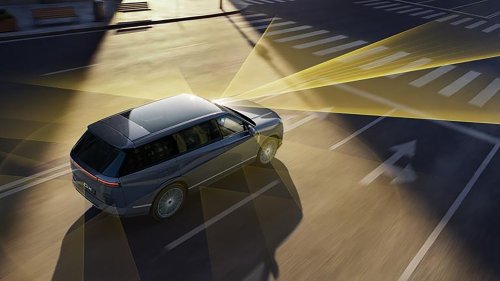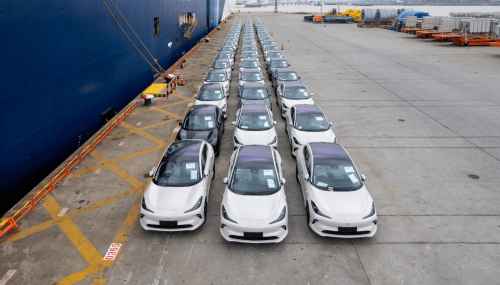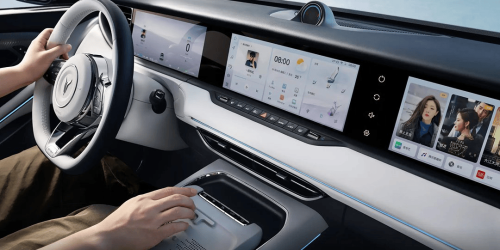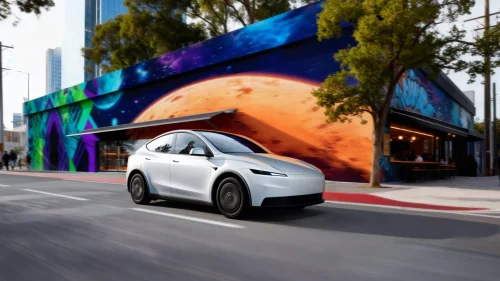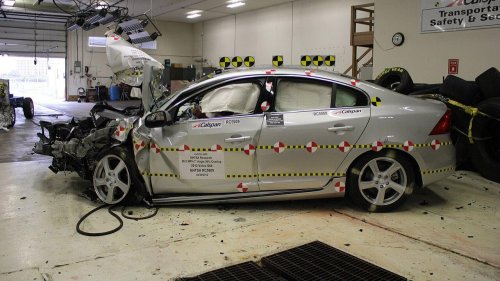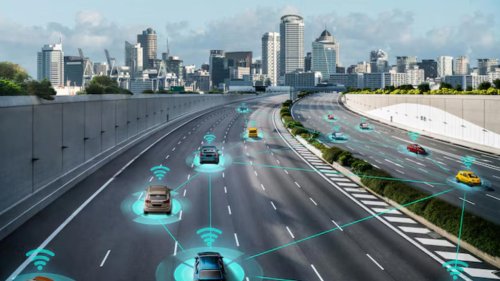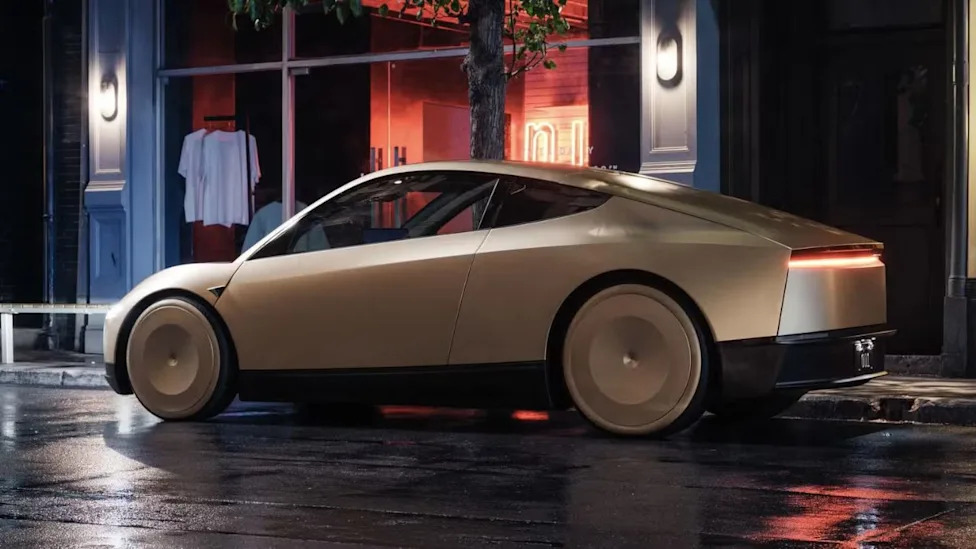
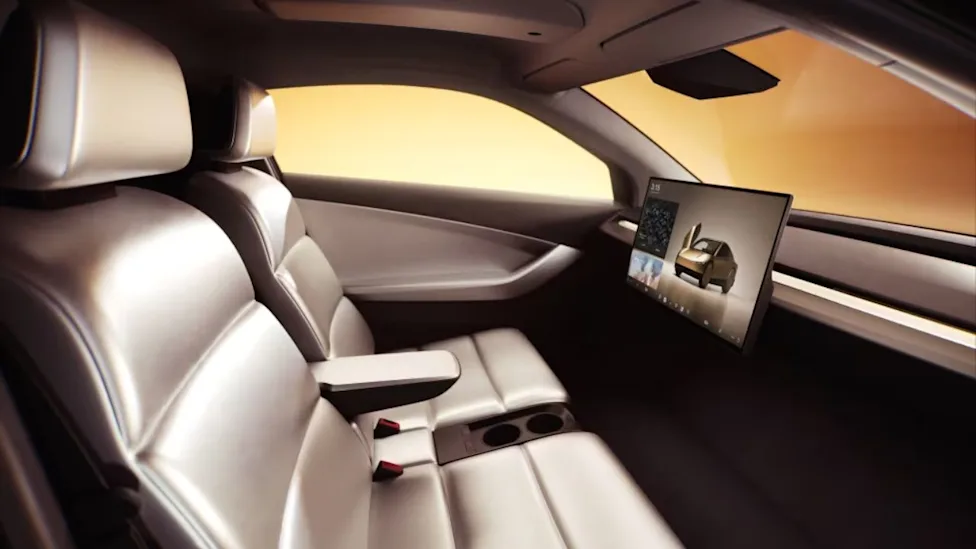



















Image Credit: Tesla.The U.S. Department of Transportation is proposing one of the most significant updates to federal vehicle safety regulations since autonomous driving technology began emerging. If approved, the change would eliminate the requirement for a physical brake pedal in vehicles designed to operate without a human driver.The proposal comes from the National Highway Traffic Safety Administration (NHTSA) as part of the agency's Automated Vehicle Framework. Federal officials say the goal is to modernize decades-old safety regulations that were written with human drivers in mind.The proposal applies only to vehicles designed exclusively for automated driving systems (ADS). Conventional vehicles and autonomous models that still include manual driving controls would continue to follow the existing Federal Motor Vehicle Safety Standards.AdvertisementAdvertisementImportantly, the proposal does not reduce braking performance requirements. Instead, it changes how fully autonomous vehicles are allowed to meet those standards when no human driver is expected to operate the vehicle.Removing Controls That Drivers Will Never UsePhoto Courtesy: Autorepublika.Under the proposed update to Federal Motor Vehicle Safety Standard (FMVSS) No. 135, manufacturers would no longer be required to install hand- or foot-operated brake controls in vehicles built exclusively for autonomous operation.That means future robotaxis and purpose-built self-driving vehicles could be certified without traditional brake pedals. Vehicles such as Tesla's Cybercab, which was unveiled without a steering wheel or pedals, are examples of the type of design the updated regulation could accommodate.The proposal only applies to vehicles that will never be driven by a person. Autonomous vehicles that retain steering wheels, brake pedals, or other manual controls would still be required to meet all existing federal standards governing those components.Safety Standards Would Still RemainAlthough the proposal removes the requirement for a physical brake pedal, it does not eliminate braking performance requirements. Every qualifying autonomous vehicle would still have to satisfy the same federal stopping distance standards required today.AdvertisementAdvertisementNHTSA says alternative testing procedures would verify that autonomous vehicles can safely stop when commanded by their automated driving systems. The agency also noted that it is developing additional performance standards specifically addressing how autonomous vehicles behave in real-world driving situations.Federal regulators would also retain their existing authority to investigate safety defects involving automated driving systems and require recalls whenever necessary.Part Of A More Comprehensive Regulatory UpdateFile Photo for illustration purposes. Image Credit: Mliu92 - Own work, CC BY-SA 3.0, Wikimedia.The brake pedal proposal represents the fifth major rulemaking effort under the Transportation Department's new Automated Vehicle Framework. Officials have also proposed updates covering transmission controls, windshield defrosters, windshield wipers, and tire information requirements.NHTSA argues that some traditional equipment may no longer be necessary in vehicles that rely entirely on cameras, radar, lidar, and onboard computing systems instead of human operators. Features like rearview mirrors and windshield wipers could eventually face similar regulatory reviews for fully autonomous vehicle designs.AdvertisementAdvertisementAccording to the agency, updating outdated regulations could reduce the need for manufacturers to request individual exemptions before deploying purpose-built autonomous vehicles in the United States.Public Comments Are Now OpenThe proposal is currently in the rulemaking stage and has not yet been finalized. Before any changes take effect, NHTSA will collect public feedback through the Federal Register before determining whether revisions should be made.Supporters argue the changes remove unnecessary design restrictions while preserving the safety standards that matter most. Critics are expected to closely examine whether eliminating traditional driver controls could create unintended risks as autonomous technology continues to evolve.For now, the proposal signals that federal regulators are preparing safety standards for a future where some vehicles may never have a human sitting behind the wheel. Whether those vehicles become commonplace remains uncertain, but the regulations governing them are already beginning to change.AdvertisementAdvertisementIf you want more stories like this, follow Guessing Headlights on Yahoo so you don't miss what's coming next.